
Molecular Mimicry: The Autoimmune Pathogenesis of Spike-Related Illnesses
Updated May 2026
Understand how structural similarities between spike proteins and human tissues lead to autoimmune attacks. This article exposes the biological triggers behind post-viral organ inflammation.
Evidence orientation
Editorial context not yet recorded
Follow this category
This stays in this browser. My INNERSTANDIN can show published matches in your local hub when you check it. It does not send email, push, or alert notifications.
Local learning review
A private browser aid for revisiting ideas. It is not an alert or a health recommendation.
Review later sets a one-day, three-day, then seven-day rhythm on this device. Choose it only when you want to revisit this article.
Overview
In the landscape of modern immunology, few phenomena are as insidious or as poorly understood by the general public as molecular mimicry. As a senior researcher at INNERSTANDING, my objective is to peel back the layers of consensus science to reveal a disturbing biological reality: the very protein touted as the key to ending a global pandemic—the spike protein—shares alarming structural similarities with vital human tissues.
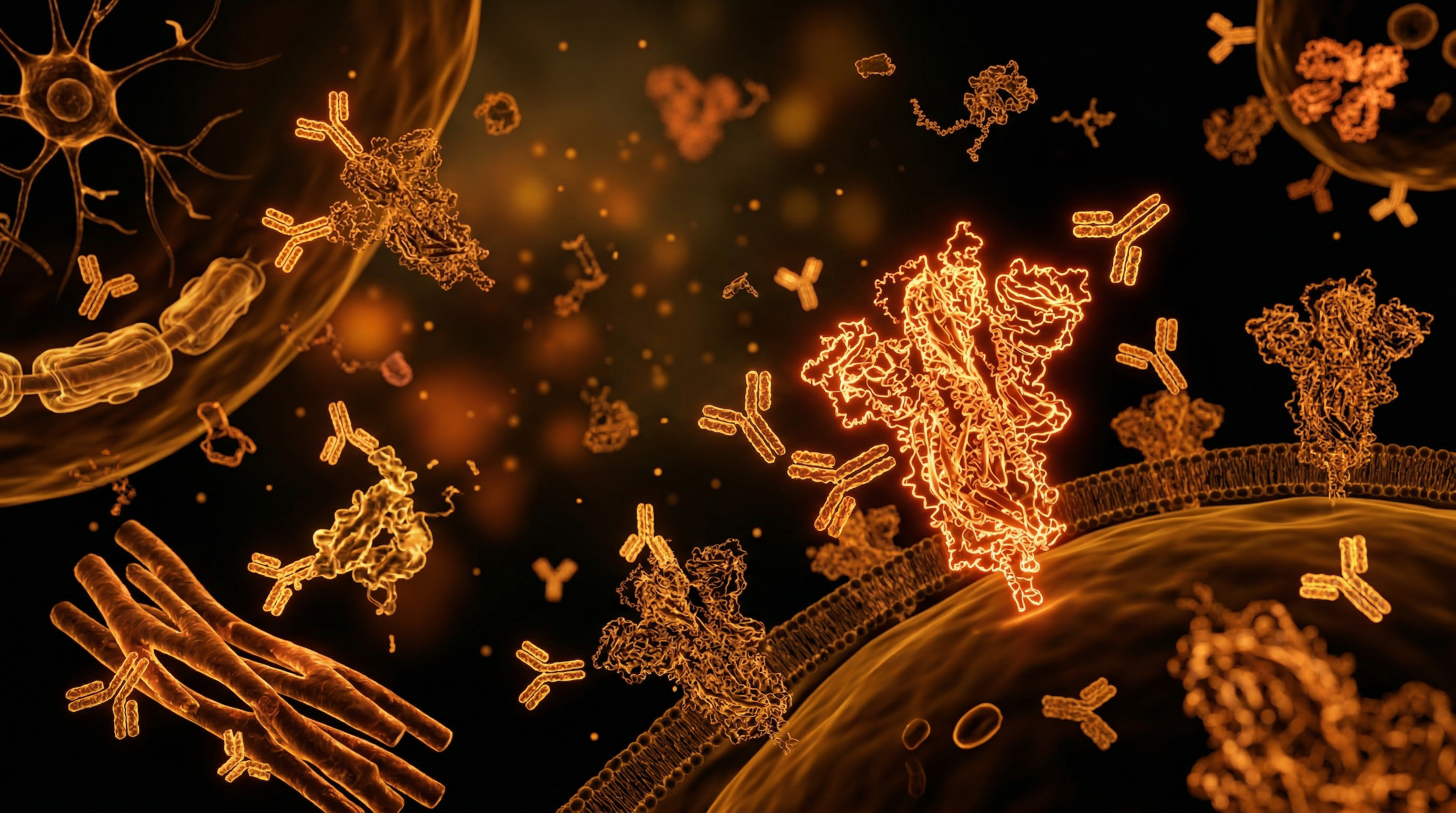
Molecular mimicry occurs when a foreign antigen (such as a viral protein) shares sequence or structural similarities with self-antigens (host proteins). When the immune system is primed to attack the foreign invader, it inadvertently launches a "friendly fire" assault on the body’s own cells. This is not a hypothetical risk; it is a well-documented mechanism of autoimmune pathogenesis.
The spike protein, whether introduced via natural infection or through synthetic mRNA and viral vector technologies, serves as a potent immunogen. However, research now suggests that its design is inherently problematic. It is not merely a passive key to cellular entry; it is a bioactive ligand and a primary driver of post-viral syndromes and vaccine-related injuries. By examining the peptide sequences of the SARS-CoV-2 spike protein, we find a high degree of homology with human proteins responsible for cardiac function, neurological stability, and reproductive health.
Fact: Research has identified at least 28 different human tissues that share peptide sequences with the SARS-CoV-2 spike protein, potentially making them targets for autoimmune cross-reactivity.
This article provides a deep dive into the molecular mechanics of these interactions, exposing how the persistence of this protein leads to a chronic state of inflammation and the eventual breakdown of immunological tolerance.
The Biology — How It Works
To understand molecular mimicry, one must first understand the concept of the epitope. An epitope is the specific part of an antigen that is recognised by the immune system (specifically by antibodies, B-cells, or T-cells).
The Concept of Sequence Homology
The human proteome is vast, but the building blocks of life—amino acids—are limited to a set of 20. When a pathogen expresses a sequence of amino acids that is identical or highly similar to a human sequence, the immune system may fail to distinguish between "self" and "non-self." This is known as sequence homology.
In the context of the spike protein, bioinformatic analyses have revealed numerous "pentapeptides" (five-amino acid sequences) that are shared between the spike and human proteins. While a five-amino acid match might seem statistically insignificant, in the world of immunology, it is often sufficient to trigger T-cell cross-reactivity.
Pathogenic Priming
Pathogenic priming is a specific type of molecular mimicry where exposure to an antigen makes a subsequent exposure (or the chronic presence of that antigen) more dangerous. If the initial immune response "learns" to target a sequence that is also present in the human heart or brain, every subsequent encounter with that protein—or its continued production within the body—reinforces the autoimmune attack.
The Role of HLA Polymorphism
Why does one person develop myocarditis while another remains asymptomatic? The answer lies in the Human Leukocyte Antigen (HLA) system. HLA molecules are responsible for presenting antigens to T-cells. Because HLA genes are the most polymorphic in the human genome, every individual presents the spike protein’s "mimic" sequences slightly differently. Those with specific HLA genotypes are significantly more predisposed to autoimmune "misfiring" following spike protein exposure.
Mechanisms at the Cellular Level
At the microscopic scale, the pathogenesis of spike-related illness is a multi-front war. Molecular mimicry does not act in a vacuum; it is facilitated by several cellular mechanisms that amplify the damage.
T-Cell Mediated Cytotoxicity
Once the immune system is sensitised to a mimicry epitope, Cytotoxic T-lymphocytes (CD8+ T-cells) are deployed. In a healthy response, these cells kill virus-infected cells. In the case of molecular mimicry, these T-cells identify healthy tissue—such as the myocytes of the heart or the myelin sheath of nerves—as "infected." The result is direct cellular destruction, leading to conditions like myocarditis or multiple sclerosis-like demyelination.
B-Cell Hyper-activation and Autoantibodies
Molecular mimicry also recruits the humoral arm of the immune system. B-cells produce antibodies that ideally neutralise the spike protein. However, due to structural similarities, these antibodies may bind to:
- Myosin and Actin: Proteins essential for muscle contraction.
- Collagen: The primary structural protein in connective tissue.
- Thyroid Peroxidase: An enzyme vital for thyroid hormone production.
When antibodies bind to these self-proteins, they flag the body’s own tissues for destruction by the complement system, a series of plasma proteins that "complement" the ability of antibodies to clear pathogens but can cause massive "bystander" tissue damage when misdirected.
The ACE2 Intersection
The spike protein’s primary target is the ACE2 (Angiotensin-Converting Enzyme 2) receptor. This receptor is ubiquitous, found in the lungs, heart, kidneys, and endothelium (the lining of blood vessels). By binding to ACE2, the spike protein disrupts the Renin-Angiotensin System (RAS), which regulates blood pressure and inflammation. This disruption creates a pro-inflammatory environment that makes the tissues even more susceptible to autoimmune attack. It is a "one-two punch": the protein disrupts the tissue's function while simultaneously marking it for destruction by the immune system.
Environmental Threats and Biological Disruptors
The risks of molecular mimicry are not static; they are exacerbated by environmental factors and the specific delivery mechanisms used in modern biotechnology.
The Persistence Problem
In a natural infection, the virus is typically cleared by a healthy immune system within weeks. However, synthetic mRNA encapsulated in Lipid Nanoparticles (LNPs) is designed to be stable. Evidence now suggests that the spike protein produced by this synthetic template can persist in the blood and organs for months.
Important Fact: Studies have detected the spike protein in the plasma of individuals up to 15 months post-exposure, suggesting a failure of the body’s natural clearance mechanisms.
This long-term presence is a biological disruptor. It provides a constant stimulus to the immune system, preventing the "reset" required to maintain self-tolerance. Chronic exposure to an antigen is a known precursor to the development of chronic autoimmune disease.
Lipid Nanoparticles (LNPs) as Adjuvants
LNPs are not inert delivery vehicles. They possess inherent pro-inflammatory properties. In immunology, an adjuvant is something added to a vaccine to "wake up" the immune system. The LNPs act as potent adjuvants, creating a "danger signal" (DAMPs - Danger Associated Molecular Patterns) that forces the immune system into a hyper-alert state. When this hyper-alert state coincides with the presence of mimicry-prone spike sequences, the likelihood of an autoimmune "error" increases exponentially.
Co-factors: Stress and Toxins
The modern environment is rife with biological stressors—from glyphosate in the food supply to heavy metal exposure. These toxins can alter the epigenetic expression of our immune system, making us more "twitchy" and prone to loss of self-tolerance. When a body already burdened by environmental toxins is forced to manufacture a mimicry-prone protein, the threshold for disease is easily crossed.
The Cascade: From Exposure to Disease
The progression from spike protein exposure to full-blown autoimmune disease is rarely instantaneous. It typically follows a predictable cascade of physiological failure.
Phase 1: The Endothelial Insult
The first point of contact for the spike protein is often the vascular endothelium. The protein causes endothelial cells to express adhesion molecules, attracting inflammatory cells. This leads to endothelialitis—inflammation of the blood vessel lining. Because every organ depends on blood flow, this "systemic" insult sets the stage for multi-organ failure.
Phase 2: The Breakdown of the Barriers
The body has protective barriers, most notably the Blood-Brain Barrier (BBB) and the Blood-Testis Barrier. The spike protein, particularly when paired with LNPs, has been shown to cross these barriers. Once inside the "immune-privileged" sites like the brain, the molecular mimicry sequences can trigger an attack on glial cells and neurons, leading to "brain fog," cognitive decline, and autonomic dysfunction (POTS).
Phase 3: The Autoimmune "Switch"
After prolonged exposure, the immune system undergoes a "switch." It moves from trying to clear the spike protein to attacking the tissues that look like it. This is when we see the emergence of:
- Myocarditis and Pericarditis: Attack on cardiac proteins.
- Small Fibre Neuropathy: Attack on the peripheral nervous system.
- Thrombocytopenia: Attack on blood platelets.
- Endocrine Disruption: Attack on the ovaries or testes, often mediated by the high concentration of ACE2 receptors in these tissues.
Phase 4: Microclotting and Hypoxia
Unique to spike-related illness is the formation of amyloid-like microclots. The spike protein can act directly on fibrinogen, causing it to form abnormal, "indestructible" clots. These microclots block capillaries, leading to localised hypoxia (lack of oxygen). Tissues starved of oxygen release more "danger signals," further fueling the autoimmune fire.
What the Mainstream Narrative Omits
The mainstream scientific discourse has largely ignored the implications of molecular mimicry in the context of the spike protein, often dismissing these concerns as "rare" or "unsubstantiated." However, the data suggests otherwise.
The Biodistribution Myth
Early in the rollout of mRNA technology, the public was told that the injection remained in the deltoid muscle. We now know, via the manufacturer's own biodistribution studies (initially withheld from the public), that the LNPs and the resulting spike protein travel to the liver, spleen, adrenal glands, and ovaries. This wide distribution explains why the autoimmune "mimicry" symptoms are so diverse and systemic.
Synthetic vs. Natural RNA
There is a crucial difference between viral RNA and the pseudouridinated mRNA used in modern injections. The synthetic version is modified to resist breakdown by the body’s enzymes (specifically, the replacement of uridine with N1-methylpseudouridine). While this ensures high production of the spike protein, it also means the "blueprint" for this mimicry-prone protein stays in the body far longer than a natural virus would. The narrative omits the fact that "more" and "longer" is not always better when dealing with a potentially toxic protein.
The Ig4 Shift
Recent studies have highlighted a phenomenon known as the IgG4 class switch. After multiple exposures to the same antigen, the immune system may switch from producing inflammatory antibodies (IgG1, IgG3) to "tolerant" antibodies (IgG4). While this might sound positive, IgG4 dominance is associated with autoimmune pancreatitis, kidney disease, and a reduced ability to clear future infections or even cancer cells. This "immune exhaustion" is a direct consequence of the persistent stimulus provided by the spike protein.
Suppression of Cross-Reactivity Research
Leading immunologists, such as Dr. Aristo Vojdani and Dr. Yehuda Shoenfeld (the "father of autoimmunity"), have published papers detailing the cross-reactivity between spike antibodies and human tissues. Yet, these findings are rarely discussed in clinical settings, leading to a "diagnosis gap" where patients with clear autoimmune symptoms are told their tests are "normal."
The UK Context
In the United Kingdom, the impact of spike-related autoimmune pathogenesis is becoming increasingly visible in public health data, despite institutional reluctance to name the cause.
The Yellow Card Scheme
The MHRA’s Yellow Card scheme was designed to be an early warning system. However, it is plagued by chronic under-reporting (estimated to be as low as 1% to 10% of actual events). Despite this, the sheer volume of reports concerning "neurological," "cardiac," and "menstrual" disorders is unprecedented. The UK government’s failure to cross-reference these reports with the molecular mimicry data is a significant oversight in public safety.
Excess Deaths and the NHS Crisis
The UK has seen a sustained period of "excess deaths" that cannot be fully explained by COVID-19 or the pressure on the NHS. A significant portion of these deaths are cardiovascular in nature. If the spike protein is indeed triggering sub-clinical myocarditis through molecular mimicry, we are looking at a "ticking time bomb" of heart failure that the current UK medical infrastructure is ill-equipped to handle.
Academic Silencing
In prestigious UK institutions, there is a palpable "chilling effect." Researchers who wish to investigate the long-term autoimmune consequences of spike protein persistence often find their funding threatened or their papers rejected by journals with ties to the pharmaceutical industry. This prevents the very "Understanding" that our publication, INNERSTANDING, seeks to provide.
Protective Measures and Recovery Protocols
For those suffering from what is now being called "Spikeopathy," understanding the mechanism is the first step toward recovery. If the problem is the persistence of a mimicry-prone protein and the resulting inflammation, the solution must focus on clearance and immune modulation.
Autophagy Induction
Autophagy is the body’s cellular recycling programme. It is the process by which cells break down and remove misfolded or foreign proteins.
- Intermittent Fasting: One of the most potent triggers for autophagy. Extended fasts (24-48 hours) may help the body clear persistent spike protein.
- Spermidine: A natural compound found in aged cheese and wheat germ that stimulates autophagy.
Fibrinolytic and Proteolytic Enzymes
To combat the microclotting and the spike protein itself, certain enzymes can be used:
- Nattokinase: Derived from fermented soy (natto), it has the unique ability to degrade the spike protein in in vitro studies and dissolve the fibrin-rich microclots.
- Serrapeptase: Often used in conjunction with Nattokinase to reduce systemic inflammation and clear damaged tissue.
Immune Modulation (Not Suppression)
Rather than simply suppressing the immune system (which leaves the patient vulnerable to infection), the goal should be modulation.
- Vitamin D3: Essential for the function of Regulatory T-cells (Tregs), which are responsible for preventing autoimmunity.
- Quercetin and Zinc: Quercetin acts as a zinc ionophore, helping to stabilise the immune response and prevent viral replication.
- Low-Dose Naltrexone (LDN): Increasingly used in the UK for "Long Covid" and autoimmune conditions to re-balance the immune system and reduce neuro-inflammation.
Detoxification of the Endothelium
Supporting the blood vessel lining is crucial.
- Pine Needle Tea (Suramin/Shikimic Acid): Traditionally used to support respiratory and vascular health.
- Curcumin: A potent anti-inflammatory that helps protect the ACE2 receptor and reduce the "cytokine storm" associated with spike protein exposure.
Summary: Key Takeaways
The path from spike protein exposure to autoimmune disease is a complex interplay of genetic predisposition, protein persistence, and molecular mimicry.
- Molecular mimicry is the process by which the immune system confuses the spike protein with the body’s own tissues, leading to chronic autoimmune attacks.
- The spike protein is bioactive and pathogenic; it is not a harmless marker. Its ability to bind to ACE2 and persist in the body makes it a unique biological threat.
- Tissues most at risk include the heart, brain, and endocrine organs, due to high ACE2 expression and significant sequence homology with the spike protein.
- Institutional silence and the omission of biodistribution and mimicry data from the mainstream narrative have left millions of people without an explanation for their symptoms.
- Recovery is possible through strategies that focus on protein clearance (autophagy, nattokinase) and restoring immunological balance.
As we move forward, it is imperative that the scientific community stops viewing the spike protein through the lens of "preventative medicine" and starts seeing it as a molecular toxin that requires a new paradigm of detoxification and autoimmune care. The era of ignoring "pathogenic priming" must end if we are to address the burgeoning crisis of spike-related illnesses.
Author’s Note: This article is part of our ongoing series at INNERSTANDING dedicated to exploring the biological mechanisms that define our health in the 21st century. The truth is often buried in the data; our job is to exhume it.
This article is provided for informational and educational purposes only. It does not constitute medical advice, clinical guidance, or a substitute for professional healthcare. Information reflects cited research at time of publication. Always consult a qualified healthcare professional before acting on any health information.
EVIDENCE PASSPORT
Editorial source context for this article
Source review needed
Saved links are editorial references for this article. They may support specific claims rather than every sentence. Open and assess each source in context. This passport does not independently verify them.
Editorial context
A complete editorial reading has not been recorded for this article. Source links remain available for you to open and assess directly.
Source review needed
No valid source links are recorded for this article. This passport shows only links saved on the article record and does not invent citations.
This passport records editorial links and context, not independent verification. Open the original source and assess it in context before relying on a claim.
Medical Disclaimer
The information in this article is for educational purposes only and does not constitute medical advice, diagnosis, or treatment. Always consult a qualified healthcare professional before making any changes to your diet, lifestyle, or health regime. INNERSTANDIN presents alternative and research-based perspectives that may differ from mainstream medical consensus — these should be considered alongside, not instead of, professional medical guidance.
Read Full DisclaimerContinue the thread
Keep this question moving.
Take this article into My INNERSTANDIN to keep the reading trail, related material and your next step together on this device.
Explore this in the Body Map
See where this hits your biology. Interactive anatomy, threats, and protective protocols.
Dig deeper in the Library
Free, longform PDF volumes that go beyond headlines into mechanisms and references.