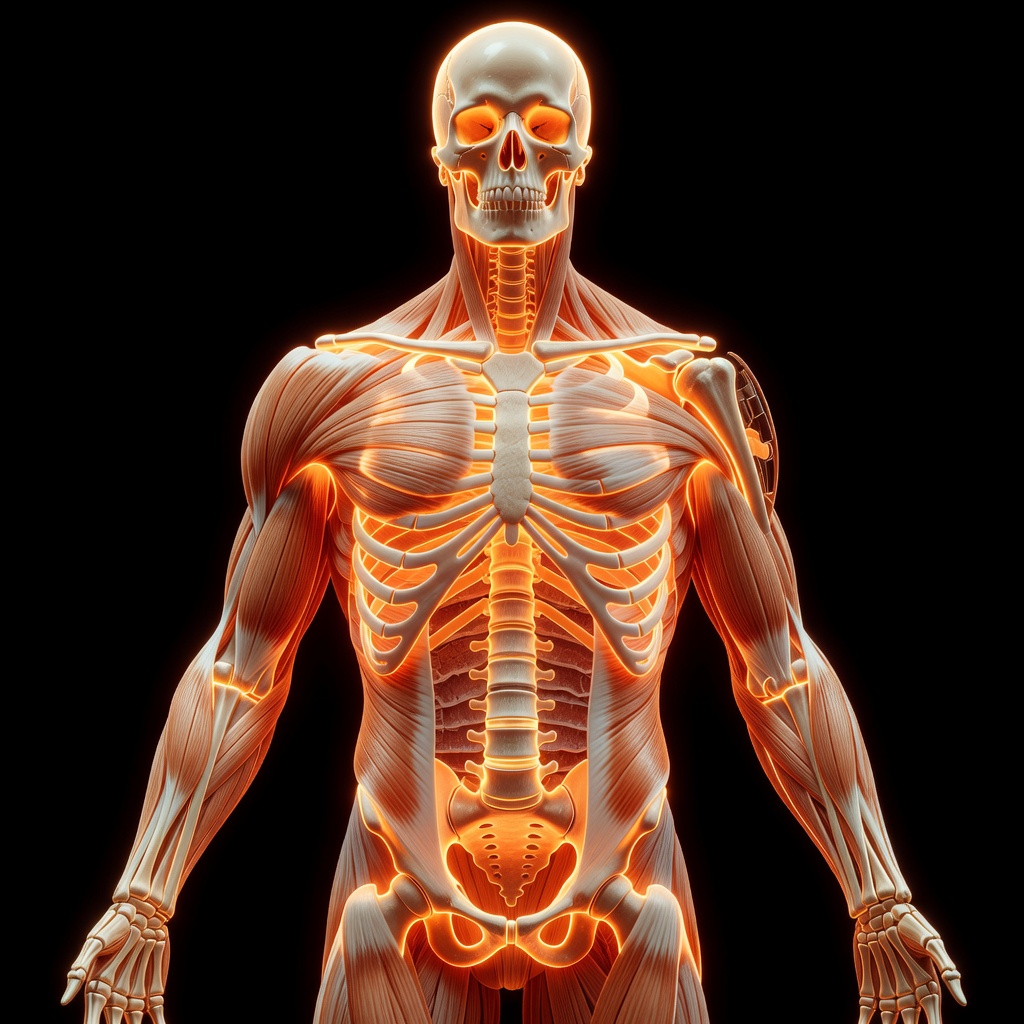
Thyroid Peroxidase Autoimmunity: Navigating Selenium-Iodine Ratios in Hypothyroid Patients
A comprehensive exploration of the biochemical relationship between iodine and selenium in thyroid health, focusing on mitigating TPO autoimmunity during loading protocols.

# Thyroid Peroxidase Autoimmunity: Navigating Selenium-Iodine Ratios in Hypothyroid Patients
At INNERSTANDING, we advocate for a root-cause approach to endocrine health, moving beyond the simplistic application of hormone replacement to understand the cellular terrain. In the context of thyroid health, few topics are as misunderstood and potentially volatile as the relationship between Thyroid Peroxidase (TPO) autoimmunity and the administration of iodine and selenium.
The TPO Enzyme: The Factory Floor of Hormone Synthesis
Thyroid Peroxidase is a heme-containing enzyme located on the apical membrane of thyroid follicular cells. Its primary role is to catalyze two critical reactions: the oxidation of iodide to iodine and the subsequent organification of that iodine into thyroglobulin. This process is the foundational step in the production of Thyroxine (T4) and Triiodothyronine (T3). However, this 'factory floor' is a site of intense biochemical activity that produces a dangerous byproduct: hydrogen peroxide (H2O2).
H2O2 is necessary for the TPO enzyme to function, but it is also a potent oxidant. In a healthy thyroid, this peroxide is strictly managed by local antioxidant systems. When these systems fail, H2O2 can cause oxidative damage to the TPO enzyme itself and the surrounding thyroid tissue. This damage can lead to the exposure of sequestered antigens to the immune system, triggering the production of TPO antibodies (TPOAb)—the hallmark of Hashimoto's Thyroiditis.
The Iodine Paradox: Fuel or Fire?
Iodine deficiency remains a significant concern in the UK, where soil depletion and shifts in dietary habits have left many patients sub-optimally supplied. The 'Iodine Loading' protocols, popularized by researchers like Dr. Guy Abraham and Dr. David Brownstein, suggest that high-dose iodine can 're-set' thyroid function and displace toxic halides like fluoride and bromide. While clinically effective for many, these protocols can be catastrophic for patients with existing TPO autoimmunity if implemented without proper co-factors.
When a patient increases iodine intake, TPO activity ramps up. This increased activity naturally leads to increased production of H2O2. If the patient's antioxidant defenses are insufficient, the iodine does not just fuel hormone synthesis; it fuels the autoimmune fire. This is the root cause of the 'iodine-induced flare.'
Selenium: The Essential Quencher
Selenium is the primary regulator of the thyroid's antioxidant defense. It is incorporated into selenoproteins, most notably the Glutathione Peroxidase (GPx) family. GPx enzymes are responsible for neutralizing the excess H2O2 produced during iodine organification. Without adequate selenium, the thyroid is essentially a high-heat engine running without a cooling system.
Furthermore, selenium is required for the Deiodinase enzymes (DIO1 and DIO2), which convert the inactive T4 pro-hormone into the metabolically active T3. A deficiency in selenium not only increases the risk of autoimmune damage but also leads to 'pooling' of T4 and symptoms of hypothyroidism even if iodine levels are sufficient.
Navigating the Selenium-Iodine Ratio
There is no single 'magic ratio' that applies to every patient, as biological individuality and total toxic load play significant roles. However, clinical patterns suggest that a ratio-based approach is safer than isolated loading. Research, including studies on populations in China with varying iodine and selenium intakes, indicates that selenium deficiency significantly increases the risk of goitre and thyroiditis when iodine intake is high.
In a clinical setting, we often observe that a baseline dose of 200mcg to 400mcg of selenomethionine or high-selenium yeast is required to provide the 'antioxidant buffer' needed for iodine titration. The INNERSTANDING framework suggests that selenium status should be optimized for at least 2 to 4 weeks before any significant increase in iodine (above the RDA of 150mcg) is attempted.
The Protocol: A Root-Cause Strategy
To safely navigate iodine loading in the presence of TPO antibodies, we recommend the following sequence:
- —Baseline Assessment: Measure TPOAb, Thyroglobulin Antibodies (TgAb), TSH, fT3, fT4, and ideally, a 24-hour urinary iodine loading test and serum selenium levels.
- —The Selenium Lead: Commencing with 200mcg of selenium daily. This prepares the GPx system to handle the impending increase in H2O2.
- —Co-factor Support: Iodine metabolism does not happen in a vacuum. Supporting the Sodium-Iodide Symporter (NIS) requires adequate B-vitamins (particularly B2 and B3 in the form of Riboflavin and Inositol Hexanicotinate), magnesium, and unrefined sea salt to support the sodium gradient.
- —Micro-Titration: Instead of jumping to 12.5mg doses of Lugol's iodine, start with micro-doses (e.g., 150mcg to 500mcg) and monitor for symptoms of 'detox' or thyroid swelling.
- —Monitoring the 'Flare': If TPO antibodies rise significantly or the patient experiences heart palpitations, anxiety, or neck tenderness, it is a sign that the H2O2 production is outpacing the selenium-driven quenching system.
Conclusion
Thyroid health is an exercise in biochemical balance. Iodine is the essential fuel, but selenium is the protective shield. For the hypothyroid patient navigating TPO autoimmunity, the goal is not to avoid iodine—which is essential for every cell in the body—but to ensure that the thyroid's internal environment is robust enough to handle its use. By prioritizing the selenium-iodine ratio and supporting the body's antioxidant pathways, we can move from reactive symptom management to proactive, root-cause healing.
This article is provided for informational and educational purposes only. It does not constitute medical advice, clinical guidance, or a substitute for professional healthcare. Information reflects cited research at time of publication. Always consult a qualified healthcare professional before acting on any health information.
RESEARCH FOUNDATIONS
Biological Credibility Archive
Citations provided for educational reference. Verify via PubMed or institutional databases.
Medical Disclaimer
The information in this article is for educational purposes only and does not constitute medical advice, diagnosis, or treatment. Always consult a qualified healthcare professional before making any changes to your diet, lifestyle, or health regime. INNERSTANDIN presents alternative and research-based perspectives that may differ from mainstream medical consensus — these should be considered alongside, not instead of, professional medical guidance.
Read Full DisclaimerReady to learn more?
Continue your journey through our classified biological research.
DISCUSSION ROOM
Members of THE COLLECTIVE discussing "Thyroid Peroxidase Autoimmunity: Navigating Selenium-Iodine Ratios in Hypothyroid Patients"
SILENT CHANNEL
Be the first to discuss this article. Your insight could help others understand these biological concepts deeper.
THE ARSENAL
Based on Iodine Deficiency & Thyroid Loading Protocols — products curated by our research team for educational relevance and biological support.
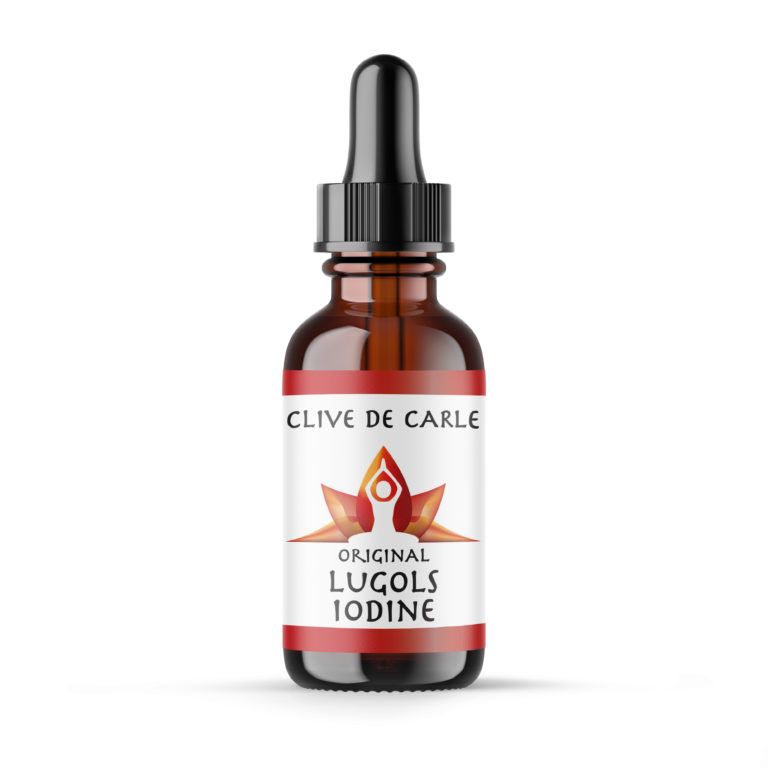
Lugol’s Iodine – Hormonal Issues, Menopause, Immune System, Brain Fog, Memory, Thyroid, Dry Skin
Rejuvenation Pack – Essential Vitamins and Minerals for Health Restoration
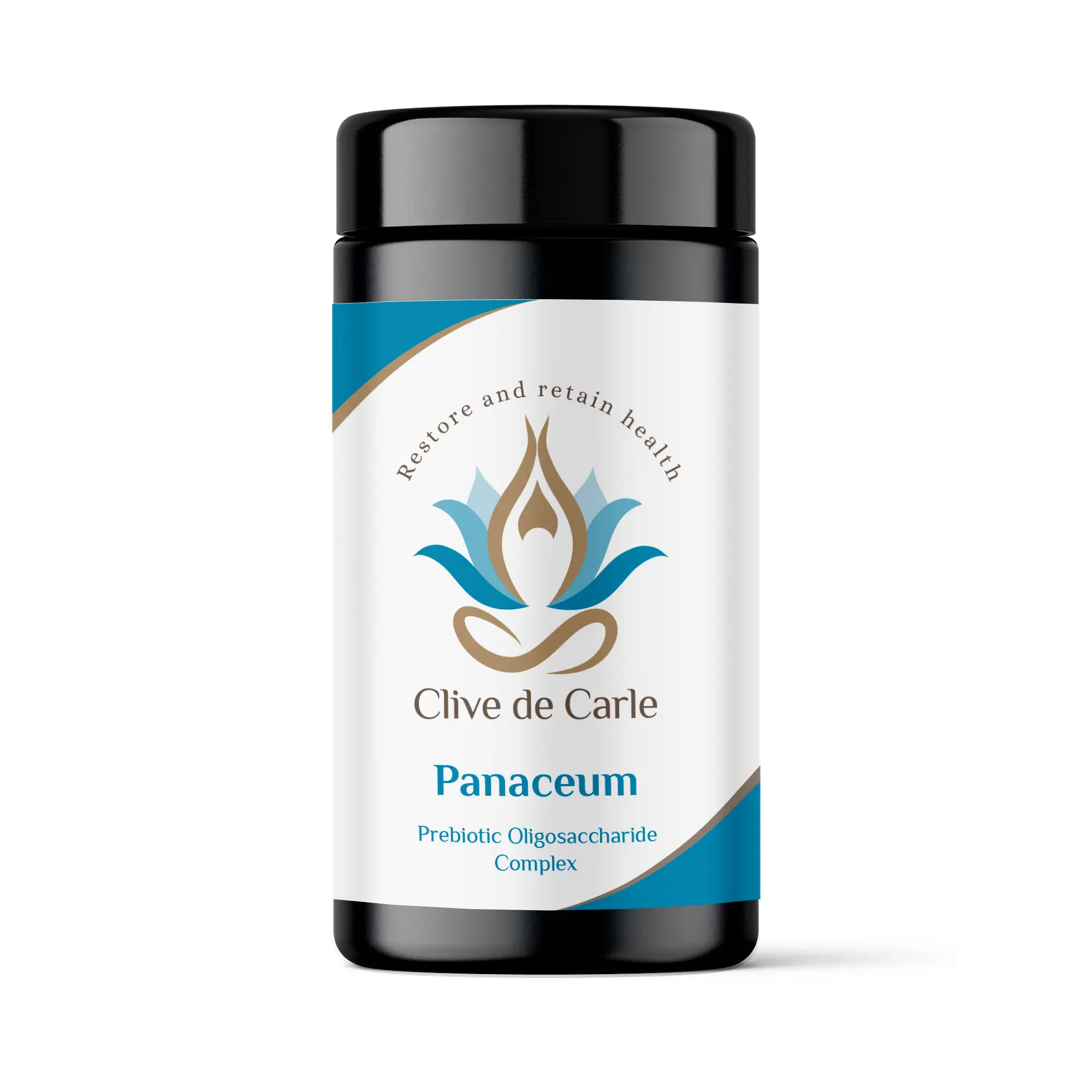
Panaceum – Prebiotic Oligosaccharide Complex
INNERSTANDING may earn a commission on purchases made through these links. All products are selected based on rigorous educational relevance to our biological research.
RABBIT HOLE
Follow the biological thread deeper