Mercury-Induced Thyroid Dysfunction: Quantifying Intracellular Toxicity and Endocrine Disruption through Mineral Profiling
An educational exploration into the biochemical pathways through which mercury induces thyroid dysfunction and how Hair Tissue Mineral Analysis (HTMA) serves as a critical diagnostic tool for identifying intracellular mineral derangement.
# Mercury-Induced Thyroid Dysfunction: Quantifying Intracellular Toxicity and Endocrine Disruption through Mineral Profiling. The prevalence of thyroid disorders in the United Kingdom has seen a marked increase over the last few decades. While clinical focus often remains on autoimmune markers and hormone replacement, a growing body of evidence suggests that environmental heavy metal toxicity, particularly mercury, serves as a significant root cause for subclinical hypothyroidism and endocrine resistance. For the INNERSTANDING community, understanding the nexus between mineral status and toxic load is essential for true metabolic restoration. This article examines the biochemical mechanisms by which mercury impairs thyroid function and how Hair Tissue Mineral Analysis (HTMA) provides a unique window into these intracellular events. ## The Biochemistry of Mercury Toxicity.
Mercury is a heavy metal with no known biological benefit. It possesses a high affinity for sulfhydryl (thiol) groups, which are critical components of various enzymes and proteins. When mercury enters the bloodstream and subsequently the intracellular space, it binds to these groups, effectively 'locking' the enzyme and rendering it non-functional. The thyroid gland is particularly vulnerable to this accumulation due to its high metabolic activity and specific mineral requirements. Unlike blood tests, which measure circulating hormones or metals in transit, HTMA measures the deposition of minerals and metals within the hair shaft over a 3-month period, reflecting the intracellular environment where thyroid hormones actually perform their work. ## The Selenium Connection and Deiodinase Inhibition.
One of the most profound ways mercury disrupts thyroid function is through its antagonistic relationship with selenium. Selenium is a vital trace mineral required for the synthesis of selenoproteins, including the deiodinase enzymes (Type I, II, and III). These enzymes are responsible for the conversion of thyroxine (T4), the inactive form of thyroid hormone, into triiodothyronine (T3), the metabolically active form. Mercury has an extremely high binding affinity for selenium—even higher than its affinity for sulfur. When mercury is present in the body, it 'sequesters' selenium, creating a functional selenium deficiency regardless of dietary intake.
This sequestration prevents the production of deiodinase enzymes, leading to poor T4 to T3 conversion. On an HTMA report, this is often evidenced by a 'Hidden Mercury' pattern or significantly depleted selenium levels, even when the individual is supplementing. ## Direct Glandular Damage and Autoimmunity. Beyond enzymatic inhibition, mercury accumulates directly within the thyroid follicles. This accumulation can induce oxidative stress and damage the structural integrity of the gland. This damage can trigger an immune response, leading to the production of anti-thyroid antibodies.
In many cases of Hashimoto’s thyroiditis, mercury toxicity is a hidden driver that keeps the immune system in a state of hyper-vigilance. By displacing essential minerals like zinc and magnesium from cellular binding sites, mercury further weakens the cell's ability to repair itself and maintain homeostasis. ## HTMA: The Mineral Blueprint for Thyroid Function. In the context of HTMA, thyroid activity is primarily assessed through the Calcium to Potassium (Ca/K) ratio, often referred to as the 'Thyroid Ratio.' Calcium serves as a sedative and can block the uptake of thyroid hormone into the cells, while potassium is necessary to sensitize the cell membrane to thyroid hormone. A high Ca/K ratio suggests reduced thyroid expression at the cellular level, often indicating slow metabolism. When mercury toxicity is present, it often skews these mineral patterns.
Mercury can cause a 'mineral transport derangement,' where essential minerals like sodium, potassium, and magnesium are dumped into the hair or sequestered within tissues, leading to erratic HTMA results. A skilled practitioner at INNERSTANDING looks for these 'stress patterns' which indicate that the body is struggling to maintain endocrine balance against a toxic burden. ## The Fallacy of Blood Testing for Toxicity. Standard UK blood panels for mercury only reflect recent exposure (usually within the last 24 to 72 hours). However, mercury is rapidly cleared from the blood and stored in fatty tissues and organs like the brain, kidneys, and thyroid. Therefore, a 'normal' blood mercury test does not rule out a significant total body burden.
HTMA serves as a more reliable indicator of long-term storage and the metabolic impact of that storage. By observing the relationship between toxic metals and nutritive minerals, we can quantify the degree of endocrine disruption and design targeted protocols for detoxification. ## Restoring the Endocrine Axis. Addressing mercury-induced thyroid dysfunction requires a two-pronged approach: the removal of the toxicant and the replenishment of essential mineral co-factors. Simply taking thyroid medication may mask symptoms without addressing the underlying enzymatic blockages caused by mercury. Effective restoration involves supporting the body's natural chelation pathways through glutathione support, mineral balancing (especially selenium, zinc, and iodine), and optimizing gut health to ensure toxins are excreted rather than reabsorbed.
Through the lens of HTMA, we can monitor the 'flush' of mercury as it is released from the tissues and ensure that the vital Ca/K ratio moves toward a more balanced, energetic state. ## Conclusion. Mercury is a silent disruptor of the thyroid gland, operating at the deepest levels of cellular biochemistry. By sequestering selenium and inhibiting key enzymes, it effectively throttles the body's metabolic engine. For those seeking to move beyond symptomatic management toward root-cause resolution, HTMA offers an invaluable tool for identifying this hidden toxicity. At INNERSTANDING, we believe that education is the first step toward sovereignty.
By understanding how heavy metals interfere with our mineral blueprint, we can take decisive action to reclaim our health and vitality.
This article is provided for informational and educational purposes only. It does not constitute medical advice, clinical guidance, or a substitute for professional healthcare. Information reflects cited research at time of publication. Always consult a qualified healthcare professional before acting on any health information.
RESEARCH FOUNDATIONS
Biological Credibility Archive
Citations provided for educational reference. Verify via PubMed or institutional databases.
Medical Disclaimer
The information in this article is for educational purposes only and does not constitute medical advice, diagnosis, or treatment. Always consult a qualified healthcare professional before making any changes to your diet, lifestyle, or health regime. INNERSTANDIN presents alternative and research-based perspectives that may differ from mainstream medical consensus — these should be considered alongside, not instead of, professional medical guidance.
Read Full DisclaimerReady to learn more?
Continue your journey through our classified biological research.
DISCUSSION ROOM
Members of THE COLLECTIVE discussing "Mercury-Induced Thyroid Dysfunction: Quantifying Intracellular Toxicity and Endocrine Disruption through Mineral Profiling"
SILENT CHANNEL
Be the first to discuss this article. Your insight could help others understand these biological concepts deeper.
THE ARSENAL
Based on Hair Tissue Mineral Analysis (HTMA) — products curated by our research team for educational relevance and biological support.

Rejuvenation Pack – Essential Vitamins and Minerals for Health Restoration
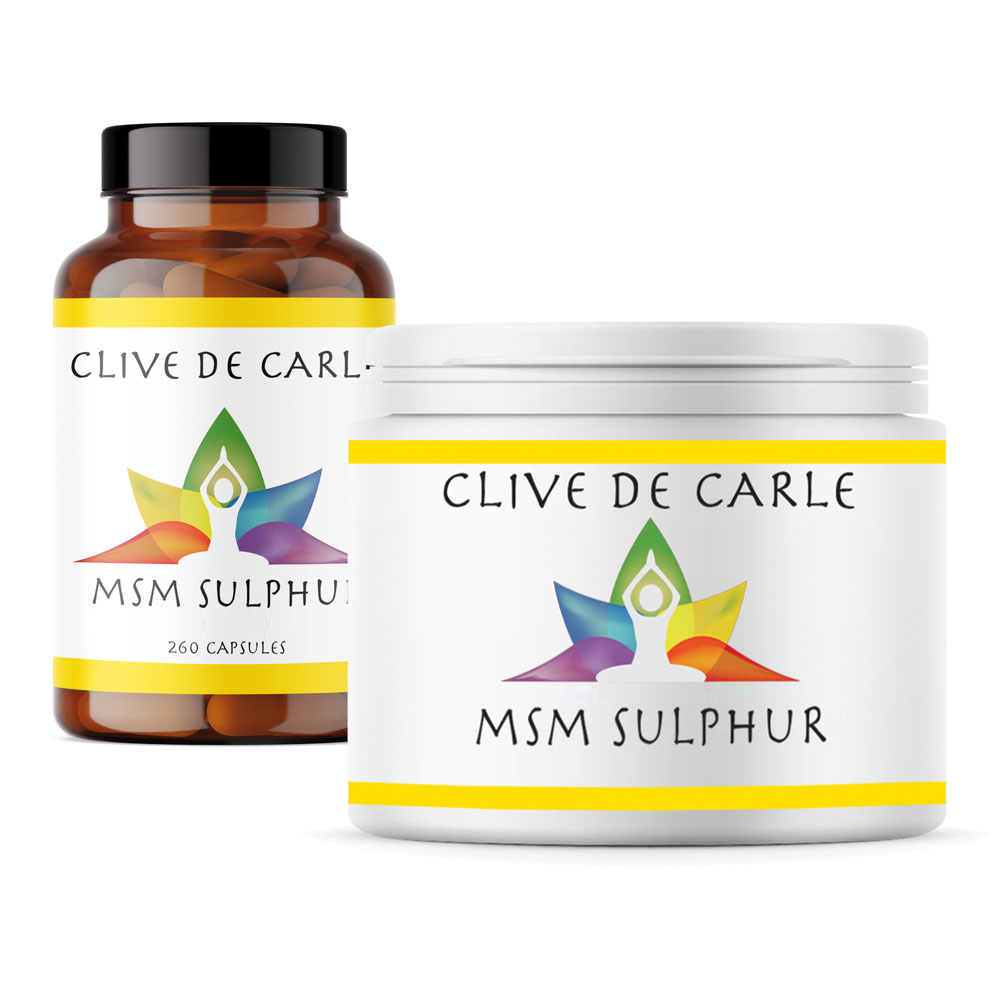
MSM Sulphur – Nature’s Forgotten Mineral
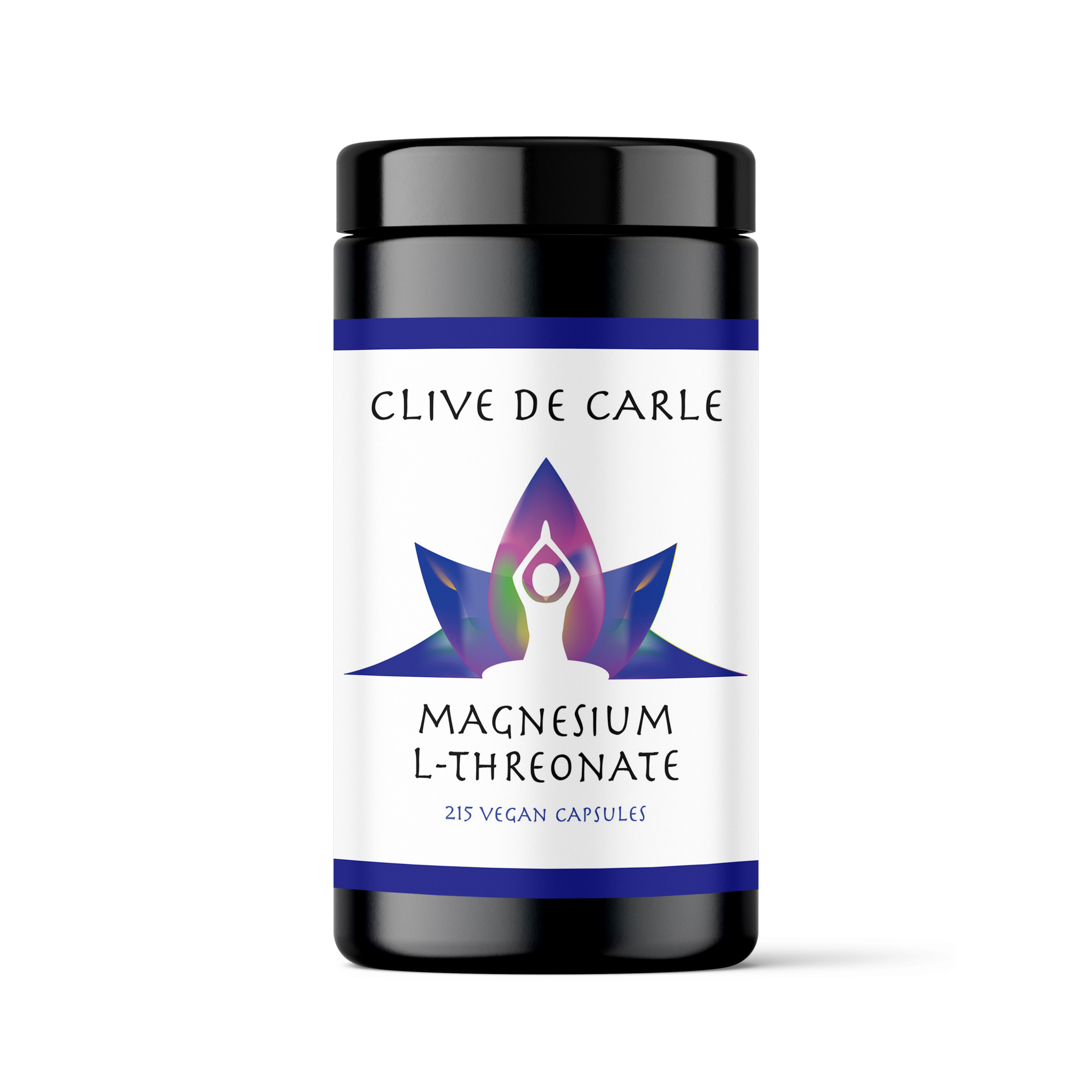
Magnesium L-Threonate
INNERSTANDING may earn a commission on purchases made through these links. All products are selected based on rigorous educational relevance to our biological research.
RABBIT HOLE
Follow the biological thread deeper