Perchlorate Contamination and Iodine Uptake: Environmental Impediments to Endocrine Homeostasis
A comprehensive educational analysis of the biochemical competition between perchlorate and iodine, exploring how industrial contaminants disrupt the sodium-iodide symporter and the role of iodine loading in restoring thyroid health.
# Introduction: The Invisible Barrier to Endocrine Health In the modern landscape of environmental medicine, the relationship between iodine and thyroid function is increasingly complicated by the presence of competitive inhibitors that disrupt the delicate balance of our hormonal systems. While iodine deficiency was once considered a relic of the past—often associated with the historical 'goitre belt'—current research suggests that we are facing a new, more insidious threat. This threat does not necessarily stem from a lack of iodine in the soil alone, but from the presence of chemical antagonists that block its absorption. Among these, perchlorate stands out as a primary offender. At INNERSTANDING, we aim to peel back the layers of environmental toxicity to reveal the root causes of endocrine dysfunction.
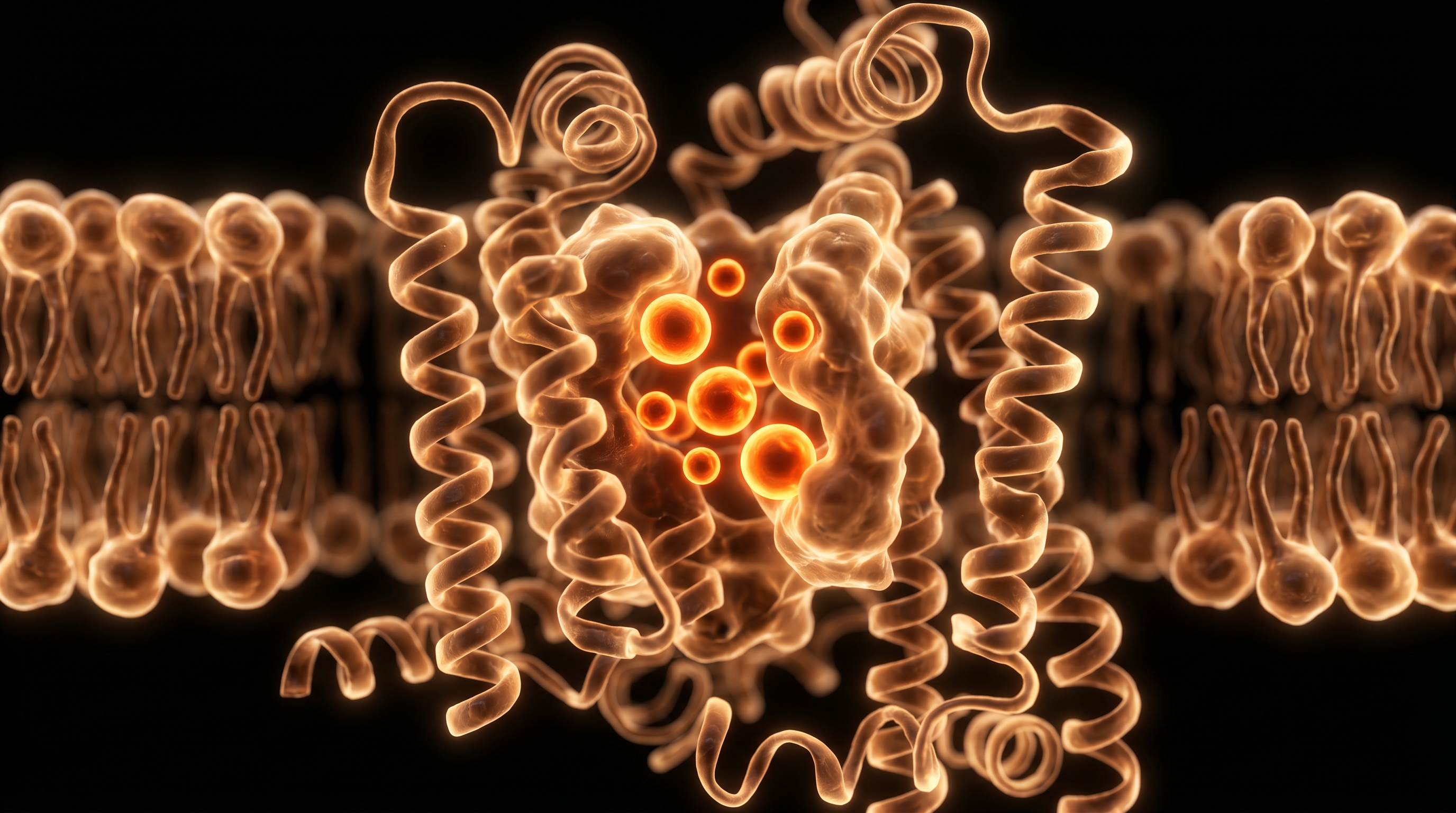
This article explores the biochemical mechanism of perchlorate contamination and how it serves as a formidable impediment to endocrine homeostasis, particularly within the context of iodine loading protocols. # The Sodium-Iodide Symporter (NIS): The Biological Gateway To understand how perchlorate disrupts the body, one must first understand the mechanism by which the thyroid gland captures iodine. The thyroid is a highly specialised organ that requires iodine to produce its two primary hormones: thyroxine (T4) and triiodothyronine (T3). The entry of iodine into the thyroid follicular cells is mediated by the Sodium-Iodide Symporter (NIS), a protein located on the basolateral membrane of these cells. The NIS acts as a pump, utilising the energy generated by the sodium-potassium ATPase to transport iodide ions from the bloodstream into the thyroid. This process is remarkably efficient, allowing the thyroid to maintain concentrations of iodine that are 20 to 50 times higher than those found in the blood.
However, the NIS is not a perfectly selective gatekeeper. It is designed to transport monovalent anions of a specific size and charge, and this is where the vulnerability lies. # Perchlorate: The Competitive Antagonist Perchlorate (ClO4-) is a monovalent anion that possesses a molecular structure and ionic radius strikingly similar to that of iodide (I-). This structural mimicry allows perchlorate to bind to the NIS with extraordinary affinity. In fact, biochemical studies have demonstrated that perchlorate’s affinity for the symporter is approximately 30 times greater than that of iodide. This means that if both an iodide ion and a perchlorate ion are present in the vicinity of the NIS, the perchlorate ion is far more likely to be transported into the cell—or, more accurately, it binds so effectively that it blocks the transport of iodide.
This phenomenon is known as competitive inhibition. In the presence of perchlorate, the thyroid gland is effectively 'blind' to the iodine circulating in the blood, leading to a state of functional iodine deficiency even if dietary intake appears sufficient. This represents a fundamental environmental impediment to homeostasis that cannot be resolved through standard nutritional advice alone. # Environmental Origins: From Rocket Fuel to the Dinner Plate The prevalence of perchlorate in our environment is a consequence of both industrial activity and natural occurrences. Historically, perchlorate has been a staple in the aerospace and defence industries, serving as a powerful oxidising agent in solid rocket propellants, missiles, and explosives. It is also used in the manufacturing of fireworks, road flares, and matches.
Beyond these industrial applications, perchlorate is found in certain natural fertiliser deposits, particularly those imported from Chile (Chilean nitrate), which were used extensively in the 20th century. In the United Kingdom and across Europe, perchlorate has become a contaminant of concern due to its high solubility and stability in water. It migrates easily through soil and into groundwater, where it can remain for decades. From the water supply, it enters the food chain, accumulating in leafy vegetables like spinach and kale, as well as in dairy products when livestock consume contaminated water and feed. This is often an overlooked root cause in patients presenting with thyroid resistance. # The Cascade of Dysfunction: Hypothyroidism and Beyond The primary consequence of perchlorate-induced NIS blockade is a reduction in the synthesis of thyroid hormones.
When intracellular iodine levels drop, the thyroid can no longer meet the metabolic demands of the body. In response, the pituitary gland increases its production of thyroid-stimulating hormone (TSH) in an attempt to force the thyroid into greater activity. This can lead to thyroid enlargement (goitre) and the development of subclinical or overt hypothyroidism. The symptoms of this disruption are wide-ranging: persistent fatigue, unexplained weight gain, cold intolerance, cognitive 'fog', and mood disturbances. However, the implications extend beyond simple metabolism.
Thyroid hormones are critical for the regulation of gene expression in nearly every cell of the body. During pregnancy, even mild iodine deficiency caused by perchlorate exposure can have significant effects on fetal brain development, potentially leading to lower IQ and motor skill deficits in children. Addressing this requires a proactive strategy that moves beyond basic supplementation. # The INNERSTANDING Approach: Iodine Loading Protocols At INNERSTANDING, we believe that true health is achieved by addressing the root causes of disease. In the case of perchlorate contamination, the root cause is the competitive inhibition of iodine uptake. Recognising this allows us to shift our focus to specific 'Iodine Loading Protocols.' The goal of these protocols is to restore iodine sufficiency by leveraging the principles of concentration gradients.
By significantly increasing the amount of iodine available to the body—often through the use of Lugol’s iodine or high-dose potassium iodide—we can increase the probability of iodide ions successfully binding to the NIS despite the presence of perchlorate. This 'loading' phase is designed to saturate the thyroid and other iodine-dependent tissues, effectively displacing the perchlorate and restoring hormonal production. This process is essential for anyone living in areas with known industrial contamination or those who consume high amounts of commercially grown produce. # Supporting Co-factors and Systematic Restoration Iodine loading is a powerful tool, but it must be implemented with a comprehensive understanding of nutritional biochemistry. To successfully overcome environmental impediments like perchlorate, the body requires specific co-factors. Selenium is perhaps the most critical, as it is a component of the deiodinase enzymes that convert T4 into the active T3 hormone.
Furthermore, selenium protects the thyroid from the oxidative stress that can occur when iodine levels are rapidly increased. Magnesium, vitamin C, and B-vitamins (particularly B2 and B3) are also essential for supporting the cellular energy production needed for NIS function. A systematic approach to restoration involves not only increasing iodine intake but also supporting the body’s detoxification pathways and ensuring that the nutritional foundation is solid. This holistic perspective ensures that the endocrine system can return to a state of homeostasis even in a contaminated world. # Conclusion: Reclaiming Endocrine Sovereignty The challenge of perchlorate contamination is a testament to the complex relationship between our environment and our health. As an invisible competitor for iodine, perchlorate poses a significant risk to thyroid function and overall metabolic vitality.
However, by understanding the mechanism of the Sodium-Iodide Symporter and the kinetics of competitive inhibition, we can take proactive steps to protect ourselves. Through the application of iodine loading protocols and the strategic use of nutritional co-factors, it is possible to bypass these environmental impediments. At INNERSTANDING, we are dedicated to providing the educational framework necessary for individuals to navigate these challenges and reclaim their endocrine sovereignty.
This article is provided for informational and educational purposes only. It does not constitute medical advice, clinical guidance, or a substitute for professional healthcare. Information reflects cited research at time of publication. Always consult a qualified healthcare professional before acting on any health information.
RESEARCH FOUNDATIONS
Biological Credibility Archive
Citations provided for educational reference. Verify via PubMed or institutional databases.
Medical Disclaimer
The information in this article is for educational purposes only and does not constitute medical advice, diagnosis, or treatment. Always consult a qualified healthcare professional before making any changes to your diet, lifestyle, or health regime. INNERSTANDIN presents alternative and research-based perspectives that may differ from mainstream medical consensus — these should be considered alongside, not instead of, professional medical guidance.
Read Full DisclaimerReady to learn more?
Continue your journey through our classified biological research.
THE ARSENAL
Based on Iodine Deficiency & Thyroid Loading Protocols — products curated by our research team for educational relevance and biological support.
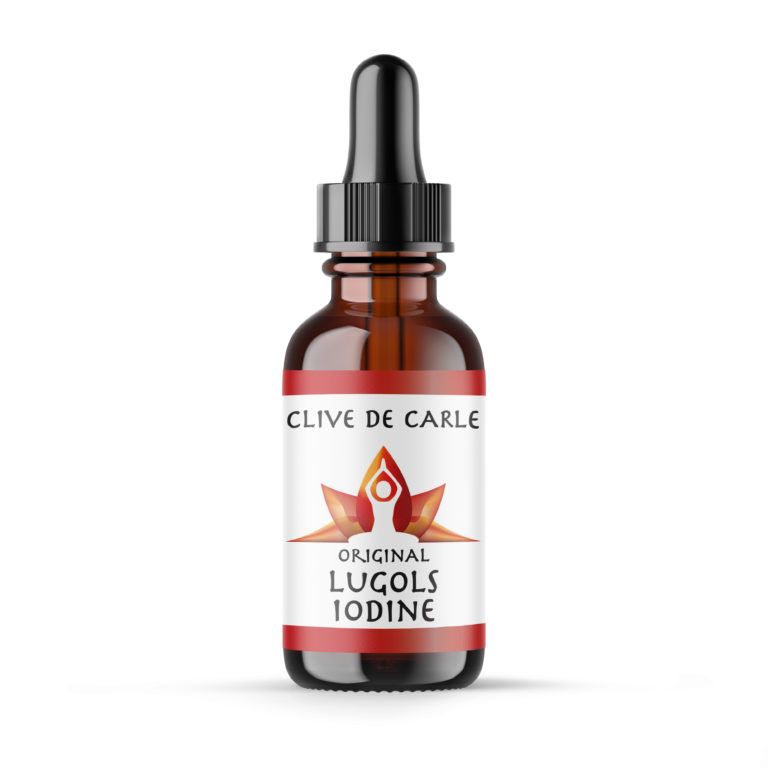
Lugol’s Iodine – Hormonal Issues, Menopause, Immune System, Brain Fog, Memory, Thyroid, Dry Skin
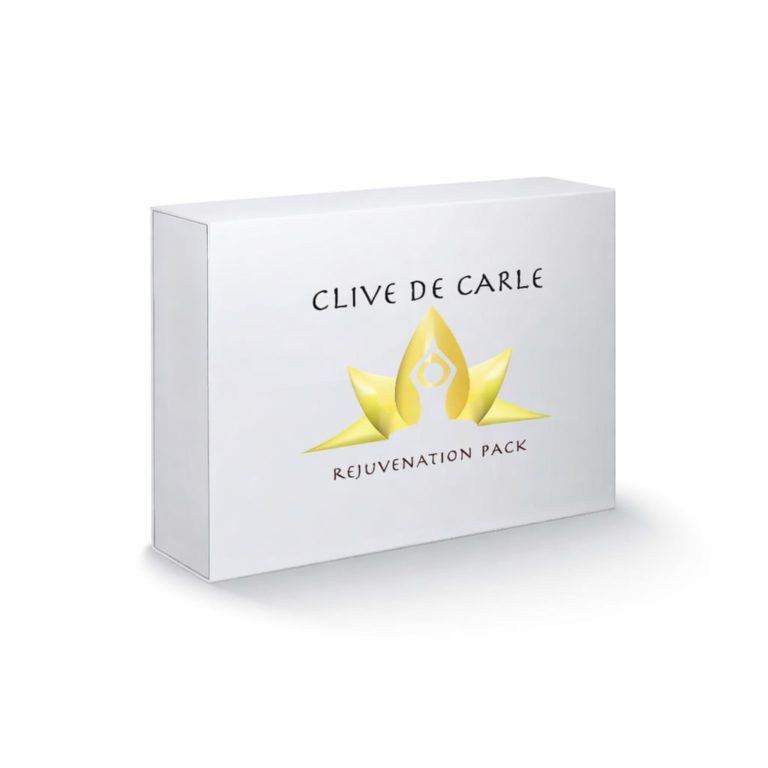
Rejuvenation Pack – Essential Vitamins and Minerals for Health Restoration
INNERSTANDING may earn a commission on purchases made through these links. All products are selected based on rigorous educational relevance to our biological research.
RABBIT HOLE
Follow the biological thread deeper