The Halogen Trap: Competitive Inhibition of Iodine by Fluoride and Bromide in the Sodium-Iodide Symporter
An in-depth exploration of how environmental halogens like fluoride and bromide compete with iodine for uptake in the thyroid gland via the Sodium-Iodide Symporter (NIS), leading to widespread endocrine disruption and the necessity of targeted iodine loading protocols.
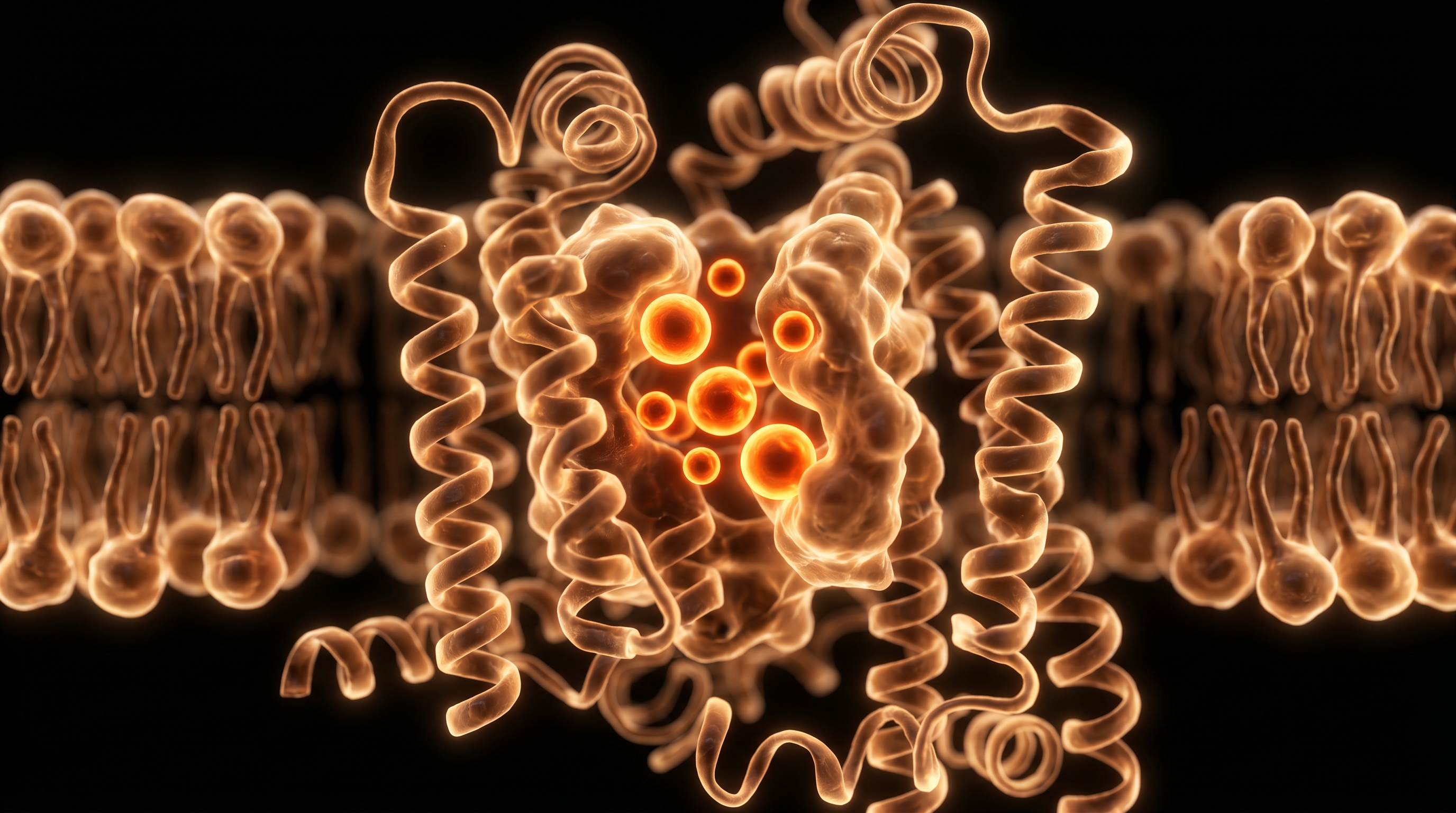
# The Halogen Trap: Competitive Inhibition of Iodine by Fluoride and Bromide in the Sodium-Iodide Symporter ## Introduction: The Hidden Conflict in Our Cells In the realm of functional endocrinology, few concepts are as critical yet misunderstood as the 'Halogen Trap.' While iodine is widely recognized as the primary fuel for thyroid hormone production, its biological journey is frequently sabotaged by a group of chemical cousins known as halogens. On the periodic table, Group 17 consists of Fluorine, Chlorine, Bromine, Iodine, and Astatine. Due to their similar outer shell electron configurations, these elements share chemical properties that allow them to compete for the same receptors and transport mechanisms in the human body. For the health-conscious individual in the UK, understanding this competitive inhibition is the first step toward addressing the root causes of metabolic slowdown, cognitive fatigue, and hormonal imbalance. ## The Sodium-Iodide Symporter (NIS): The Gatekeeper The primary mechanism for iodine uptake is the Sodium-Iodide Symporter (NIS), a specialized protein located in the basolateral membrane of thyroid follicular cells. The NIS acts as a cellular pump, pulling iodide ions from the bloodstream into the thyroid against a steep concentration gradient.
This process is energy-dependent, requiring ATP and a delicate balance of sodium. However, the NIS is not exclusively selective for iodine. It possesses an affinity for other ions of similar size and charge. This is where the 'trap' begins. When the body is burdened with high levels of fluoride or bromide, these ions 'clog' the NIS, effectively blocking iodine from entering the thyroid.
This competitive inhibition means that even if an individual consumes the RDA of iodine, their cells may remain in a state of functional deficiency because the doorway is blocked by toxic mimics. ## Fluoride: The Stealth Competitor Fluoride is perhaps the most pervasive halogen competitor in modern life. In many parts of the UK, fluoride is added to the public water supply under the guise of dental health. From a biochemical perspective, fluoride is the most electronegative element, giving it a high reactivity and a strong affinity for mineralized tissues and transport proteins. Research suggests that fluoride can alter the expression of the NIS protein itself and interfere with the enzymes (such as thyroid peroxidase) required to attach iodine to tyrosine molecules to form T3 and T4. Because fluoride ions are smaller and more reactive than iodide ions, they can easily outcompete iodine for space on the symporter, leading to a state of secondary iodine deficiency even in iodine-replete environments. ## Bromide: The Ubiquitous Disruptor While fluoride is often discussed, bromide is the 'silent' halogen that has quietly saturated our environment.
Historically used as a sedative, bromide is now found in various industrial and consumer products. In the food industry, potassium bromate is used as a dough conditioner in commercial baking (though restricted in the UK, brominated residues often appear in imported processed goods). More critically, brominated flame retardants (BFRs) are found in furniture, electronics, and clothing. These chemicals leach into house dust and are absorbed through the skin or inhaled. Bromide is particularly insidious because it has a long half-life in the human body.
When bromide levels rise, the kidneys prioritize the excretion of iodide over bromide, further depleting the body's iodine stores. This creates a vicious cycle where bromide accumulation leads to iodine loss, which in turn makes the thyroid more vulnerable to further bromide uptake. ## The Biological Fallout: Beyond the Thyroid The consequences of the Halogen Trap extend far beyond simple fatigue. Because every tissue in the body—including the breasts, prostate, ovaries, and brain—contains iodine receptors, the displacement of iodine by fluoride and bromide has systemic effects. In the brain, iodine deficiency during developmental years (or functional deficiency due to halogen interference) is linked to lower IQ and impaired cognitive function. In reproductive health, iodine acts as a protective antioxidant; when replaced by bromide, the risk of fibrocystic breast disease and other estrogen-sensitive conditions increases.
The 'trap' essentially leaves these tissues vulnerable to oxidative stress and cellular mutation. ## Breaking the Trap: The Iodine Loading Protocol To overcome competitive inhibition, a 'root-cause' approach focuses on displacement. This is the logic behind Iodine Loading Protocols. By introducing higher, orthomolecular doses of iodine (often in the form of Lugol's solution or Iodoral), we can create a 'mass action' effect. The high concentration of iodide ions increases the pressure on the NIS, eventually forcing the displaced fluoride and bromide ions out of the symporter and back into the bloodstream for excretion. However, this process must be managed carefully.
As halogens are displaced, they can cause 'detox reactions'—often referred to as the 'Bromide Flu'—which include symptoms like acne, headaches, and irritability. ## The Role of Co-factors A loading protocol is incomplete without its supporting cast. To safely navigate the Halogen Trap, the following co-factors are essential: 1. Selenium: Necessary for the conversion of T4 to T3 and for the production of glutathione peroxidase, which protects the thyroid from the hydrogen peroxide generated during iodine processing. 2. Unrefined Sea Salt: The chloride in high-quality salt helps the kidneys flush out the displaced bromide. 3. Vitamin C: Supports the NIS mechanism and reduces oxidative stress during the displacement phase. 4. Magnesium: Often depleted in those with halogen toxicity, magnesium is required for the ATP-dependent NIS pump to function efficiently. ## Conclusion: Reclaiming Endocrine Sovereignty The Halogen Trap is a modern environmental challenge, but it is not an insurmountable one. By recognizing that fluoride and bromide are active competitors for our metabolic health, we can shift our focus from merely 'taking a multivitamin' to actively managing our internal chemistry. Reducing environmental exposure—through water filtration and choosing bromide-free products—combined with a structured iodine loading protocol, allows the body to purge these toxic mimics. At INNERSTANDING, we believe that true health begins with understanding these molecular hierarchies, allowing us to restore the iodine levels necessary for vitality, clarity, and long-term wellness.
This article is provided for informational and educational purposes only. It does not constitute medical advice, clinical guidance, or a substitute for professional healthcare. Information reflects cited research at time of publication. Always consult a qualified healthcare professional before acting on any health information.
RESEARCH FOUNDATIONS
Biological Credibility Archive
Citations provided for educational reference. Verify via PubMed or institutional databases.
Medical Disclaimer
The information in this article is for educational purposes only and does not constitute medical advice, diagnosis, or treatment. Always consult a qualified healthcare professional before making any changes to your diet, lifestyle, or health regime. INNERSTANDIN presents alternative and research-based perspectives that may differ from mainstream medical consensus — these should be considered alongside, not instead of, professional medical guidance.
Read Full DisclaimerReady to learn more?
Continue your journey through our classified biological research.
DISCUSSION ROOM
Members of THE COLLECTIVE discussing "The Halogen Trap: Competitive Inhibition of Iodine by Fluoride and Bromide in the Sodium-Iodide Symporter"
SILENT CHANNEL
Be the first to discuss this article. Your insight could help others understand these biological concepts deeper.
THE ARSENAL
Based on Iodine Deficiency & Thyroid Loading Protocols — products curated by our research team for educational relevance and biological support.
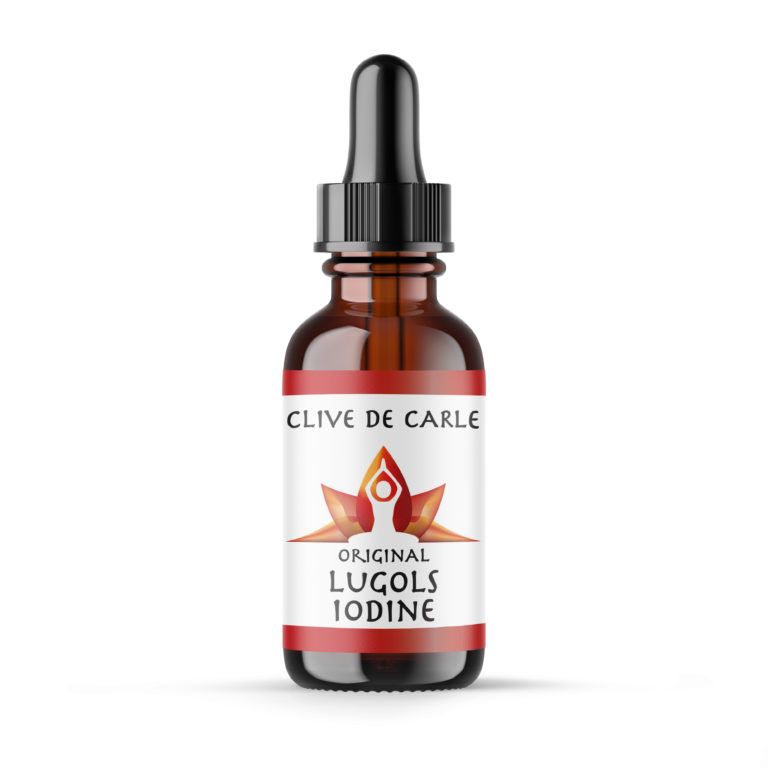
Lugol’s Iodine – Hormonal Issues, Menopause, Immune System, Brain Fog, Memory, Thyroid, Dry Skin
Rejuvenation Pack – Essential Vitamins and Minerals for Health Restoration
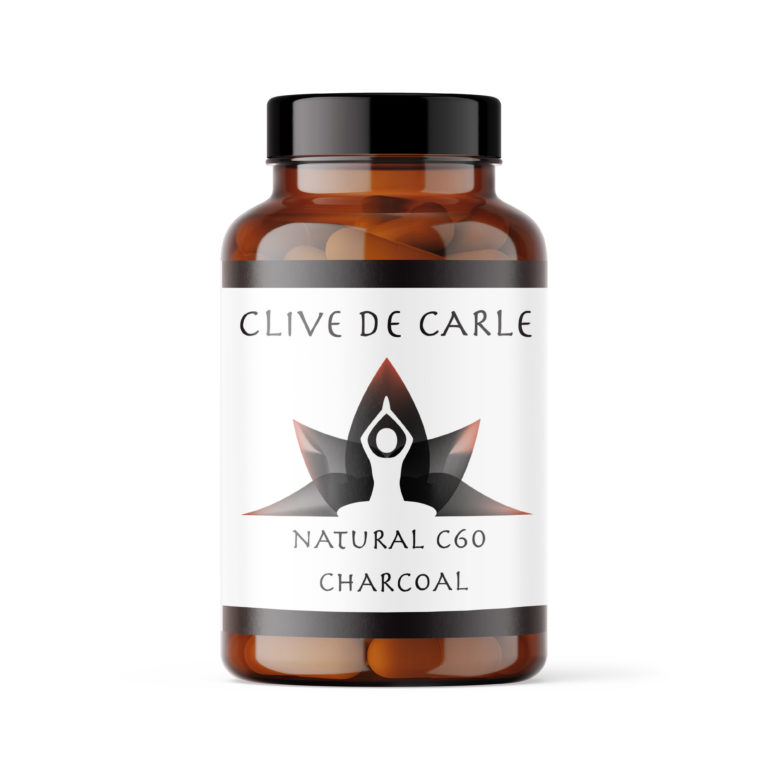
C60 Charcoal – Supports Healthy Digestion and Detoxification.
INNERSTANDING may earn a commission on purchases made through these links. All products are selected based on rigorous educational relevance to our biological research.
RABBIT HOLE
Follow the biological thread deeper