The Wolff-Chaikoff Effect vs. Escape Mechanism: Decoding Cellular Responses to High-Dose Iodine
An in-depth exploration of how the human thyroid gland regulates high-dose iodine intake through transient suppression and subsequent cellular adaptation, providing a physiological foundation for iodine loading protocols.

# The Wolff-Chaikoff Effect vs. Escape Mechanism: Decoding Cellular Responses to High-Dose Iodine In the realm of nutritional endocrinology, few topics spark as much debate as iodine supplementation. Within the UK health landscape, where iodine deficiency remains a silent concern particularly for women of childbearing age, understanding the thyroid’s response to high-dose protocols is essential. To navigate the complexities of iodine loading, one must master two fundamental physiological phenomena: the Wolff-Chaikoff effect and the subsequent escape mechanism. These processes represent the thyroid's sophisticated bio-intelligence, designed to maintain hormonal equilibrium in the face of fluctuating mineral availability. ## The Evolutionary Context of Iodine Sensitivity The thyroid gland is a master regulator of metabolism, but it is also highly sensitive to its primary fuel: iodine.
Because the body cannot synthesise iodine, it has evolved intricate mechanisms to capture it from the environment via the Sodium-Iodide Symporter (NIS). Historically, iodine was scarce, leading to a thyroid that is exceptionally efficient at sequestering even trace amounts. However, when modern loading protocols introduce high doses (often using Lugol’s solution or high-potency tablets), the gland encounters a concentration far exceeding its daily metabolic requirement. This is where the Wolff-Chaikoff effect begins. ## Defining the Wolff-Chaikoff Effect Discovered in 1948 by Jan Wolff and Israel Lyon Chaikoff at the University of California, this effect describes a transient reduction in thyroid hormone synthesis when plasma inorganic iodide levels reach a critical threshold. Contrary to the fear that iodine 'shuts down' the thyroid permanently, the Wolff-Chaikoff effect is an acute, protective autoregulatory response.
When the concentration of inorganic iodide within the thyroid follicle reaches a specific saturation point, the organification of iodine—the process where iodine is attached to thyroglobulin to create T3 and T4—is temporarily inhibited. The biochemical catalyst for this is the inhibition of Thyroid Peroxidase (TPO), the enzyme responsible for oxidising iodide. By slowing down TPO activity, the gland prevents the overproduction of thyroid hormones (thyrotoxicosis), effectively hitting a 'pause' button on hormone assembly. ## The Biochemistry of Suppression The mechanism involves the formation of inhibitory substances such as iodolipids (like 6-iodolactone) and iodinated aldehydes. These molecules act as intracellular signals that tell the thyroid to stop further organification. From a root-cause perspective, this isn't a failure of the gland but a sign of a high-functioning feedback loop.
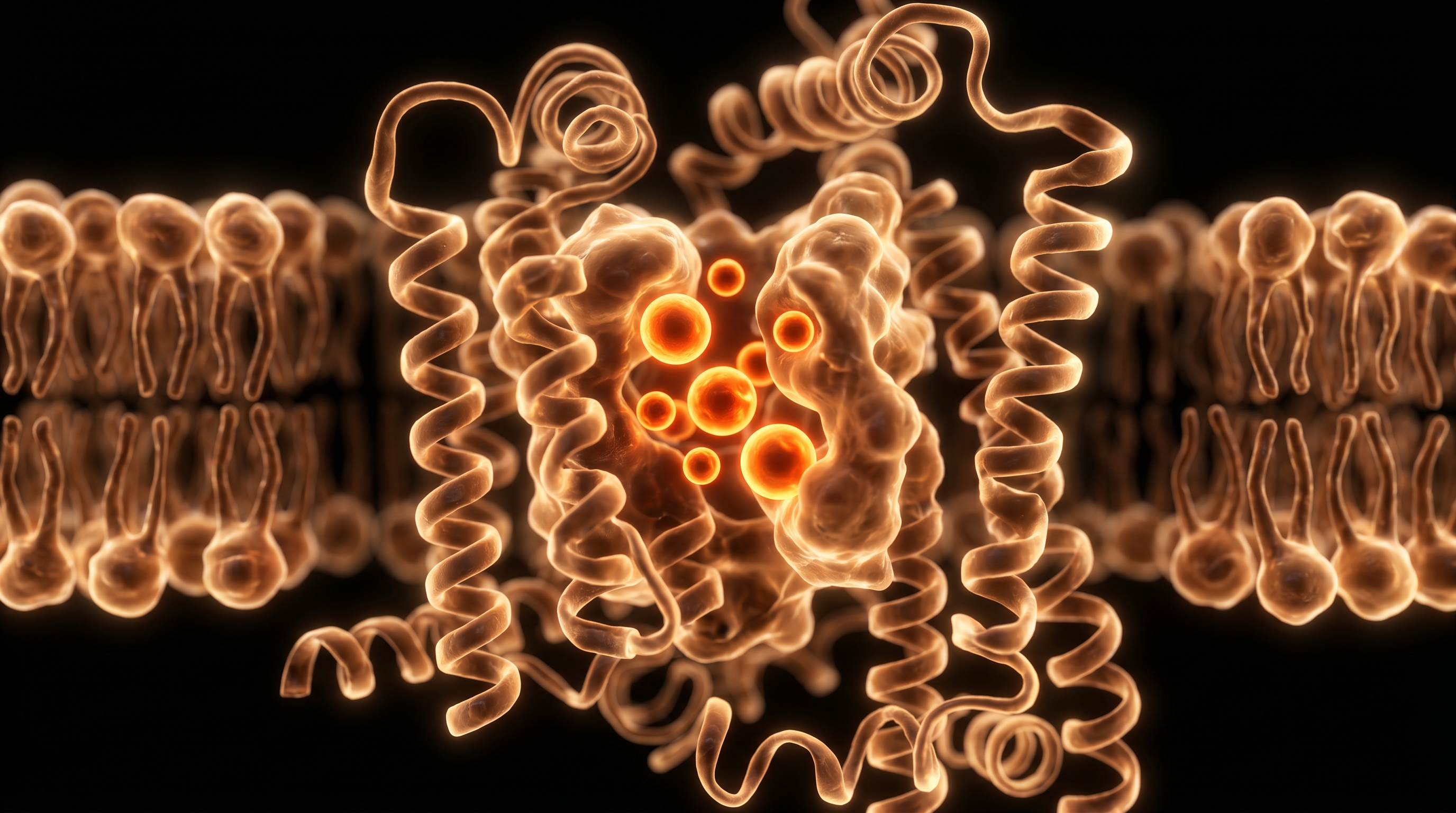
It ensures that the sudden influx of raw material does not lead to a metabolic surge that would stress the cardiovascular and nervous systems. In most healthy individuals, this suppression lasts for approximately 24 to 48 hours. ## The Escape Mechanism: The Thyroid’s Fail-Safe If the Wolff-Chaikoff effect were permanent, high-dose iodine would inevitably lead to hypothyroidism. However, the thyroid possesses a second, even more remarkable adaptive trait known as the 'escape' phenomenon. This occurs when the gland recognises that the high-iodine environment is persistent and adapts to restore normal hormone synthesis. The escape mechanism is driven by the downregulation of the Sodium-Iodide Symporter (NIS).
To lower the internal concentration of iodide to a level where TPO can function again, the thyroid simply reduces the number of 'pumps' on the cell membrane that bring iodine in. By decreasing NIS expression, the intracellular iodide levels drop below the inhibitory threshold required for the Wolff-Chaikoff effect. As a result, the organification of iodine resumes, and the gland returns to a state of homeostasis, even in the presence of continued high-dose supplementation. This transition typically occurs within 10 to 14 days of sustained iodine intake. ## Clinical Implications for Iodine Loading Protocols Understanding these mechanisms is vital for anyone following an iodine loading programme. Many patients and practitioners misinterpret the temporary rise in TSH (Thyroid Stimulating Hormone) during the Wolff-Chaikoff phase as a sign of induced hypothyroidism.
Energy Blend Supports
Energy Blend is a comprehensive formula designed to fuel your body at a cellular level, promoting sustained physical stamina and mental clarity without synthetic spikes. It targets fundamental metabolic pathways to ensure your nervous system and hormonal activity remain balanced and resilient.
Vetting Notes
Pending
In a functional medicine context, this rise in TSH is often not a sign of pathology but a physiological reaction to the transient decrease in T4 production. In most cases, TSH levels return to baseline once the escape mechanism is fully engaged. For those with underlying autoimmune conditions, such as Hashimoto’s thyroiditis, the escape mechanism can sometimes be impaired. In these individuals, the Wolff-Chaikoff effect might persist longer, leading to 'iodine-induced hypothyroidism.' This highlights the importance of the INNERSTANDING approach: focusing on the root cause by ensuring selenium, magnesium, and vitamin C levels are optimised before initiating high-dose iodine. These cofactors support the antioxidant defences of the thyroid, particularly the glutathione peroxidase system, which protects the gland during TPO activity. ## Navigating the Jod-Basedow Phenomenon While the Wolff-Chaikoff effect describes a shutdown, the Jod-Basedow phenomenon describes the opposite: iodine-induced hyperthyroidism.
This usually occurs in individuals with pre-existing autonomous thyroid nodules or long-standing deficiency who suddenly receive a large bolus of iodine. Their thyroid, having been 'starved' for years, lacks the regulatory brakes to prevent over-synthesis. By comparing these two responses, we see that the thyroid's primary goal is always balance. The Wolff-Chaikoff effect and the escape mechanism are the pillars of that balance for the majority of the population. ## Conclusion: The Intelligence of Cellular Autoregulation The Wolff-Chaikoff effect and the escape mechanism are not obstacles to health; they are sophisticated biological sentinels. By understanding that the thyroid possesses the capability to modulate its own iodine intake via NIS downregulation, we can approach iodine loading with confidence rather than fear.
When we respect the timeline of these mechanisms—allowing 10 to 14 days for the cellular 'escape' to occur—we allow the body to re-establish its metabolic set-point. At INNERSTANDING, we believe that true health education is about decoding these internal dialogues. Recognising that a temporary shift in biomarkers is often the body’s way of calibrating to a new nutritional status allows for a more nuanced and successful journey toward iodine sufficiency.
This article is provided for informational and educational purposes only. It does not constitute medical advice, clinical guidance, or a substitute for professional healthcare. Information reflects cited research at time of publication. Always consult a qualified healthcare professional before acting on any health information.
RESEARCH FOUNDATIONS
Biological Credibility Archive
Citations provided for educational reference. Verify via PubMed or institutional databases.
Medical Disclaimer
The information in this article is for educational purposes only and does not constitute medical advice, diagnosis, or treatment. Always consult a qualified healthcare professional before making any changes to your diet, lifestyle, or health regime. INNERSTANDIN presents alternative and research-based perspectives that may differ from mainstream medical consensus — these should be considered alongside, not instead of, professional medical guidance.
Read Full DisclaimerReady to learn more?
Continue your journey through our classified biological research.
THE ARSENAL
Based on Iodine Deficiency & Thyroid Loading Protocols — products curated by our research team for educational relevance and biological support.
Rejuvenation Pack – Essential Vitamins and Minerals for Health Restoration
Energy Blend Supports
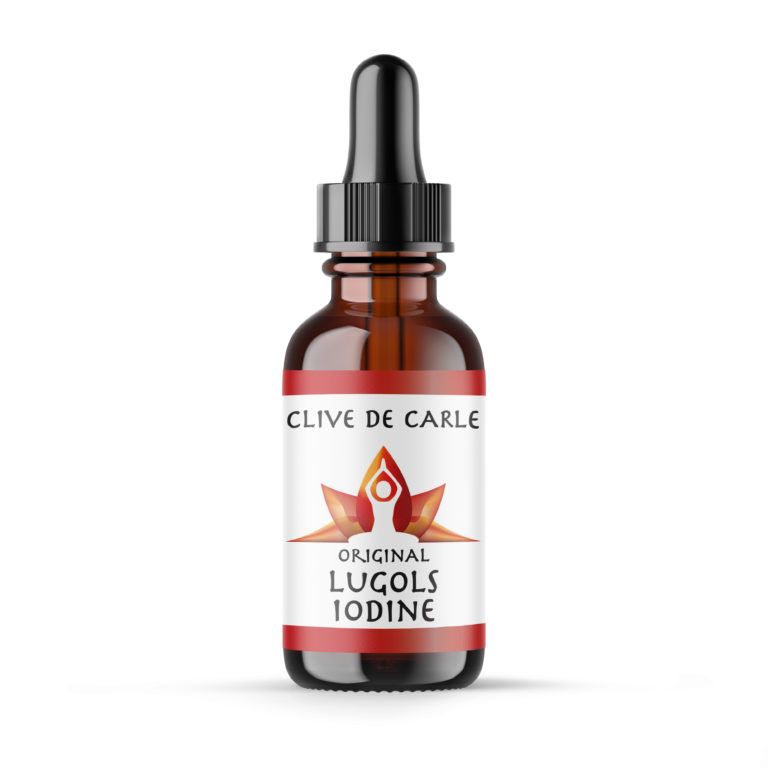
Lugol’s Iodine – Hormonal Issues, Menopause, Immune System, Brain Fog, Memory, Thyroid, Dry Skin
INNERSTANDING may earn a commission on purchases made through these links. All products are selected based on rigorous educational relevance to our biological research.
RABBIT HOLE
Follow the biological thread deeper