Iodine-Induced Apoptosis in Malignant Cells: Mechanistic Insights into Anti-Proliferative Loading Protocols
A comprehensive analysis of how molecular iodine and its lipid derivatives, specifically delta-iodolactone, facilitate programmed cell death in malignant tissues, alongside a guide to the clinical loading protocols required for cellular saturation.
# Iodine-Induced Apoptosis in Malignant Cells: Mechanistic Insights into Anti-Proliferative Loading Protocols ## The Forgotten Guardian of Cellular Integrity In the modern landscape of British healthcare and nutritional science, iodine is frequently relegated to a singular, narrow role: the synthesis of thyroid hormones T4 and T3. While thyroid health is undeniably vital, the educational platform INNERSTANDING seeks to illuminate a more profound biological reality. Iodine is not merely a fuel for the thyroid gland; it is an ancient, evolutionary guardian of cellular integrity found in every one of the trillions of cells in the human body. Beyond its endocrine functions, iodine acts as a potent anti-proliferative agent, particularly within the 'iodine-concentrating' tissues of the breast, prostate, ovaries, and gastrointestinal tract. When iodine levels fall below a specific threshold, these tissues lose their primary mechanism for regulating cell growth, potentially leading to the development of cysts, hyperplasia, and eventually, malignancy.
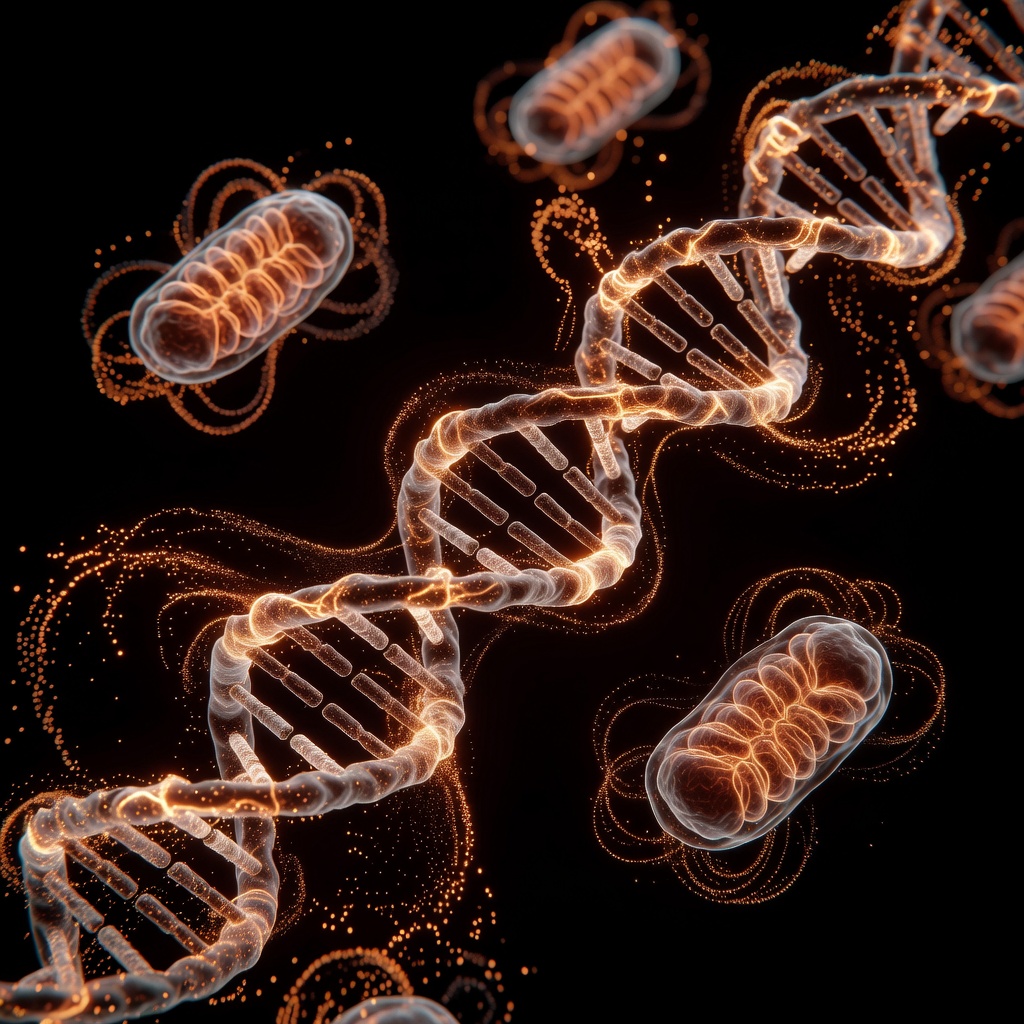
This article explores the biochemical pathways through which iodine induces apoptosis (programmed cell death) and the rationale for the 'Thyroid Loading Protocols' designed to restore systemic sufficiency. ## The Biochemical Mechanism: The Power of Delta-Iodolactone The most compelling mechanism for iodine's anti-cancer effect is the formation of iodolipids. When molecular iodine (I2) is absorbed by extrathyroidal tissues via the sodium-iodide symporter (NIS) or through facilitated diffusion, it undergoes a reaction with arachidonic acid. This process, mediated by the enzyme lactoperoxidase, produces a specific compound known as 6-iodo-5-hydroxy-8,11,14-eicosatrienoic acid, or delta-iodolactone. This molecule is the 'master key' to iodine-induced apoptosis. Research indicates that delta-iodolactone acts as a potent ligand for peroxisome proliferator-activated receptors (PPARs), particularly PPAR-gamma.
Upon activation, these receptors influence gene expression by downregulating pro-proliferative genes like c-Myc and cyclin D1, while simultaneously upregulating pro-apoptotic factors. In malignant cells, which are characterised by their refusal to die, the introduction of delta-iodolactone serves as a biochemical signal that restores the 'death command.' This process effectively halts the uncontrolled replication of cells before they can form established tumours. ## Mitochondrial Stabilisation and the Intrinsic Pathway Beyond the formation of iodolipids, iodine exerts a direct influence on the mitochondria—the energy powerhouses of the cell. Malignant cells often exhibit the 'Warburg Effect,' where they shift from efficient mitochondrial respiration to inefficient fermentation. Iodine has been shown to induce a transition in mitochondrial membrane potential that triggers the release of cytochrome c. This release is a critical step in the intrinsic apoptotic pathway, leading to the activation of caspases—the 'executioner enzymes' that dismantle the cell from within.
Crucially, this iodine-induced apoptosis appears to be selective. Studies have demonstrated that while iodine triggers death in cancerous cell lines (such as MCF-7 breast cancer cells), it does not exert the same cytotoxic effect on healthy, non-transformed cells. This suggests that iodine sufficiency provides a form of 'biological surveillance' that selectively targets dysregulated cells. ## The Root Cause: The Halogen Displacement Theory To understand why iodine deficiency is so prevalent in the UK today, we must look at the 'Halogen Displacement' theory. Iodine is a halogen, sitting in the same column of the periodic table as fluorine, chlorine, and bromine. In a toxic modern environment, we are bombarded with these 'competing' halogens.
Bromide is found in commercial baked goods and plastics; fluoride is present in much of the UK's municipal water supply; and chlorine is used for water disinfection. These elements have a smaller atomic radius than iodine, allowing them to competitively inhibit the sodium-iodide symporter. Essentially, our cells are being filled with 'toxic lookalikes' that provide none of the anti-proliferative benefits of iodine. This displacement is a root cause of the widespread 'iodine deficiency' even in individuals who consume iodine-rich foods. The receptors are blocked, and the 'iodine shield' is compromised. ## Implementing the Anti-Proliferative Loading Protocol To overcome this halogen blockade and achieve the concentrations of iodine necessary to trigger apoptosis, standard Recommended Dietary Allowances (RDAs)—which are designed only to prevent goitre—are often insufficient.
The 'Iodine Loading Protocol,' pioneered by clinicians like Dr David Brownstein and adapted for the INNERSTANDING community, involves the use of Lugol's solution, which contains both potassium iodide (I-) and molecular iodine (I2). The distinction is vital: while the thyroid primarily utilizes iodide, the breasts and prostate prefer molecular iodine for the production of delta-iodolactone. A typical loading protocol involves a gradual titration of iodine dosage, often ranging from 12.5mg to 50mg or higher, under the guidance of a practitioner. This 'orthoiodosupplementation' aims to saturate the tissues and displace the accumulated bromide and fluoride. However, this process must be supported by specific co-factors to ensure safety and efficacy. ## The Essentiality of Co-factors (The INNERSTANDING Protocol) 1.
Selenium (200mcg daily): Selenium is the primary co-factor required for the production of glutathione peroxidase, which protects the thyroid gland from the hydrogen peroxide produced during iodine metabolism. Loading iodine without selenium can, in some cases, trigger thyroiditis. 2. Magnesium (400-600mg daily): Magnesium is required for the ATP-dependent transport of iodine into the cells. Many 'iodine failures' are actually undiagnosed magnesium deficiencies. 3. Unrefined Sea Salt (Celtic or Himalayan): The chloride in sea salt assists the kidneys in the excretion of the bromide that is displaced during the iodine loading process, preventing the 'bromide detox' symptoms such as acne and brain fog. 4.
Vitamin C (2-3g daily): Vitamin C helps to repair the sodium-iodide symporter (NIS) and supports the overall antioxidant status of the cell during the detoxification phase. ## Conclusion: Restoring the Evolutionary Baseline The rise of proliferative conditions in the 21st century—from fibrocystic breast disease to aggressive malignancies—is a signal that our internal environment is out of balance. By understanding the mechanistic role of iodine in inducing apoptosis, we move away from a model of fear and toward a model of biological empowerment. Restoring iodine to its rightful place in our cellular architecture through structured loading protocols is not just about thyroid health; it is about re-establishing the fundamental 'stop' signal that protects human life from the ground up. At INNERSTANDING, we believe that education is the first step toward this restoration. Iodine is the shield; we simply need to pick it back up.
This article is provided for informational and educational purposes only. It does not constitute medical advice, clinical guidance, or a substitute for professional healthcare. Information reflects cited research at time of publication. Always consult a qualified healthcare professional before acting on any health information.
RESEARCH FOUNDATIONS
Biological Credibility Archive
Citations provided for educational reference. Verify via PubMed or institutional databases.
Medical Disclaimer
The information in this article is for educational purposes only and does not constitute medical advice, diagnosis, or treatment. Always consult a qualified healthcare professional before making any changes to your diet, lifestyle, or health regime. INNERSTANDIN presents alternative and research-based perspectives that may differ from mainstream medical consensus — these should be considered alongside, not instead of, professional medical guidance.
Read Full DisclaimerReady to learn more?
Continue your journey through our classified biological research.
DISCUSSION ROOM
Members of THE COLLECTIVE discussing "Iodine-Induced Apoptosis in Malignant Cells: Mechanistic Insights into Anti-Proliferative Loading Protocols"
SILENT CHANNEL
Be the first to discuss this article. Your insight could help others understand these biological concepts deeper.
THE ARSENAL
Based on Iodine Deficiency & Thyroid Loading Protocols — products curated by our research team for educational relevance and biological support.
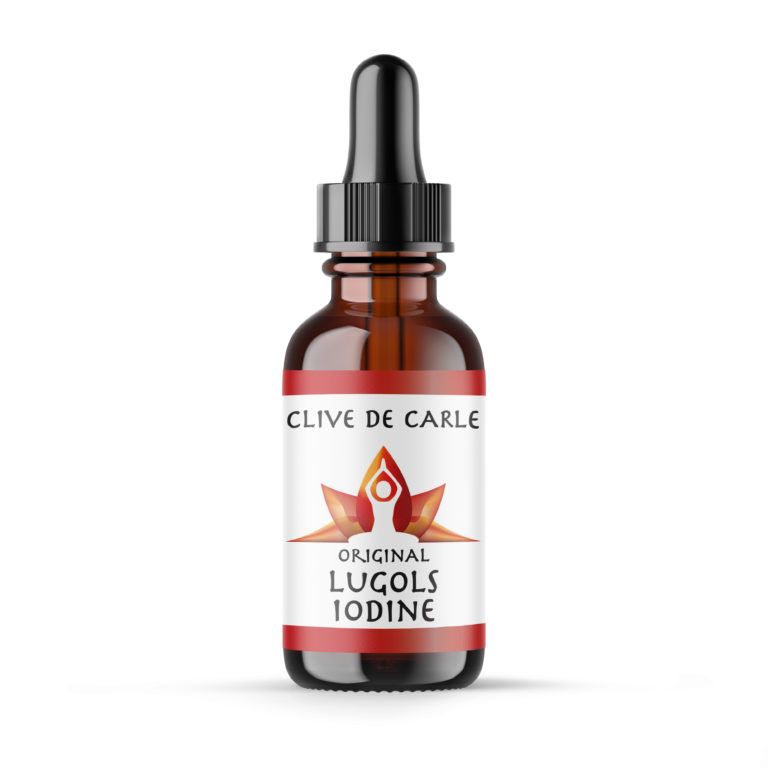
Lugol’s Iodine – Hormonal Issues, Menopause, Immune System, Brain Fog, Memory, Thyroid, Dry Skin

Rejuvenation Pack – Essential Vitamins and Minerals for Health Restoration
INNERSTANDING may earn a commission on purchases made through these links. All products are selected based on rigorous educational relevance to our biological research.
RABBIT HOLE
Follow the biological thread deeper