Extrathyroidal Iodine Requirements: Biological Roles in Breast Tissue, Salivary Glands, and Gastric Mucosa
An exploration of iodine's systemic necessity beyond the thyroid gland, detailing its critical antioxidant and structural functions within the breasts, gastric lining, and salivary glands as part of a root-cause approach to health.
# Extrathyroidal Iodine Requirements: Biological Roles in Breast Tissue, Salivary Glands, and Gastric Mucosa
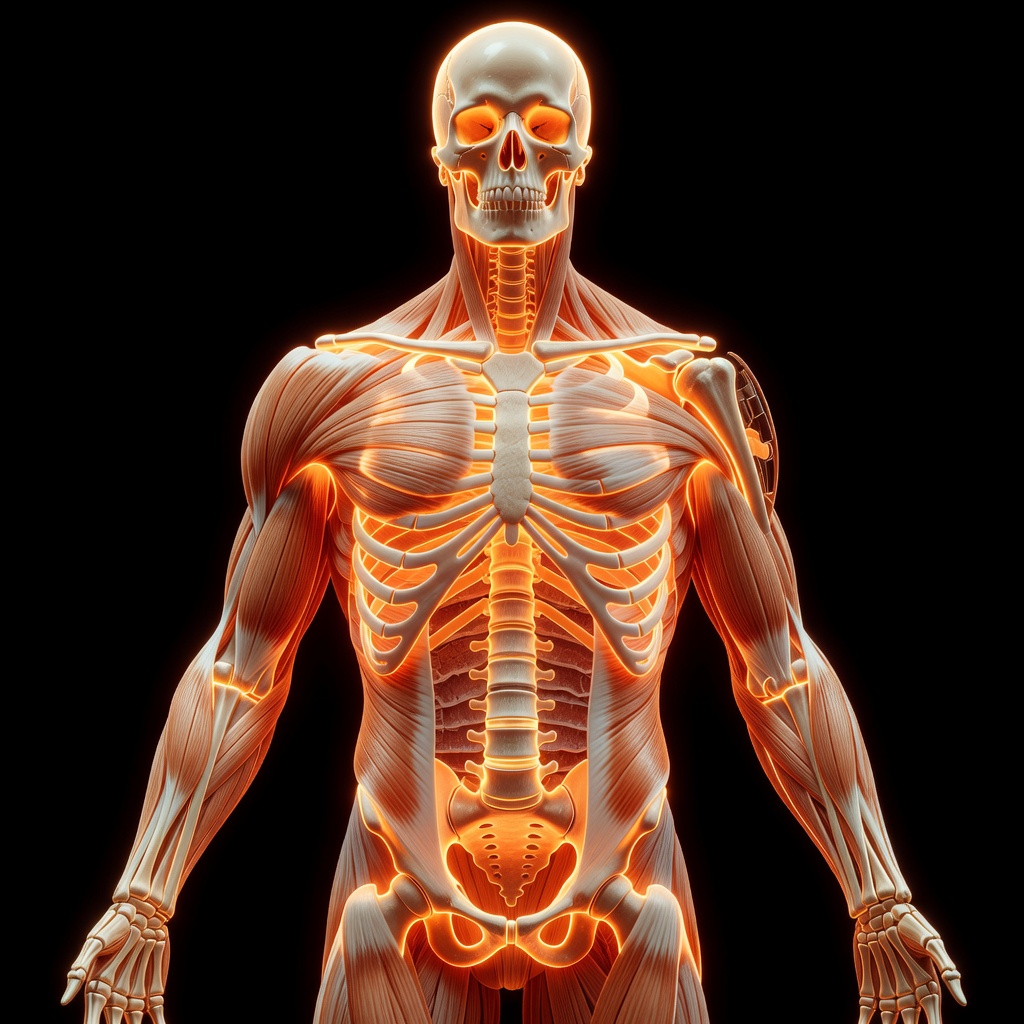
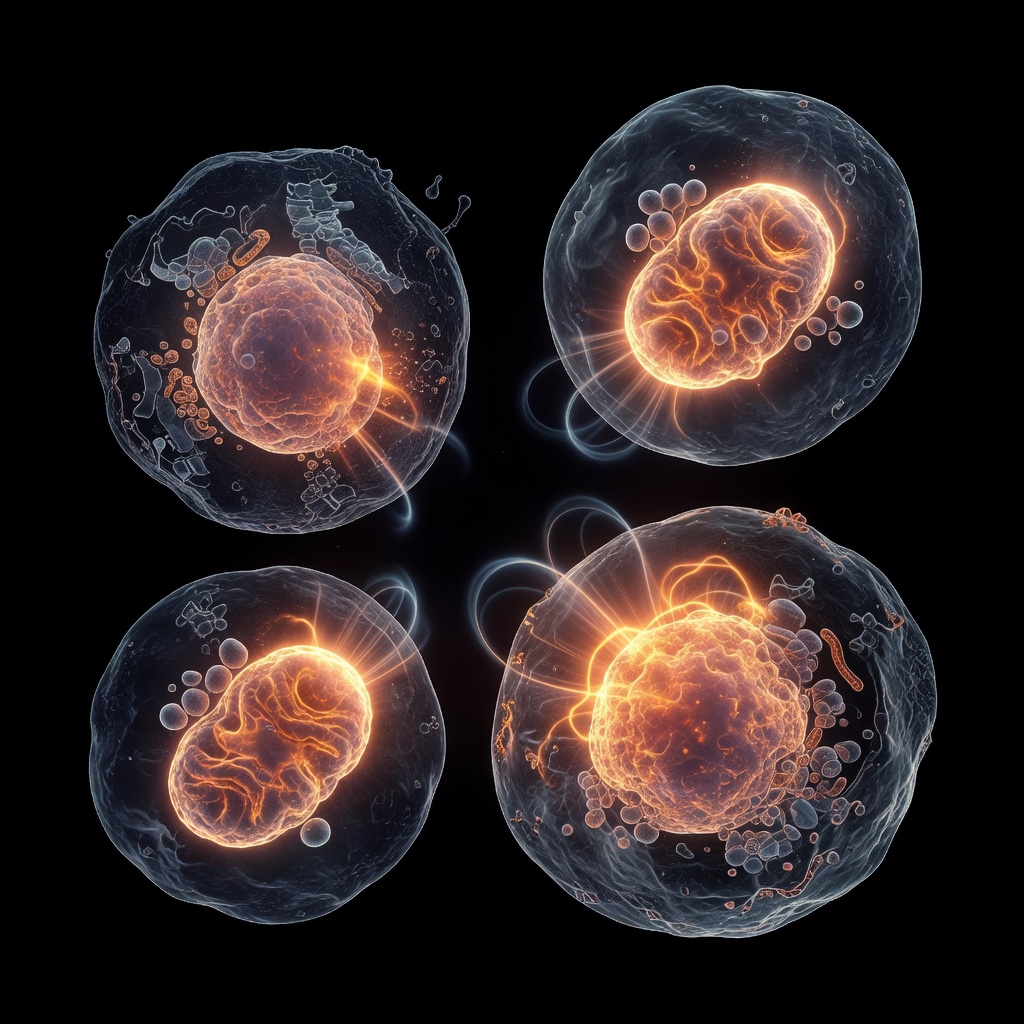
For decades, the narrative surrounding iodine has been almost exclusively thyroid-centric. In the UK, public health guidelines focus on preventing visible goitres and ensuring adequate thyroid hormone production (T4 and T3). However, a root-cause approach to health reveals that the thyroid is merely one of many organs that compete for available iodine. This article explores the biological requirements of extrathyroidal tissues—specifically the breast tissue, salivary glands, and gastric mucosa—and why the standard Recommended Dietary Allowance (RDA) may be insufficient for whole-body health.
The Sodium-Iodide Symporter (NIS): The Gatekeeper
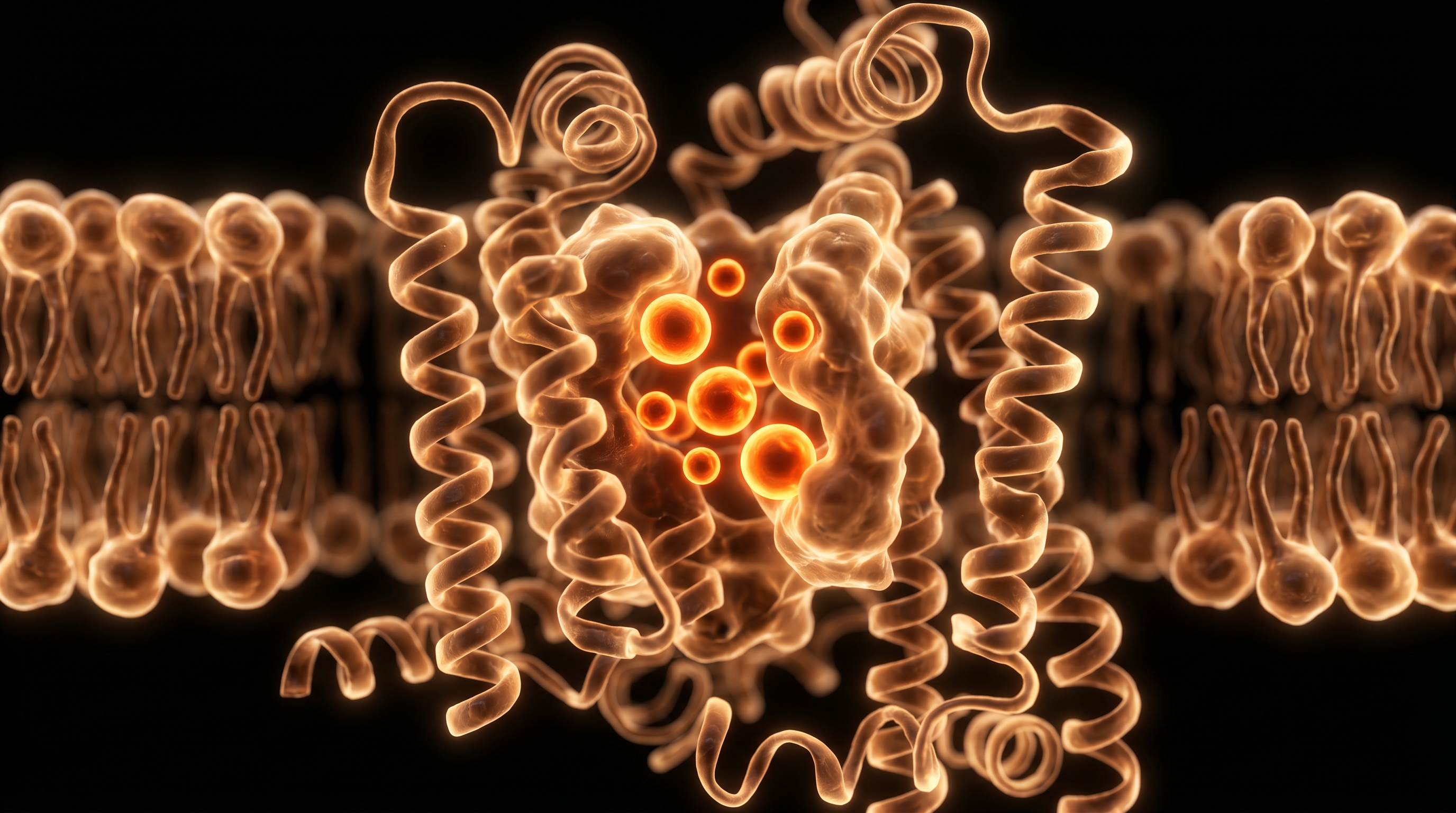
To understand why iodine is essential outside the thyroid, we must first look at the Sodium-Iodide Symporter (NIS). This transmembrane protein is the 'pump' responsible for transporting iodine from the bloodstream into the cells. While the thyroid possesses the highest concentration of NIS, these symporters are also expressed in the mammary glands, the salivary glands, the stomach lining (gastric mucosa), the ovaries, and even the eyes and brain.
The presence of NIS in these tissues suggests that iodine is not a bystander but a functional requirement for their physiological integrity. When iodine levels are low, the thyroid (driven by Thyroid Stimulating Hormone) becomes highly efficient at sequestering what little iodine is available, often leaving extrathyroidal tissues in a state of 'subclinical' deficiency.
Breast Tissue: Protection and Development
Perhaps the most significant extrathyroidal user of iodine is the human breast. From an evolutionary perspective, iodine is crucial for the development and maintenance of healthy breast tissue. Research indicates that while the thyroid prefers iodide (I-), breast tissue has a specific affinity for molecular iodine (I2).
In the breast, iodine acts as a potent antioxidant and a regulator of cellular architecture. It helps modulate the effects of oestrogen on breast tissue. When iodine is deficient, breast cells become more sensitive to oestrogen stimulation, which can lead to the development of fibrocystic breast disease—characterised by lumps, pain, and cysts. Clinical studies have shown that iodine supplementation can significantly reduce the symptoms of fibrocystic breasts. Furthermore, iodine plays a role in apoptosis (programmed cell death); iodine deficiency is theorised to be a contributing factor in the development of ductal hyperplasia, a precursor to breast cancer.
The Gastric Mucosa: The Stomach's Shield
The gastric mucosa (the lining of the stomach) also expresses high levels of NIS and concentrates iodine up to 100 times the concentration found in the blood. In the stomach, iodine serves as a primary antioxidant. It protects the lining from the oxidative stress caused by the highly acidic environment and the presence of various dietary toxins.
There is a compelling geographical correlation between iodine-deficient regions and higher rates of gastric cancer. Historically, researchers have noted that populations with high iodine intake (such as traditional Japanese diets) exhibit lower rates of both goitre and stomach cancer. Iodine appears to support the gastric barrier, potentially inhibiting the overgrowth of Helicobacter pylori, the bacteria primarily responsible for gastric ulcers and increased cancer risk.
Salivary Glands: Oral Immunity and Recycling
The salivary glands concentrate iodine and secrete it into the saliva. This process serves two main purposes. First, iodine acts as an antimicrobial agent within the oral cavity, helping to maintain a healthy microbiome and protect against pathogens that enter through the mouth.
Second, the secretion of iodine into the saliva creates an 'entero-salivary' cycle. Once swallowed, the iodine in the saliva is reabsorbed by the gastrointestinal tract. This recycling mechanism suggests that the body is evolved to conserve iodine aggressively, highlighting its biological value. Chronic dry mouth (xerostomia) or frequent oral infections can sometimes be a sign of systemic iodine depletion, as the salivary glands lose their ability to maintain the necessary iodine gradient.
The Displacement Factor: Halogen Competition
One of the most critical aspects of INNERSTANDING's approach to iodine is the 'Halogen Competition.' Iodine belongs to the halogen group on the periodic table, which also includes fluorine, chlorine, and bromine. In the modern UK environment, we are inundated with these other halogens: fluoride in water and toothpaste, chlorine in swimming pools, and bromide in commercial bakery products and flame retardants.
Because these elements have a similar atomic structure to iodine, they can competitively bind to the NIS. If the body is high in bromide or fluoride, these 'toxic' halogens can sit in the receptors meant for iodine, effectively blocking the uptake of iodine into the breasts, stomach, and salivary glands. This is why 'loading protocols' often involve high-dose iodine to 'shunt' or displace these competing halogens out of the system.
Reconsidering the RDA: Whole-Body Sufficiency
The UK RDA for iodine is approximately 150 mcg for adults. While this is generally sufficient to prevent a goitre (the swelling of the thyroid), it does not account for the requirements of the breast, stomach, and other tissues. Some researchers and clinicians argue that 'whole-body iodine sufficiency' requires milligrams, not micrograms, of iodine.
When we transition from a thyroid-only perspective to a systemic perspective, the goals of supplementation change. We are no longer just trying to support T4 production; we are trying to saturate the NIS receptors in every organ to provide antioxidant protection and maintain structural integrity. This is the logic behind Iodine Loading Protocols, where higher doses are used to overcome the halogen burden and satisfy the extrathyroidal demand.
Conclusion
Iodine is a fundamental element for human health that extends far beyond the neck. It is a guardian of the breast, a shield for the stomach, and a cleaner of the mouth. By understanding the roles of extrathyroidal iodine, we can move toward a more comprehensive model of preventative health that addresses the root causes of glandular dysfunction and chronic disease. Achieving systemic iodine sufficiency is not just about the thyroid; it is about providing every cell in the body with the elemental tools it needs to thrive.
This article is provided for informational and educational purposes only. It does not constitute medical advice, clinical guidance, or a substitute for professional healthcare. Information reflects cited research at time of publication. Always consult a qualified healthcare professional before acting on any health information.
RESEARCH FOUNDATIONS
Biological Credibility Archive
Citations provided for educational reference. Verify via PubMed or institutional databases.
Medical Disclaimer
The information in this article is for educational purposes only and does not constitute medical advice, diagnosis, or treatment. Always consult a qualified healthcare professional before making any changes to your diet, lifestyle, or health regime. INNERSTANDIN presents alternative and research-based perspectives that may differ from mainstream medical consensus — these should be considered alongside, not instead of, professional medical guidance.
Read Full DisclaimerReady to learn more?
Continue your journey through our classified biological research.
THE ARSENAL
Based on Iodine Deficiency & Thyroid Loading Protocols — products curated by our research team for educational relevance and biological support.
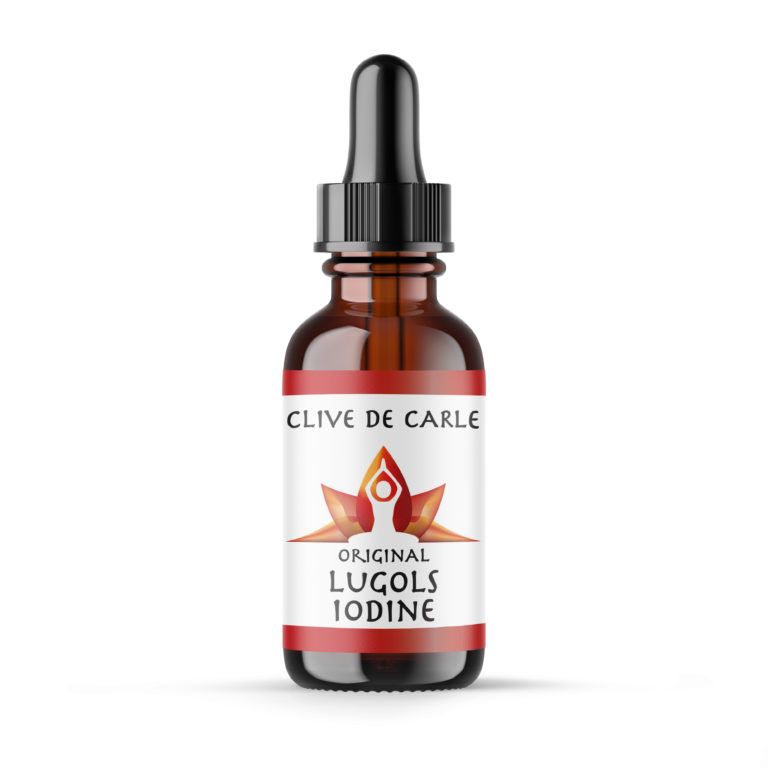
Lugol’s Iodine – Hormonal Issues, Menopause, Immune System, Brain Fog, Memory, Thyroid, Dry Skin
Rejuvenation Pack – Essential Vitamins and Minerals for Health Restoration
INNERSTANDING may earn a commission on purchases made through these links. All products are selected based on rigorous educational relevance to our biological research.
RABBIT HOLE
Follow the biological thread deeper