The Na/K Ratio: Quantitative Assessment of Adrenal Hyper-Function and Chronic Stress Adaptation via HTMA
A comprehensive analysis of the Sodium/Potassium ratio in HTMA, serving as a primary indicator of cellular vitality, adrenal stress response, and systemic inflammatory patterns.
# The Vitality Ratio: Deciphering the Na/K Relationship in HTMA. In the realm of functional diagnostics, particularly Hair Tissue Mineral Analysis (HTMA), few markers provide as much immediate insight into a patient's physiological resilience as the Sodium/Potassium (Na/K) ratio. Often referred to by clinical pioneers like Dr. Paul Eck as the 'Vitality Ratio' or the 'Life-Death Ratio,' this quantitative measurement offers a window into the electrical potential of the cell membrane and the functional status of the adrenal glands. Understanding this ratio is essential for any practitioner or individual seeking to address the root causes of chronic fatigue, inflammatory disorders, and stress-related pathologies. ## The Physiological Foundation.
To appreciate the significance of the Na/K ratio, one must first understand the role of these minerals at the cellular level. Sodium (Na) is the primary extracellular cation, while Potassium (K) is the primary intracellular cation. The concentration gradient between these two minerals is maintained by the Na/K-ATPase pump, a biological engine that consumes a significant portion of the body's total ATP (energy). This pump creates the electrical charge necessary for nerve impulse transmission, muscle contraction, and the transport of nutrients into the cell. In the context of the endocrine system, sodium levels are heavily influenced by the hormone aldosterone, produced in the adrenal cortex.
Aldosterone acts on the kidneys to retain sodium and excrete potassium. Consequently, tissue sodium levels serve as a reliable proxy for adrenal mineralocorticoid activity. Potassium, on the other hand, is closely linked to glucocorticoid activity (such as cortisol) and thyroid function. It is essential for sensitizing cells to thyroid hormone. Thus, the ratio between sodium and potassium reflects the balance between these two branches of the adrenal response and the overall efficiency of cellular energy production. ## The Ideal Ratio: The 2.5:1 Baseline.
In a healthy, resilient physiological state, the ideal Na/K ratio in human hair tissue is approximately 2.5:1. At this level, the body is capable of mounting an appropriate stress response without falling into chronic inflammation or exhaustive collapse. It represents a state of 'homeodynamic' balance where the sympathetic and parasympathetic nervous systems are in relative equilibrium, and the Na/K pump is operating efficiently. ## Adrenal Hyper-Function: The High Na/K Ratio. A Na/K ratio significantly higher than 2.5:1 (e.g., 5:1 or 10:1) indicates a state of acute stress or adrenal hyper-function. This is often the physiological hallmark of the 'Alarm' stage of Hans Selye's General Adaptation Syndrome (GAS).
In this state, the body is stuck in a 'fight or flight' mode. High sodium relative to potassium suggests excessive aldosterone production, leading to sodium retention and an inflammatory environment. Clinically, a high Na/K ratio is associated with: 1. Acute Stress: The body is actively mobilizing resources to combat a perceived threat, whether physical, chemical, or emotional. 2. Inflammation: High sodium levels promote an inflammatory response, which can manifest as joint pain, cardiovascular strain, or skin conditions. 3.

Rejuvenation Pack – Essential Vitamins and Minerals for Health Restoration
The Rejuvenation Pack is a foundational toolkit designed to restore your biological baseline by replenishing the essential vitamins and minerals often stripped from modern diets. This comprehensive set targets your metabolic and immune systems to help you reclaim energy, mental clarity, and physical resilience.
Vetting Notes
Pending
Emotional Intensity: High-ratio individuals often experience feelings of anger, irritability, and 'pushing' through life. 4. Immune Overactivity: The early stages of the stress response often involve a heightened, though sometimes disorganized, immune reaction. From a root-cause perspective, a high Na/K ratio suggests that the individual is over-extending their energetic reserves. While they may feel 'wired' and productive, they are doing so at the expense of long-term cellular integrity. ## Adrenal Exhaustion: The Na/K Inversion. Conversely, a Na/K ratio below 2.5:1 is known as a 'Na/K Inversion.' This is arguably the most critical clinical finding on an HTMA report.
An inversion suggests that the body is moving into the 'Exhaustion' stage of the stress response. When potassium levels rise relative to sodium in the tissue, it often indicates that potassium is 'leaking' out of the cells due to cellular damage or a failure of the Na/K pump. A low Na/K ratio is synonymous with: 1. Adrenal Burnout: The adrenal cortex is no longer able to produce sufficient aldosterone to maintain sodium levels. 2. Protein Catabolism: The body begins to break down its own protein structures (muscles, organs, enzymes) to provide fuel, as glucose metabolism becomes inefficient. 3.
Immune Suppression: Chronic stress eventually leads to a depletion of the immune system's capacity, making the individual more susceptible to chronic infections and slow healing. 4. Psychological Frustration: Unlike the anger of a high ratio, a low ratio is often associated with feelings of withdrawal, depression, and a sense of being 'stuck' or overwhelmed. A ratio below 1:1 is particularly concerning, indicating a profound loss of cellular vitality and a high degree of systemic stress. In such cases, the priority shifts from 'cleansing' or 'detoxifying' to rebuilding the nutritional foundation and supporting the adrenals. ## Systemic Implications: Digestion and Blood Sugar. The Na/K ratio also serves as an indicator of digestive health and blood sugar regulation.
Sodium is required for the production of hydrochloric acid (HCl) in the stomach. A low Na/K ratio often correlates with low stomach acid, leading to poor protein digestion and nutrient malabsorption. Furthermore, because potassium is vital for glucose sensitivity, an imbalance in this ratio directly impacts the body's ability to regulate insulin and maintain stable blood sugar levels. Individuals with a low Na/K ratio frequently experience 'crashes' and a reliance on stimulants like caffeine to maintain focus. ## Root-Cause Factors Driving Imbalance. Several factors can drive the Na/K ratio away from its ideal baseline.
Chronic emotional stress is a primary driver, as it keeps the adrenal glands in a constant state of flux. However, physical stressors such as heavy metal toxicity (especially cadmium and lead), hidden chronic infections, and a diet high in processed sugars also play significant roles. Toxic metals can interfere with the Na/K pump directly, while excessive sugar consumption depletes the very minerals required to maintain adrenal health. ## Conclusion: The Path to Restoration. Assessing the Na/K ratio via HTMA provides a quantitative, data-driven approach to understanding an individual's stress adaptation. Rather than treating symptoms like fatigue or inflammation in isolation, the Na/K ratio allows practitioners to identify the specific stage of stress the body is in.
Restoration involves a multi-faceted approach: optimizing mineral intake (such as magnesium and bioavailable copper), supporting the adrenal glands with targeted botanicals or glandulars, and most importantly, identifying and removing the external stressors that are driving the imbalance. By balancing the Na/K ratio, we are not just correcting a number on a page; we are restoring the cellular vitality and electrical potential that underpin all human health.
This article is provided for informational and educational purposes only. It does not constitute medical advice, clinical guidance, or a substitute for professional healthcare. Information reflects cited research at time of publication. Always consult a qualified healthcare professional before acting on any health information.
RESEARCH FOUNDATIONS
Biological Credibility Archive
Citations provided for educational reference. Verify via PubMed or institutional databases.
Medical Disclaimer
The information in this article is for educational purposes only and does not constitute medical advice, diagnosis, or treatment. Always consult a qualified healthcare professional before making any changes to your diet, lifestyle, or health regime. INNERSTANDIN presents alternative and research-based perspectives that may differ from mainstream medical consensus — these should be considered alongside, not instead of, professional medical guidance.
Read Full DisclaimerReady to learn more?
Continue your journey through our classified biological research.
DISCUSSION ROOM
Members of THE COLLECTIVE discussing "The Na/K Ratio: Quantitative Assessment of Adrenal Hyper-Function and Chronic Stress Adaptation via HTMA"
SILENT CHANNEL
Be the first to discuss this article. Your insight could help others understand these biological concepts deeper.
THE ARSENAL
Based on Hair Tissue Mineral Analysis (HTMA) — products curated by our research team for educational relevance and biological support.
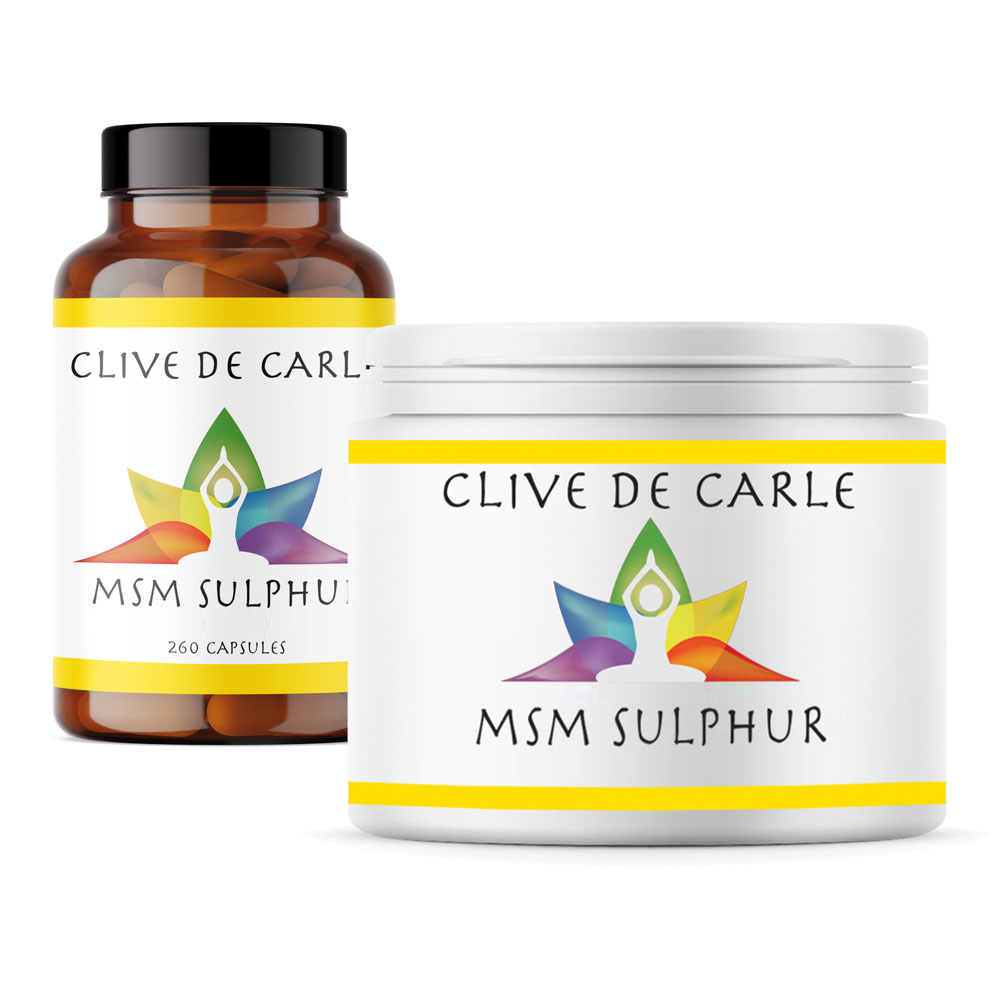
MSM Sulphur – Nature’s Forgotten Mineral
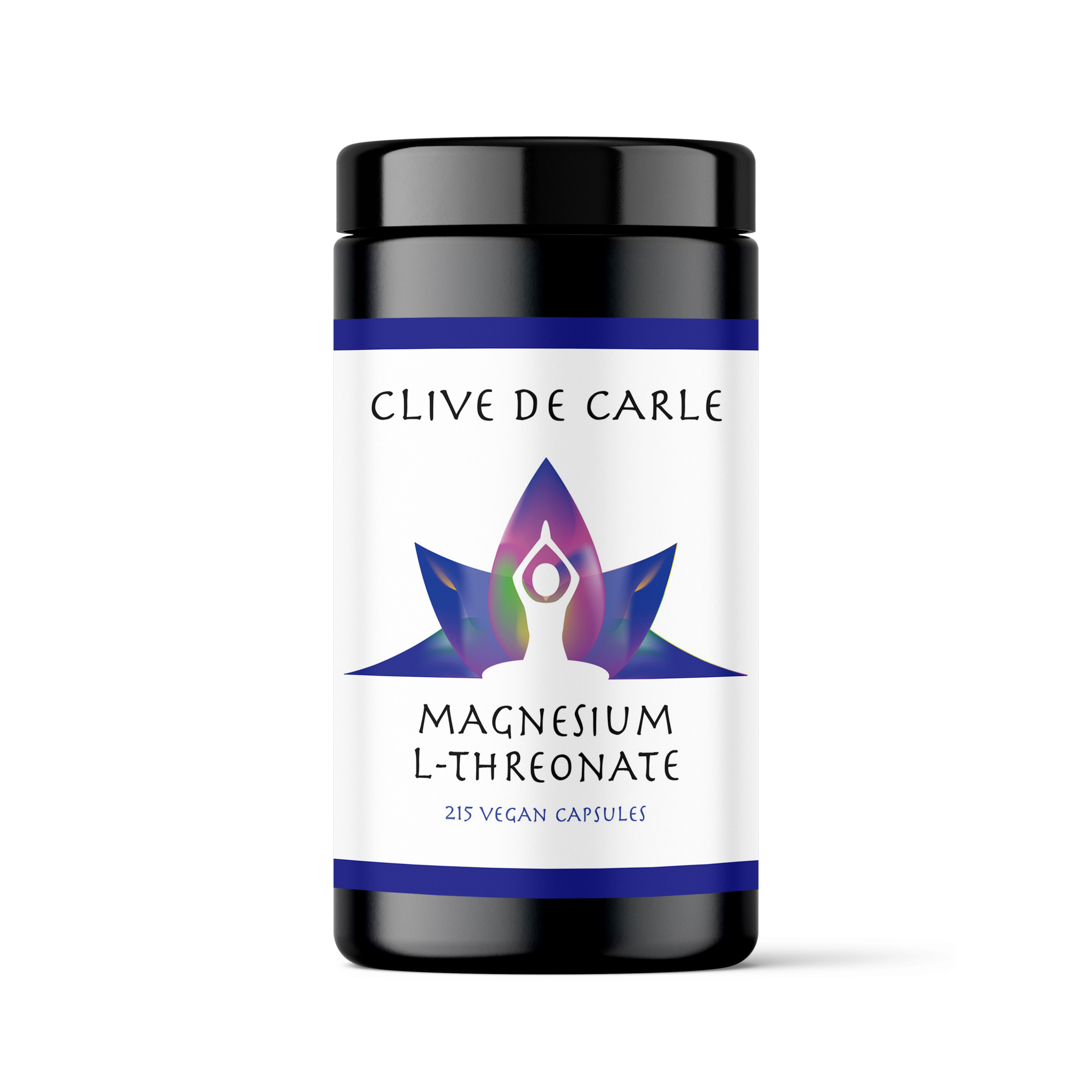
Magnesium L-Threonate
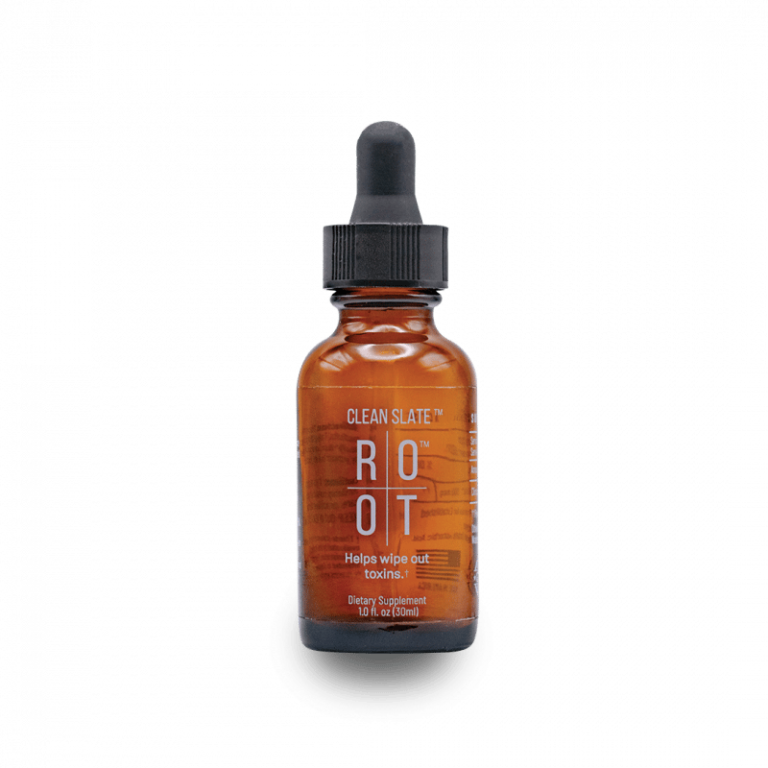
Clean Slate – Detoxes thousands of chemicals,heavy metals, pesticides, allergens, mold spores and fungus
INNERSTANDING may earn a commission on purchases made through these links. All products are selected based on rigorous educational relevance to our biological research.
RABBIT HOLE
Follow the biological thread deeper