The Ceruloplasmin Paradox: Distinguishing Bioavailable Copper from Tissue Toxicity in Hair Mineral Patterns
An in-depth exploration of copper dysregulation, the role of ceruloplasmin in mineral transport, and how Hair Tissue Mineral Analysis (HTMA) reveals the difference between copper availability and toxic accumulation.
# The Ceruloplasmin Paradox: Distinguishing Bioavailable Copper from Tissue Toxicity in Hair Mineral Patterns
Introduction: The Hidden Copper Crisis
In the landscape of nutritional science, few elements are as misunderstood and dualistic as copper. Essential for life yet potentially neurotoxic, copper functions as a master regulator of energy production, neurotransmitter synthesis, and connective tissue integrity. However, the modern health paradigm often fails to distinguish between 'total copper' and 'bioavailable copper.' At the heart of this distinction lies a protein called ceruloplasmin. When this protein is deficient or dysfunctional, a phenomenon known as the 'Ceruloplasmin Paradox' occurs: a state where an individual is simultaneously copper-deficient at a cellular level and copper-toxic at a tissue level. For practitioners using Hair Tissue Mineral Analysis (HTMA), identifying this pattern is crucial for addressing the root causes of fatigue, anxiety, and metabolic dysfunction.
What is Ceruloplasmin?
Ceruloplasmin is a ferroxidase enzyme produced primarily in the liver. It carries approximately 95% of the copper in the plasma. Its primary role is not merely transport; it serves as a critical link between copper and iron metabolism. Ceruloplasmin converts ferrous iron (Fe2+) into ferric iron (Fe3+), allowing iron to bind to transferrin and move safely throughout the body.
Rejuvenation Pack – Essential Vitamins and Minerals for Health Restoration
The Rejuvenation Pack is a foundational toolkit designed to restore your biological baseline by replenishing the essential vitamins and minerals often stripped from modern diets. This comprehensive set targets your metabolic and immune systems to help you reclaim energy, mental clarity, and physical resilience.
Vetting Notes
Pending
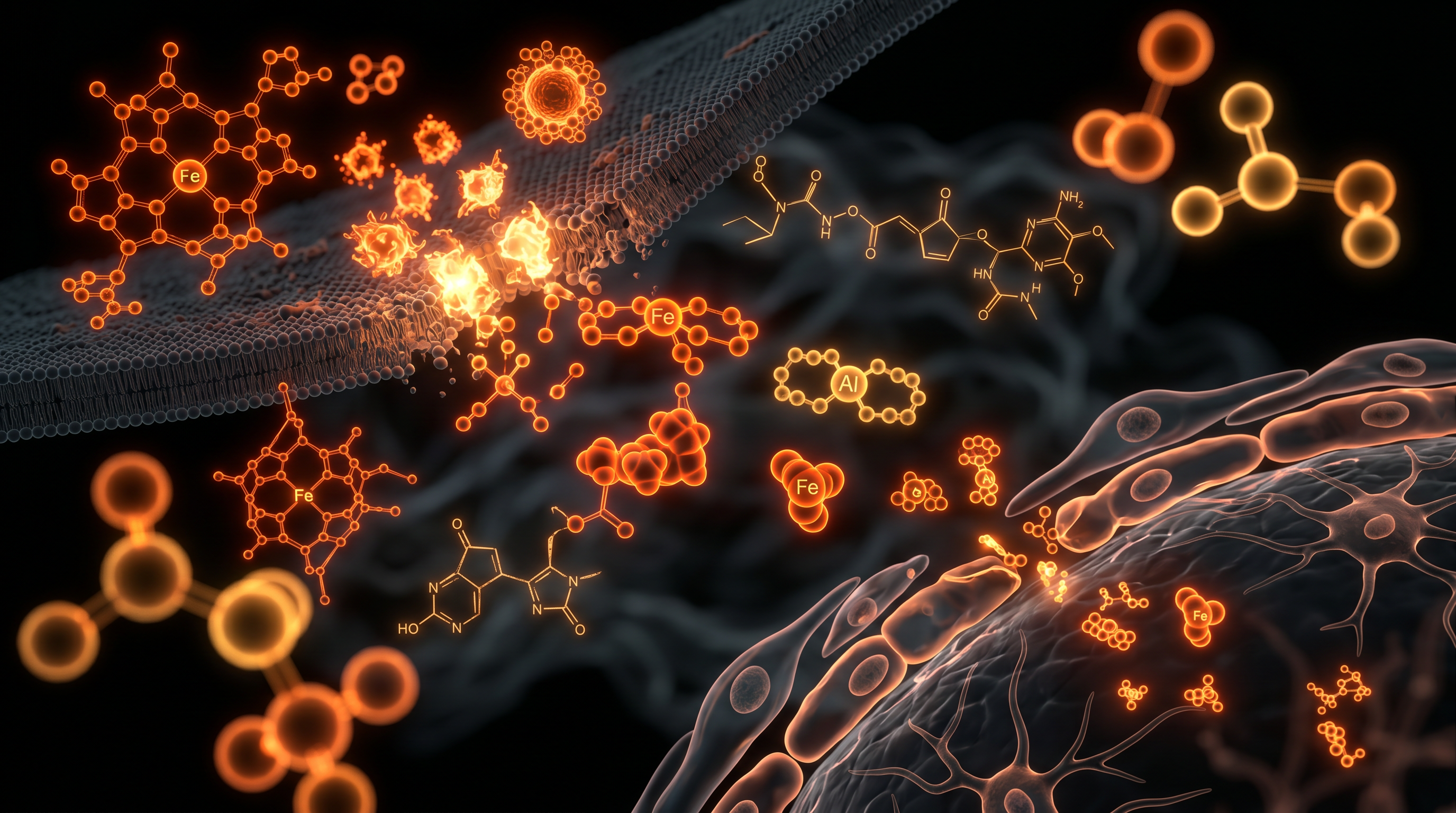
Crucially, copper must be bound to ceruloplasmin to be 'bioavailable'—meaning the body can use it for its enzymatic functions, such as creating ATP in the mitochondria via cytochrome c oxidase. When copper is not bound to ceruloplasmin, it is referred to as 'unbound' or 'free' copper. This free copper is highly reactive, contributing to oxidative stress through the Fenton reaction and accumulating in soft tissues like the liver, brain, and reproductive organs.
The Paradox: Why Tissues Store What the Body Can't Use
The paradox arises when we observe symptoms of copper deficiency—such as anaemia, low energy, and poor collagen formation—alongside symptoms of copper toxicity, such as racing thoughts, insomnia, and skin issues. This occurs because the body lacks the 'taxis' (ceruloplasmin) to move the 'passengers' (copper) to their destination.
Without sufficient ceruloplasmin, copper cannot enter the cells to perform its duties. Instead, it precipitates out of the blood and lodges in the tissues. In this state, a person can have high levels of copper stored in their brain or liver, yet their cells are starving for the mineral. This is why traditional blood tests for serum copper and ceruloplasmin often provide an incomplete picture, and why HTMA serves as a vital diagnostic bridge.
Decoding HTMA Patterns: The Window into Tissue Mineralization
HTMA does not measure circulating copper; it measures the amount of copper being excreted into the hair over a three-month period. This provides a unique view of tissue sequestration and mineral excretion. In HTMA, the Ceruloplasmin Paradox manifests through several specific patterns:
1. Hidden Copper Toxicity
Often, a hair chart may show a copper level that appears 'normal' or even 'low.' However, other markers indicate that copper is being sequestered. A common sign is a 'Calcium Shell' (calcium levels above 150-200 mg%), which often acts as a physiological defense mechanism against the oxidative stress of unbound copper. Additionally, a very low potassium level can indicate that copper is suppressing thyroid expression at a cellular level.
2. The Overt Copper Peak
When copper is significantly elevated on an HTMA (e.g., above 2.5 mg%), it suggests the body is actively losing copper or that the tissues are so saturated that the excess is spilling over into the hair. This is frequently seen in 'Slow Oxidizers' who lack the metabolic fire to keep copper in a bioavailable state.
3. The Zinc/Copper Ratio
Zinc and copper are antagonistic. Zinc is required for the induction of metallothionein, a protein that helps regulate copper. When the Zinc/Copper ratio falls below 4:1, it strongly suggests copper dominance and a likely deficiency in functional ceruloplasmin.
The Role of the Adrenal Glands and Liver
The synthesis of ceruloplasmin is not an isolated event; it is heavily dependent on the adrenal-liver axis. The liver is the factory for ceruloplasmin, but the adrenal glands provide the 'work orders.' Glucocorticoids produced by the adrenals signal the liver to produce ceruloplasmin.
This is why chronic stress is a primary driver of copper dysregulation. In a state of adrenal exhaustion (low sodium/potassium ratios on an HTMA), the signal to produce ceruloplasmin weakens. As ceruloplasmin drops, copper becomes unbound and toxic. This creates a vicious cycle: the toxic copper further stresses the adrenals and the liver, further reducing ceruloplasmin production. To fix copper toxicity, one must often support the adrenals rather than simply 'detoxing' the mineral.
Root Causes of the Paradox
Several modern factors contribute to the breakdown of the ceruloplasmin-copper relationship:
- —Estrogen Dominance: Estrogen and copper are closely linked. High estrogen (from the birth control pill, HRT, or environmental xenoestrogens) signals the body to retain copper. However, it does not always ensure that copper is bound to ceruloplasmin, leading to tissue accumulation.
- —Vitamin A (Retinol) Deficiency: Retinol is essential for the loading of copper into ceruloplasmin. In the absence of animal-based Vitamin A, copper remains 'stuck' in the liver, unable to be incorporated into the transport protein.
- —Ascorbic Acid Overconsumption: While Vitamin C is vital, high doses of synthetic ascorbic acid have been shown to dissociate copper from ceruloplasmin, potentially worsening the paradox.
- —Zinc Over-supplementation: While zinc is needed to balance copper, excessive zinc can suppress the absorption of the trace amounts of copper needed to stimulate ceruloplasmin production in the first place.
Clinical Manifestations
Individuals trapped in the Ceruloplasmin Paradox often present with a 'wired but tired' phenotype. They may experience 'brain fog,' as copper disrupts neurotransmitter balance (specifically by increasing norepinephrine and decreasing dopamine), leading to a state of constant high-alert without the energy to back it up. Other common symptoms include persistent fungal infections (as copper is a natural antifungal, but only when bioavailable), migraines, and cyclic mood changes tied to the menstrual cycle.
Conclusion: Restoring the Balance
Addressing copper dysregulation requires a shift in perspective. We must move away from the idea of 'heavy metal detox' and toward 'mineral bio-availability.' The goal is not to strip the body of copper, but to restore the liver and adrenal function necessary to produce ceruloplasmin.
Through HTMA, we can identify the specific metabolic blocks—be it low adrenal vitality, zinc deficiency, or thyroid suppression—that prevent copper from being utilized. By supporting the body's internal 'transport system' with whole-food Vitamin C, retinol-rich foods, and adrenal support, we can resolve the Ceruloplasmin Paradox. Only when copper is properly bound can it fulfill its role as a spark plug for human energy, moving from a source of toxicity to a source of vitality.
This article is provided for informational and educational purposes only. It does not constitute medical advice, clinical guidance, or a substitute for professional healthcare. Information reflects cited research at time of publication. Always consult a qualified healthcare professional before acting on any health information.
RESEARCH FOUNDATIONS
Biological Credibility Archive
Citations provided for educational reference. Verify via PubMed or institutional databases.
Medical Disclaimer
The information in this article is for educational purposes only and does not constitute medical advice, diagnosis, or treatment. Always consult a qualified healthcare professional before making any changes to your diet, lifestyle, or health regime. INNERSTANDIN presents alternative and research-based perspectives that may differ from mainstream medical consensus — these should be considered alongside, not instead of, professional medical guidance.
Read Full DisclaimerReady to learn more?
Continue your journey through our classified biological research.
DISCUSSION ROOM
Members of THE COLLECTIVE discussing "The Ceruloplasmin Paradox: Distinguishing Bioavailable Copper from Tissue Toxicity in Hair Mineral Patterns"
SILENT CHANNEL
Be the first to discuss this article. Your insight could help others understand these biological concepts deeper.
THE ARSENAL
Based on Hair Tissue Mineral Analysis (HTMA) — products curated by our research team for educational relevance and biological support.
Magnesium L-Threonate
MSM Sulphur – Nature’s Forgotten Mineral
Clean Slate – Detoxes thousands of chemicals,heavy metals, pesticides, allergens, mold spores and fungus
INNERSTANDING may earn a commission on purchases made through these links. All products are selected based on rigorous educational relevance to our biological research.
RABBIT HOLE
Follow the biological thread deeper