The Aluminum-Iron Axis: Evaluating Pro-oxidant Stress and Blood-Brain Barrier Compromise in Mineral Biogeochemistry
An analytical exploration into the synergistic toxicity of aluminum and iron, their impact on the blood-brain barrier, and how these biogeochemical shifts are identified and managed through Hair Tissue Mineral Analysis (HTMA).
# The Aluminum-Iron Axis: A Deep Dive into Mineral Biogeochemistry In the realm of clinical nutrition and functional toxicology, the interaction between essential and non-essential minerals defines the metabolic landscape of the human body. Among these interactions, the relationship between aluminum (Al) and iron (Fe) stands as one of the most critical yet frequently overlooked drivers of chronic neuroinflammation and systemic oxidative stress. At INNERSTANDING, we focus on the root-cause mechanisms of health, and the Aluminum-Iron Axis represents a primary catalyst for the breakdown of biological barriers and the acceleration of cellular aging. By utilizing Hair Tissue Mineral Analysis (HTMA), we can begin to decode these mineral patterns and address the biogeochemical imbalances that lead to long-term pathology. ## The Molecular Mimicry of Aluminum Aluminum is the most abundant metal in the Earth's crust, yet it has no known biological role in the human body. Its toxicity stems largely from its ability to act as a 'molecular mimic.' Aluminum possesses an ionic radius and charge density that closely resemble those of trivalent iron (Fe3+).
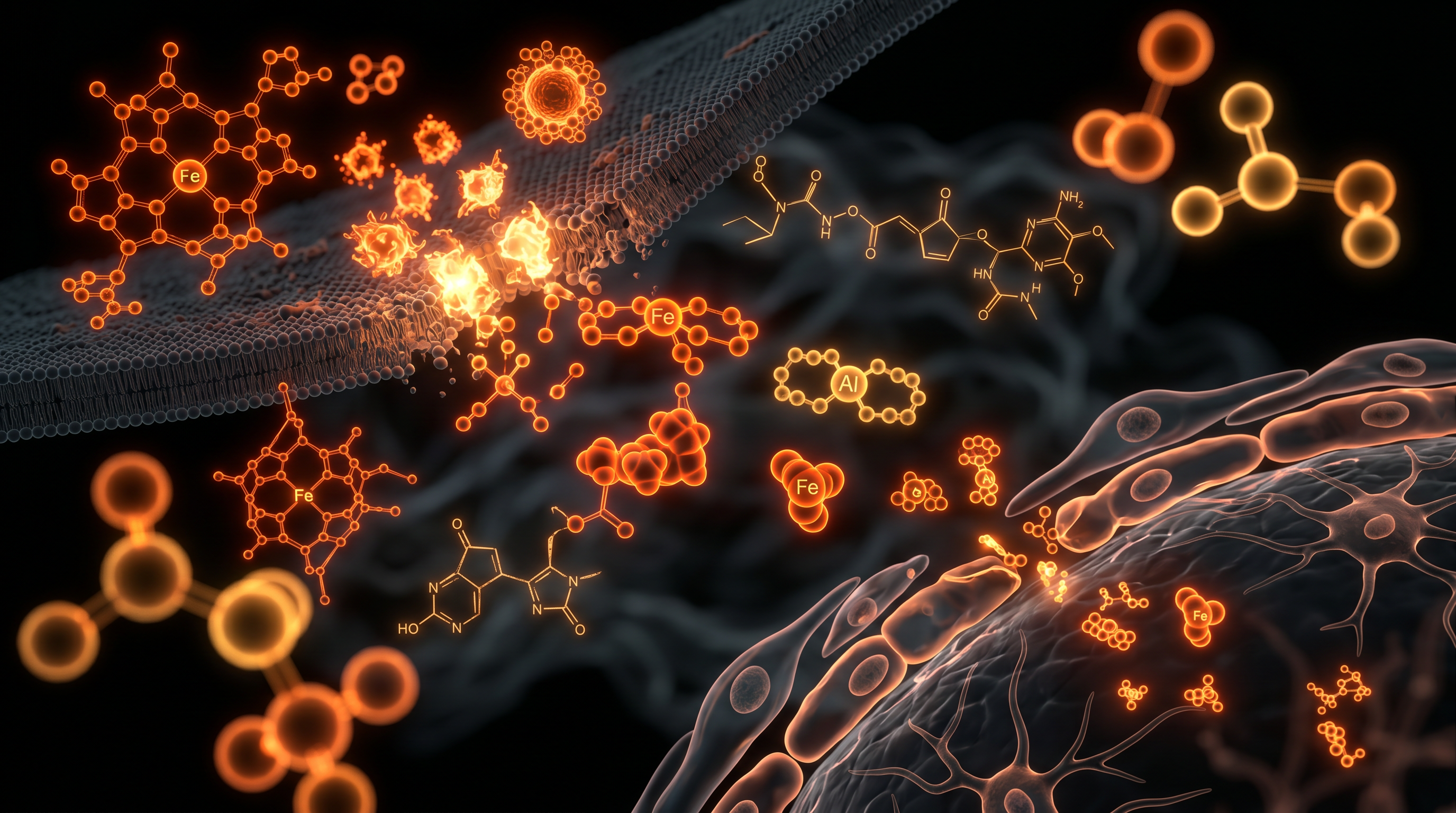
This similarity allows aluminum to hijack iron-binding proteins, such as transferrin and ferritin, and gain entry into cells and sensitive tissues that would otherwise be protected. When aluminum displaces iron from its transport and storage proteins, it creates a pool of 'labile' or unbound iron. This free iron is highly reactive and serves as the fuel for oxidative destruction. This displacement is the foundation of the Aluminum-Iron Axis: aluminum does not need to be redox-active itself to cause oxidation; it simply facilitates the release of iron, which then executes the damage. ## The Pro-oxidant Synergy: The Haber-Weiss and Fenton Reactions To understand the destructive power of the Aluminum-Iron Axis, we must look at the biochemical pathways of oxidative stress. The Fenton reaction involves the interaction between hydrogen peroxide and ferrous iron (Fe2+), resulting in the production of the hydroxyl radical—the most reactive and damaging oxygen species in biology.
While aluminum cannot change its valence state to participate directly in these electron transfers, it acts as a potent catalyst. Research has demonstrated that aluminum alters the physical structure of the cell membrane, making it more susceptible to lipid peroxidation initiated by iron. Furthermore, aluminum stabilizes the superoxide radical, extending its lifespan and increasing the probability of it reacting with iron. This synergy effectively turns a controlled metabolic environment into a pro-oxidant 'storm,' overwhelming the body's endogenous antioxidant defenses like glutathione and superoxide dismutase. ## Crossing the Rubicon: The Blood-Brain Barrier and Neurotoxicity The blood-brain barrier (BBB) is a highly selective semi-permeable border that shields the central nervous system from systemic toxins. However, the Aluminum-Iron Axis is uniquely equipped to compromise this defense.
Aluminum enters the brain primarily through transferrin-mediated endocytosis, effectively 'hitching a ride' on the iron transport system. Once inside the endothelial cells of the BBB, aluminum disrupts the tight junction proteins (such as occludin and claudin-5) that maintain barrier integrity. As the BBB becomes 'leaky,' it allows for an influx of both aluminum and excess iron into the brain parenchyma. This leads to the activation of microglia—the brain's resident immune cells. Chronic microglial activation results in a state of 'smoldering' neuroinflammation, which is a hallmark of neurodegenerative conditions.
The accumulation of aluminum in the hippocampus and cerebral cortex, coupled with iron-induced lipid peroxidation, leads to the degradation of myelin and the eventual death of neurons. ## HTMA: A Window into the Biogeochemical Profile Hair Tissue Mineral Analysis (HTMA) provides a unique longitudinal perspective on the Aluminum-Iron Axis that blood tests often miss. While blood levels reflect acute exposure and homeostatic regulation, hair tissue captures the accumulation and excretion patterns over a period of months. On an HTMA chart, high levels of aluminum (typically above 1.0 mg%) are a clear indicator of environmental exposure and potential systemic burden. However, the insight lies in the ratios. We often see 'hidden' aluminum toxicity in cases where aluminum appears low but the individual presents with high iron or skewed iron-to-copper ratios.

Rejuvenation Pack – Essential Vitamins and Minerals for Health Restoration
The Rejuvenation Pack is a foundational toolkit designed to restore your biological baseline by replenishing the essential vitamins and minerals often stripped from modern diets. This comprehensive set targets your metabolic and immune systems to help you reclaim energy, mental clarity, and physical resilience.
Vetting Notes
Pending
This suggests that the aluminum is deeply sequestered in the tissues, including the brain and bone, and is displacing iron into the soft tissues. Additionally, the relationship between Aluminum and Silica is paramount. Silica is the primary antagonist to aluminum; a low silica level on an HTMA often correlates with an increased retention of aluminum, as there is insufficient orthosilicic acid to facilitate its excretion via the kidneys. ## Pathological Consequences and Mitochondrial Decay Beyond the brain, the Aluminum-Iron Axis wreaks havoc on mitochondrial function. The mitochondria are the primary site of iron utilization for the production of heme and iron-sulfur clusters. When aluminum interferes with iron metabolism, it disrupts the electron transport chain, leading to a decrease in ATP (cellular energy) production and an increase in mitochondrial 'leakage' of reactive oxygen species.
This creates a vicious cycle where decreased energy leads to impaired detoxification, which in turn leads to more metal accumulation. Over time, this contributes to chronic fatigue, metabolic syndrome, and autoimmune triggers, as the body struggles to maintain cellular homeostasis under the weight of heavy metal interference. ## Restoration Strategies: Addressing the Root Cause Addressing the Aluminum-Iron Axis requires a multifaceted approach that goes beyond simple chelation. The goal is to restore mineral biogeochemistry and reinforce biological barriers. First, increasing the intake of mineral-rich waters containing silica (orthosilicic acid) is a scientifically validated method for reducing the body burden of aluminum. Silica binds with aluminum to form hydroxyaluminosilicates, which are non-toxic and easily excreted.
Second, supporting the integrity of the blood-brain barrier is essential. This involves the use of lipid-soluble antioxidants like Alpha-Lipoic Acid and R-Lipoic Acid, which can cross the BBB and neutralize the radicals generated by the aluminum-iron synergy. Third, managing iron status is crucial. This does not always mean reducing iron intake, but rather ensuring iron is properly 'chaperoned' by adequate copper and ceruloplasmin levels. Copper is required for the enzyme ferroxidase, which converts reactive Fe2+ into the safer Fe3+ form for transport.
Finally, HTMA should be used to monitor progress, ensuring that as aluminum is mobilized, essential minerals like magnesium and zinc are replenished to prevent further displacement. # Conclusion The Aluminum-Iron Axis is a profound example of how non-essential elements can hijack essential biological pathways to drive disease. By understanding the biogeochemical dance between these two metals, we can move away from symptomatic management and toward true root-cause resolution. Through the lens of HTMA and a commitment to restoring mineral balance, we can protect the integrity of the blood-brain barrier, preserve mitochondrial function, and foster long-term neurological resilience.
This article is provided for informational and educational purposes only. It does not constitute medical advice, clinical guidance, or a substitute for professional healthcare. Information reflects cited research at time of publication. Always consult a qualified healthcare professional before acting on any health information.
RESEARCH FOUNDATIONS
Biological Credibility Archive
Citations provided for educational reference. Verify via PubMed or institutional databases.
Medical Disclaimer
The information in this article is for educational purposes only and does not constitute medical advice, diagnosis, or treatment. Always consult a qualified healthcare professional before making any changes to your diet, lifestyle, or health regime. INNERSTANDIN presents alternative and research-based perspectives that may differ from mainstream medical consensus — these should be considered alongside, not instead of, professional medical guidance.
Read Full DisclaimerReady to learn more?
Continue your journey through our classified biological research.
DISCUSSION ROOM
Members of THE COLLECTIVE discussing "The Aluminum-Iron Axis: Evaluating Pro-oxidant Stress and Blood-Brain Barrier Compromise in Mineral Biogeochemistry"
SILENT CHANNEL
Be the first to discuss this article. Your insight could help others understand these biological concepts deeper.
THE ARSENAL
Based on Hair Tissue Mineral Analysis (HTMA) — products curated by our research team for educational relevance and biological support.
Magnesium L-Threonate
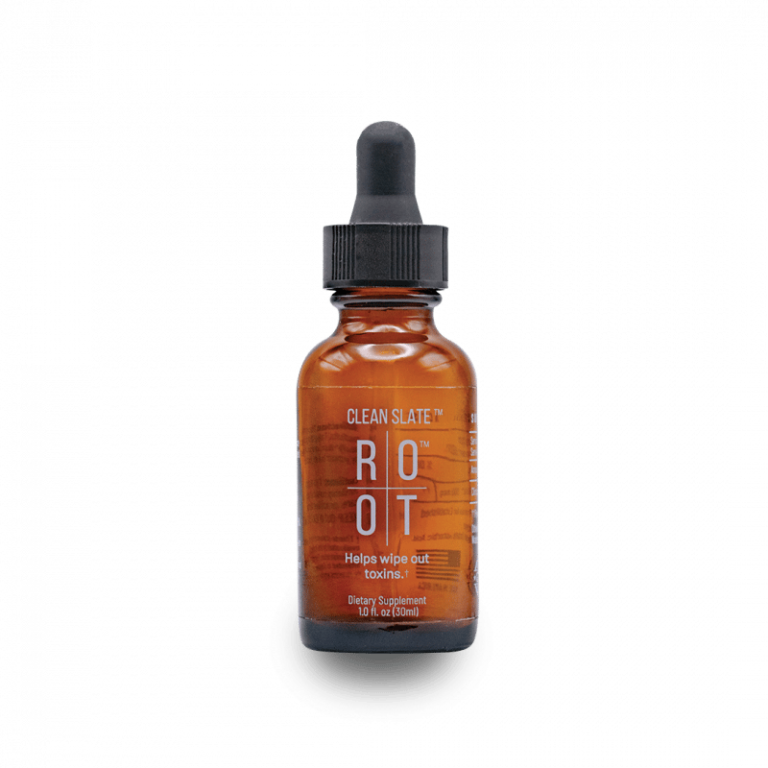
Clean Slate – Detoxes thousands of chemicals,heavy metals, pesticides, allergens, mold spores and fungus
Rejuvenation Pack – Essential Vitamins and Minerals for Health Restoration
INNERSTANDING may earn a commission on purchases made through these links. All products are selected based on rigorous educational relevance to our biological research.
RABBIT HOLE
Follow the biological thread deeper