
Vitamin D: The Immune Regulator Britain Is Chronically Deficient In
Updated August 2026
Vitamin D3 — technically a secosteroid hormone rather than a vitamin — is synthesised in the skin from 7-dehydrocholesterol upon UVB radiation exposure, converted to 25-hydroxyvitamin D in the liver, and then to the active 1,25-dihydroxyvitamin D (calcitriol) in the kidney and immune tissues, where it regulates the expression of over 2,000 genes involved in immune modulation, antimicrobial peptide production, calcium homeostasis, cancer suppression, and cardiovascular protection. An estimated 1 in 5 UK adults are deficient in vitamin D — a figure that rises dramatically in winter months and among darker-skinned individuals due to the UK's northern latitude and insufficient sunlight — creating widespread immune dysregulation, increased susceptibility to infection, elevated cancer risk, and the autoimmune conditions that optimal vitamin D status is documented to prevent. The UK government's recommendation of 400 IU daily is orders of magnitude below the therapeutic levels demonstrated in clinical research.
Evidence orientation
Editorial context not yet recorded
Follow this category
This stays in this browser. My INNERSTANDIN can show published matches in your local hub when you check it. It does not send email, push, or alert notifications.
Local learning review
A private browser aid for revisiting ideas. It is not an alert or a health recommendation.
Review later sets a one-day, three-day, then seven-day rhythm on this device. Choose it only when you want to revisit this article.
Overview
The biological significance of Vitamin D (calciferol) extends far beyond its historical association with skeletal integrity; it functions as a potent seco-steroid hormone that acts as a fundamental architect of the human innate and adaptive immune systems. In the context of the United Kingdom, where high-latitude geography and persistent stratospheric cloud cover dictate suboptimal ultraviolet B (UVB) irradiance for the better part of the year, the population faces a chronic, systemic deficiency. At INNERSTANDIN, we recognise this not merely as a nutrient shortfall, but as a critical dysregulation of cellular homeostasis.
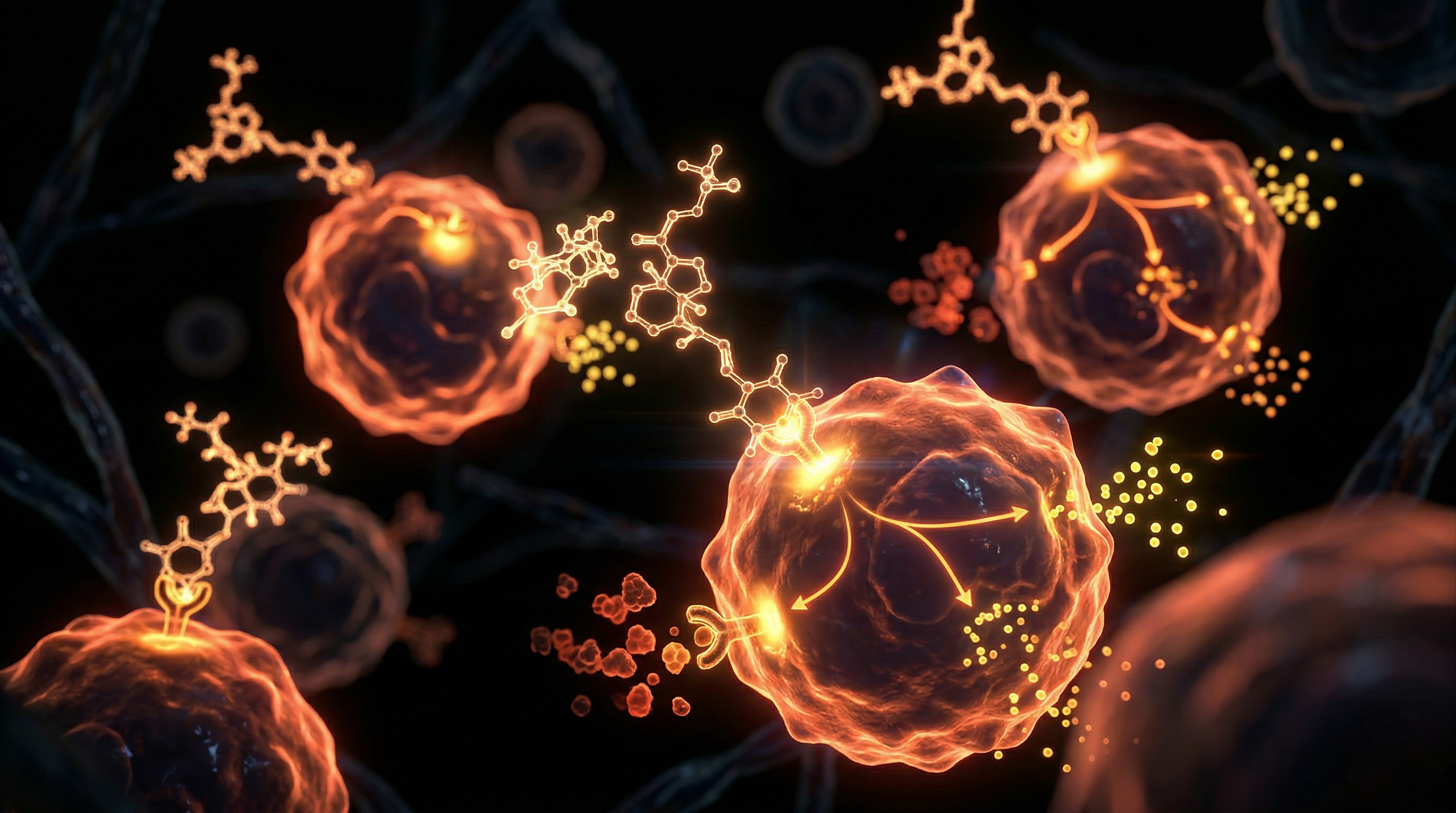
Vitamin D exerts its influence by binding to the Vitamin D Receptor (VDR), a member of the nuclear receptor superfamily that acts as a ligand-activated transcription factor. Crucially, the VDR is expressed ubiquitously across immune cells, including monocytes, macrophages, dendritic cells, and activated T and B lymphocytes. Upon activation, the 1,25-dihydroxyvitamin D [1,25(OH)₂D] metabolite orchestrates the genomic expression of over 200 genes, many of which are pivotal for immune surveillance. Mechanistically, Vitamin D facilitates the induction of antimicrobial peptides such as cathelicidin (CAMP) and defensins (DEFB4), which serve as the first line of defence in the phagosomal destruction of intracellular pathogens, most notably Mycobacterium tuberculosis.
Beyond its role in innate immunity, Vitamin D acts as a robust immunomodulator of the adaptive response. It exerts a suppressive effect on pro-inflammatory cytokines such as IL-6, IL-12, and TNF-α, whilst concurrently promoting the proliferation of regulatory T-cells (Tregs). This shift in cytokine profile is essential for maintaining immune tolerance and preventing the systemic, chronic low-grade inflammation that underpins metabolic syndrome and autoimmune pathologies. Current literature published in The Lancet and various PubMed-indexed meta-analyses highlight a correlative link between insufficient serum 25(OH)D levels and an increased susceptibility to respiratory tract infections. In the UK, where sedentary indoor lifestyles have been exacerbated by urbanised environments, the physiological imperative for supplementation is underscored by the high prevalence of serum levels falling below the 50 nmol/L threshold. Failure to address this deficiency represents a widespread compromise of the biological mechanisms required for robust viral resistance and long-term immunological resilience.
The Biology — How It Works
The biological efficacy of Vitamin D—or more accurately, its metabolised form, 1,25-dihydroxyvitamin D3 [1,25(OH)2D3]—transcends its historical classification as a simple nutrient. At a molecular level, it functions as a potent secosteroid hormone, exerting profound systemic influence via the Vitamin D Receptor (VDR), a nuclear transcription factor expressed in virtually every nucleated cell in the human body, including the primary sentinels of the innate and adaptive immune systems.
In the UK, where solar ultraviolet B (UVB) radiation remains insufficient for cutaneous synthesis for the majority of the year, this hormonal deficiency creates a systemic vulnerability. The immune system operates on a sophisticated feedback loop governed by Vitamin D. Within the innate immune system, Vitamin D serves as a critical transcription regulator for antimicrobial peptides (AMPs), specifically cathelicidin (LL-37) and human beta-defensin 2. These peptides act as the body’s endogenous antibiotics, disrupting the lipid membranes of pathogens. Research published in The Lancet has consistently highlighted that adequate serum levels of 25(OH)D are inversely correlated with the incidence of acute respiratory tract infections, primarily because the transcription of the CAMP gene—responsible for cathelicidin production—is strictly dependent on VDR binding.
Moving to the adaptive immune system, Vitamin D acts as a master rheostat for T-cell differentiation. It modulates the proliferation of pro-inflammatory Th1 and Th17 cells, whilst simultaneously promoting the differentiation of regulatory T-cells (Tregs). This mechanism is of paramount importance for the British population, where autoimmune prevalence is climbing; by suppressing the overexpression of inflammatory cytokines such as IL-6 and TNF-alpha, Vitamin D maintains immune homeostasis and prevents the deleterious hyper-inflammation associated with systemic auto-reactivity.
Furthermore, we must address the epigenetic implications. The VDR binds to Vitamin D Response Elements (VDREs) located in the promoter regions of thousands of genes. A deficiency—endemic across the UK due to latitude and lifestyle—means that these genetic switches remain effectively ‘off’ or downregulated. This results in a compromised surveillance state, where the immune system loses its capacity to differentiate efficiently between self and non-self, or to mount a rapid, targeted response to viral pathogens. At INNERSTANDIN, we identify this not merely as a 'deficiency' in the clinical sense, but as a biological bottleneck. When the substrate for these hormonal pathways is depleted, the genomic potential of the human immune system is curtailed, leaving the body in a permanent state of sub-optimal readiness, highly susceptible to both infectious and chronic inflammatory cascades.
Mechanisms at the Cellular Level
To understand the immunological deficit latent within the British population, one must first deconstruct the molecular machinery of the secosteroid hormone 1,25-dihydroxyvitamin D3 [1,25(OH)2D3]. Vitamin D functions not merely as a vitamin, but as a potent genomic regulator. Upon activation, it binds to the Vitamin D Receptor (VDR), a member of the nuclear receptor superfamily that functions as a transcription factor, modulating the expression of over 900 genes involved in immune homeostasis.
At the cellular level, the innate immune response is the primary theatre for Vitamin D’s regulatory influence. When toll-like receptors (TLRs) on macrophages and monocytes detect microbial pathogens, they trigger an up-regulation of both the VDR and the enzyme 1α-hydroxylase (CYP27B1). This allows for the local, autocrine conversion of circulating 25(OH)D into its active form. Once bound to the VDR, the hormone drives the transcription of cathelicidin (CAMP) and beta-defensin 4 (DEFB4), endogenous antimicrobial peptides that facilitate the disruption of bacterial membranes and the autophagy of intracellular pathogens. Without adequate serum levels—a state endemic to the UK due to our high-latitude geography and limited solar UVB exposure during the ‘vitamin D winter’—this fundamental innate barrier is catastrophically compromised.
Beyond the innate response, Vitamin D acts as a critical checkpoint in adaptive immunity, specifically in the orchestration of T-cell differentiation. Research published in The Lancet and various PubMed-indexed trials consistently demonstrates that 1,25(OH)2D3 suppresses the proliferation of pro-inflammatory Th1 and Th17 cells, which are central to autoimmune pathology. Simultaneously, it promotes the induction of regulatory T-cells (Tregs) and shifts the cytokine profile from a pro-inflammatory state (downregulating TNF-α, IFN-γ, and IL-6) towards a tolerogenic phenotype characterized by increased IL-10 production.
The clinical implication for the British populace is stark. A deficiency in 1,25(OH)2D3 creates a systemic environment of immune dysregulation, wherein the body’s inability to effectively resolve inflammatory signalling pathways leads to a chronic, low-grade inflammatory state. This ‘inflammaging’ effect not only diminishes the threshold for pathogen susceptibility but also accelerates the exhaustion of the adaptive immune system. INNERSTANDIN the precise molecular kinetics of this process reveals that the UK’s widespread deficiency is not merely a dietary footnote; it is a fundamental metabolic disruption that leaves the population's immune architecture profoundly vulnerable to both seasonal infection and the insidious development of chronic inflammatory disease. Through this genomic lens, the necessity for robust, consistent, and bioavailable supplementation becomes a baseline physiological imperative.
Environmental Threats and Biological Disruptors
The physiological imperative for serum 25-hydroxyvitamin D [25(OH)D] maintenance is currently besieged by a confluence of anthropogenic and environmental stressors that effectively nullify our evolutionary adaptation to solar irradiance. In the context of the United Kingdom, where the solar zenith angle remains suboptimal for cutaneous previtamin D3 synthesis for the majority of the year, the biological reliance on endogenous production is further compromised by systemic environmental disruptors.
Atmospheric particulate matter—specifically PM2.5 and PM10—acts as a significant biological barrier to ultraviolet B (UVB) photon penetration. Research published in The Lancet has consistently demonstrated that high concentrations of urban air pollutants scatter and absorb UVB radiation, truncating the dermal conversion of 7-dehydrocholesterol to cholecalciferol. This interaction is not merely an external phenomenon; the inflammatory cascade initiated by inhalational exposure to pollutants upregulates the expression of CYP24A1, the enzyme responsible for the catabolism of 1,25-dihydroxyvitamin D. Consequently, the resident immune cells within the pulmonary alveoli face a dual burden: an increased requirement for immunomodulatory Vitamin D to counter pollutant-induced oxidative stress, paired with a systemic inhibition of the very synthesis required to satisfy that demand.
Furthermore, we must address the endocrine-disrupting capacity of pervasive synthetic chemicals. Per- and polyfluoroalkyl substances (PFAS), which are ubiquitous in the British water supply and industrial landscape, have been implicated in the downregulation of the Vitamin D receptor (VDR) expression. Evidence indexed on PubMed suggests that these persistent organic pollutants interfere with the Vitamin D endocrine system by modulating the transcription of genes regulated by the VDR-RXR complex. When the structural integrity of the VDR is compromised, the cell’s ability to initiate the autocrine and paracrine immune responses—critical for the activation of cathelicidin and defensin peptides—is fundamentally impaired.
At INNERSTANDIN, we identify this as a sophisticated biological bottleneck. It is a systematic suppression of innate immunity. The British population is not simply facing a seasonal deficit; we are navigating a high-toxicity landscape that accelerates the conversion of active 1,25(OH)2D into inactive calcitroic acid. This depletion of systemic reserves leaves the adaptive immune system in a state of chronic hyper-reactivity, contributing to the paradoxical rise in both autoimmune phenomena and susceptibility to viral pathogens. By ignoring the environmental variables that impede the metabolic activation of Vitamin D, contemporary clinical discourse fails to address the underlying physiological sabotage that keeps the nation in a state of immunological fragility.
The Cascade: From Exposure to Disease
The synthesis of Vitamin D is not merely a cutaneous response to solar radiation; it is the fundamental initiation of a global endocrine signalling cascade. Upon exposure to UVB photons (290–315 nm), 7-dehydrocholesterol within the epidermal keratinocytes undergoes photolysis to form previtamin D3, which subsequently isomerises into cholecalciferol. For the British population, this process is functionally arrested between October and April due to the solar zenith angle, effectively rendering the majority of the UK chronically deficient. However, the systemic ramifications of this deficiency extend far beyond skeletal integrity.
Once hepatic 25-hydroxylation converts cholecalciferol into 25(OH)D—the circulating biomarker—the molecule must undergo activation by the enzyme 1α-hydroxylase (CYP27B1). Critically, this enzyme is not sequestered solely within the renal cortex; it is expressed ubiquitously by immune cells, including macrophages, dendritic cells, and activated T-lymphocytes. This intracellular conversion facilitates autocrine and paracrine regulation, allowing the immune system to locally modulate its responsiveness.
At the cellular level, the biological active form, 1,25-dihydroxyvitamin D [1,25(OH)2D], binds to the Vitamin D Receptor (VDR), a nuclear transcription factor. The VDR complex then heterodimerises with the Retinoid X Receptor (RXR), binding to Vitamin D Response Elements (VDREs) across the genome. This mechanism dictates the expression of hundreds of genes involved in innate and adaptive immunity. Research published in The Lancet and various PubMed-indexed meta-analyses confirms that adequate 1,25(OH)2D levels induce the expression of antimicrobial peptides, specifically cathelicidin (CAMP) and beta-defensin 4 (DEFB4). These peptides are essential for the degradation of pathogenic membranes and the intracellular killing of bacteria, including Mycobacterium tuberculosis.
Furthermore, the cascade acts as a crucial checkpoint for immunological tolerance. Vitamin D shifts the T-cell balance away from the pro-inflammatory Th1 and Th17 phenotypes—which drive autoimmune pathology—toward a tolerogenic Th2 and regulatory T-cell (Treg) profile. By suppressing the transcription of pro-inflammatory cytokines such as IL-6, TNF-α, and IFN-γ, the active metabolite serves as a potent endogenous immunosuppressant during hyper-inflammatory states. When the cascade is interrupted by chronic hypovitaminosis, this regulatory brake is removed. The result is a systemic state of heightened, dysregulated reactivity: a predisposition to chronic low-grade inflammation, an impaired capacity to clear viral incursions, and a heightened risk of autoimmune manifestation. At INNERSTANDIN, we recognise that the British physiological landscape is essentially in a state of 'dormant defense', where the molecular machinery required for robust immunity is structurally starved of its necessary substrate.
What the Mainstream Narrative Omits
The prevailing public health discourse in the United Kingdom consistently frames Vitamin D deficiency as a narrow issue pertaining primarily to skeletal integrity and calcium homeostasis. This reductionist narrative—fostering the misconception that once rickets or osteomalacia are averted, the requirement for cholecalciferol is satisfied—fundamentally ignores the pleiotropic nature of the Vitamin D receptor (VDR). At INNERSTANDIN, we recognise that this systemic oversight conceals the profound role of 1,25-dihydroxyvitamin D3 [1,25(OH)2D3] as a master epigenetic regulator of the innate and adaptive immune architecture.
Mainstream guidelines often ignore the intracellular endocrine signalling pathways that occur independently of systemic calcium regulation. In reality, the VDR is expressed in almost every nucleated cell, including monocytes, macrophages, dendritic cells, and activated B and T lymphocytes. When circulating 25-hydroxyvitamin D [25(OH)D] levels are suboptimal—a clinical reality for a significant proportion of the British population due to high-latitude geography and atmospheric attenuation—the immune system loses its capacity for rapid, autocrine-driven expression of cathelicidin and defensin. These antimicrobial peptides are essential for the lysis of bacterial cell membranes and the disruption of viral envelopes.
Furthermore, the narrative omits the regulatory T-cell (Treg) paradigm. Peer-reviewed literature, particularly studies indexed in The Lancet and PubMed, confirms that adequate calcitriol signalling is required to shift the balance from a pro-inflammatory Th1/Th17 phenotype toward a tolerogenic, anti-inflammatory profile. Without sustained serum concentrations, the immune system remains in a state of chronic, low-grade hyper-responsiveness. This is not merely a matter of nutrient sufficiency; it is a breakdown of immune surveillance. By anchoring public health recommendations to archaic markers of bone mineral density, UK policy fails to account for the systemic modulation of cytokine storms or the prevention of autoimmune dysregulation. We are witnessing a systemic neglect of biological feedback loops; by ignoring the VDR’s role in silencing deleterious auto-reactive gene expression, the status quo facilitates a populace that is inherently vulnerable to both chronic inflammatory signalling and acute infectious challenges. At INNERSTANDIN, we posit that the "standardised" serum threshold is a diagnostic relic, ill-suited for the complex, multifactorial demands of modern immunological health.
The UK Context
The geographical latitude of the British Isles, situated between 50° and 60° North, renders the synthesis of cholecalciferol (Vitamin D3) biologically impossible for approximately six months of the year. Due to the zenith angle of the sun, ultraviolet B (UVB) radiation at wavelengths of 290–315 nm is effectively filtered by the Earth's atmosphere during the winter months, precluding cutaneous production. Consequently, the UK population exists in a state of systemic insufficiency that extends far beyond seasonal affective fluctuations, striking at the very architecture of the innate and adaptive immune response.
At the molecular level, 1,25-dihydroxyvitamin D [1,25(OH)2D] functions as a potent secosteroid hormone, modulating the transcription of over 200 genes. Within the immune system, the Vitamin D Receptor (VDR) is expressed ubiquitously across macrophages, dendritic cells, and T-lymphocytes. When circulating 25-hydroxyvitamin D [25(OH)D] levels fall below the clinical threshold of 50 nmol/L—a state endemic across the UK according to data from the National Diet and Nutrition Survey (NDNS)—the autocrine capacity of these cells to synthesise antimicrobial peptides is severely compromised. Specifically, the expression of cathelicidin (CAMP) and beta-defensin 4 (DEFB4)—crucial proteins for the destruction of pathogens—is directly regulated by VDR activation.
INNERSTANDIN analysis underscores that chronic deficiency shifts the systemic milieu toward a pro-inflammatory state. Without adequate vitamin D to suppress the over-production of proinflammatory cytokines such as IL-6 and TNF-α, the British population exhibits a heightened susceptibility to both infectious pathology and autoimmune dysregulation. Recent longitudinal studies, including meta-analyses published in The Lancet, have demonstrated that the UK’s failure to implement proactive vitamin D supplementation strategies leaves the population in a state of chronic immune vulnerability. For the discerning researcher, the evidence is unequivocal: the UK is not merely facing a nutrient deficit; it is navigating a systemic biological crisis where the absence of this crucial immune regulator compromises the homeostatic integrity of the entire national populace.
Protective Measures and Recovery Protocols
To achieve physiological homeostasis within the UK’s latitudinal constraints, where the solar zenith angle precludes sufficient ultraviolet B (UVB) photon absorption for cholecalciferol synthesis between October and April, a multi-modal strategy is non-negotiable. At INNERSTANDIN, we recognise that relying on dietary intake—typically providing less than 10% of serum requirements—is an epidemiological failure. Systematic restoration necessitates high-fidelity supplementation protocols calibrated against individual metabolic demand, rather than outdated Public Health England Reference Nutrient Intakes.
The primary objective is the saturation of the Vitamin D Receptor (VDR), which exists on virtually every nucleated cell. To facilitate rapid recovery from systemic deficiency, clinicians must favour Vitamin D3 (cholecalciferol) over D2 (ergocalciferol), given the former’s superior efficacy in elevating serum 25-hydroxyvitamin D [25(OH)D] concentrations. Research published in The Lancet Diabetes & Endocrinology highlights that serum levels below 50 nmol/L are insufficient for skeletal health, yet immunological resilience—specifically the induction of cathelicidins and defensins—often requires levels exceeding 100–125 nmol/L.
Recovery protocols must account for the obligatory co-factors. Magnesium, a structural component of the enzymes that metabolise Vitamin D, is frequently depleted in the UK population. Without adequate magnesium, the conversion of inactive Vitamin D to the active hormone 1,25-dihydroxyvitamin D [1,25(OH)2D] via the kidneys and peripheral tissues is severely throttled. Furthermore, the synergistic relationship between Vitamin D and Vitamin K2 (menaquinone) is critical; while Vitamin D increases calcium absorption in the gut, K2 activates matrix Gla-protein (MGP) and osteocalcin, ensuring calcium is directed toward the bone matrix rather than soft tissue or arterial walls.
For chronic deficiency recovery, loading doses—often administered as intermittent high-dose boluses—are frequently utilised to bypass the rate-limiting steps of hepatic 25-hydroxylation. However, INNERSTANDIN advocates for a maintenance approach based on pharmacokinetic steady-state modelling. By monitoring serum 25(OH)D via liquid chromatography-tandem mass spectrometry (LC-MS/MS), individuals can titrate their intake to maintain an optimal range of 100–150 nmol/L.
The biological imperative is clear: the modulation of the innate immune response and the suppression of pro-inflammatory cytokine storms, such as those mediated by IL-6 and TNF-α, rely on a saturated VDR. In the British context, where seasonal affective shifts and indoor-centric living exacerbate immunological vulnerability, the proactive management of the Vitamin D endocrine system is the foundational architecture of resilience. Ignorance of these biochemical realities does not merely constitute a nutritional oversight; it perpetuates a systemic, preventable state of physiological compromise that leaves the population susceptible to chronic immune dysregulation.
Summary: Key Takeaways
Vitamin D is not merely a vitamin; it functions as a potent secosteroid hormone, modulating over 1,000 genes via the Vitamin D Receptor (VDR), which is ubiquitously expressed across human immune cells. In the British climate, the zenith angle of the sun prevents cutaneous synthesis of cholecalciferol for much of the year, rendering the population chronically deficient. This deficiency impairs the innate immune system’s capacity to produce cathelicidins and defensins—endogenous antimicrobial peptides essential for neutralizing pathogens. Epidemiological data published in The Lancet underscores a robust correlation between sub-optimal 25(OH)D serum levels and heightened susceptibility to respiratory tract infections, particularly within the UK’s high-latitude demographic. Beyond pathogen defence, VDR activation promotes regulatory T-cell differentiation, critically mitigating autoimmune reactivity and systemic inflammation. For INNERSTANDIN subscribers, the evidence is unequivocal: physiological homeostasis is unattainable without systemic Vitamin D sufficiency. Supplementation, calibrated to individual biochemical variance, is a prerequisite for maintaining robust immunomodulatory integrity.
This article is provided for informational and educational purposes only. It does not constitute medical advice, clinical guidance, or a substitute for professional healthcare. Information reflects cited research at time of publication. Always consult a qualified healthcare professional before acting on any health information.
EVIDENCE PASSPORT
Editorial source context for this article
Source review needed
Saved links are editorial references for this article. They may support specific claims rather than every sentence. Open and assess each source in context. This passport does not independently verify them.
Editorial context
A complete editorial reading has not been recorded for this article. Source links remain available for you to open and assess directly.
Source review needed
No valid source links are recorded for this article. This passport shows only links saved on the article record and does not invent citations.
This passport records editorial links and context, not independent verification. Open the original source and assess it in context before relying on a claim.
Medical Disclaimer
The information in this article is for educational purposes only and does not constitute medical advice, diagnosis, or treatment. Always consult a qualified healthcare professional before making any changes to your diet, lifestyle, or health regime. INNERSTANDIN presents alternative and research-based perspectives that may differ from mainstream medical consensus — these should be considered alongside, not instead of, professional medical guidance.
Read Full DisclaimerContinue the thread
Keep this question moving.
Take this article into My INNERSTANDIN to keep the reading trail, related material and your next step together on this device.
Explore this in the Body Map
See where this hits your biology. Interactive anatomy, threats, and protective protocols.
Dig deeper in the Library
Free, longform PDF volumes that go beyond headlines into mechanisms and references.