All INNERSTANDIN content is for educational purposes only — not medical advice, diagnosis or treatment. Full Disclaimer →

    BACK TO DATABASE
    TAGGED RESEARCH

    #cancer

    10TRANSMISSIONS FOUND
    G
    Scientific illustration for Glyphosate: The World's Most Dangerous Chemical in Your Food
    Environmental Threats
    14 MIN READ

    Glyphosate: The World's Most Dangerous Chemical in Your Food

    Glyphosate — the active ingredient in Monsanto's Roundup herbicide — is the most extensively used agricultural chemical in human history, with over 10 billion kilograms applied globally since its commercial introduction in 1974. Its classification as 'probably carcinogenic to humans' by the WHO's International Agency for Research on Cancer (IARC) in 2015 stands in stark contrast to the continuing regulatory approvals it receives from bodies including the UK's Health and Safety Executive — approvals critics argue are based heavily on industry-funded studies. Beyond its carcinogenicity, glyphosate's patented mechanism as a broad-spectrum antibiotic, its direct disruption of the shikimate pathway in gut bacteria, its capacity to chelate essential minerals from food and the gut, and its ability to disrupt the tight junctions of the intestinal epithelium collectively make it the single most consequential dietary toxin in the modern food supply.

    #glyphosate#Roundup
    M
    Scientific illustration for mTOR: The Master Growth Switch Linking Diet to Cancer
    Cellular Biology
    14 MIN READ

    mTOR: The Master Growth Switch Linking Diet to Cancer

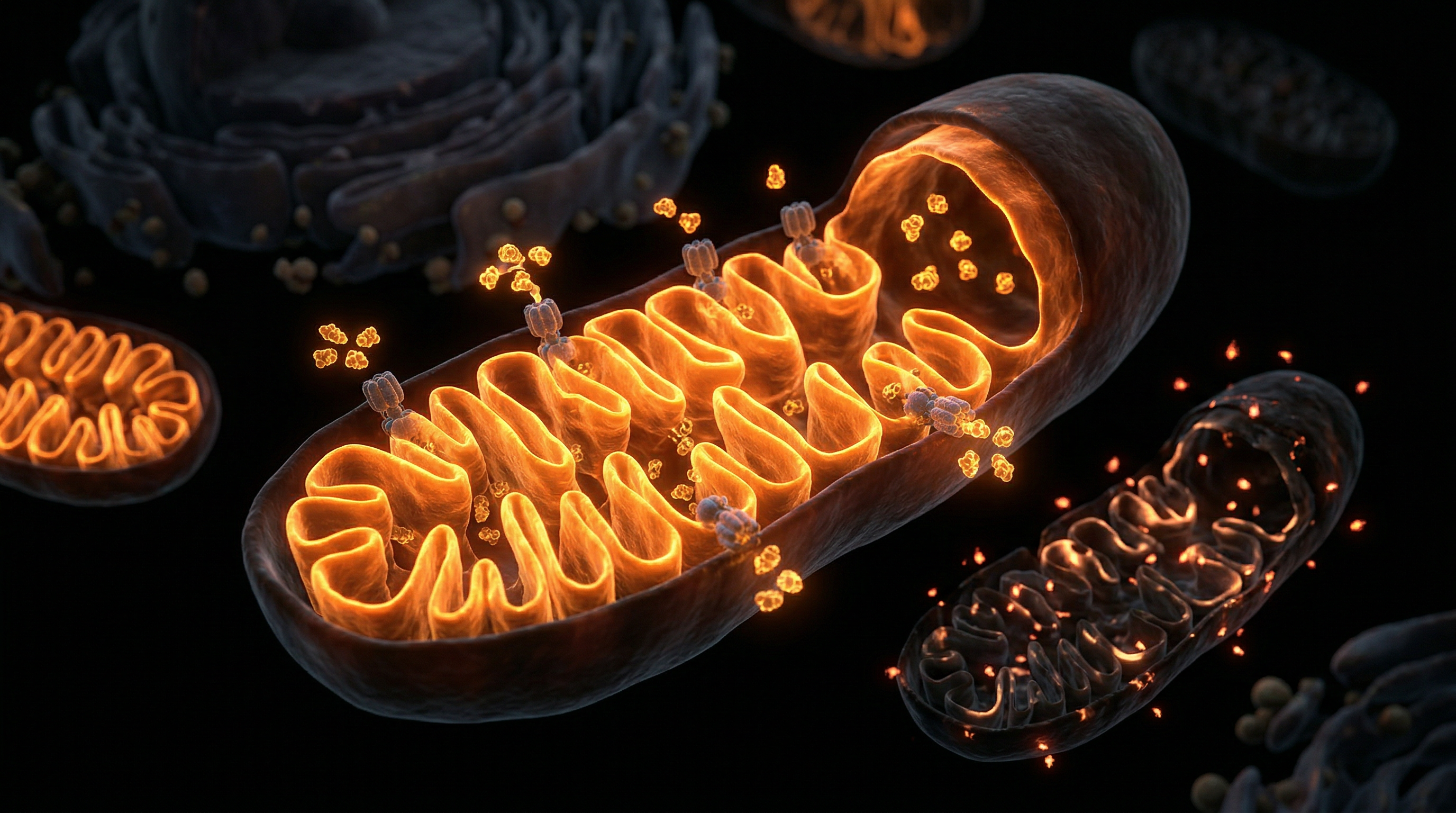
    The mechanistic target of rapamycin (mTOR) — particularly the mTORC1 complex — is a master regulatory kinase that integrates signals from nutrients (especially leucine and glucose), growth factors (particularly insulin and IGF-1), energy status (via AMPK), and oxygen availability to make binary decisions about cellular growth, protein synthesis, and metabolic allocation. When mTOR is active, the cell grows, replicates, and suppresses autophagy; when mTOR is inhibited — as occurs during fasting, caloric restriction, and aerobic exercise — cellular repair, autophagy, and metabolic efficiency are prioritised. Chronic mTOR hyperactivation — driven by the constant nutrient surplus of ultra-processed diets, insulin resistance, and elevated IGF-1 from dairy and animal protein consumption — is a central driver of cancer initiation and progression, Alzheimer's disease pathology, and the accelerated ageing phenotype of the Western lifestyle.

    #mTOR#insulin
    V
    Scientific illustration for Vitamin D: The Immune Regulator Britain Is Chronically Deficient In
    Immune System
    14 MIN READ

    Vitamin D: The Immune Regulator Britain Is Chronically Deficient In

    Vitamin D3 — technically a secosteroid hormone rather than a vitamin — is synthesised in the skin from 7-dehydrocholesterol upon UVB radiation exposure, converted to 25-hydroxyvitamin D in the liver, and then to the active 1,25-dihydroxyvitamin D (calcitriol) in the kidney and immune tissues, where it regulates the expression of over 2,000 genes involved in immune modulation, antimicrobial peptide production, calcium homeostasis, cancer suppression, and cardiovascular protection. An estimated 1 in 5 UK adults are deficient in vitamin D — a figure that rises dramatically in winter months and among darker-skinned individuals due to the UK's northern latitude and insufficient sunlight — creating widespread immune dysregulation, increased susceptibility to infection, elevated cancer risk, and the autoimmune conditions that optimal vitamin D status is documented to prevent. The UK government's recommendation of 400 IU daily is orders of magnitude below the therapeutic levels demonstrated in clinical research.

    #vitamin D#immune function
    P
    Scientific illustration for The Pineal Gland: Fluoride, Calcification & Suppressed Melatonin
    Nervous System
    16 MIN READ

    The Pineal Gland: Fluoride, Calcification & Suppressed Melatonin

    The pineal gland — a pea-sized neuroendocrine structure in the geometric centre of the brain, lacking a blood-brain barrier and therefore uniquely exposed to blood-borne chemicals — synthesises melatonin from serotonin in a light-regulated process governed by the suprachiasmatic nucleus, producing the daily melatonin surge that regulates the circadian rhythm, suppresses tumour cell proliferation, stimulates natural killer cell activity, acts as a potent antioxidant in neural tissue, and maintains the temporal architecture of every physiological process. Fluoride's unique affinity for calcium-rich calcifying tissues causes its accumulation in the pineal gland at concentrations that can reach 300 times those found in blood plasma, progressively calcifying the gland and suppressing its melatonin output — a state now so ubiquitous in the UK population that calcified pineal glands are found on routine CT scans and normalised without consideration of biological consequence. The oncological, immunological, neurological, and sleep implications of widespread pineal calcification remain almost entirely unaddressed in mainstream medicine.

    #pineal gland#melatonin