All INNERSTANDIN content is for educational purposes only — not medical advice, diagnosis or treatment. Full Disclaimer →

    BACK TO DATABASE
    TAGGED RESEARCH

    #gut health

    119TRANSMISSIONS FOUND
    G
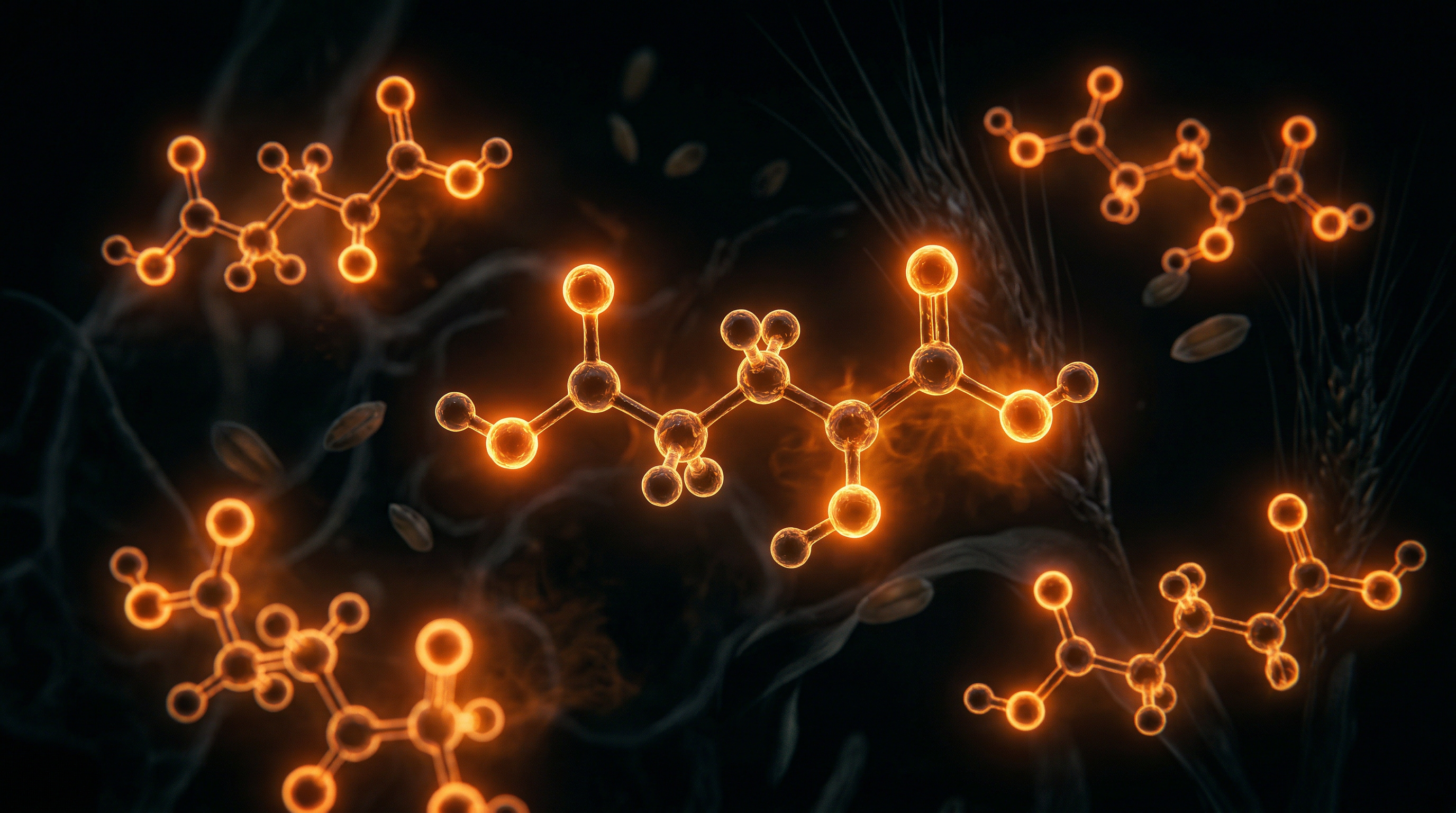
    Scientific illustration for Glyphosate: The World's Most Dangerous Chemical in Your Food
    Environmental Threats
    14 MIN READ

    Glyphosate: The World's Most Dangerous Chemical in Your Food

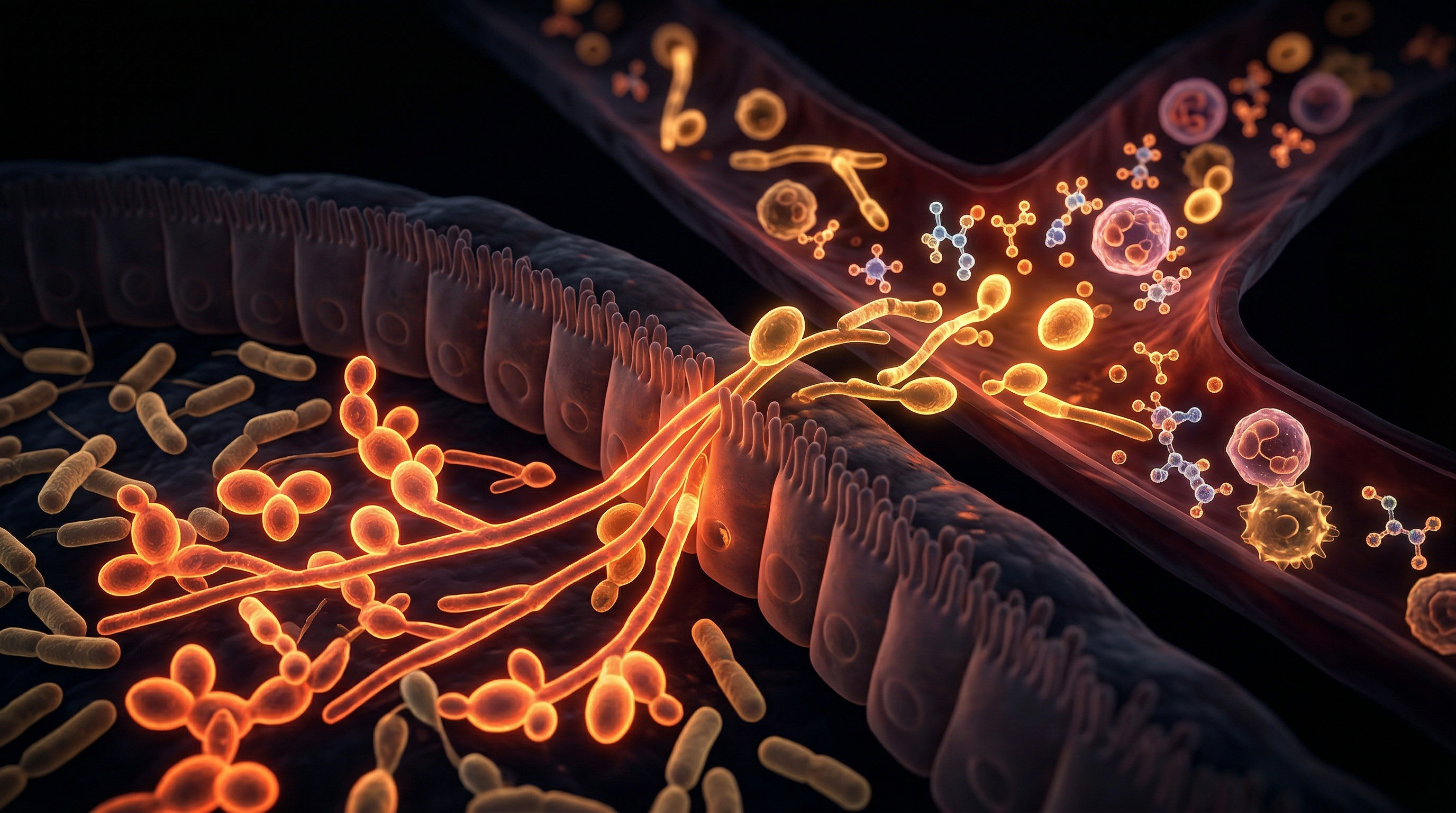
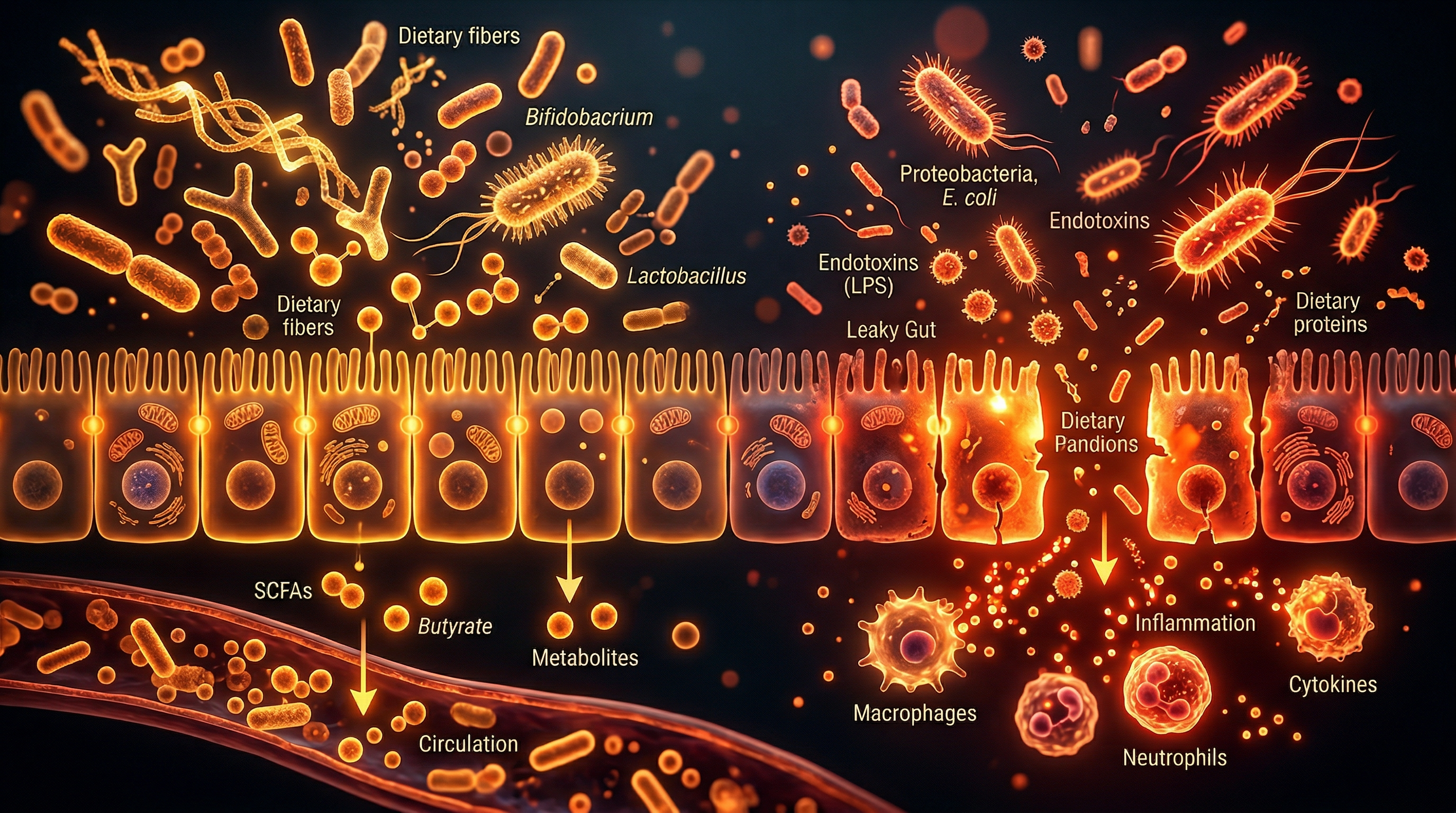
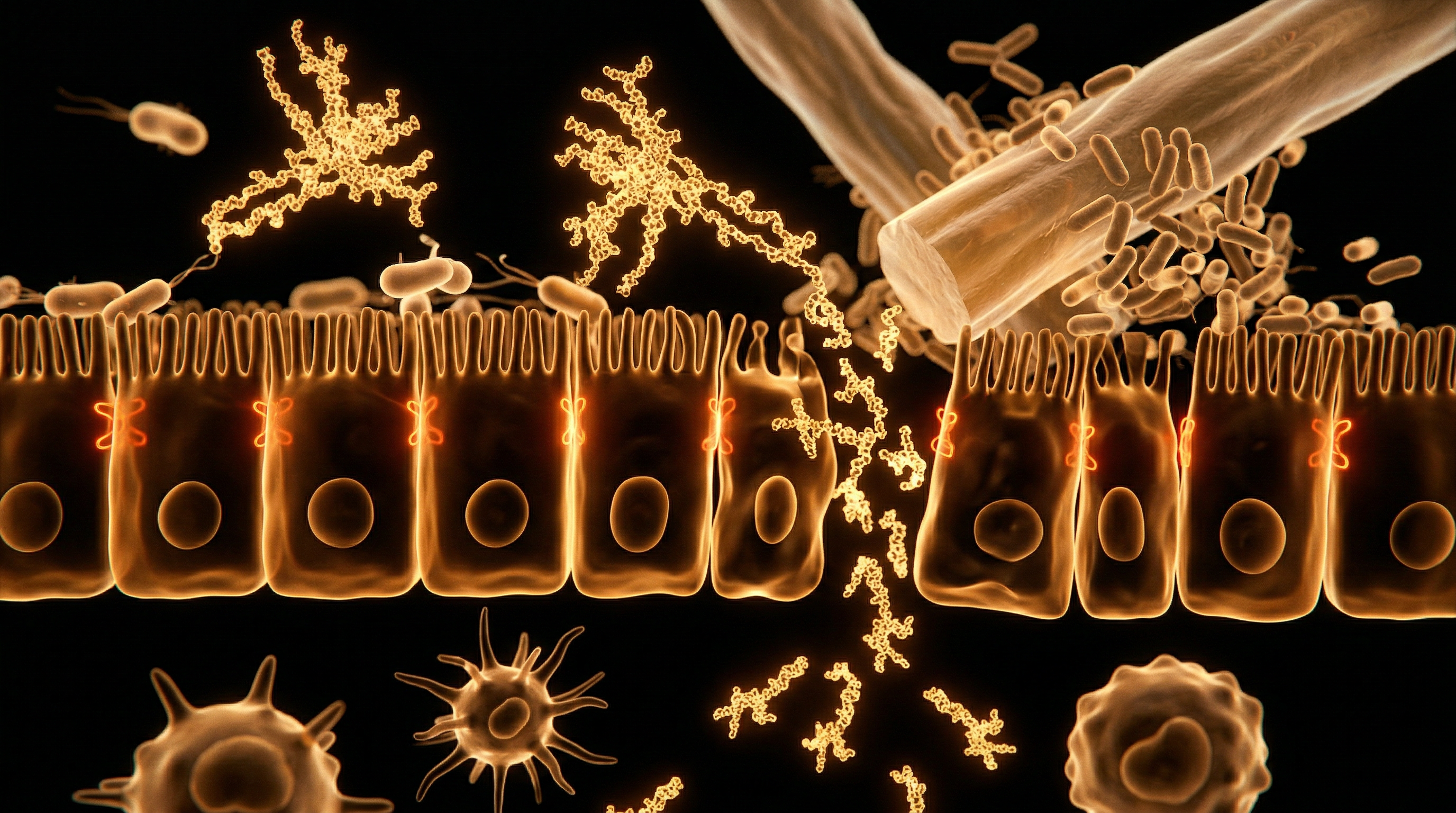
    Glyphosate — the active ingredient in Monsanto's Roundup herbicide — is the most extensively used agricultural chemical in human history, with over 10 billion kilograms applied globally since its commercial introduction in 1974. Its classification as 'probably carcinogenic to humans' by the WHO's International Agency for Research on Cancer (IARC) in 2015 stands in stark contrast to the continuing regulatory approvals it receives from bodies including the UK's Health and Safety Executive — approvals critics argue are based heavily on industry-funded studies. Beyond its carcinogenicity, glyphosate's patented mechanism as a broad-spectrum antibiotic, its direct disruption of the shikimate pathway in gut bacteria, its capacity to chelate essential minerals from food and the gut, and its ability to disrupt the tight junctions of the intestinal epithelium collectively make it the single most consequential dietary toxin in the modern food supply.

    #glyphosate#Roundup
    P
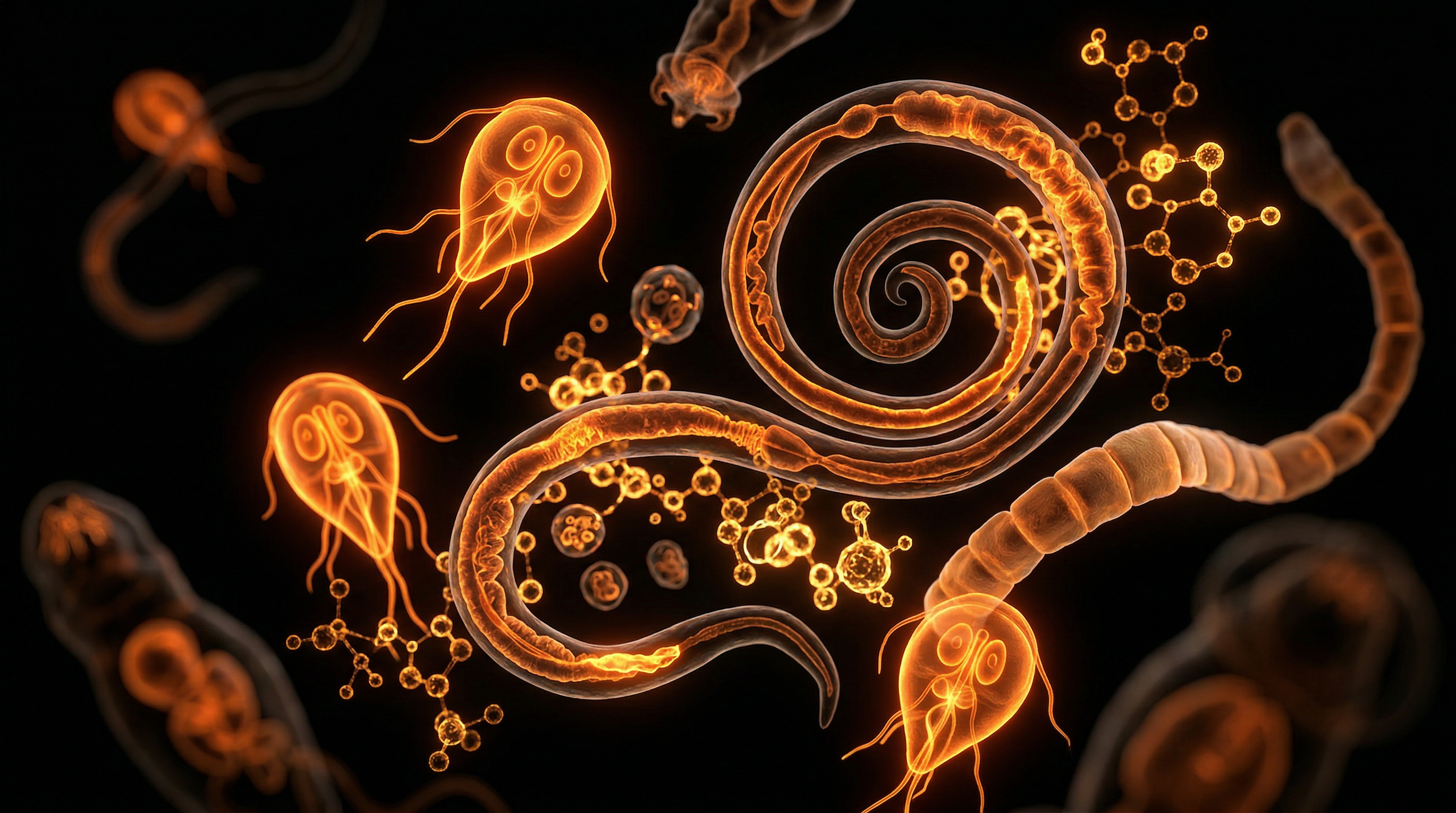
    Scientific illustration for Parasites: The Hidden Epidemic Nobody Talks About
    Environmental Threats
    18 MIN READ

    Parasites: The Hidden Epidemic Nobody Talks About

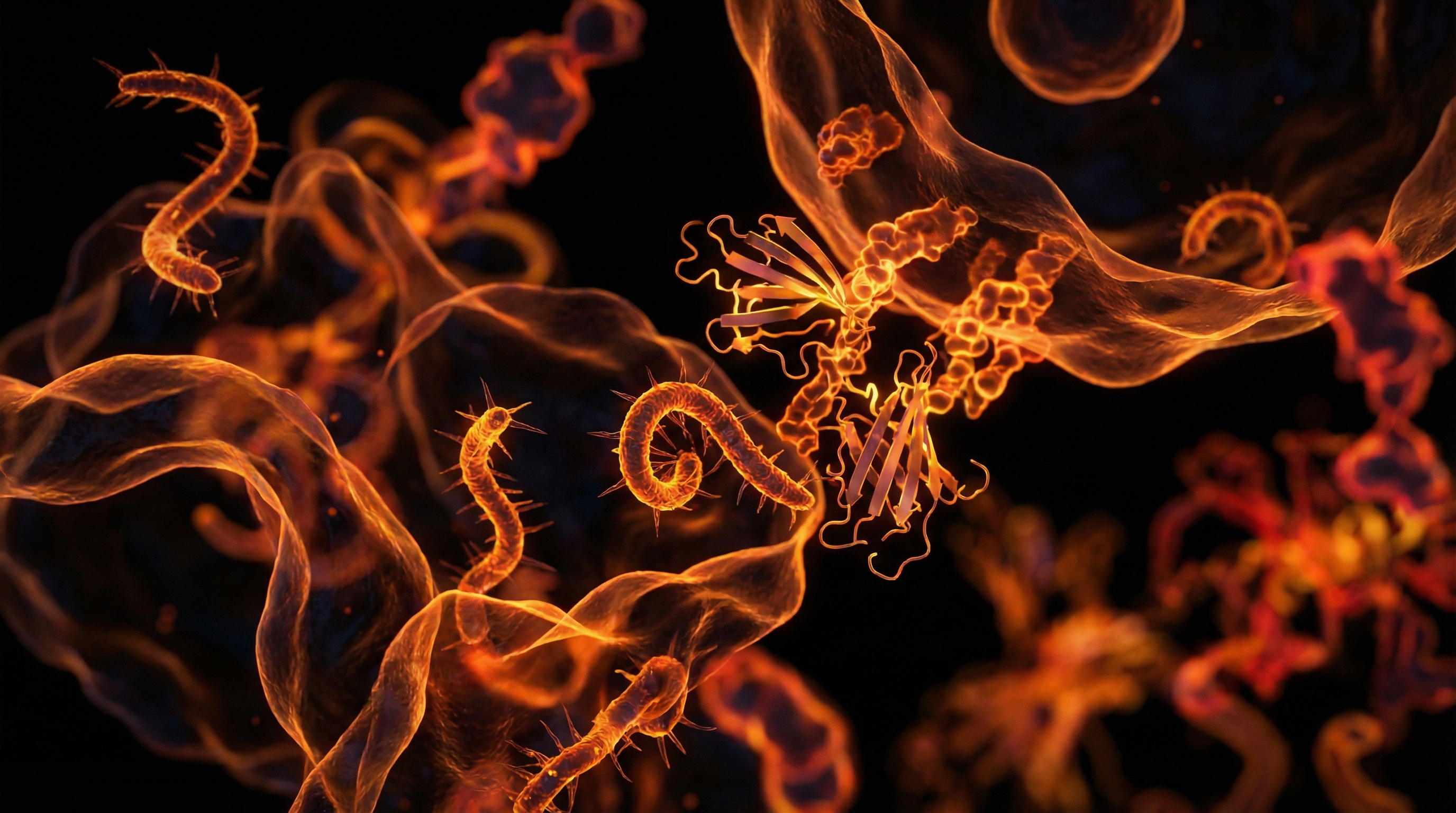
    Intestinal and systemic parasites — including protozoa such as Giardia and Toxoplasma, helminths including roundworm, tapeworm, and Blastocystis hominis, and ectoparasites — are far more prevalent in the UK population than official public health messaging acknowledges, with estimates suggesting that up to one third of the global population carries a helminth infection at any given time. Parasites are not merely a developing-world concern: Toxoplasma gondii — the parasite transmitted by undercooked meat and cat faeces — is estimated to infect up to one third of the UK population, with documented effects on behaviour, dopamine levels, and risk tolerance. Beyond direct tissue damage, parasites consume nutrients including B12, iron, and zinc; suppress immune surveillance; produce toxic metabolites that drive systemic inflammation; and create the gut permeability that enables secondary toxin absorption — making parasite burden a frequently overlooked root cause of chronic fatigue, anaemia, mental health disorders, and autoimmune conditions.

    #parasites#Toxoplasma