The C. Difficile Stalemate: Why Recurrence is a Failure of Ecology, Not Infection Control
Mainstream management of Clostridioides difficile focuses almost exclusively on pathogen eradication through vancomycin or fidaxomicin, yet recurrence rates remain as high as 25 percent. This article explores how Faecal Microbiota Transplant (FMT) shifts the paradigm from germ theory to microbial ecology, restoring the competitive inhibition mechanisms that prevent spore germination. We examine the biological necessity of secondary bile acid metabolism and how a diverse microbiome acts as an immunological shield that antibiotics inherently dismantle.
For decades, the clinical approach to Clostridioides difficile infection (CDI) has been defined by a 'search and destroy' mission. When a patient presents with the characteristic liquid stools and abdominal cramping associated with CDI, the standard protocol involves the administration of narrow-spectrum antibiotics. While these drugs are effective at killing the vegetative state of the bacteria, they are fundamentally incapable of addressing the underlying biological vulnerability: a decimated microbial ecosystem. Recurrent CDI is not a failure of the antibiotic to kill the bacteria; it is a failure of the host's internal ecology to prevent the C. difficile spores from germinating once the treatment ends. This is where Faecal Microbiota Transplant (FMT) enters the frame, representing a radical departure from traditional pharmacology.
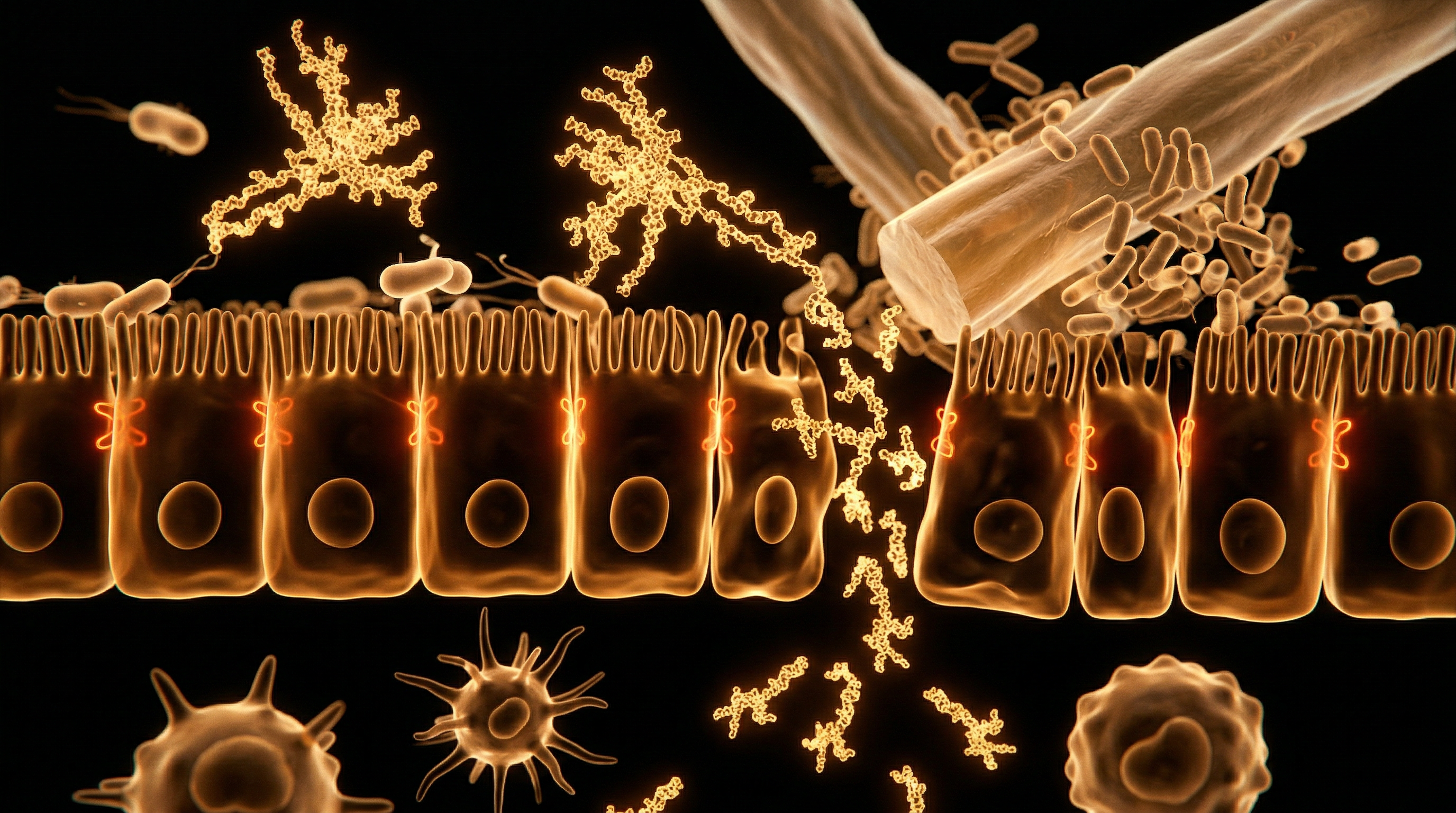
FMT works through several distinct biological mechanisms that mainstream medicine often overlooks. The most critical is the restoration of bile acid metabolism. In a healthy gut, primary bile acids produced by the liver are converted into secondary bile acids by specific commensal bacteria, such as Clostridium scindens. These secondary bile acids are potent inhibitors of C. difficile growth. When antibiotics wipe out these commensal species, primary bile acids—which actually trigger C. difficile spore germination—accumulate, creating a biochemical green light for the pathogen to flourish.
Research published in 'Nature' has demonstrated that FMT rapidly restores these bacterial populations, shifting the bile acid profile back to a protective state within days. Beyond bile acids, FMT introduces competitive exclusion. The human colon is a finite space with limited resources. A diverse microbiome occupies every available niche and consumes the nutrients that a pathogen would otherwise use to multiply. When we transplant a complex community of bacteria, fungi, and viruses from a healthy donor, we are essentially 're-seeding' a forest that has been clear-cut.
This ecosystem-wide restoration also includes the production of bacteriocins—natural antimicrobial peptides produced by beneficial bacteria that specifically target pathogens. The UK's NICE guidelines have slowly begun to acknowledge FMT for recurrent CDI, but the broader implications for the 'first-line' treatment of dysbiosis remain largely ignored. The evidence is overwhelming: FMT boasts a success rate of over 90 percent for recurrent CDI, far exceeding any pharmacological intervention. However, the medical establishment's reliance on sterile, predictable molecules makes the adoption of a 'living medicine' like FMT slow. To truly address the crisis of antibiotic resistance, we must move away from the idea that we can kill our way to health.
We must understand that health is the presence of a resilient, diverse microbial community, not just the absence of a single pathogen. For the health-educated individual, the takeaway is clear: the health of the gut is not maintained by purity, but by complexity. When the system breaks down, the most effective 'drug' may not be a chemical synthesized in a lab, but the biological heritage of a healthy human ecosystem.
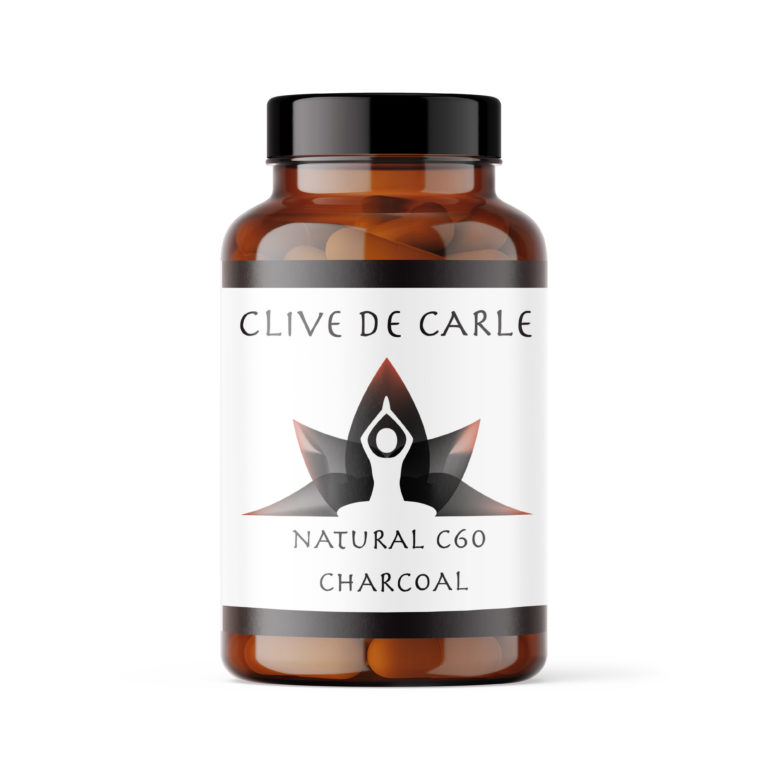
C60 Charcoal – Supports Healthy Digestion and Detoxification.
Support healthy digestion and ease bloating with a natural hardwood charcoal rich in C60 fullerenes. This non-nano formula assists in removing toxins and strengthening your immune response for a more comfortable, balanced gut.
Vetting Notes
Pending
This article is provided for informational and educational purposes only. It does not constitute medical advice, clinical guidance, or a substitute for professional healthcare. Information reflects cited research at time of publication. Always consult a qualified healthcare professional before acting on any health information.
RESEARCH FOUNDATIONS
Biological Credibility Archive
Infusion of donor feces was significantly more effective than vancomycin for recurrent C. difficile infection, highlighting the importance of microbial restoration.
The presence of Clostridium scindens mediates resistance to C. difficile by producing secondary bile acids that inhibit the pathogen's growth.
Antibiotics eliminate indigenous species that compete for nutrients, thereby creating an ecological opening for C. difficile to colonize the gut.
Restoration of the gut microbiome diversity through fecal transplant correlates with a return to metabolic homeostasis and clinical cure.
FMT repairs the bile acid pool to a state that is inhibitory to C. difficile germination, addressing the underlying ecological failure.
Citations provided for educational reference. Verify via PubMed or institutional databases.
Medical Disclaimer
The information in this article is for educational purposes only and does not constitute medical advice, diagnosis, or treatment. Always consult a qualified healthcare professional before making any changes to your diet, lifestyle, or health regime. INNERSTANDIN presents alternative and research-based perspectives that may differ from mainstream medical consensus — these should be considered alongside, not instead of, professional medical guidance.
Read Full DisclaimerReady to learn more?
Continue your journey through our classified biological research.
DISCUSSION ROOM
Members of THE COLLECTIVE discussing "The C. Difficile Stalemate: Why Recurrence is a Failure of Ecology, Not Infection Control"
SILENT CHANNEL
Be the first to discuss this article. Your insight could help others understand these biological concepts deeper.
THE ARSENAL
Based on Faecal Microbiota Transplant — products curated by our research team for educational relevance and biological support.
C60 Charcoal – Supports Healthy Digestion and Detoxification.
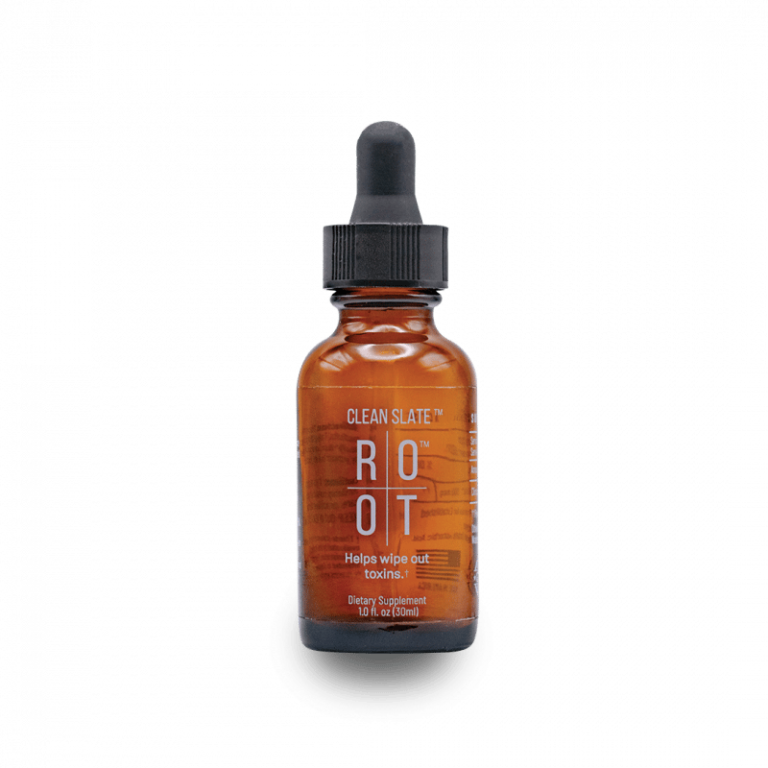
Clean Slate – Detoxes thousands of chemicals,heavy metals, pesticides, allergens, mold spores and fungus
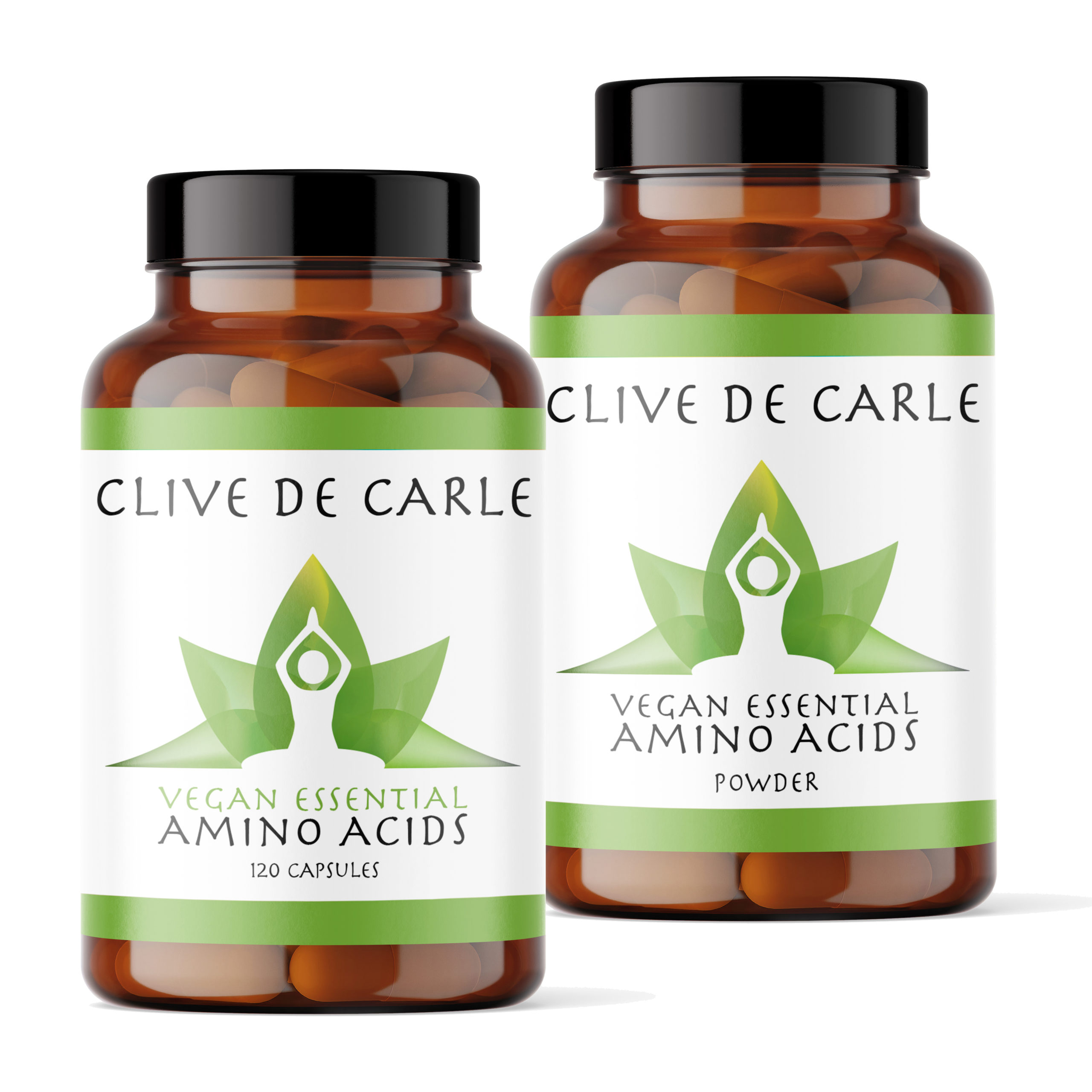
Vegan Essential Amino Acids – Plant-Powered Protein Building
INNERSTANDING may earn a commission on purchases made through these links. All products are selected based on rigorous educational relevance to our biological research.
RABBIT HOLE
Follow the biological thread deeper