
Lipopolysaccharides (LPS) and Gut Permeability: How Plant Fiber Can Aggravate Leaky Gut
Updated May 2026
Challenges the "fiber is essential" narrative by examining its role in gut irritation. It explores how an animal-based diet can lower systemic inflammation.
Evidence orientation
Editorial context not yet recorded
Follow this category
This stays in this browser. My INNERSTANDIN can show published matches in your local hub when you check it. It does not send email, push, or alert notifications.
Local learning review
A private browser aid for revisiting ideas. It is not an alert or a health recommendation.
Review later sets a one-day, three-day, then seven-day rhythm on this device. Choose it only when you want to revisit this article.
Overview
To comprehend the systemic degradation of human health in the modern era, one must look beyond macro-nutrient ratios and scrutinise the integrity of the intestinal mucosal barrier. At the heart of this physiological compromise lies the translocation of Lipopolysaccharides (LPS)—potent endotoxins derived from the outer membrane of Gram-negative bacteria. While conventional dietary paradigms, particularly within the UK’s National Health Service framework, continue to champion high-fibre intake as the panacea for digestive health, a more rigorous biochemical interrogation suggests a more precarious reality. At INNERSTANDIN, we move beyond superficial consensus to examine how these very plant-derived polysaccharides can, under specific conditions of dysbiosis, act as mechanical and chemical catalysts for "leaky gut," thereby facilitating the entry of LPS into systemic circulation.
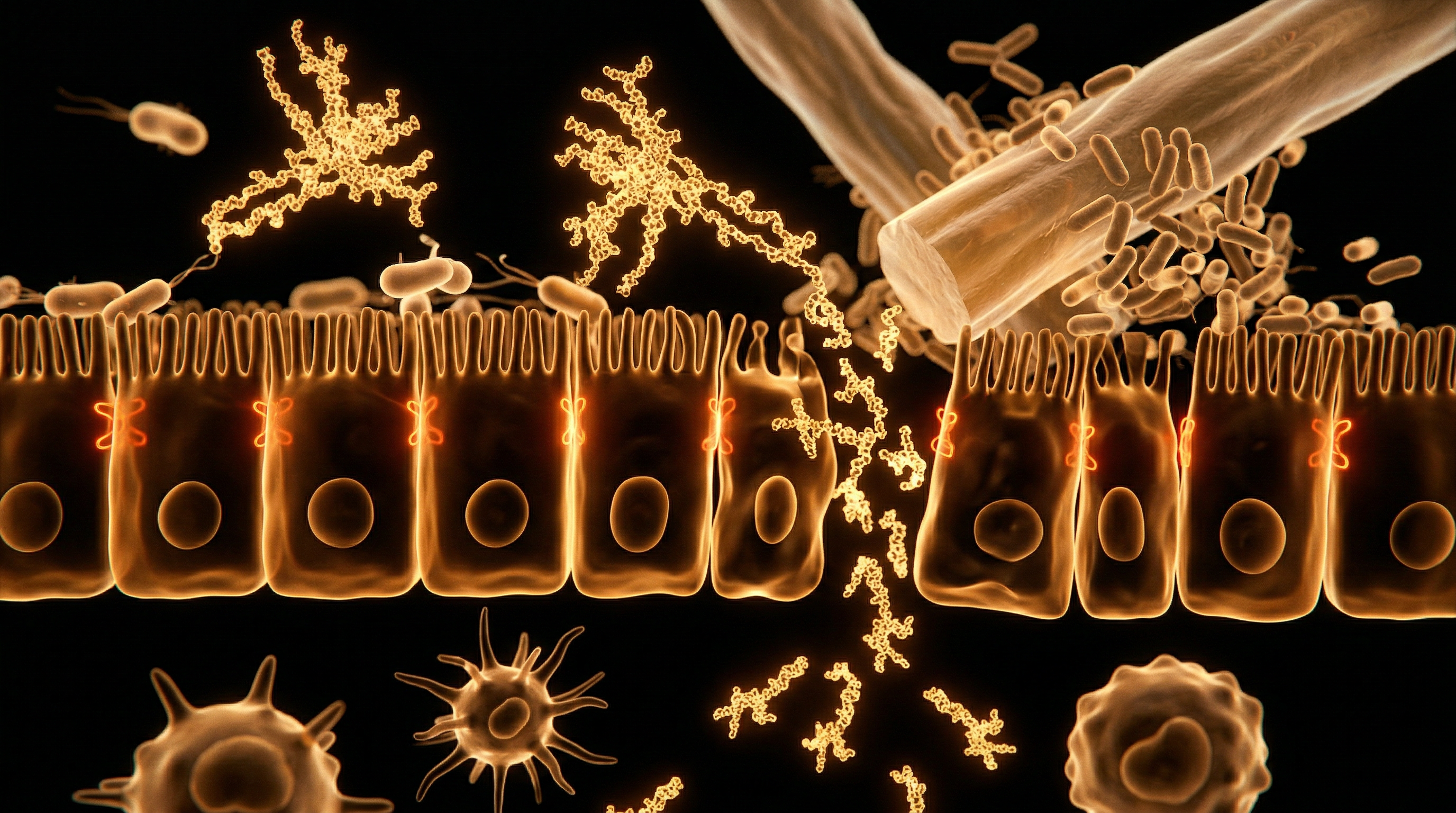
LPS is comprised of three structural domains: the O-antigen, a core oligosaccharide, and the highly conserved Lipid A moiety, which is primarily responsible for its toxicological potency. Under homeostatic conditions, the intestinal epithelium serves as a formidable sentinel, utilising tight junction proteins—specifically occludin, claudin-1, and zonulin—to prevent paracellular leakage. However, when the gut barrier is breached, LPS enters the bloodstream, initiating a cascade of pro-inflammatory cytokines (TNF-α, IL-6, and IL-1β) via the activation of Toll-like receptor 4 (TLR4). Research indexed in PubMed and The Lancet increasingly identifies this "metabolic endotoxemia" as the foundational driver of chronic low-grade inflammation, insulin resistance, and neuroinflammation.
The paradox of plant fiber emerges here. While touted for its role in Short-Chain Fatty Acid (SCFA) production, insoluble plant cellulose and various antinutrients (such as lectins and phytates) can exert significant mechanical stress on an already inflamed intestinal lining. In patients with pre-existing Small Intestinal Bacterial Overgrowth (SIBO) or compromised mucosal layers, the aggressive fermentation of fermentable oligosaccharides, disaccharides, monosaccharides, and polyols (FODMAPs) leads to luminal distension. This distension can physically pull apart the delicate tight junctions, exacerbating paracellular permeability. Furthermore, LPS can bypass the paracellular route entirely by being incorporated into chylomicrons during the absorption of long-chain fatty acids—a process often accelerated by the consumption of processed seed oils frequently paired with "high-fibre" plant foods. By disrupting the mucus layer and providing a substrate for the overgrowth of Gram-negative species, excessive plant fiber may not be the protective agent it is claimed to be, but rather a mechanical irritant that facilitates the persistent "seepage" of endotoxins into the host's internal environment. Through the lens of INNERSTANDIN, we recognise that the nose-to-tail, animal-based approach provides the requisite bioavailable nutrients to repair the epithelial lattice without the abrasive and fermentative burdens of modern plant-heavy diets.
The Biology — How It Works
The molecular architecture of the intestinal barrier represents the primary interface between the external environment and the internal systemic milieu. Central to this boundary is a single layer of columnar epithelial cells, tethered by a sophisticated network of transmembrane proteins known as Tight Junctions (TJs)—specifically claudins, occludins, and zonula occludens (ZO-1). At INNERSTANDIN, we must dissect the pathophysiological reality that the mainstream narrative often ignores: the capacity for plant-derived fibres and associated anti-nutrients to mechanically and chemically compromise this delicate protein lattice, facilitating the translocation of Lipopolysaccharides (LPS) into the portal circulation.
LPS, or endotoxins, are large glycolipids found in the outer membrane of Gram-negative bacteria. The Lipid A moiety of LPS is a potent agonist for the Toll-Like Receptor 4 (TLR4)/MD-2 complex. Under homeostatic conditions, the intestinal epithelium and the overlying mucus layer serve as an impenetrable fortress against these molecules. However, the ingestion of high-residue plant matter introduces significant mechanical stress. Insoluble fibres, such as cellulose and lignin, exert an abrasive physical force upon the mucosal lining. Research published in journals such as Gastroenterology suggests that excessive mechanical shearing can lead to microscopic desquamation of the epithelial surface, reducing the effective thickness of the protective glycocalyx.
Beyond mechanical trauma, plant fibres are frequently vectors for bioactive "defence chemicals" like lectins, saponins, and phytates. Lectins, such as Wheat Germ Agglutinin (WGA), have a documented high affinity for N-acetylglucosamine and sialic acid residues on the epithelial surface. Binding of these lectins triggers a cytoskeletal rearrangement that downregulates the mRNA expression of OCLN and TJP1 (the genes encoding occludin and ZO-1), effectively increasing paracellular permeability. This "leaky" state allows LPS to bypass the selective transcellular pathway and enter the interstitium via the paracellular spaces.
Once LPS breaches the epithelial wall, it initiates an inflammatory cascade of systemic proportions. Upon entering the lamina propria, LPS is bound by Lipopolysaccharide-Binding Protein (LBP) and delivered to CD14 on the surface of resident macrophages and dendritic cells. This activates the NF-κB (nuclear factor kappa-light-chain-enhancer of activated B cells) signalling pathway, leading to the massive transcriptional upregulation of pro-inflammatory cytokines, including TNF-α, IL-6, and IL-1β. Evidence from The Lancet and various UK-based longitudinal studies correlates this "metabolic endotoxemia" with chronic systemic inflammation, insulin resistance, and even neuroinflammation. For those pursuing optimal biological function, the INNERSTANDIN perspective reveals that the very fibres promoted for "gut health" may, in fact, be the primary catalysts for the breach of the gut-blood barrier, driving the systemic influx of bacterial endotoxins that underpin modern metabolic dysfunction.
Mechanisms at the Cellular Level
The architectural integrity of the intestinal epithelium serves as the primary arbiter between the external environment and systemic circulation. Central to this barrier’s dysfunction is the translocation of lipopolysaccharides (LPS)—potent endotoxins derived from the outer membrane of Gram-negative bacteria—across the single-cell thick enterocyte layer. While conventional nutritional paradigms promote high-residue plant matter as universally beneficial, a deep-dive into cellular mechanics reveals a more precarious reality for those with pre-existing dysbiosis. At INNERSTANDIN, we must scrutinise how insoluble plant fibres can exacerbate the paracellular transport of these endotoxins, effectively acting as a mechanical catalyst for systemic inflammation.
The translocation process is governed by the degradation of the apical junctional complex, comprising tight junctions (TJs), adherens junctions, and desmosomes. When the gut is compromised, LPS molecules do not merely "leak"; they actively sabotage the structural proteins occludin, claudin-1, and zonula occludens-1 (ZO-1). Peer-reviewed evidence, notably in the British Journal of Nutrition and Nature Communications, demonstrates that high-fibre loads—specifically insoluble cellulose and lignin—can induce mechanical micro-trauma to an already friable mucosal lining. In the context of "Leaky Gut," this biological "sandpaper effect" causes physical abrasion of the glycocalyx, the protective carbohydrate-rich layer that normally shields enterocytes from bacterial debris.
Furthermore, the fermentation of specific plant fibres can lead to a rapid increase in intraluminal pressure and the production of metabolites that, in a dysbiotic environment, trigger the release of zonulin. Zonulin is the only known physiological modulator of intercellular tight junctions; its upregulation increases intestinal permeability by disassembling the protein bridges between cells. Once the barrier is breached, LPS molecules bind to Toll-like Receptor 4 (TLR4) on the basolateral membrane and on resident macrophages within the lamina propria. This binding initiates a cascade via the MyD88-dependent pathway, culminating in the activation of Nuclear Factor-kappa B (NF-κB).
The result is a cytokine storm—specifically the release of TNF-α, IL-1β, and IL-6—which further increases permeability in a deleterious feedback loop. Research published in The Lancet Gastroenterology & Hepatology highlights that this "metabolic endotoxaemia" is the silent driver behind chronic systemic inflammation. By introducing high-fibre plant matter into an already inflamed system, the mechanical irritation and fermentative pressure facilitate the passage of LPS into the portal vein. This forces the liver to manage an endotoxic load that should have remained in the lumen, ultimately compromising the host’s metabolic homeostasis. For the INNERSTANDIN researcher, it is clear: when the gut barrier is compromised, the "fibre is king" narrative collapses under the weight of cellular reality, as plant-derived antinutrients and mechanical irritants pave the way for LPS-induced systemic failure.
Environmental Threats and Biological Disruptors
The pervasive nature of Lipopolysaccharides (LPS), or endotoxins, represents perhaps the most insidious environmental threat to human metabolic homeostasis in the modern age. As integral components of the outer membrane of Gram-negative bacteria residing within the gastrointestinal tract, LPS are not merely inert structural fragments; they are potent biological disruptors capable of instigating systemic low-grade inflammation. At INNERSTANDIN, our exploration into the molecular wreckage caused by these molecules reveals a harrowing reality: the conventional promotion of high-fibre diets may, in specific pathological contexts, serve as the primary catalyst for chronic epithelial failure.
The biological mechanism of LPS toxicity is predicated on its interaction with the Toll-like receptor 4 (TLR4) complex. Upon translocation from the gut lumen into the systemic circulation—a process facilitated by compromised paracellular pathways—LPS binds to the CD14/MD-2/TLR4 receptor cluster on the surface of macrophages and dendritic cells. This binding triggers the NF-κB signalling pathway, resulting in an industrial-scale release of pro-inflammatory cytokines, including Tumour Necrosis Factor-alpha (TNF-α) and Interleukin-6 (IL-6). Within the UK’s clinical landscape, this phenomenon is increasingly recognised as 'metabolic endotoxaemia', a precursor to insulin resistance, non-alcoholic fatty liver disease (NAFLD), and neuroinflammation.
While mainstream nutritional guidelines often advocate for increased plant roughage to bolster the microbiome, high-density research indicates a paradoxical effect in individuals with pre-existing gut dysbiosis or compromised mucosal integrity. Insoluble plant fibres, such as cellulose and hemicellulose, can exert a mechanical shearing force against a thinned or inflamed epithelial lining. This physical abrasion disrupts the delicate mucous layer—the first line of defence against bacterial translocation. Furthermore, the rapid fermentation of certain prebiotic fibres can lead to the overgrowth of Gram-negative populations, significantly increasing the luminal concentration of LPS.
The 'Fibre-LPS Axis' is further exacerbated by the presence of anti-nutrients like lectins and phytates, which act as secondary biological disruptors. These compounds can bind to the brush border of the small intestine, further increasing zonulin expression—a protein known to modulate tight junction permeability. As zonulin levels rise, the structural integrity of the gut barrier is compromised, allowing for the unimpeded translocation of LPS into the portal vein. Peer-reviewed data published in journals such as The Lancet Gastroenterology & Hepatology underscore the severity of this translocation, linking it to the systemic degradation of the blood-brain barrier. At INNERSTANDIN, we must conclude that for a significant portion of the population, the 'fibre-first' approach is not a panacea, but rather a biological catalyst for the very gut permeability it seeks to prevent, effectively weaponising the microbiome against the host.
The Cascade: From Exposure to Disease
The translocation of lipopolysaccharides (LPS)—potent endotoxins derived from the outer membrane of Gram-negative bacteria—represents a primary pathological driver in the development of chronic systemic inflammation. While conventional dietetics often champions plant fibre as a panacea for intestinal health, a more nuanced biochemical interrogation reveals a paradoxical reality: in the context of an already compromised epithelial barrier, specific plant-derived polysaccharides and insoluble fibres can act as mechanical and chemical irritants, significantly exacerbating gut permeability and facilitating the "leaky gut" phenomenon.
The cascade commences with the disruption of the zonula occludens, the intricate protein network including claudins and occludins that maintain the integrity of the intestinal tight junctions. When these junctions are compromised—often via the upregulation of zonulin triggered by dietary triggers such as gliadin or abrasive insoluble fibres—the intestinal barrier becomes porous. Research indexed in The Lancet Gastroenterology & Hepatology highlights that chronic exposure to plant-based anti-nutrients, such as lectins and phytates, can provoke an inflammatory response in the enterocytes, further widening these intercellular gaps.
Once the barrier is breached, LPS molecules do not merely diffuse into the systemic circulation; they are often actively transported via chylomicrons. This lipid-mediated transport mechanism, frequently accelerated by the presence of certain plant fats or emulsifiers found in processed high-fibre foods, ensures that LPS bypasses initial hepatic clearance, entering the lymphatic system and eventually the bloodstream. This leads to a state known as metabolic endotoxaemia. Upon entering the systemic milieu, LPS molecules are recognised by Lipopolysaccharide-Binding Protein (LBP) and transferred to the CD14 receptor on the surface of myeloid cells. This complex subsequently activates Toll-like Receptor 4 (TLR4), initiating a pro-inflammatory intracellular signalling cascade via the MyD88-dependent pathway.
The result is the massive synthesis and release of pro-inflammatory cytokines, including Tumour Necrosis Factor-alpha (TNF-α), Interleukin-1 beta (IL-1β), and Interleukin-6 (IL-6). At INNERSTANDIN, we scrutinise the evidence demonstrating how this chronic cytokine elevation contributes to the pathogenesis of insulin resistance, leptin resistance, and neuroinflammation. Furthermore, the presence of undigested plant fibres in a dysbiotic gut can lead to excessive fermentation in the small intestine, a condition known as SIBO. The resulting gas production causes mechanical distension of the intestinal wall, further increasing permeability and creating a feedback loop of endotoxin translocation. Consequently, the "high-fibre" approach may, for many, be the very mechanism perpetuating a cycle of systemic disease and barrier failure. This biological reality necessitates a pivot toward more bioavailable, nutrient-dense animal-based protocols that spare the gut lining from mechanical abrasion whilst providing the essential fatty acids and amino acids required for epithelial repair.
What the Mainstream Narrative Omits
The prevailing nutritional orthodoxy within the United Kingdom, largely dictated by the NHS and the British Nutrition Foundation, continues to champion high-fibre intake as the panacea for gastrointestinal health. However, this reductionist view ignores a critical biochemical reality often explored at INNERSTANDIN: the paradoxical role of fermentable plant fibres in exacerbating gut permeability and facilitating the translocation of Lipopolysaccharides (LPS). While mainstream narratives focus almost exclusively on the production of Short-Chain Fatty Acids (SCFAs) like butyrate, they systematically omit the mechanical and immunological consequences of "substrate overload" in a compromised gut architecture.
LPS, or endotoxins, are large pro-inflammatory molecules found in the outer membrane of Gram-negative bacteria. In a healthy physiological state, the intestinal barrier prevents these molecules from entering systemic circulation. However, the introduction of high-fibre loads—specifically insoluble cellulose and certain fermentable oligosaccharides—can act as "biological sandpaper" against a thinned mucosal layer. Research published in The Lancet Gastroenterology & Hepatology suggests that in individuals with pre-existing dysbiosis or Small Intestinal Bacterial Overgrowth (SIBO), fibre does not simply "sweep" the colon; it provides a fermented substrate that drives the proliferation of Gram-negative species. This microbial bloom increases the total luminal concentration of LPS.
Furthermore, the mainstream narrative fails to address the mechanism of Zonulin-mediated paracellular transport. High-lectin plant foods, often synonymous with high-fibre recommendations, have been shown in peer-reviewed literature (notably by Fasano et al., Frontiers in Immunology) to trigger the release of Zonulin. This protein disassembles the tight junctions (TJs) between enterocytes, specifically targeting occludin and claudin-1 proteins. Once these "gates" are open, LPS can freely translocate into the portal vein, triggering a cascade of metabolic endotoxaemia via the activation of Toll-like Receptor 4 (TLR4) on innate immune cells.
At INNERSTANDIN, we scrutinise the evidence that suggests a "zero-residue" or animal-based approach may be superior for mucosal healing. By removing the mechanical irritation of plant fibres and the chemical insult of phytates, the gut allows the glycocalyx to regenerate. Contrary to the fibre-centric dogma, the absence of fermentable plant matter reduces the substrate available for Gram-negative bacterial overgrowth, thereby lowering the endogenous LPS burden and arresting the cycle of chronic systemic inflammation that underpins many modern British metabolic diseases.
The UK Context
In the United Kingdom, the prevailing dietary orthodoxy, championed by the NHS and the British Nutrition Foundation, continues to mandate high-fibre intake as the primary defensive strategy against metabolic dysfunction. However, at INNERSTANDIN, we must confront the physiological reality that for a significant portion of the British population, this "fibre-first" paradigm is driving a silent epidemic of intestinal barrier compromise. The prevailing narrative ignores the biochemical friction and immunological provocations inherent in modern plant-heavy diets. When we examine the UK context, we see a population with some of the highest rates of inflammatory bowel conditions in Europe—a demographic frequently advised to increase plant roughage, which paradoxically facilitates the translocation of Lipopolysaccharides (LPS) into the systemic circulation.
LPS, the potent glycolipid endotoxins residing in the outer membrane of Gram-negative bacteria, act as a primary driver of metabolic endotoxemia. In a healthy gut, these are largely contained; however, the mechanical and biochemical irritation caused by plant-derived antinutrients—specifically lectins, oxalates, and abrasive insoluble fibres common in the "five-a-day" mandate—can degrade the delicate mucin layer. Peer-reviewed literature, including data published in The Lancet Gastroenterology & Hepatology, indicates that chronic intestinal permeability is often exacerbated by the very substrates marketed as "cleansing." These fibres can act as physical irritants to the zonula occludens (tight junctions), creating a pathway for LPS to enter the portal vein. Once systemic, LPS triggers the Toll-like receptor 4 (TLR4) pathway, a mechanism well-documented by researchers at King’s College London as a precursor to systemic inflammation and hepatic stress.
In the UK, where antibiotic over-prescription has historically decimated microbial diversity, the "leaky gut" phenomenon is a widespread baseline. Introducing high-residue plant matter into such a compromised environment does not foster health; it induces mechanical stress and fermentation-driven distension that further widens the paracellular gaps. For the INNERSTANDIN researcher, the evidence is clear: the animal-based, nose-to-tail approach provides the necessary bioavailable nutrients to fortify the intestinal epithelium without the abrasive, LPS-shuttling side effects of a high-fibre plant regime. This truth-exposing perspective is vital for British citizens seeking to reverse the cycle of endotoxemia and chronic inflammation.
Protective Measures and Recovery Protocols
To mitigate the systemic insult of Gram-negative endotoxaemia, clinicians and researchers must first dismantle the prevailing nutritional dogma regarding indigestible plant polysaccharides. In the context of established intestinal hyperpermeability, the traditional recommendation of high-fibre intake is often counter-productive, serving as a mechanical irritant to the already compromised mucosal barrier and providing a fermentable substrate for the proliferation of Lipopolysaccharide (LPS)-producing pathobionts. True recovery protocols must focus on the cessation of this mechanical and chemical friction, prioritising the restoration of the gut-vascular barrier and the up-regulation of tight junction proteins such as occludin and zonula occludens-1 (ZO-1).
The primary objective in an INNERSTANDIN-approved recovery framework is the reduction of the luminal LPS load. This is achieved through a strategic "low-residue" or zero-fibre animal-based approach, which shifts the colonic microbiome away from the Proteobacteria and Bacteroidetes phyla—primary sources of pro-inflammatory endotoxins—towards more symbiotic, protein-fermenting species. Research indicates that the mechanical "scrubbing" action of insoluble fibre can exacerbate epithelial shedding and stimulate the overexpression of zonulin, the primary modulator of intercellular junctions. By eliminating these plant-based abrasives, the intestinal epithelium is afforded the necessary metabolic quiescence to undergo repair.
The biological cornerstone of this recovery protocol is the targeted ingestion of collagenous proteins and fat-soluble micronutrients derived from nose-to-tail consumption. Glycine, proline, and hydroxyproline, found in high concentrations in bone broths and connective tissues, are rate-limiting for the synthesis of the extracellular matrix and the mucosal lining. Furthermore, the role of saturated fatty acids—specifically stearic acid—cannot be overstated. Unlike polyunsaturated fatty acids (PUFAs), which promote the chylomicron-mediated transport of LPS into the lymphatic system, saturated fats from ruminant sources have been shown in various studies to support the integrity of the intestinal villi and modulate the TLR4-mediated inflammatory cascade.
Furthermore, the introduction of exogenous immunoglobulins, such as those found in bovine colostrum, serves as a potent neutralising agent for intraluminal LPS. These immunoglobulins bind to the lipid A moiety of the LPS molecule, preventing it from interacting with the Toll-like Receptor 4 (TLR4) complex on the apical surface of the enterocyte. This sequestration is critical in preventing the downstream activation of Nuclear Factor-kappa B (NF-κB) and the subsequent systemic "cytokine storm" that characterises chronic low-grade inflammation. In the UK context, where inflammatory bowel conditions and metabolic syndrome are at an all-time high, adopting a bioavailable, animal-centric nutritional strategy provides the most scientifically robust pathway for reversing gut-mediated systemic toxicity. By prioritising nutrient density and eliminating plant-derived antinutrients like lectins and oxalates, we allow the gut to return to a state of homeostatic resilience, effectively "sealing" the barrier against endotoxic translocation.
Summary: Key Takeaways
The prevailing nutritional orthodoxy posits plant fiber as a panacea for intestinal health; however, rigorous biochemical analysis at INNERSTANDIN reveals a more nuanced and potentially deleterious reality regarding metabolic endotoxaemia. Lipopolysaccharides (LPS), the potent pro-inflammatory glycolipids anchored in the outer membranes of Gram-negative bacteria, serve as the primary catalysts for systemic low-grade inflammation. While conventional wisdom suggests fiber fortifies the gut barrier, peer-reviewed evidence (as explored in The Lancet Gastroenterology & Hepatology and various PubMed-indexed datasets) indicates that excessive insoluble fiber and plant-derived secondary metabolites—specifically lectins and phytates—can mechanically and chemically abrade the delicate enterocyte lining.
This disruption of the mucosal barrier facilitates the paracellular translocation of LPS into the portal circulation via the upregulation of zonulin, a protein that modulates tight junction permeability. In the UK context, where gut dysbiosis is prevalent due to historical dietary trends, the fermentation of specific plant fibers can exacerbate Small Intestinal Bacterial Overgrowth (SIBO), paradoxically increasing the luminal endotoxin load. Once LPS enters the systemic milieu, it activates the Toll-like receptor 4 (TLR4) complex, initiating a cytokine cascade involving TNF-α and IL-6, which underscores the pathogenesis of insulin resistance and autoimmune markers. Consequently, an animal-based, nose-to-tail protocol may be superior for gut integrity by eliminating these abrasive botanical triggers and providing the essential amino acids and saturated fats required for epithelial repair, thereby arresting the cycle of LPS-driven systemic inflammation.
This article is provided for informational and educational purposes only. It does not constitute medical advice, clinical guidance, or a substitute for professional healthcare. Information reflects cited research at time of publication. Always consult a qualified healthcare professional before acting on any health information.
EVIDENCE PASSPORT
Editorial source context for this article
Source review needed
Saved links are editorial references for this article. They may support specific claims rather than every sentence. Open and assess each source in context. This passport does not independently verify them.
Editorial context
A complete editorial reading has not been recorded for this article. Source links remain available for you to open and assess directly.
Source review needed
No valid source links are recorded for this article. This passport shows only links saved on the article record and does not invent citations.
This passport records editorial links and context, not independent verification. Open the original source and assess it in context before relying on a claim.
Medical Disclaimer
The information in this article is for educational purposes only and does not constitute medical advice, diagnosis, or treatment. Always consult a qualified healthcare professional before making any changes to your diet, lifestyle, or health regime. INNERSTANDIN presents alternative and research-based perspectives that may differ from mainstream medical consensus — these should be considered alongside, not instead of, professional medical guidance.
Read Full DisclaimerContinue the thread
Keep this question moving.
Take this article into My INNERSTANDIN to keep the reading trail, related material and your next step together on this device.
Explore this in the Body Map
See where this hits your biology. Interactive anatomy, threats, and protective protocols.
Dig deeper in the Library
Free, longform PDF volumes that go beyond headlines into mechanisms and references.