
The Histamine-LPS Axis: How Gut Permeability Drives Mast Cell Proliferation
Published April 2026
Conventional gastroenterology often overlooks the symbiotic relationship between lipopolysaccharides (LPS) and mast cell degranulation within the lamina propria. This article explores how intestinal permeability allows bacterial endotoxins to activate Toll-like receptors on mast cells, triggering a self-perpetuating cycle of systemic inflammation. Understanding this axis is critical for addressing the root cause of MCAS rather than merely suppressing symptoms with H1 antagonists.
Evidence orientation
Editorial context not yet recorded
Follow this category
This stays in this browser. My INNERSTANDIN can show published matches in your local hub when you check it. It does not send email, push, or alert notifications.
Local learning review
A private browser aid for revisiting ideas. It is not an alert or a health recommendation.
Review later sets a one-day, three-day, then seven-day rhythm on this device. Choose it only when you want to revisit this article.
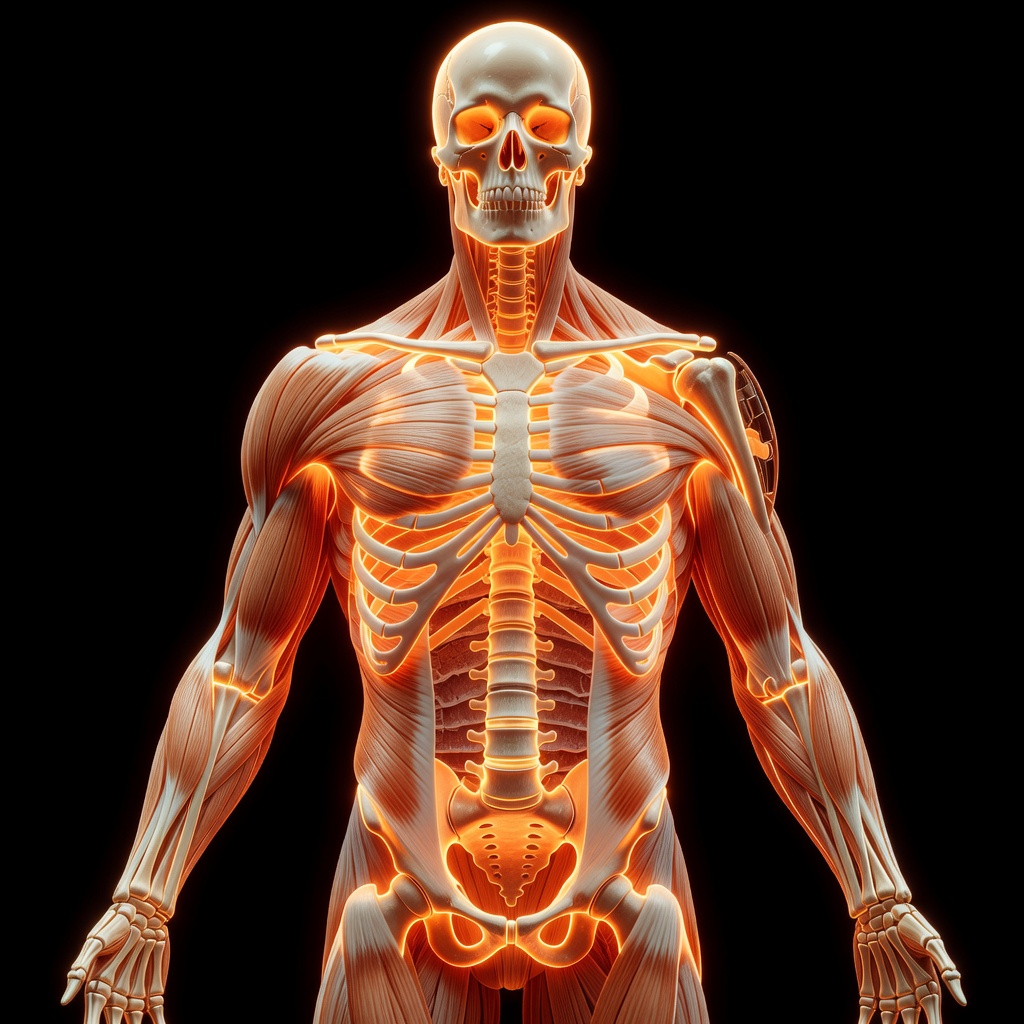
In the landscape of modern immunology, Mast Cell Activation Syndrome (MCAS) is frequently treated as a primary dysfunction of the immune system itself. However, investigative biology suggests that for many, mast cell hyper-responsiveness is a secondary consequence of a compromised intestinal barrier. Central to this mechanism is the Histamine-LPS axis. Lipopolysaccharides (LPS) are large molecules found in the outer membrane of Gram-negative bacteria. In a healthy gut, these endotoxins are sequestered within the lumen.
When the intestinal tight junctions—governed by the protein zonulin—become compromised, LPS translocates into the bloodstream, a phenomenon known as metabolic endotoxemia. Once in the systemic circulation, LPS acts as a potent ligand for Toll-Like Receptor 4 (TLR4) located on the surface of mast cells. Unlike traditional IgE-mediated allergies where an allergen cross-links antibodies, LPS triggers a non-allergic signaling pathway that leads to the release of pro-inflammatory cytokines such as TNF-alpha, IL-6, and tryptase. Mainstream medicine often misses this connection, focusing instead on food eliminations while the underlying bacterial translocation continues unabated. Research published in 'Frontiers in Immunology' highlights that even low-grade endotoxemia can lower the threshold for mast cell degranulation, making the individual reactive to previously tolerated stimuli.
This explains why MCAS patients often find their 'bucket' overflowing despite strict diets. To address this, clinical focus must shift toward restoring the mucosal barrier and modulating the gut microbiome. Practical takeaways include the use of serum-derived bovine immunoglobulins to bind LPS before it reaches the mast cells and the strategic use of polyphenols like quercetin, which not only stabilizes mast cell membranes but also strengthens tight junction integrity. By closing the gate on LPS, we can effectively silence the upstream triggers of mast cell proliferation.
This article is provided for informational and educational purposes only. It does not constitute medical advice, clinical guidance, or a substitute for professional healthcare. Information reflects cited research at time of publication. Always consult a qualified healthcare professional before acting on any health information.
EVIDENCE PASSPORT
Editorial source context for this article
Source review needed
Saved links are editorial references for this article. They may support specific claims rather than every sentence. Open and assess each source in context. This passport does not independently verify them.
Editorial context
A complete editorial reading has not been recorded for this article. Source links remain available for you to open and assess directly.
Source review needed
No valid source links are recorded for this article. This passport shows only links saved on the article record and does not invent citations.
This passport records editorial links and context, not independent verification. Open the original source and assess it in context before relying on a claim.
Medical Disclaimer
The information in this article is for educational purposes only and does not constitute medical advice, diagnosis, or treatment. Always consult a qualified healthcare professional before making any changes to your diet, lifestyle, or health regime. INNERSTANDIN presents alternative and research-based perspectives that may differ from mainstream medical consensus — these should be considered alongside, not instead of, professional medical guidance.
Read Full DisclaimerContinue the thread
Keep this question moving.
Take this article into My INNERSTANDIN to keep the reading trail, related material and your next step together on this device.
Explore this in the Body Map
See where this hits your biology. Interactive anatomy, threats, and protective protocols.
Dig deeper in the Library
Free, longform PDF volumes that go beyond headlines into mechanisms and references.