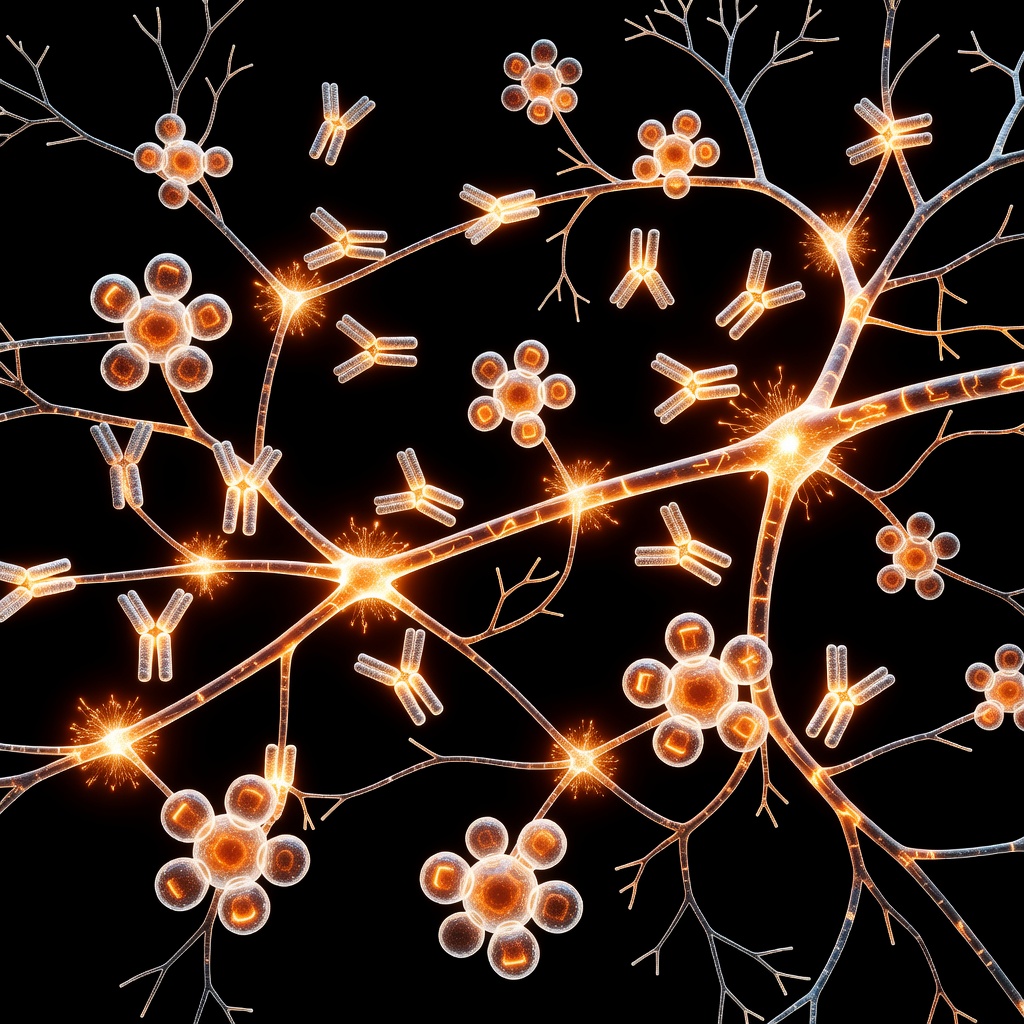
MAST CELL ACTIVATION SYNDROME (MCAS)
The Immune Over-Reaction Hiding Behind Dozens of Different Diagnoses.
Mast Cell Activation Syndrome — the chronic, pathological over-activation of mast cells leading to excessive mediator release — is estimated to affect up to 17% of the population yet remains almost entirely unknown to NHS practitioners outside specialist allergy services. Mast cells — distributed in every tissue, particularly near blood vessels, nerves, and mucosal surfaces — are the immune system's primary sensors of environmental threat, releasing histamine, tryptase, prostaglandins, leukotrienes, and cytokines in response to triggers. In MCAS, this release becomes dysregulated: triggered by foods, chemicals, temperature changes, stress, infections, hormonal fluctuations, and physical stimuli. The resulting symptom constellation — spanning every organ system — produces presentations that cycle through numerous diagnostic labels (IBS, fibromyalgia, dysautonomia, chronic fatigue, interstitial cystitis, eczema) without the unifying diagnosis ever being made.
Keep this domain close
Follow Mast Cell Activation Syndrome (MCAS) to see new published articles in My INNERSTANDIN.
LATEST RESEARCH
In-depth analysis of biological systems and environmental factors.

THE ARSENAL
Based on Mast Cell Activation Syndrome (MCAS) content — products curated by our research team for educational relevance and biological support.
Affiliate promotion. INNERSTANDIN may earn a commission if you make a qualifying purchase through a seller link. Affiliate disclosure

Vegan Essential Amino Acids – Plant-Powered Protein Building

Immuno – Daily Support for the Immune System