
The Bio-Mechanical Trigger: Why MCAS is Not Just an Allergy
Published April 2026
An investigative look at the cellular mechanisms of MCAS, explaining why traditional allergy testing fails and how the nervous system dictates immune reactivity.
Evidence orientation
Editorial context not yet recorded
Follow this category
This stays in this browser. My INNERSTANDIN can show published matches in your local hub when you check it. It does not send email, push, or alert notifications.
Local learning review
A private browser aid for revisiting ideas. It is not an alert or a health recommendation.
Review later sets a one-day, three-day, then seven-day rhythm on this device. Choose it only when you want to revisit this article.
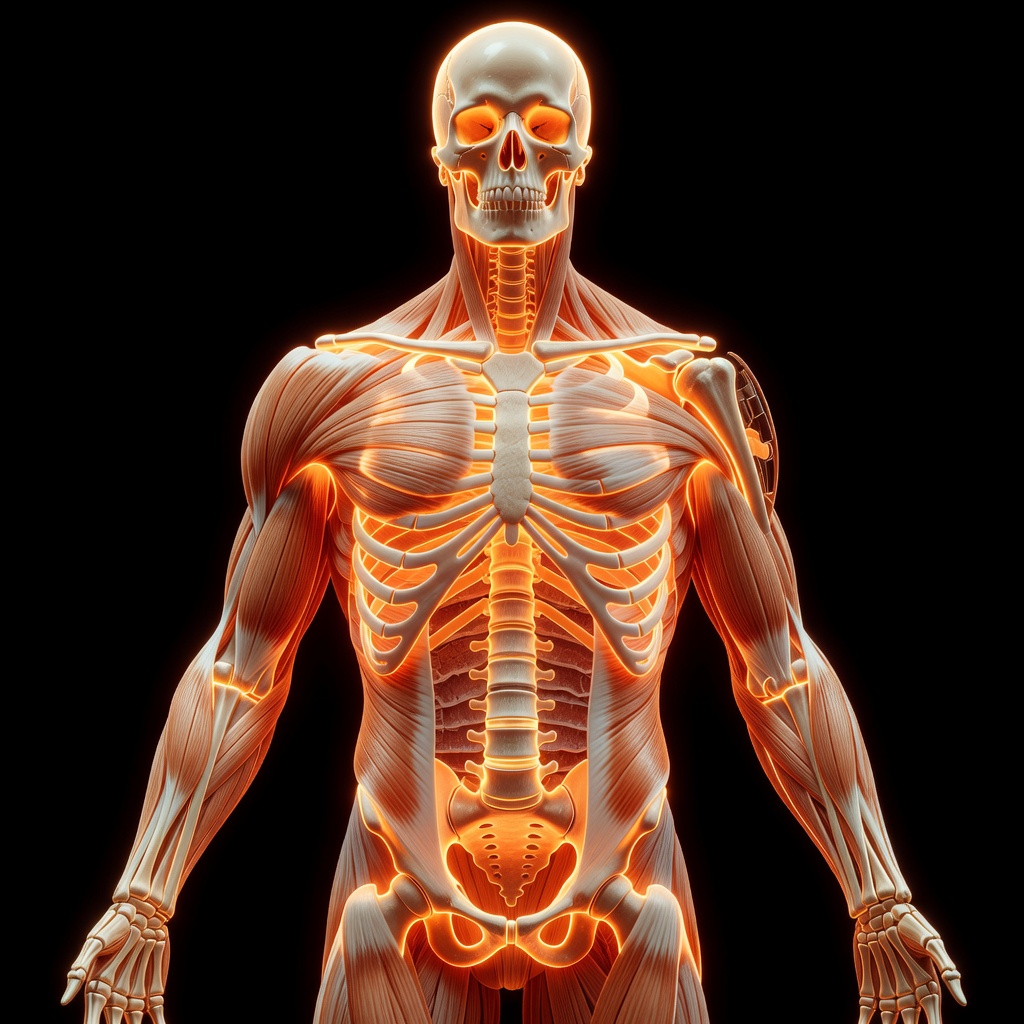
For many navigating the labyrinth of modern chronic illness, Mast Cell Activation Syndrome (MCAS) represents the missing link between disparate symptoms. While mainstream immunology often focuses exclusively on IgE-mediated allergies—the classic ‘peanut anaphylaxis’ model—MCAS involves a far more insidious and systemic dysregulation. In this condition, mast cells, the sentinels of the innate immune system, become hyper-sensitised, releasing a cocktail of over 200 inflammatory mediators like histamine, tryptase, and leukotrienes in response to seemingly benign stimuli. Understanding the biochemical shift from a protective response to a chronic pathological state is the first step toward regaining systemic stability.
The Mechanistic Deviation: Beyond IgE
In a healthy physiological state, mast cells reside in tissues that interface with the external environment, such as the skin, gut lining, and respiratory tract. They are designed to detect threats. However, in MCAS, the threshold for degranulation is pathologically lowered. This isn't necessarily due to an increase in the number of mast cells—a condition known as Mastocytosis—but rather a 'wonky' signaling mechanism. Research suggests that mutations in the KIT receptor, or epigenetic changes in the G-protein coupled receptors (GPCRs) on the mast cell surface, cause these cells to remain in a state of partial activation. Mainstream UK diagnostics often miss this because they rely on serum tryptase levels, which only peak during rare systemic events, failing to capture the 'smouldering' low-grade inflammation that defines the daily lives of MCAS patients.
The Vagal Connection and Neuro-Immune Cross-Talk
The interaction between the autonomic nervous system and the immune system is perhaps the most overlooked aspect of MCAS. The Vagus nerve, the primary component of the parasympathetic nervous system, normally acts as a brake on inflammation via the 'cholinergic anti-inflammatory pathway.' When the Vagus nerve is compromised—through chronic stress, viral insult, or cervical instability—mast cells lose their primary neurological stabilizer. This creates a feedback loop: mast cell mediators irritate the nerve endings, and the stressed nervous system, in turn, signals the mast cells to release more inflammatory chemicals. Breaking this loop requires more than just antihistamines; it necessitates a recalibration of the nervous system to signal safety to the cellular level.
Therapeutic Nuance: Moving Beyond Antihistamines
Conventional treatment in the UK often begins and ends with H1 and H2 blockers like Loratadine or Famotidine. While these are essential for symptom management, they only block the receptors; they do not stop the mast cell from degranulating. An investigative approach looks deeper at mast cell stabilizers such as Quercetin, Luteolin, and Sodium Cromoglicate. These compounds work at the membrane level, preventing the initial release of mediators. Furthermore, addressing the biochemical 'bucket'—the total load of environmental, nutritional, and emotional stressors—is vital. By reducing the cumulative triggers, we can raise the activation threshold, allowing the immune system to return to its role as a silent protector rather than an active aggressor.
This article is provided for informational and educational purposes only. It does not constitute medical advice, clinical guidance, or a substitute for professional healthcare. Information reflects cited research at time of publication. Always consult a qualified healthcare professional before acting on any health information.
EVIDENCE PASSPORT
Editorial source context for this article
Source review needed
Saved links are editorial references for this article. They may support specific claims rather than every sentence. Open and assess each source in context. This passport does not independently verify them.
Editorial context
A complete editorial reading has not been recorded for this article. Source links remain available for you to open and assess directly.
Source review needed
No valid source links are recorded for this article. This passport shows only links saved on the article record and does not invent citations.
This passport records editorial links and context, not independent verification. Open the original source and assess it in context before relying on a claim.
Medical Disclaimer
The information in this article is for educational purposes only and does not constitute medical advice, diagnosis, or treatment. Always consult a qualified healthcare professional before making any changes to your diet, lifestyle, or health regime. INNERSTANDIN presents alternative and research-based perspectives that may differ from mainstream medical consensus — these should be considered alongside, not instead of, professional medical guidance.
Read Full DisclaimerContinue the thread
Keep this question moving.
Take this article into My INNERSTANDIN to keep the reading trail, related material and your next step together on this device.
Explore this in the Body Map
See where this hits your biology. Interactive anatomy, threats, and protective protocols.
Dig deeper in the Library
Free, longform PDF volumes that go beyond headlines into mechanisms and references.