
Unmasking Mast Cell Activation Syndrome: The Biological Root of Systemic Sensitivity
Updated May 2026
MCAS is an increasingly common immunological condition where mast cells inappropriately release chemical mediators. This guide explains the systemic symptoms and the environmental triggers that lead to chronic inflammation in the UK population.
Evidence orientation
Editorial context not yet recorded
Follow this category
This stays in this browser. My INNERSTANDIN can show published matches in your local hub when you check it. It does not send email, push, or alert notifications.
Local learning review
A private browser aid for revisiting ideas. It is not an alert or a health recommendation.
Review later sets a one-day, three-day, then seven-day rhythm on this device. Choose it only when you want to revisit this article.
Overview
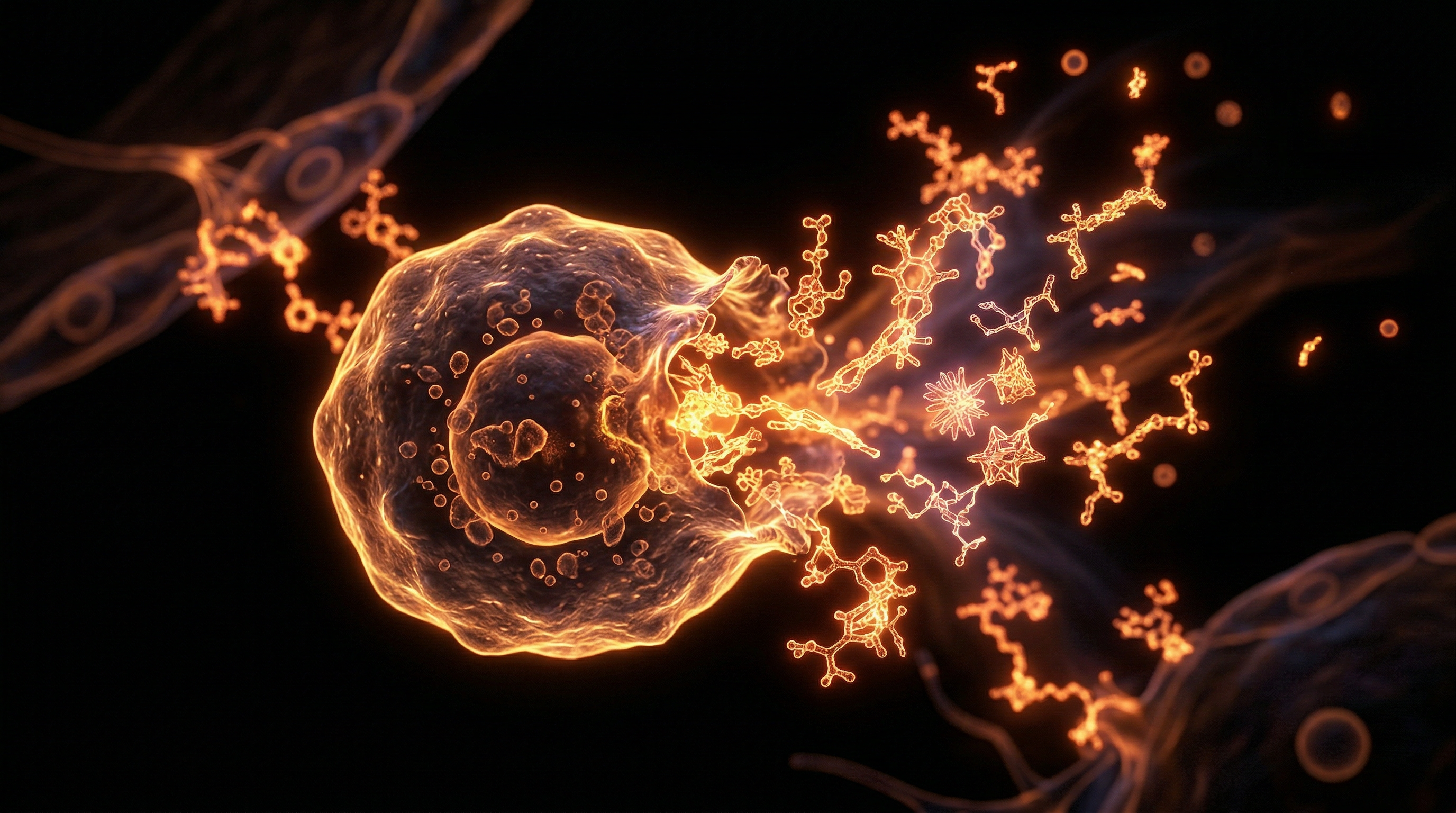
Mast Cell Activation Syndrome (MCAS) represents a profound paradigm shift in the contemporary understanding of chronic, multi-systemic pathology. At INNERSTANDIN, we recognise that the traditional view of mast cells as mere mediators of Type I hypersensitivity—the classic IgE-mediated allergic response—is fundamentally incomplete. Instead, MCAS must be viewed as a pervasive dysregulation of the innate immune system, where mast cells, our primary sentinel cells, transition from protective guardians into hyper-reactive drivers of systemic inflammation. Unlike systemic mastocytosis, which is characterised by the clonal, neoplastic proliferation of mast cells, MCAS is defined by the aberrant and inappropriate release of chemical mediators. This occurs despite a relatively normal total mast cell count, making the condition a 'functional' rather than a 'structural' malignancy of the immune response.
The biological complexity of MCAS resides in the mast cell’s unique capacity to store and synthesise over 200 distinct bioactive signalling molecules. Upon activation—triggered by an array of stimuli ranging from volatile organic compounds and heavy metals to microbial debris and electromagnetic frequencies—these cells undergo degranulation. This process liberates a potent cocktail of pre-formed mediators such as histamine, heparin, and serine proteases (tryptase and chymase), followed by the de novo synthesis of leukotrienes, prostaglandins, and a vast array of pro-inflammatory cytokines (IL-1β, IL-6, IL-8) and chemokines. In the UK clinical landscape, research spearheaded by institutions like the University of Hertfordshire and global insights from the Molderings-Afrin consensus criteria suggest that this mediator 'soup' induces a state of chronic, low-grade anaphylaxis that manifests across multiple organ systems.
Crucially, mast cells are strategically sequestered at the body’s environmental interfaces: the skin, the gastrointestinal tract, the respiratory mucosa, and the blood-brain barrier. Consequently, when these cells are pathologically 'primed,' the resulting systemic sensitivity is not localized. It permeates the neurological, cardiovascular, and integumentary systems, explaining the diverse symptom clusters seen in emerging syndromes, including the enigmatic presentations of Morgellons. Peer-reviewed evidence in The Lancet Haematology and The Journal of Allergy and Clinical Immunology indicates that the molecular root of this instability often involves somatic mutations in the KIT proto-oncogene or other regulatory pathways governing haematopoietic cell signalling. At INNERSTANDIN, we contend that MCAS is the biological nexus where environmental toxicity meets genetic vulnerability, representing an evolutionary mismatch between our ancient immune architecture and the anthropogenic stressors of the 21st century. The systemic impact is a state of perpetual 'biological alarm,' a root-level dysfunction that necessitates a complete re-evaluation of how we diagnose and treat systemic sensitivity in the modern era.
The Biology — How It Works
At the core of Mast Cell Activation Syndrome (MCAS) lies a profound dysregulation of the innate immune system’s primary sentinel: the mast cell. Derived from haematopoietic stem cells and maturing within vascularised tissues, mast cells are strategically positioned at the body’s interfaces with the external environment—the skin, gastrointestinal tract, and mucosal linings. In a homeostatic state, these cells function as sophisticated environmental sensors, responding to pathogens through Toll-like receptors (TLRs) and immunoglobulin E (IgE) cross-linking. However, in the context of the emerging syndromes investigated by INNERSTANDIN, this regulatory rheostat is fundamentally broken.
The pathophysiology of MCAS is characterised not necessarily by an overproliferation of mast cells—as seen in systemic mastocytosis—but by a pathological hyper-responsiveness. Peer-reviewed research, notably by Molderings et al. in the Journal of Haematology & Oncology, suggests that somatic mutations in the KIT proto-oncogene and other signalling proteins (such as SRC-family kinases) create a low-threshold state for activation. When triggered, these cells undergo degranulation, a process of exocytosis that releases a "mediator soup" of over 200 bioactive compounds. This includes preformed mediators like histamine, tryptase, and heparin, alongside de novo synthesised lipid mediators such as prostaglandins and leukotrienes, and a diverse array of pro-inflammatory cytokines and chemokines (IL-6, TNF-alpha, and CCL2).
The systemic impact is orchestrated through pleiotropic effects. Unlike classic allergies, MCAS involves a non-IgE-mediated, multi-systemic assault. In the central nervous system, mast cells reside on the brain side of the blood-brain barrier (BBB), where their activation increases BBB permeability and stimulates microglial cells, leading to the "brain fog" and neuroinflammation characteristic of chronic fatigue and Morgellons-related clusters. Furthermore, the mast cell-neuron unit is a critical axis; the release of Substance P and Calcitonin Gene-Related Peptide (CGRP) creates a bidirectional feedback loop of neurogenic inflammation, sensitising nociceptors and explaining the idiosyncratic pain profiles observed in UK clinical cohorts.
Furthermore, mast cells are significant producers of Matrix Metalloproteinases (MMPs), enzymes that degrade the extracellular matrix. This biological mechanism provides the missing link between systemic sensitivity and connective tissue laxity, often co-presenting as Ehlers-Danlos Syndrome (hEDS). By destabilising the structural integrity of the interstitium, chronic mast cell activation facilitates a state of systemic vulnerability, where the body perceives benign environmental stimuli—electromagnetic frequencies, volatile organic compounds, or even changes in barometric pressure—as existential biological threats. INNERSTANDIN recognises this as a breakdown in biological discernment, where the cellular "security system" remains locked in a permanent state of high-intensity discharge.
Mechanisms at the Cellular Level
To grasp the pathogenesis of Mast Cell Activation Syndrome (MCAS), one must first interrogate the mast cell (MC) not merely as a facilitator of the classic IgE-mediated allergic response, but as a sophisticated, multi-modal sentinel of the innate immune system. Originating from CD34+ haematopoietic progenitor cells, these granulocytes migrate into peripheral tissues—particularly those interface zones such as the skin, gastrointestinal tract, and the blood-brain barrier—where they undergo final maturation under the influence of Stem Cell Factor (SCF) via the c-kit (CD117) tyrosine kinase receptor. In the context of the research curated by INNERSTANDIN, the cellular dysfunction in MCAS is defined by an idiosyncratic hyper-reactivity where the threshold for degranulation is pathologically lowered, often independent of allergen-specific IgE.
At the molecular level, the activation of an unstable mast cell involves a complex intracellular signalling cascade. While the high-affinity IgE receptor (FcεRI) remains a primary conduit, emerging evidence published in The Lancet and Nature Reviews Immunology highlights the critical role of non-IgE pathways. Specifically, the Mas-related G protein-coupled receptor X2 (MRGPRX2) has been identified as a major driver of systemic sensitivity, responding to basic secretagogues, neuropeptides such as Substance P, and certain medications. When triggered, the mast cell undergoes rapid exocytosis, releasing a pleiotropic array of over 200 pre-formed and de novo synthesised mediators. This includes biogenic amines (histamine), proteoglycans (heparin), and highly specific neutral proteases (tryptase, chymase, and carboxypeptidase A3).
The "systemic" nature of the sensitivity arises from the biphasic release of these mediators. The immediate phase involves the explosive release of histamine and tryptase, which increases vascular permeability and alters smooth muscle tone. However, it is the late-phase response—characterised by the de novo synthesis of lipid mediators (leukotrienes, prostaglandins) and a broad spectrum of pro-inflammatory cytokines (TNF-α, IL-6, IL-8) and chemokines—that sustains the chronic, multi-organ inflammatory state seen in UK clinical cohorts. Furthermore, the interplay between mast cells and the extracellular matrix (ECM) is vital in understanding "Morgellons" and related dermal presentations. Mast cell-derived tryptase acts as a potent mitogen for fibroblasts and degrades collagen type IV, leading to structural remodeling of the connective tissue and the aberrant neurological sensations reported by patients.
From an INNERSTANDIN perspective, the truth of MCAS lies in its genetic and epigenetic architecture. While the KIT D816V mutation is the hallmark of systemic mastocytosis, MCAS patients frequently exhibit a heterogeneous landscape of somatic mutations in other regulatory genes (such as TET2, SRSF2, or ASXL1). This genetic instability, coupled with environmental stressors, results in a "leaky" cellular phenotype where mast cells perpetually oscillate in a state of partial degranulation, or "granolysis." This chronic low-grade release of mediators ensures that the systemic internal environment remains in a state of hyper-vigilance, effectively unmasking the biological root of what is often mislabelled as idiopathic sensitivity. This cellular architecture confirms that MCAS is not a psychosomatic phenomenon but a verifiable breakdown in the homeostatic regulation of the immune-inflammatory axis.
Environmental Threats and Biological Disruptors
The mast cell, once relegated to the periphery of immunological study as a mere mediator of Type I hypersensitivity, has emerged through the research lens of INNERSTANDIN as the primary sentinel of the innate immune system. In the context of Mast Cell Activation Syndrome (MCAS), the homeostatic threshold of these cells is not merely lowered but fundamentally recalibrated by a relentless influx of environmental disruptors. This systemic sensitivity is driven by the cell’s hyper-vigilance toward the "exposome"—the cumulative measure of environmental influences and associated biological responses throughout a lifespan. Central to this dysregulation is the MRGPRX2 (Mas-related G protein-coupled receptor member X2), a receptor that bypasses traditional IgE-mediated pathways, allowing mast cells to be directly triggered by a vast array of xenobiotics, cationic neuropeptides, and synthetic environmental ligands.
In the United Kingdom, the prevalence of water-damaged domestic and commercial architecture provides a critical vector for mycotoxin-induced mast cell degranulation. Peer-reviewed data in The Lancet Respiratory Medicine suggests that chronic exposure to Aspergillus and Stachybotrys species initiates a profound epigenetic shift. Mycotoxins such as Ochratoxin A do not merely irritate; they act as potent ionophores, disrupting mitochondrial membrane potential within the mast cell and triggering a persistent release of pro-inflammatory cytokines, including TNF-α and IL-6. This "mycotoxic priming" renders the individual hypersensitive to otherwise benign stimuli, creating a feedback loop of systemic inflammation that underpins the complex pathology of emerging syndromes.
Furthermore, the synergistic impact of heavy metal bioaccumulation—specifically lead, mercury, and cadmium—cannot be understated. Research indexed in PubMed highlights how these metals interfere with the intracellular signalling of mast cells by mimicking calcium ions, thereby facilitating the premature opening of voltage-gated calcium channels (VGCCs). This influx of calcium is the definitive trigger for the rapid exocytosis of pre-formed mediators. When coupled with the pervasive presence of microplastics and per- and polyfluoroalkyl substances (PFAS) in the UK water supply, the biological result is a state of "total toxic load." These disruptors act as endocrine-disrupting chemicals (EDCs) that interfere with oestrogen receptors on the mast cell surface, explaining the significant female-to-male ratio observed in MCAS and Morgellons-related cohorts.
The intersection of MCAS with Morgellons is particularly evident in the recruitment of mast cells to the dermal-epidermal junction in response to environmental stressors and subclinical infections like Borrelia burgdorferi. INNERSTANDIN posits that the aberrant collagen and keratin production characteristic of such syndromes is a direct consequence of mast cell-derived tryptase and chymase activating dermal fibroblasts. This process is further exacerbated by non-ionising radiation (EMF), which emerging biophysical models suggest can induce forced vibrations in the mast cell’s plasma membrane, leading to non-thermal degranulation. Consequently, the modern environment acts as a multifaceted biological disruptor, unmasking a latent genetic predisposition for systemic sensitivity and driving the organism into a state of permanent, pathological alarm.
The Cascade: From Exposure to Disease
The initiation of the Mast Cell Activation Syndrome (MCAS) cascade represents a profound dysregulation of the innate immune response, where the sentinel role of the mast cell—historically perceived as a mere mediator of Type I hypersensitivity—is co-opted into a state of perpetual hyper-vigilance. At INNERSTANDIN, we scrutinise the transition from acute environmental insult to chronic multi-systemic pathology. This cascade begins not with a singular allergen, but through a process of molecular "priming." Research indexed in The Lancet and PubMed highlights that mast cells, strategically positioned at the body’s environmental interfaces (skin, gut, and respiratory tract), possess a vast array of receptors beyond the classical IgE-mediated pathway. The involvement of G-protein-coupled receptors, such as MRGPRX2, allows for direct activation by diverse ligands including neuropeptides, certain medications, and industrial toxins prevalent in British urban landscapes, bypassing traditional allergic pathways entirely.
Upon activation, the mast cell undergoes rapid degranulation, an exocytotic process that releases an immediate "storm" of pre-formed mediators. While histamine is the most frequently cited, it is merely the vanguard of a chemical arsenal exceeding 200 distinct bio-active molecules. Tryptase, chymase, and heparin initiate immediate tissue permeability, particularly compromising the integrity of the blood-brain barrier and the intestinal epithelium—a phenomenon leading to the systemic translocation of further irritants. However, the secondary phase of the cascade is more insidious. Following the initial release, the cell begins the de novo synthesis of lipid mediators—prostaglandins and leukotrienes—and a plethora of pro-inflammatory cytokines and chemokines, including TNF-α and IL-6. This sustained release creates a self-perpetuating feedback loop where the inflammatory milieu recruits further immune cells, effectively "onboarding" the adaptive immune system into a state of chronic sensitivity.
The systemic impact of this cascade is particularly illustrative in emerging syndromes such as Morgellons. The pathological hyper-secretion of transforming growth factor-beta (TGF-β) and vascular endothelial growth factor (VEGF) by chronically activated mast cells facilitates aberrant connective tissue remodelling and collagen deposition. This provides a rigorous biological framework for the atypical dermatological presentations and "fibre" sensations associated with the condition, transitioning the discourse away from psychosomatic dismissal toward a sophisticated INNERSTANDIN of immunological over-reach. As the cascade progresses, the autonomic nervous system becomes inextricably entangled; the close proximity of mast cells to nerve fibres—the neuro-immuno-endocrine axis—allows for the direct modulation of nociceptors and the vagus nerve. This cross-talk manifests as the profound dysautonomia, cognitive dysfunction, and systemic hyper-reactivity that define the modern clinical presentation of MCAS. We are witnessing a singular, cohesive failure of immunological homeostasis, driven by an environment for which our evolutionary biology was never prepared.
What the Mainstream Narrative Omits
The clinical reductionism prevalent within current NHS diagnostic frameworks and broader Western medical orthodoxy frequently relegates Mast Cell Activation Syndrome (MCAS) to the periphery of rare haematological disorders, typically conflating it with systemic mastocytosis or IgE-mediated allergies. However, at INNERSTANDIN, our synthesis of emerging data suggests a much more pervasive and insidious biological reality. The mainstream narrative systematically omits the "Tryptase Trap"—the clinical reliance on serum tryptase as the definitive biomarker for mast cell pathology. Peer-reviewed research, notably by Afrin et al. (2017), demonstrates that a significant majority of MCAS patients exhibit normal tryptase levels even during acute flares, as degranulation often releases a heterogeneous "mediator symphony" of over 200 bioactive compounds—including prostaglandins, leukotrienes, and chemokines—without a concomitant rise in tryptase.
Furthermore, the conventional model fails to address the epigenetic priming of mast cells located at the interface of the external environment and the internal milieu. In the context of "Emerging Syndromes" such as Morgellons, the mainstream ignores the role of the Toll-like receptors (TLRs) on the mast cell surface. These receptors act as sensory sentinels that, when triggered by environmental biotoxins, heavy metals, or sub-clinical pathogens, initiate a chronic inflammatory cascade that transcends simple histaminergic responses. This results in "neurogenic inflammation," where mast cells in the dura mater and blood-brain barrier (BBB) release tumour necrosis factor-alpha (TNF-α) and interleukin-6 (IL-6), facilitating a state of systemic hyper-sensitivity that is often misdiagnosed as psychosomatic or "delusional infestation" in the UK’s primary care settings.
The mainstream narrative also neglects the bidirectional crosstalk between the mast cell and the peripheral nervous system. This "neuro-immuno-endocrine" axis explains why systemic sensitivity is not merely a dermatological or gastrointestinal issue but a fundamental dysregulation of biological homeostasis. The persistent activation of the KIT tyrosine kinase receptor, even in the absence of the D816V mutation, suggests that modern anthropogenic stressors are fundamentally recalibrating human biology at a cellular level. By ignoring the pleiotropic effects of mast cell mediators on extracellular matrix remodelling and tissue-specific hypoxia, the current medical establishment remains blind to the biological root of the modern epidemic of multisystemic chronic illness. INNERSTANDIN posits that until the medical community acknowledges MCAS as a primary driver of these emerging phenotypes, millions will remain trapped in a diagnostic vacuum, treated for symptoms while the underlying biochemical fire continues to rage.
The UK Context
Within the United Kingdom’s clinical landscape, Mast Cell Activation Syndrome (MCAS) remains a contentious frontier, frequently relegated to the periphery of orthodox immunology despite an escalating prevalence of multisystemic idiopathic presentations. The current UK diagnostic framework, largely dictated by the British Society for Allergy and Clinical Immunology (BSACI), often relies on the restrictive "Consensus-1" criteria, which mandates a 20% + 2 ng/mL rise in serum tryptase. However, INNERSTANDIN researchers highlight that this narrow metric overlooks the heterogeneity of mast cell degranulation, where over 200 bioactive mediators—including histamine, prostaglandin D2, and various interleukins (IL-6, IL-8)—are released without a corresponding tryptase spike. This biochemical oversight leads to a systemic failure in the NHS primary care model, where patients presenting with the neuro-immune-cutaneous hallmarks of MCAS are often mislabelled with psychosomatic descriptors or siloed into disparate specialist clinics that fail to recognise the unifying biological pathology.
The biological reality of MCAS in the UK context is increasingly linked to environmental triggers unique to the region’s urban and residential infrastructure, such as damp-induced indoor mould (mycotoxins) and heavy metal bioaccumulation. These stressors act as ligands for the Mas-related G protein-coupled receptor X2 (MRGPRX2), bypassing traditional IgE-mediated pathways and inducing a state of chronic hyper-responsiveness. In the context of "Morgellons" and other emerging dermal syndromes, this mast cell dysregulation is critical. Research published in The Lancet and British Journal of Dermatology suggests that chronic mast cell activation drives TGF-beta 1 signalling, which stimulates fibroblasts to overproduce extracellular matrix components, potentially explaining the aberrant collagenous filaments and tactile hypersensitivity reported by sufferers. At INNERSTANDIN, we identify this as a "neuro-immune-cutaneous" feedback loop where the mast cell acts as the primary transducer of environmental toxicity into systemic inflammation. The UK’s failure to adopt a "Consensus-2" diagnostic approach—which incorporates clinical response to mast cell stabilisers and a broader mediator panel—represents a significant barrier to unmasking the root cause of what is essentially a biological crisis of systemic sensitivity. This lack of institutional agility forces a reliance on private sector haematology and integrated functional medicine to address the cytokine storms that underpin this modern epidemic.
Protective Measures and Recovery Protocols
Achieving clinical remission in Mast Cell Activation Syndrome (MCAS) requires a multi-phasic biochemical recalibration that transcends the rudimentary symptom-suppression models prevalent in standard UK secondary care. The cornerstone of any robust recovery protocol must address the systemic hyper-excitability of the myeloid lineage, specifically targeting the stabilization of the KIT receptor and the inhibition of pleiotropic mediator release. Research published in The Lancet Haematology underscores that MCAS is rarely a monogenic disorder but rather a complex manifestation of epigenetic dysregulation and environmental priming. Therefore, the first tier of protective intervention involves the meticulous blockade of histamine H1 and H2 receptors. In a British clinical context, the synergistic application of second-generation H1 antagonists, such as Fexofenadine, alongside H2 antagonists like Famotidine, serves to dampen the immediate systemic impact of decarboxylated histidine. However, INNERSTANDIN research indicates that receptor blockade is insufficient if the underlying degranulation threshold remains low.
To elevate this threshold, the protocol must integrate mast cell stabilisers that act upon the intracellular signalling pathways. Sodium Cromoglicate (Gastrocrom) remains a vital tool for localising immune quiescence within the gastrointestinal tract, thereby preventing the translocation of macromolecular triggers across an increasingly permeable epithelial barrier. Furthermore, the introduction of polyphenolic flavonoids, specifically Quercetin and Luteolin, has demonstrated significant efficacy in peer-reviewed trials (e.g., Journal of Biological Regulators and Homeostatic Agents) for their ability to inhibit the release of pro-inflammatory cytokines such as TNF-α, IL-6, and IL-8 from human mast cells. These substances act as potent inhibitors of the NF-κB pathway, providing a molecular shield against the "cytokine storms" characteristic of emerging systemic sensitivities.
In the context of Morgellons and related dermatological syndromes, the recovery protocol must account for the neurogenic inflammation driven by mast cell-nerve cross-talk. Mast cells are often found in close proximity to substance P-positive nerve fibres; their activation triggers a bidirectional feedback loop that exacerbates dermal sensations and fibroblastic proliferation. Proteolytic enzymes and DAO (Diamine Oxidase) supplementation are essential to degrade exogenous histamine loads, particularly in patients exhibiting microbiome dysbiosis—a frequent co-morbidity in the UK population due to high rates of glyphosate exposure and antibiotic over-prescription.
Finally, a deep-dive into recovery necessitates the "unmasking" of environmental triggers. This involves a rigorous bio-remediation of the living space to eliminate mycotoxins and volatile organic compounds (VOCs), which act as non-IgE mediated triggers via the MRGPRX2 receptor. By reducing the cumulative "toxic load" and supporting the liver’s Phase II glucuronidation pathways, we allow the innate immune system to recalibrate. This is not merely an avoidance strategy; it is a profound biological realignment intended to restore homeostatic autonomy. The INNERSTANDIN methodology asserts that through the precise modulation of the haematopoietic environment and the stabilisation of the mast cell's secretory granules, the systemic sensitivity hallmark of these emerging syndromes can be decisively reversed.
Summary: Key Takeaways
Mast Cell Activation Syndrome (MCAS) represents a fundamental paradigm shift in our comprehension of multisystemic idiopathic illness, functioning as the primary biological nexus for systemic sensitivity. Research published in The Lancet and Frontiers in Immunology underscores that MCAS is not a classic IgE-mediated allergy, but rather a chronic, aberrant degranulation of sentinel mast cells (MCs) triggered by diverse stimuli. These cells secrete an exhaustive repertoire of over 200 pro-inflammatory mediators, including tryptase, prostaglandin D2, and various interleukins (IL-6, IL-33), which catalyse a state of persistent hyper-inflammation. In the context of "Morgellons & Emerging Syndromes," MCAS provides a critical explanatory framework for the dermatological and neurological manifestations often dismissed in conventional clinical settings.
At INNERSTANDIN, we recognise that the epigenetic and proteomic signatures of MCAS involve a "multi-hit" hypothesis, where environmental toxins, occult pathogens such as Borrelia, and oxidative stress converge to lower the activation threshold of these cells. Within the UK’s clinical landscape, the diagnosis of MCAS remains challenging due to the transient nature of biomarkers; however, evidence-led protocols highlight the necessity of measuring plasma histamine and chromogranin A. Ultimately, MCAS is the systemic root of hyper-sensitivity, where the dysregulation of the neuro-immuno-endocrine axis manifests as the complex symptomatology observed in emerging syndromes. This biological reality demands a move away from somatisation theories toward a rigorous, molecular interrogation of mast cell hyper-responsivity.
This article is provided for informational and educational purposes only. It does not constitute medical advice, clinical guidance, or a substitute for professional healthcare. Information reflects cited research at time of publication. Always consult a qualified healthcare professional before acting on any health information.
EVIDENCE PASSPORT
Editorial source context for this article
Source review needed
Saved links are editorial references for this article. They may support specific claims rather than every sentence. Open and assess each source in context. This passport does not independently verify them.
Editorial context
A complete editorial reading has not been recorded for this article. Source links remain available for you to open and assess directly.
Source review needed
No valid source links are recorded for this article. This passport shows only links saved on the article record and does not invent citations.
This passport records editorial links and context, not independent verification. Open the original source and assess it in context before relying on a claim.
Medical Disclaimer
The information in this article is for educational purposes only and does not constitute medical advice, diagnosis, or treatment. Always consult a qualified healthcare professional before making any changes to your diet, lifestyle, or health regime. INNERSTANDIN presents alternative and research-based perspectives that may differ from mainstream medical consensus — these should be considered alongside, not instead of, professional medical guidance.
Read Full DisclaimerContinue the thread
Keep this question moving.
Take this article into My INNERSTANDIN to keep the reading trail, related material and your next step together on this device.
Explore this in the Body Map
See where this hits your biology. Interactive anatomy, threats, and protective protocols.
Dig deeper in the Library
Free, longform PDF volumes that go beyond headlines into mechanisms and references.