
The Glyphosate Burden: Gut Health and the UK Loaf
Updated May 2026
This article investigates the prevalence of glyphosate residues in British wheat and its disruptive impact on the human microbiome. It reveals how standard milling and baking processes fail to eliminate these pervasive herbicidal traces.
Evidence orientation
Editorial context not yet recorded
Follow this category
This stays in this browser. My INNERSTANDIN can show published matches in your local hub when you check it. It does not send email, push, or alert notifications.
Local learning review
A private browser aid for revisiting ideas. It is not an alert or a health recommendation.
Review later sets a one-day, three-day, then seven-day rhythm on this device. Choose it only when you want to revisit this article.
Overview
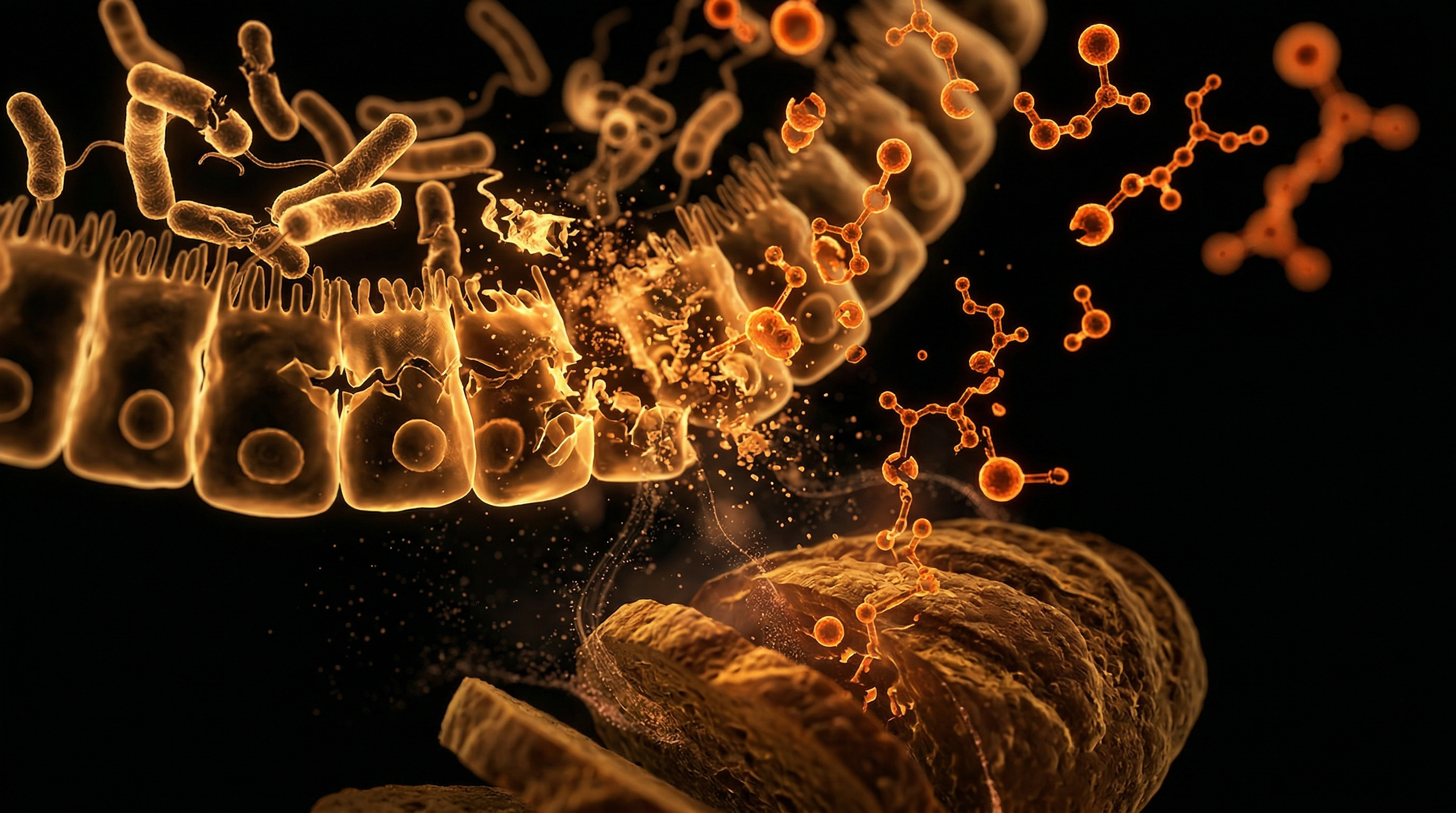
In the verdant rolling hills of the British countryside, a silent chemical revolution has fundamentally altered the composition of our most basic staple: the loaf of bread. For millennia, wheat has been the "staff of life," a cornerstone of human civilisation. However, in the last four decades, the industrialisation of British agriculture has introduced a persistent guest to our breakfast tables. Glyphosate, the active ingredient in the world’s most widely used herbicide, has transitioned from a tool for weed control to a pervasive contaminant within the human biological system.
As a senior researcher for INNERSTANDING, I have spent years peeling back the layers of regulatory obfuscation that surround our food supply. The data is clear, yet often suppressed: the British loaf is no longer just a source of carbohydrates and fibre; it is a primary vector for a potent antimicrobial agent that disrupts the delicate ecology of the human microbiome. While mainstream narratives suggest that glyphosate is safe because it targets a biological pathway absent in mammals, this perspective is dangerously reductionist. It ignores the trillions of microbial cells within our gut that do possess this pathway—the very microbes that regulate our immunity, our neurotransmitters, and our metabolic health.
This article provides a comprehensive investigation into the "Glyphosate Burden." We will explore how this phosphonic acid derivative survives the heat of the oven, how it systematically dismantles the intestinal barrier, and why the UK's specific agricultural practices—notably pre-harvest desiccation—place the British consumer at a unique disadvantage. This is the story of how a chemical intended to kill weeds became a persistent disruptor of human health.
The Biology — How It Works
To understand the glyphosate burden, one must first understand its primary mechanism of action: the inhibition of the 5-enolpyruvylshikimate-3-phosphate synthase (EPSPS) enzyme. This enzyme is a critical component of the Shikimate pathway, a seven-step metabolic route used by plants, bacteria, and fungi to biosynthesise essential aromatic amino acids: Phenylalanine, Tyrosine, and Tryptophan.
Fact: Humans do not possess the Shikimate pathway, which forms the basis of the industry's claim that glyphosate is "non-toxic" to humans. However, this ignores the fact that our gut microbiome—the "second brain"—is entirely dependent on this pathway.
When a plant or a bacterium is exposed to glyphosate, the chemical acts as a competitive inhibitor. It mimics the structure of phosphoenolpyruvate (PEP), binding to the EPSPS enzyme and halting the production of these vital amino acids. Without them, the organism cannot produce the proteins, alkaloids, or lignin necessary for life, and it eventually dies.
In the context of the human gut, this is catastrophic. We rely on our gut bacteria to synthesise these amino acids for us, particularly Tryptophan, which is the precursor to Serotonin (the "happiness hormone") and Melatonin (the sleep hormone). By disrupting the microbial Shikimate pathway, glyphosate acts as a stealth antibiotic. It does not kill the host (the human), but it starves the symbiotic residents that maintain the host's health.
The Selectivity of Destruction
Research has demonstrated that glyphosate-induced disruption is not uniform across all microbial species. Pathogenic bacteria, such as Salmonella enteritidis, Salmonella gallinarum, and Clostridium botulinum, tend to be highly resistant to glyphosate. Conversely, the "beneficial" bacteria that promote health, such as Lactobacillus and Bifidobacterium, are highly susceptible. This creates a state of Dysbiosis, where the protective microbial guard is decimated, allowing opportunistic pathogens to thrive and trigger systemic inflammation.
Mechanisms at the Cellular Level
The damage glyphosate inflicts extends beyond the microbial population. At the cellular level, glyphosate acts as a potent chelator and a disruptor of epithelial integrity.
The Breach of Tight Junctions
The human intestinal lining is a single layer of cells held together by "Tight Junctions." These act as the body's gatekeepers, deciding what enters the bloodstream and what stays in the gut. Glyphosate has been shown to stimulate the release of Zonulin, a protein that regulates the opening of these junctions.
When Zonulin levels rise—often in response to both glyphosate and the modern wheat protein, gluten—the tight junctions "unzip." This leads to Intestinal Permeability, commonly known as Leaky Gut. Once the barrier is breached, undigested food particles, bacterial endotoxins (LPS), and environmental toxins enter the systemic circulation, triggering a chronic immune response.
Mitochondrial Dysfunction and Oxidative Stress
Glyphosate is also a known mitochondrial toxin. Mitochondria are the "power plants" of our cells, responsible for generating ATP (energy). Glyphosate interferes with the Electron Transport Chain, specifically affecting Complex II and III. This interference leads to the overproduction of Reactive Oxygen Species (ROS), causing oxidative stress that damages cellular DNA and membranes.
Mineral Chelation
Originally patented as a descaling agent to clean industrial pipes, glyphosate is an incredibly effective chelator. It binds to divalent cations, specifically Manganese (Mn), Magnesium (Mg), Zinc (Zn), and Iron (Fe).
- Manganese is a crucial cofactor for the enzyme Superoxide Dismutase (SOD), which protects cells from oxidative damage.
- By stripping these minerals from our food and our bodies, glyphosate induces a state of functional mineral deficiency, even in individuals consuming a "balanced" diet.
Environmental Threats and Biological Disruptors
The presence of glyphosate in the British loaf is not an accident of nature; it is a direct consequence of a specific agricultural practice known as Pre-harvest Desiccation.
The Practice of Desiccation
In the damp, unpredictable climate of the United Kingdom, wheat often matures unevenly. To ensure a uniform harvest and to dry the crop out before it reaches the mill, farmers spray glyphosate directly onto the standing wheat crop 7 to 14 days before harvest. This kills the plant, forcing it to drop its moisture and "dry down."
Statistical Reality: According to data from the UK Government’s Expert Committee on Pesticide Residues in Food (PRiF), glyphosate is the most common pesticide residue found in bread samples, with significant concentrations appearing in wholemeal varieties.
Because the chemical is applied so close to the point of consumption, and because it is a systemic herbicide, it is absorbed into the grain itself. Unlike "contact" pesticides that sit on the surface, glyphosate becomes part of the wheat's internal structure.
The Failure of Milling and Baking
A common industry myth is that the heat of the milling and baking process "denatures" or destroys glyphosate residues. Scientific testing tells a different story. Glyphosate is a remarkably stable molecule. It can withstand the high temperatures of commercial ovens (often exceeding 230°C) without significant degradation. Furthermore, the milling process—particularly for wholemeal bread—retains the bran and germ, where the highest concentrations of glyphosate are typically stored. Consequently, the "healthier" choice of wholemeal bread often carries a higher chemical burden than its white, highly processed counterparts.
Soil Health and the Mycelial Network
The environmental impact extends to the soil. Glyphosate kills the Mycorrhizal fungi that form symbiotic networks with plant roots. These fungi are essential for nutrient uptake and soil carbon sequestration. When the soil biology is decimated by glyphosate, the wheat grown in that soil becomes nutrient-depleted, further exacerbating the mineral deficiencies caused by glyphosate chelation in the human body.
The Cascade: From Exposure to Disease
The cumulative effect of low-dose, chronic glyphosate exposure creates a cascade of biological failures that mirror the rise of "modern" chronic illnesses.
The Link to Gluten Sensitivity
There is a striking correlation between the increased use of glyphosate in wheat desiccation and the rise of Celiac Disease and Non-Celiac Wheat Sensitivity (NCWS). Glyphosate interferes with the breakdown of wheat proteins, making them more difficult for human enzymes to digest. Furthermore, by increasing Zonulin and inducing "Leaky Gut," glyphosate primes the immune system to react hyper-sensitively to gluten. Many individuals who believe they are "gluten intolerant" may, in fact, be reacting to the glyphosate residues and the gut permeability they induce.
Neurotoxicity and the Gut-Brain Axis
Because glyphosate suppresses the production of Tryptophan in the gut, it directly impacts the production of Serotonin.
- Approximately 90% of the body's serotonin is produced in the gut.
- Serotonin is essential for gut motility, mood regulation, and cognitive function.
Depletion of serotonin is a primary driver of depression, anxiety, and IBS. Furthermore, glyphosate’s ability to breach the Blood-Brain Barrier (BBB)—via the same Zonulin mechanism used in the gut—allows environmental toxins to enter the central nervous system, contributing to neurodegenerative conditions like Parkinson’s and Alzheimer’s.
Endocrine Disruption
Even at levels deemed "safe" by regulatory bodies (parts per billion), glyphosate has been shown to act as an Endocrine Disruptor. It interferes with Aromatase, the enzyme responsible for converting androgens into oestrogens. This disruption can lead to reproductive issues, hormonal imbalances, and has been implicated in the development of hormone-dependent cancers.
What the Mainstream Narrative Omits
The persistence of glyphosate in the UK food supply is maintained by a narrative built on "Regulatory Capture" and flawed scientific paradigms.
The Myth of the "Tolerable Daily Intake" (TDI)
Regulatory bodies like the European Food Safety Authority (EFSA) and the UK’s Health and Safety Executive (HSE) base their safety assessments on the Tolerable Daily Intake. This is calculated using high-dose, short-term animal studies. However, toxicology is undergoing a paradigm shift. We now know that for endocrine disruptors, the "dose does not make the poison." Ultra-low doses can sometimes have more significant hormonal effects than high doses, a phenomenon known as Non-Monotonic Dose Response.
The "Inert" Ingredients Fallacy
Glyphosate is rarely used alone. Commercial formulations like Roundup contain "adjuvants" or surfactants, such as POEA (polyethoxylated tallowamine). These "inert" ingredients are designed to help the glyphosate penetrate the waxy surface of leaves. Research indicates that these formulations are up to 100 times more toxic to human cells than glyphosate alone, yet regulatory safety testing is almost exclusively performed on the isolated active ingredient.
The Suppression of Independent Science
The mainstream narrative frequently cites industry-funded studies while dismissing independent, peer-reviewed research as "junk science." This has created a "consensus" that is increasingly divorced from the lived experience of clinicians and the findings of independent laboratories. The IARC (International Agency for Research on Cancer) classified glyphosate as a "probable human carcinogen" in 2015, a finding that the industry has spent hundreds of millions of dollars attempting to discredit.
The UK Context
The United Kingdom occupies a specific niche in the global glyphosate landscape. Following Brexit, the UK has the autonomy to set its own pesticide standards, yet there is immense pressure to align with industrial agricultural models to maintain trade and "efficiency."
The "British Loaf" Statistics
The average Briton consumes approximately 2 to 3 slices of bread per day.
- According to the Defra "Pesticide Residues in Food" reports, glyphosate is consistently detected in up to 25-30% of all bread samples tested in the UK.
- In some years, this figure has risen to nearly 60% for wholemeal varieties.
The Regional Impact
Wheat is the UK's largest crop by area, covering nearly 1.8 million hectares. Because our climate is damp, the reliance on glyphosate for "harvest management" (desiccation) is higher here than in drier regions like Australia or the central United States. This means the glyphosate density per loaf in the UK is often higher than in other wheat-exporting nations.
Regulatory Lag
While countries like Austria, France, and Germany have taken steps to ban or severely restrict the pre-harvest use of glyphosate, the UK government has remained steadfast in its support of the chemical. The current authorisation for glyphosate in the UK is slated for renewal, and despite public outcry, the influence of the National Farmers' Union (NFU) and the agrochemical lobby remains formidable.
Protective Measures and Recovery Protocols
While the systemic presence of glyphosate is daunting, individuals can take proactive steps to reduce their burden and support their biological recovery.
1. Shift to Organic and Ancient Grains
The most effective way to avoid glyphosate is to purchase Certified Organic bread. Organic standards strictly prohibit the use of synthetic herbicides like glyphosate. Additionally, ancient grains like Spelt, Einkorn, and Emmer are often grown using more traditional methods and have not been modernised to require chemical desiccation.
2. The Sourdough Advantage
Traditional Sourdough fermentation (utilising a long ferment of 24-48 hours) is a powerful tool. The wild yeasts and lactobacilli in a sourdough starter produce enzymes that can help break down complex proteins and partially degrade pesticide residues. While it won't eliminate glyphosate entirely, it significantly improves the digestibility of the bread and supports gut health.
3. Humic and Fulvic Acids
These organic compounds, derived from ancient soil deposits, are natural chelators. They have shown promise in binding to glyphosate within the digestive tract, preventing its absorption and facilitating its excretion. Supplementing with high-quality Humic/Fulvic minerals can help mitigate the daily exposure from non-organic sources.
4. Microbiome Restoration
To counter the "stealth antibiotic" effect of glyphosate, one must focus on aggressive microbiome re-seeding and feeding:
- Probiotics: Focus on Lactobacillus and Bifidobacterium strains.
- Prebiotics: Consume "Resistance Starch" and diverse fibres to feed the beneficial bacteria.
- Fermented Foods: Incorporate sauerkraut, kimchi, and kefir into the daily diet.
5. Glycine Supplementation
Glyphosate is a structural analogue of the amino acid Glycine. It is hypothesised that the body may mistakenly incorporate glyphosate into proteins in place of glycine. Ensuring adequate intake of pure Glycine (often found in collagen or bone broth) may help "crowd out" glyphosate and support proper protein synthesis and liver detoxification.
Summary: Key Takeaways
The Glyphosate Burden is not a fringe conspiracy; it is a documented biochemical reality of the modern British food system. As we have explored, the issue extends far beyond a simple "weed killer" on a field.
- The Shikimate Pathway: Glyphosate targets a metabolic pathway essential to our gut microbiome, acting as a selective antibiotic that promotes dysbiosis.
- Intestinal Integrity: By triggering Zonulin release, glyphosate is a primary driver of "Leaky Gut" and systemic inflammation, creating a foundation for chronic disease.
- UK Specificity: Pre-harvest desiccation in the UK's damp climate ensures that glyphosate residues are embedded within the grain of the British loaf.
- Regulatory Failure: Current safety standards ignore the "cocktail effect" of adjuvants and the non-monotonic response of endocrine disruptors.
- Recovery is Possible: Through organic choices, traditional fermentation, and targeted supplementation, we can reduce our toxic load and reclaim our health.
The British loaf, once a symbol of nourishment, has become a complex vessel of industrial chemistry. Recognising the glyphosate burden is the first step toward demanding a more transparent, biological-centric approach to agriculture—one that prioritises the health of the human microbiome over the efficiency of the harvest. At INNERSTANDING, we believe that "The Staff of Life" should support life, not undermine it at the cellular level.
This article is provided for informational and educational purposes only. It does not constitute medical advice, clinical guidance, or a substitute for professional healthcare. Information reflects cited research at time of publication. Always consult a qualified healthcare professional before acting on any health information.
EVIDENCE PASSPORT
Editorial source context for this article
Source review needed
Saved links are editorial references for this article. They may support specific claims rather than every sentence. Open and assess each source in context. This passport does not independently verify them.
Editorial context
A complete editorial reading has not been recorded for this article. Source links remain available for you to open and assess directly.
Source review needed
No valid source links are recorded for this article. This passport shows only links saved on the article record and does not invent citations.
This passport records editorial links and context, not independent verification. Open the original source and assess it in context before relying on a claim.
Medical Disclaimer
The information in this article is for educational purposes only and does not constitute medical advice, diagnosis, or treatment. Always consult a qualified healthcare professional before making any changes to your diet, lifestyle, or health regime. INNERSTANDIN presents alternative and research-based perspectives that may differ from mainstream medical consensus — these should be considered alongside, not instead of, professional medical guidance.
Read Full DisclaimerContinue the thread
Keep this question moving.
Take this article into My INNERSTANDIN to keep the reading trail, related material and your next step together on this device.
Explore this in the Body Map
See where this hits your biology. Interactive anatomy, threats, and protective protocols.
Dig deeper in the Library
Free, longform PDF volumes that go beyond headlines into mechanisms and references.