The Gut-Aluminium Axis: Dietary Bioavailability and the Disruptive Impact on Intestinal Permeability
A comprehensive educational deep-dive into how dietary aluminium exposure influences the intestinal barrier, the biochemical mechanisms of bioavailability, and the root-cause relationship between metal accumulation and leaky gut syndrome.
# The Gut-Aluminium Axis: A Modern Health Challenge. The gastrointestinal tract is the primary interface between the internal human environment and the external world, serving as both a selective filter for nutrients and a formidable barrier against toxins. Among the most pervasive yet overlooked environmental toxins in the modern industrialised world is aluminium—a trivalent cation with no known biological role in human physiology. In this INNERSTANDING deep-dive, we examine the 'Gut-Aluminium Axis,' focusing on how this metal enters our system, its impact on the intestinal barrier, and the downstream consequences for systemic health. ## Dietary Sources and the Complexity of Bioavailability. While aluminium is the third most abundant element in the Earth's crust, its presence in the human diet has increased exponentially through food additives (E520–E523, E541, E554–E559), processing aids, and the leaching of aluminium from cookware, foils, and storage containers.
The bioavailability of dietary aluminium—the fraction of an ingested dose that reaches the systemic circulation—is often cited at a low 0.1% to 0.3%. However, this figure is highly variable and depends on the chemical form of the aluminium and the presence of other dietary constituents. The absorption of aluminium occurs primarily in the proximal small intestine and is significantly influenced by the presence of organic acids. For instance, citric acid, common in soft drinks and fruits, can increase aluminium absorption by up to ten-fold by forming soluble, low-molecular-weight complexes that bypass normal regulatory mechanisms. Conversely, the presence of silicic acid (silica) can reduce absorption by forming insoluble hydroxyaluminosilicates.
Furthermore, the pH of the stomach plays a critical role; as stomach acid is neutralised in the duodenum, aluminium can precipitate or remain in a soluble form depending on the local chemical environment, drastically altering its potential for uptake. ## The Barrier Breach: Aluminium and Intestinal Permeability. The intestinal barrier is maintained by a complex network of proteins known as tight junctions (TJ), including occludin, claudins, and zonula occludens (ZO-1). These proteins regulate the paracellular pathway, ensuring that only desired molecules pass through the epithelial layer. Research suggests that aluminium ions (Al3+) exert a direct disruptive effect on these junctions. Through the induction of oxidative stress, aluminium triggers the production of reactive oxygen species (ROS) within enterocytes.
This oxidative environment activates pro-inflammatory signaling pathways, notably the NF-κB pathway, which leads to the downregulation of TJ protein expression and the phosphorylation of myosin light chains. The result is a physical widening of the gaps between cells—a condition commonly referred to as 'leaky gut' or increased intestinal permeability. Once the barrier is compromised, the gut becomes a portal for not only more aluminium but also lipopolysaccharides (LPS), undigested food proteins, and other environmental pathogens, fueling chronic systemic inflammation. This creates a feedback loop where inflammation further damages the barrier, allowing for even greater metal accumulation. ## Molecular Mimicry and Enzymatic Interference. Beyond physical barrier disruption, aluminium interferes with the fundamental biochemistry of the gut lining.
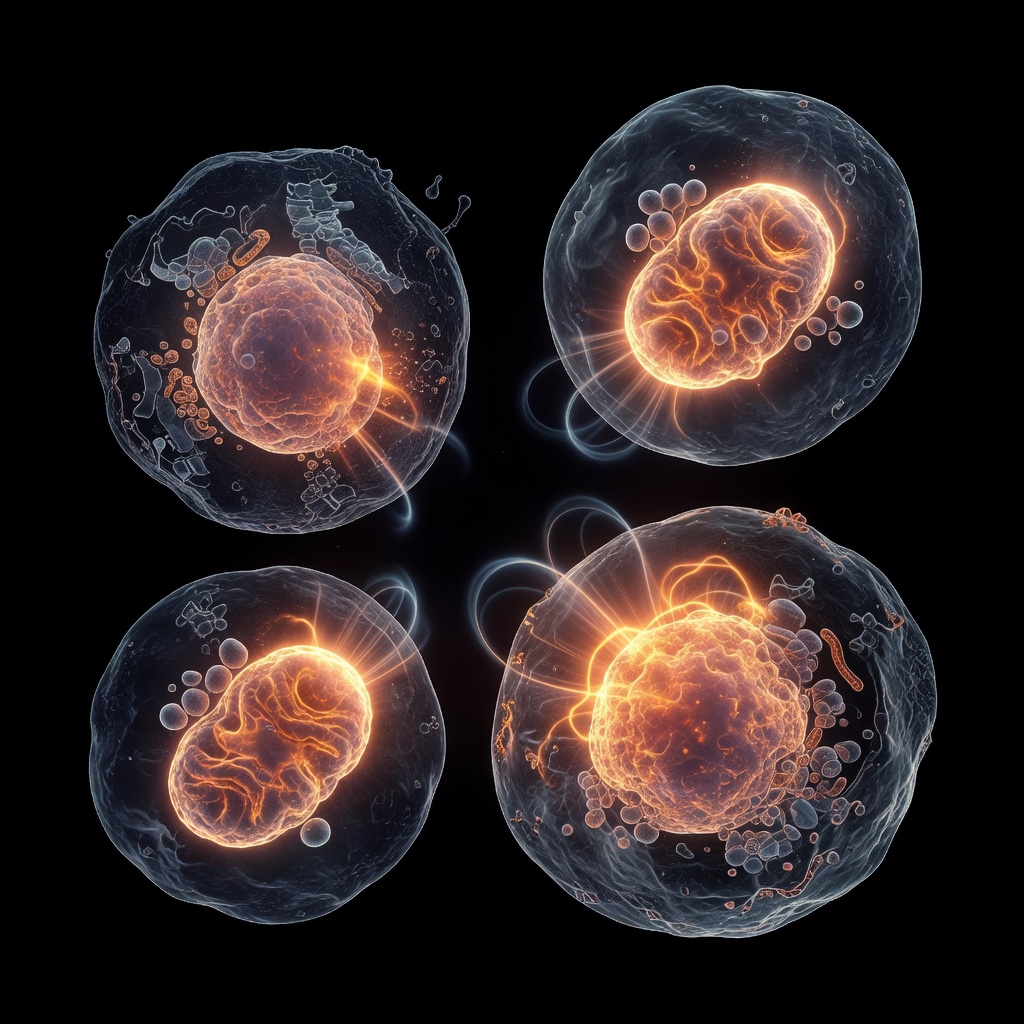
Due to its high charge density, Al3+ can mimic other essential ions like Fe3+ (iron) and Mg2+ (magnesium). The Divalent Metal Transporter 1 (DMT1) is a primary gateway for iron, yet aluminium significantly competes for this pathway. Because the body possesses no dedicated excretory mechanism for aluminium, the competitive inhibition of iron uptake not only leads to sub-optimal iron status but also allows aluminium to accumulate within the mucosal cells themselves. Once inside the enterocyte, aluminium localises in the mitochondria, disrupting the electron transport chain and reducing ATP production. Since the maintenance of tight junctions is an energy-dependent process, this bioenergetic failure directly correlates with a breakdown in barrier function.
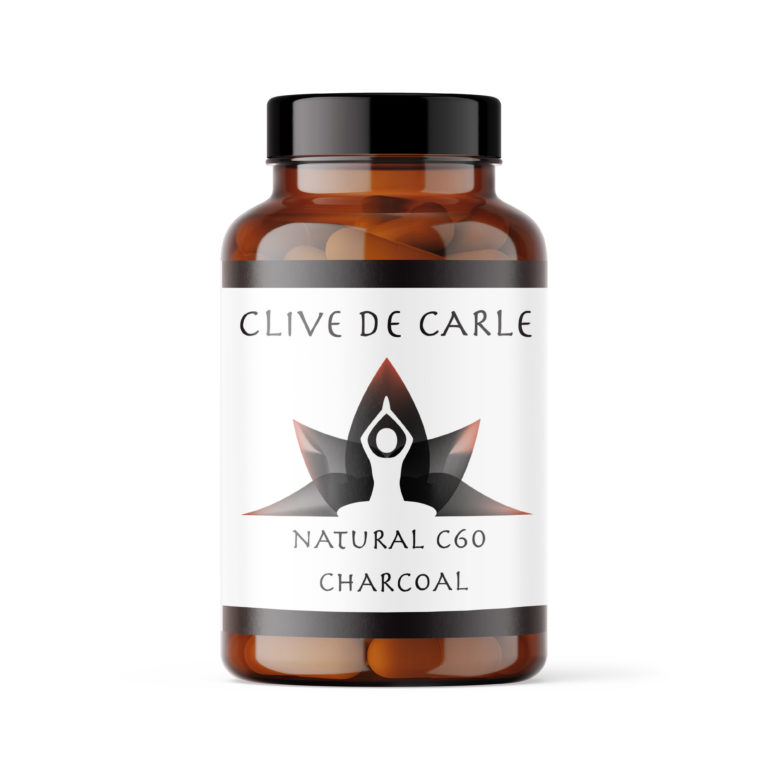
C60 Charcoal – Supports Healthy Digestion and Detoxification.
Support healthy digestion and ease bloating with a natural hardwood charcoal rich in C60 fullerenes. This non-nano formula assists in removing toxins and strengthening your immune response for a more comfortable, balanced gut.
Vetting Notes
Pending
Furthermore, aluminium has been shown to interfere with acetylcholinesterase activity in the enteric nervous system, potentially slowing intestinal motility. This slowed transit time increases the 'contact time' between dietary toxins and the epithelial lining, further increasing the risk of absorption. ## Dysbiosis: The Microbial Shift. The impact of aluminium on the gut-aluminium axis extends to the microbiome. Aluminium exposure induces a state of dysbiosis, characterised by a reduction in beneficial species such as Bifidobacteria and an overgrowth of pro-inflammatory proteobacteria. This microbial shift exacerbates gut permeability, as beneficial bacteria are essential for the production of short-chain fatty acids (SCFAs) like butyrate, which serve as the primary fuel for colonocytes and maintain barrier integrity.
Aluminium can also interfere with the formation of the protective mucus layer. It has been observed to alter the rheological properties of intestinal mucus, making it more viscous and less effective as a physical filter against pathogens. This 'clogging' of the mucus layer prevents the efficient clearance of waste while trapping aluminium in close proximity to the intestinal wall. ## Root-Cause Mitigation Strategies. Addressing the gut-aluminium axis requires a shift from symptom management to root-cause resolution. The first priority is the reduction of exposure by switching to ceramic or cast-iron cookware and avoiding processed foods containing aluminium-based anti-caking agents.
However, given the ubiquity of aluminium, active removal is often necessary. High-silica mineral water has emerged as one of the most effective dietary interventions. Orthosilicic acid in the water reacts with aluminium to form hydroxyaluminosilicates, which are non-toxic and easily excreted via the kidneys. Additionally, supporting the intestinal barrier with nutrients like Zinc Carnosine, L-glutamine, and quercetin can help repair the damage caused by Al3+. Increasing the intake of polyphenols from colourful vegetables also provides the antioxidant support necessary to neutralise the ROS generated by aluminium in the gut. ## Conclusion.
Understanding the gut-aluminium axis is crucial for navigating modern health challenges. By acknowledging the interplay between dietary bioavailability and intestinal permeability, we can implement strategies to safeguard the 'gatekeeper' of our health—the gut—and mitigate the long-term risks of metal accumulation and systemic inflammation. For the INNERSTANDING community, this highlights the necessity of environmental awareness in the quest for optimal health.
This article is provided for informational and educational purposes only. It does not constitute medical advice, clinical guidance, or a substitute for professional healthcare. Information reflects cited research at time of publication. Always consult a qualified healthcare professional before acting on any health information.
RESEARCH FOUNDATIONS
Biological Credibility Archive
Citations provided for educational reference. Verify via PubMed or institutional databases.
Medical Disclaimer
The information in this article is for educational purposes only and does not constitute medical advice, diagnosis, or treatment. Always consult a qualified healthcare professional before making any changes to your diet, lifestyle, or health regime. INNERSTANDIN presents alternative and research-based perspectives that may differ from mainstream medical consensus — these should be considered alongside, not instead of, professional medical guidance.
Read Full DisclaimerReady to learn more?
Continue your journey through our classified biological research.
DISCUSSION ROOM
Members of THE COLLECTIVE discussing "The Gut-Aluminium Axis: Dietary Bioavailability and the Disruptive Impact on Intestinal Permeability"
SILENT CHANNEL
Be the first to discuss this article. Your insight could help others understand these biological concepts deeper.
THE ARSENAL
Based on Aluminium Toxicity & Accumulation — products curated by our research team for educational relevance and biological support.
C60 Charcoal – Supports Healthy Digestion and Detoxification.
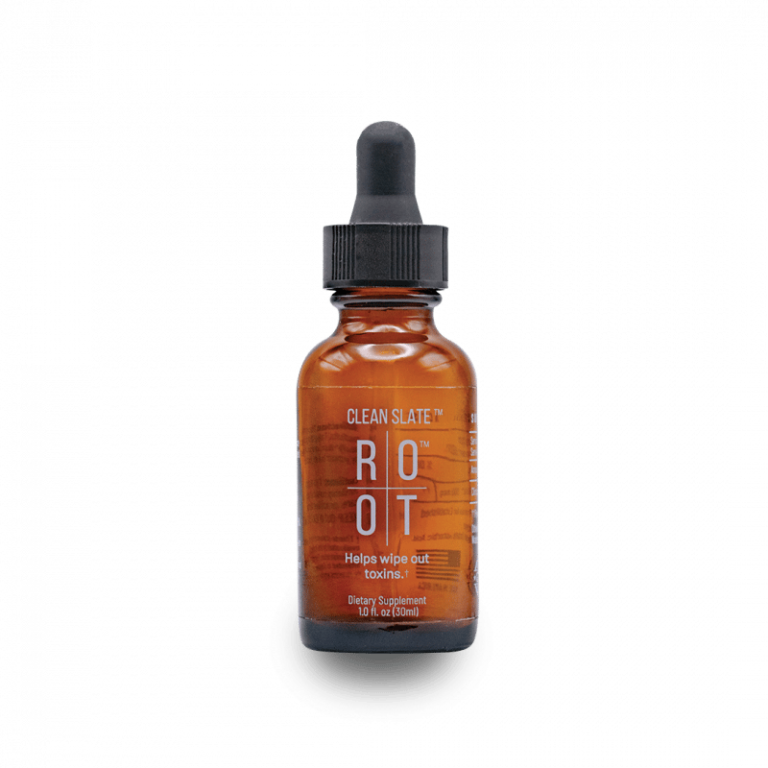
Clean Slate – Detoxes thousands of chemicals,heavy metals, pesticides, allergens, mold spores and fungus
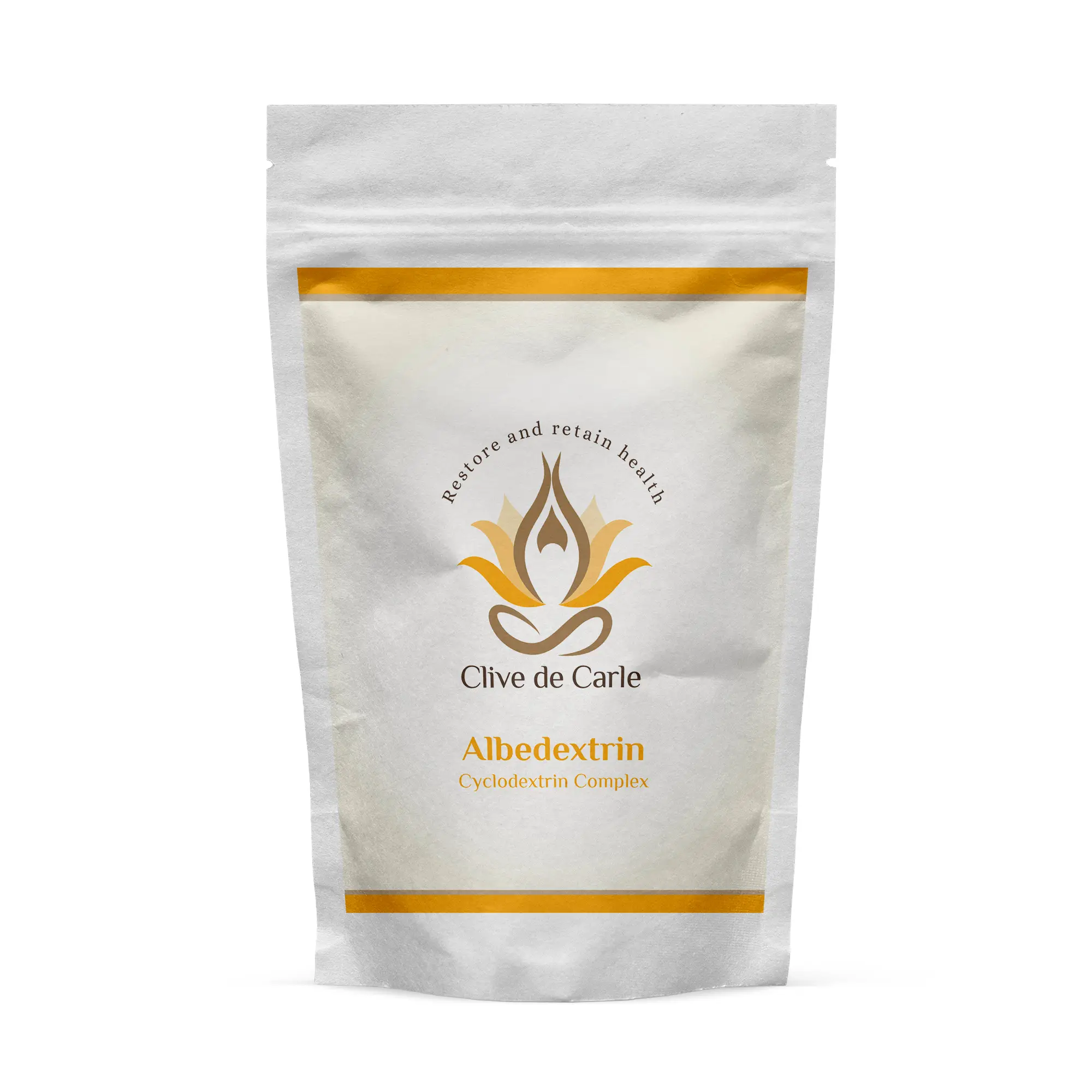
Albedextrin – Specialist Cyclodextrin Complex
INNERSTANDING may earn a commission on purchases made through these links. All products are selected based on rigorous educational relevance to our biological research.
RABBIT HOLE
Follow the biological thread deeper