SIBO-Induced Deconjugation of Bile Acids and the Resultant Compromise of the Small Intestinal Epithelium
An educational deep-dive into the biochemical mechanisms by which Small Intestinal Bacterial Overgrowth (SIBO) disrupts bile acid metabolism, leading to fat malabsorption and the direct degradation of the intestinal barrier.
# SIBO-Induced Deconjugation of Bile Acids: The Path to Intestinal Barrier Failure ## Introduction Small Intestinal Bacterial Overgrowth (SIBO) is a clinical condition characterized by an excessive number of bacteria in the small intestine, or the presence of species typically found in the colon. While symptoms like bloating, flatulence, and abdominal pain are hallmark signs, the underlying biochemical disruptions caused by SIBO are far more insidious. One of the most critical, yet frequently overlooked, consequences of SIBO is the premature deconjugation of bile acids. This process not only impairs lipid digestion but also serves as a direct catalyst for mucosal damage and the development of 'leaky gut' or increased intestinal permeability. Understanding this mechanism is vital for clinicians and patients looking to address the root causes of chronic gastrointestinal dysfunction. ## The Physiology of Conjugated Bile Acids Bile acids are synthesized in the liver from cholesterol and are essential for the digestion and absorption of dietary fats and fat-soluble vitamins (A, D, E, and K).
Before being secreted into the bile, these acids are 'conjugated'—linked to either the amino acid glycine or taurine. This conjugation is a crucial step because it increases the solubility of bile acids at the neutral pH of the small intestine. Conjugated bile acids act as powerful detergents that form micelles, which encapsulate dietary fats and transport them to the surface of the enterocytes (intestinal cells) for absorption. Under normal physiological conditions, bile acids remain conjugated throughout their journey through the duodenum and jejunum, only becoming deconjugated by bacteria once they reach the distal ileum and colon. ## The Mechanism of Bacterial Deconjugation In the context of SIBO, the small intestine becomes inhabited by high concentrations of bacteria such as Bacteroides, Clostridium, Enterococcus, and certain strains of Lactobacillus. These bacteria possess an enzyme known as bile salt hydrolase (BSH).
When these bacteria migrate or overgrow into the upper sections of the small intestine, they encounter bile acids prematurely. BSH catalyzes the hydrolysis of the amide bond between the bile acid and its amino acid conjugate (glycine or taurine). This results in 'free' or deconjugated bile acids and the release of the amino acids, which the bacteria then use as a nutrient source. This premature deconjugation is the root cause of a significant metabolic cascade. Once deconjugated, the bile acids lose their ability to form micelles effectively.
Because free bile acids are less soluble at an alkaline or neutral pH, they often precipitate, leaving dietary fats unabsorbed. This leads to steatorrhea (fatty stools) and significant deficiencies in fat-soluble vitamins, particularly Vitamin D, which is essential for maintaining the integrity of the intestinal barrier. ## Direct Toxicity: How Free Bile Acids Damage the Epithelium The impact of deconjugation extends beyond simple malabsorption. Free bile acids are significantly more lipophilic (fat-seeking) than their conjugated counterparts. In their deconjugated state, they can easily penetrate the cell membranes of the enterocytes lining the small intestine. This intracellular accumulation of bile acids is cytotoxic.
Research suggests that high concentrations of free bile acids induce oxidative stress within the enterocytes, leading to mitochondrial dysfunction and, in severe cases, programmed cell death (apoptosis). Furthermore, deconjugated bile acids act as irritants to the mucosal lining. They trigger a localized inflammatory response, stimulating the release of pro-inflammatory cytokines such as TNF-alpha and Interleukin-6. This chronic low-grade inflammation further stresses the intestinal epithelium, making it more susceptible to further injury from digestive enzymes and microbial toxins. ## The Leaky Gut Connection: Tight Junction Failure The integrity of the intestinal barrier is maintained by a complex of proteins known as tight junctions, including occludin, claudins, and zonula occludens (ZO-1). These proteins act as the 'glue' between enterocytes, regulating the passage of molecules from the lumen into the bloodstream.
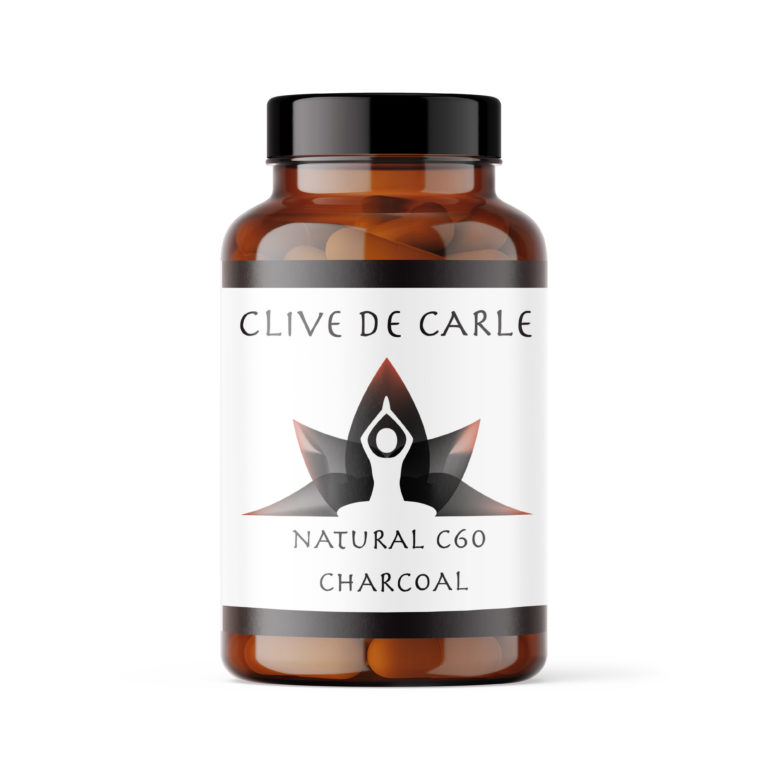
C60 Charcoal – Supports Healthy Digestion and Detoxification.
Support healthy digestion and ease bloating with a natural hardwood charcoal rich in C60 fullerenes. This non-nano formula assists in removing toxins and strengthening your immune response for a more comfortable, balanced gut.
Vetting Notes
Pending
The deconjugation of bile acids disrupts these junctions through two primary pathways. First, the direct toxic effect on enterocytes weakens the structural foundation of these junctions. Second, the inflammatory cascade triggered by free bile acids leads to the activation of myosin light chain kinase (MLCK), an enzyme that causes the contraction of the perijunctional actomyosin ring. This contraction pulls the tight junctions apart, effectively 'opening the gate.' Once these junctions are compromised, the result is increased intestinal permeability. This allows undigested food particles, lipopolysaccharides (LPS) from bacterial cell walls, and other environmental toxins to leak into the systemic circulation.
This phenomenon, commonly referred to as 'leaky gut,' triggers systemic immune activation and has been linked to a wide array of autoimmune and inflammatory conditions. ## Root Causes and the SIBO-Bile Cycle To effectively address SIBO-induced deconjugation, one must look at why the bacteria were able to overgrow in the first place. The primary 'root causes' often include a dysfunctional Migrating Motor Complex (MMC), which fails to sweep bacteria out of the small intestine, low stomach acid (hypochlorhydria) which fails to kill ingested pathogens, or structural issues like ileocecal valve dysfunction. Moreover, a vicious cycle often develops. As deconjugated bile acids damage the epithelium and induce inflammation, the resulting 'leaky gut' can lead to further impairments in gut motility and local immunity, creating an even more hospitable environment for bacterial overgrowth. Additionally, since bile acids themselves have antimicrobial properties that help regulate the microbiome, their premature deconjugation reduces the small intestine's natural ability to keep bacterial populations in check. ## Clinical Implications and Healing Strategies Recognizing the link between SIBO, bile acids, and epithelial damage changes the therapeutic approach.
Simply killing the bacteria with antibiotics or herbals may not be enough if the intestinal lining remains compromised and bile flow remains sluggish. An integrative approach must include: 1. Eradication of SIBO: Using targeted antimicrobials to reduce the BSH-producing bacterial load. 2. Bile Support: Supporting the liver and gallbladder to ensure a healthy flow of fresh, conjugated bile. 3. Mucosal Repair: Utilizing nutrients such as L-glutamine, zinc carnosine, and phosphatidylcholine to rebuild the damaged epithelium and support tight junction integrity. 4.
Prokinetic Support: Addressing the root cause of the overgrowth by stimulating the Migrating Motor Complex. ## Conclusion The deconjugation of bile acids is a pivotal event in the pathophysiology of SIBO that bridges the gap between simple microbial imbalance and structural intestinal damage. By stripping bile acids of their protective conjugates, SIBO-related bacteria transform essential digestive aids into cytotoxic agents that erode the intestinal barrier. For those suffering from chronic digestive issues and systemic inflammation, addressing this specific biochemical pathway is essential for restoring gut health and achieving long-term wellness. Through the lens of Innerstanding, we see that the body is an interconnected system where a shift in microbial chemistry can have profound effects on the physical structure of our most important internal barrier.
This article is provided for informational and educational purposes only. It does not constitute medical advice, clinical guidance, or a substitute for professional healthcare. Information reflects cited research at time of publication. Always consult a qualified healthcare professional before acting on any health information.
RESEARCH FOUNDATIONS
Biological Credibility Archive
The deconjugation of bile acids by microbial bile salt hydrolases results in the production of free bile acids that can disrupt the hydrophobic integrity of the intestinal mucosal surface.
Small intestinal bacterial overgrowth leads to premature bile acid deconjugation, which impairs lipid absorption and promotes the development of intestinal hyperpermeability.
Unconjugated bile acids induce oxidative stress in enterocytes, leading to the downregulation of tight junction proteins such as claudin-1 and occludin.
Bacterial modification of the bile acid pool alters FXR signaling pathways, which are critical for regulating mucosal defense and maintaining the intestinal barrier.
Patients with SIBO demonstrate elevated levels of fecal fat and unconjugated bile acids, which correlate with increased biomarkers of intestinal permeability and systemic inflammation.
Citations provided for educational reference. Verify via PubMed or institutional databases.
Medical Disclaimer
The information in this article is for educational purposes only and does not constitute medical advice, diagnosis, or treatment. Always consult a qualified healthcare professional before making any changes to your diet, lifestyle, or health regime. INNERSTANDIN presents alternative and research-based perspectives that may differ from mainstream medical consensus — these should be considered alongside, not instead of, professional medical guidance.
Read Full DisclaimerReady to learn more?
Continue your journey through our classified biological research.
DISCUSSION ROOM
Members of THE COLLECTIVE discussing "SIBO-Induced Deconjugation of Bile Acids and the Resultant Compromise of the Small Intestinal Epithelium"
SILENT CHANNEL
Be the first to discuss this article. Your insight could help others understand these biological concepts deeper.
THE ARSENAL
Based on Leaky Gut & Intestinal Permeability — products curated by our research team for educational relevance and biological support.
C60 Charcoal – Supports Healthy Digestion and Detoxification.
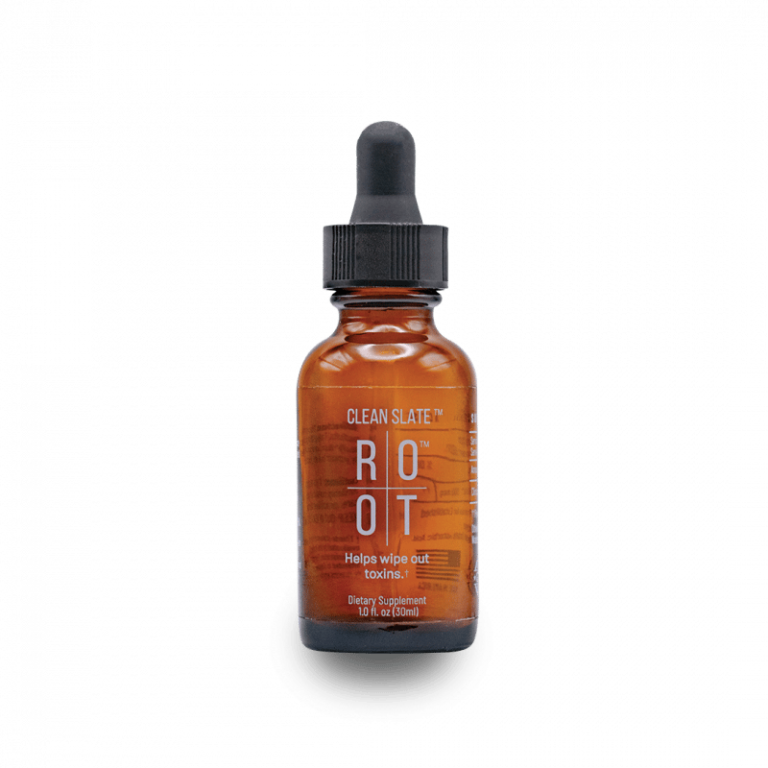
Clean Slate – Detoxes thousands of chemicals,heavy metals, pesticides, allergens, mold spores and fungus
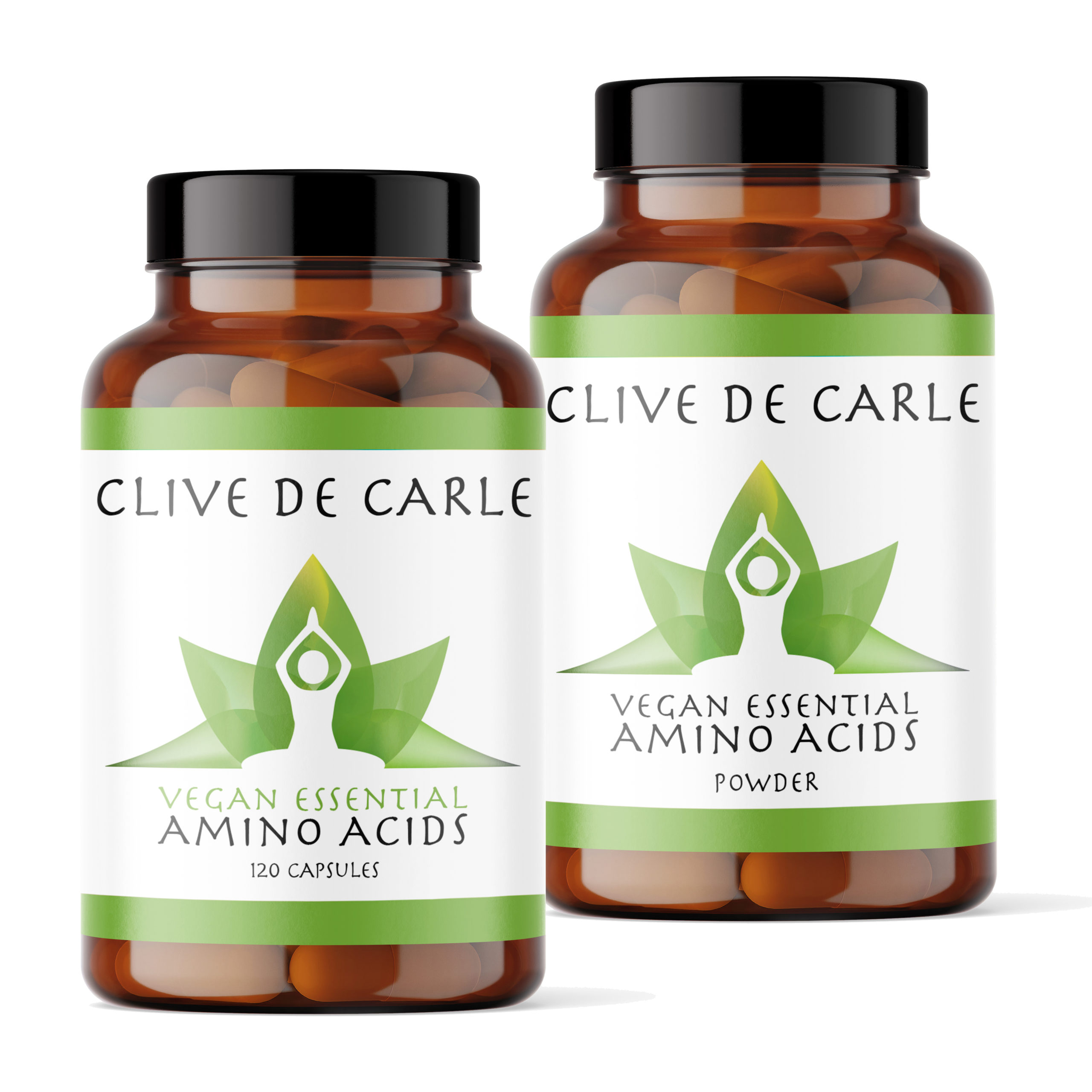
Vegan Essential Amino Acids – Plant-Powered Protein Building
INNERSTANDING may earn a commission on purchases made through these links. All products are selected based on rigorous educational relevance to our biological research.
RABBIT HOLE
Follow the biological thread deeper