Chronic Non-Steroidal Anti-Inflammatory Drug (NSAID) Use: Prostaglandin Inhibition and the Pathogenesis of Leaky Gut
A comprehensive exploration of how long-term NSAID use disrupts intestinal homeostasis, inhibits essential prostaglandin synthesis, and leads to the development of increased intestinal permeability, commonly known as Leaky Gut.
# The Hidden Cost of Pain Relief: NSAIDs and the Gut Barrier Non-Steroidal Anti-Inflammatory Drugs (NSAIDs) are among the most frequently consumed medications worldwide. From over-the-counter staples like Ibuprofen and Aspirin to prescription-strength Naproxen and Celecoxib, these agents provide essential relief for acute pain and chronic inflammatory conditions. However, at INNERSTANDING, we focus on the root causes of systemic health issues. Emerging research reveals that the chronic use of these medications is a primary driver of intestinal permeability—a condition often referred to as 'Leaky Gut.' To understand this connection, we must look beyond the suppression of pain and examine the delicate biochemical balance of the gastrointestinal lining. ## The Biochemical Mechanism: Prostaglandins and the COX Pathway The therapeutic efficacy of NSAIDs stems from their ability to inhibit cyclooxygenase (COX) enzymes, specifically COX-1 and COX-2. These enzymes are responsible for the synthesis of prostaglandins—lipid compounds that act like local hormones.
While COX-2 is primarily associated with inflammation and pain signaling, COX-1 is 'constitutive,' meaning it is constantly active and plays a vital role in maintaining the structural integrity of the stomach and intestinal lining. Prostaglandins in the gut perform three critical 'housekeeping' functions: they stimulate the secretion of protective mucus, increase the production of bicarbonate (which neutralizes stomach acid), and promote local blood flow (microcirculation) to the intestinal mucosa. When chronic NSAID use suppresses COX-1 activity, it effectively strips the gut of its primary defense mechanisms. Without sufficient prostaglandins, the mucus layer thins, the pH balance shifts, and the blood flow necessary for cellular repair diminishes. This creates an environment where the gut wall is highly susceptible to damage. ## The Three-Phase Assault on the Intestinal Lining The pathogenesis of NSAID-induced Leaky Gut is not a single event but a multi-phase assault on the intestinal epithelium. ### 1.
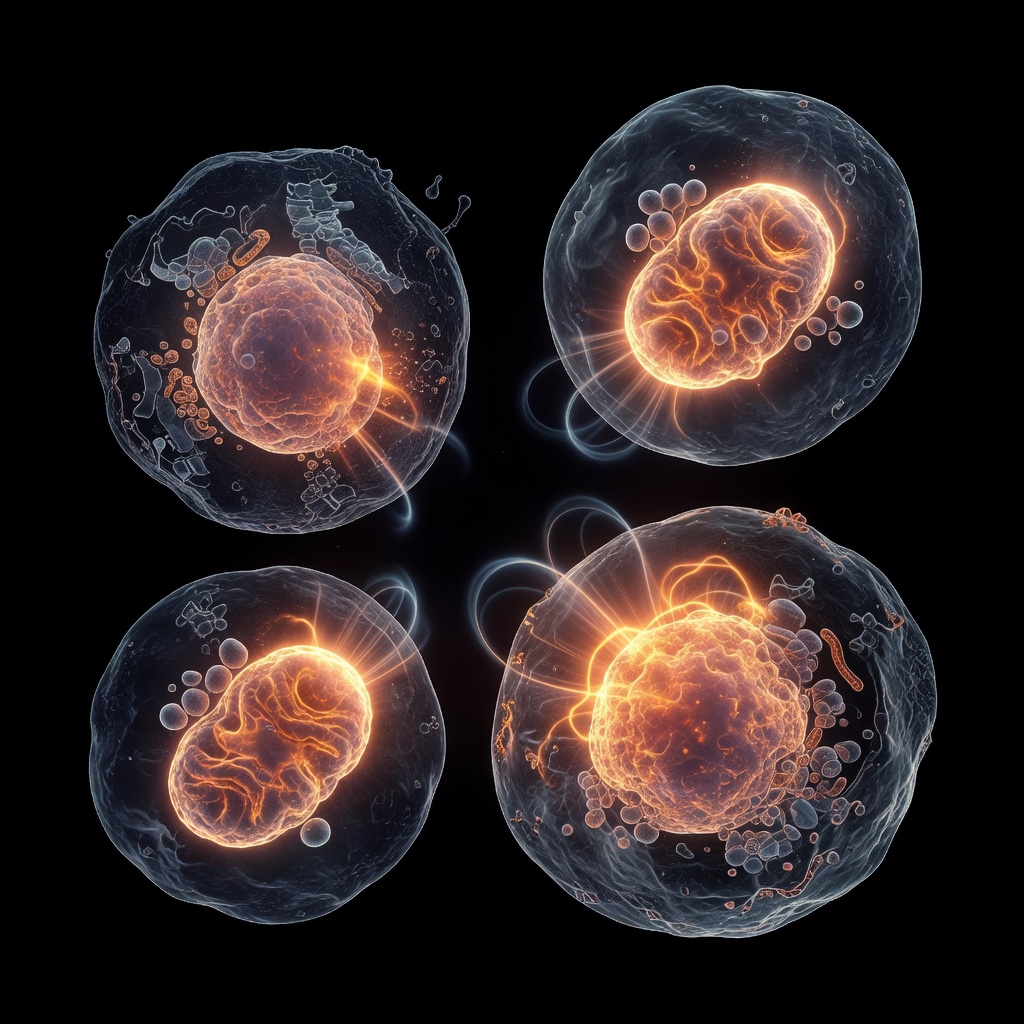
Direct Topical Irritation Most NSAIDs are chemically categorized as weak organic acids. When swallowed, they exist in a non-ionized state in the acidic environment of the stomach, allowing them to easily cross the lipid membranes of the cells lining the gut (enterocytes). Once inside the cell, where the pH is neutral, the drug becomes ionized and 'trapped.' This high intracellular concentration of the drug causes direct toxic damage to the enterocyte, leading to cellular stress and early-stage erosion. ### 2. Mitochondrial Dysfunction and Uncoupling A more insidious mechanism occurs within the mitochondria—the energy-producing powerhouses of the cell. NSAIDs act as 'uncouplers' of oxidative phosphorylation.
By disrupting the proton gradient across the inner mitochondrial membrane, they prevent the efficient production of Adenosine Triphosphate (ATP). Since the maintenance of the intestinal barrier is an energy-intensive process, this depletion of ATP leads to a breakdown in cellular stability. When the enterocytes cannot produce enough energy, they lose their ability to remain tightly packed together. ### 3. Systematic Prostaglandin Depletion As discussed, the systemic inhibition of prostaglandins reduces the protective barriers. However, it also impairs the gut's ability to heal itself.
Under normal conditions, the gut lining regenerates every 3 to 5 days. Prostaglandins signal the migration of healthy cells to areas of injury. In the presence of chronic NSAID use, this 're-epithelialization' process is stalled, allowing small erosions to expand into larger areas of damage. ## From Irritation to Intestinal Permeability The defining feature of Leaky Gut is the dysfunction of 'Tight Junctions.' These are complex protein structures—including zonulin and occludin—that act as the 'mortar' between the 'bricks' (enterocytes) of the intestinal wall. They are designed to be selectively permeable, allowing nutrients and water into the bloodstream while blocking toxins, undigested food particles, and pathogens. The combined effect of mitochondrial ATP depletion and prostaglandin deficiency causes these tight junctions to disassemble.
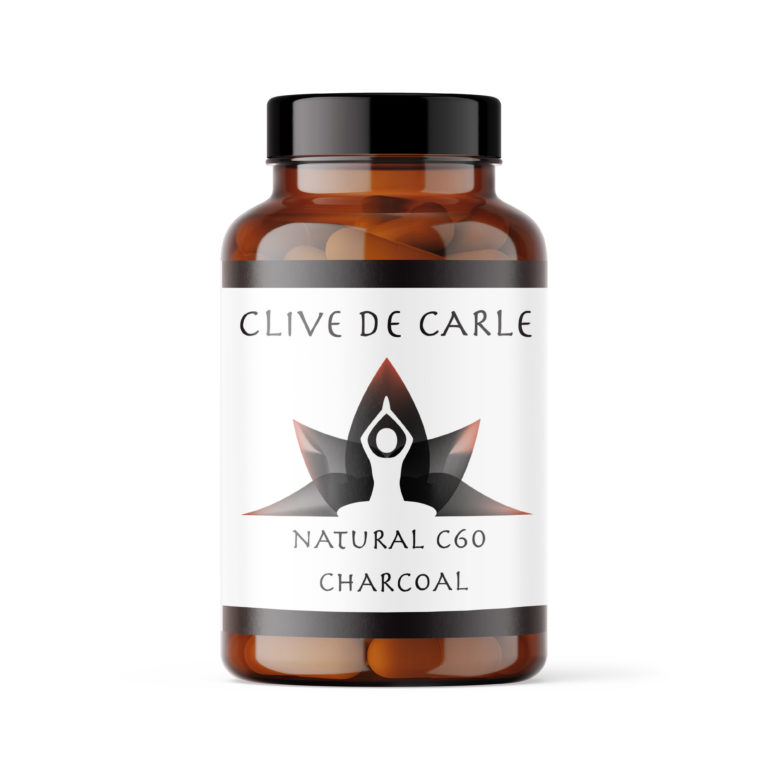
C60 Charcoal – Supports Healthy Digestion and Detoxification.
Support healthy digestion and ease bloating with a natural hardwood charcoal rich in C60 fullerenes. This non-nano formula assists in removing toxins and strengthening your immune response for a more comfortable, balanced gut.
Vetting Notes
Pending
As the junctions relax, the gut becomes 'leaky.' This allows luminal contents, such as Lipopolysaccharides (LPS)—toxic components of bacterial cell walls—to translocate into the systemic circulation. This phenomenon, known as metabolic endotoxemia, triggers a state of chronic, low-grade systemic inflammation, which is the root cause of various autoimmune conditions, chronic fatigue, and food sensitivities. ## The Downstream Consequences: A Cycle of Inflammation The irony of chronic NSAID use is that many individuals take these drugs to manage inflammatory conditions like rheumatoid arthritis or chronic back pain. However, by inducing Leaky Gut, NSAIDs may actually exacerbate the very inflammation the user is trying to suppress. Once the intestinal barrier is breached, the immune system remains in a state of high alert, reacting to foreign particles entering the blood. This can lead to: - Molecular Mimicry: Where the immune system confuses food proteins or bacterial fragments with the body's own tissues, potentially triggering autoimmunity. - Liver Stress: The liver must work overtime to filter the influx of toxins coming from the compromised gut via the portal vein. - Nutrient Malabsorption: Damaged enterocytes are less efficient at absorbing vital micronutrients, leading to deficiencies that further impair healing. ## Root Cause Alternatives and Protective Strategies At INNERSTANDING, we advocate for a transition away from chronic dependence on NSAIDs toward a more holistic, gut-centric approach to pain management. 1. Natural Anti-Inflammatories: Compounds such as Curcumin (from turmeric) and Boswellia serrata offer potent anti-inflammatory effects by inhibiting inflammatory pathways (like NF-kB) without the same destructive impact on the COX-1 pathway. 2. Mucosal Support: For those who must occasionally use NSAIDs, supplemental support with Zinc Carnosine, L-Glutamine, and Deglycyrrhizinated Licorice (DGL) can help reinforce the protective mucus layer and support enterocyte health. 3. Dietary Modulation: A diet rich in polyphenols and omega-3 fatty acids can help modulate the inflammatory response naturally while promoting a healthy microbiome, which provides its own protective signals to the gut barrier. ## Conclusion Chronic NSAID use provides a clear example of how a common medical intervention can have profound, unintended consequences on the body's foundational systems.
By inhibiting prostaglandins and disrupting cellular energy production, these drugs dismantle the very barrier that protects us from systemic toxicity. Understanding the pathogenesis of NSAID-induced Leaky Gut is the first step in moving toward a health model that prioritizes the integrity of the gastrointestinal system as the cornerstone of total body wellness. If we are to address chronic pain effectively, we must do so in a way that respects the delicate architecture of the gut.
This article is provided for informational and educational purposes only. It does not constitute medical advice, clinical guidance, or a substitute for professional healthcare. Information reflects cited research at time of publication. Always consult a qualified healthcare professional before acting on any health information.
RESEARCH FOUNDATIONS
Biological Credibility Archive
Citations provided for educational reference. Verify via PubMed or institutional databases.
Medical Disclaimer
The information in this article is for educational purposes only and does not constitute medical advice, diagnosis, or treatment. Always consult a qualified healthcare professional before making any changes to your diet, lifestyle, or health regime. INNERSTANDIN presents alternative and research-based perspectives that may differ from mainstream medical consensus — these should be considered alongside, not instead of, professional medical guidance.
Read Full DisclaimerReady to learn more?
Continue your journey through our classified biological research.
DISCUSSION ROOM
Members of THE COLLECTIVE discussing "Chronic Non-Steroidal Anti-Inflammatory Drug (NSAID) Use: Prostaglandin Inhibition and the Pathogenesis of Leaky Gut"
SILENT CHANNEL
Be the first to discuss this article. Your insight could help others understand these biological concepts deeper.
THE ARSENAL
Based on Leaky Gut & Intestinal Permeability — products curated by our research team for educational relevance and biological support.
C60 Charcoal – Supports Healthy Digestion and Detoxification.
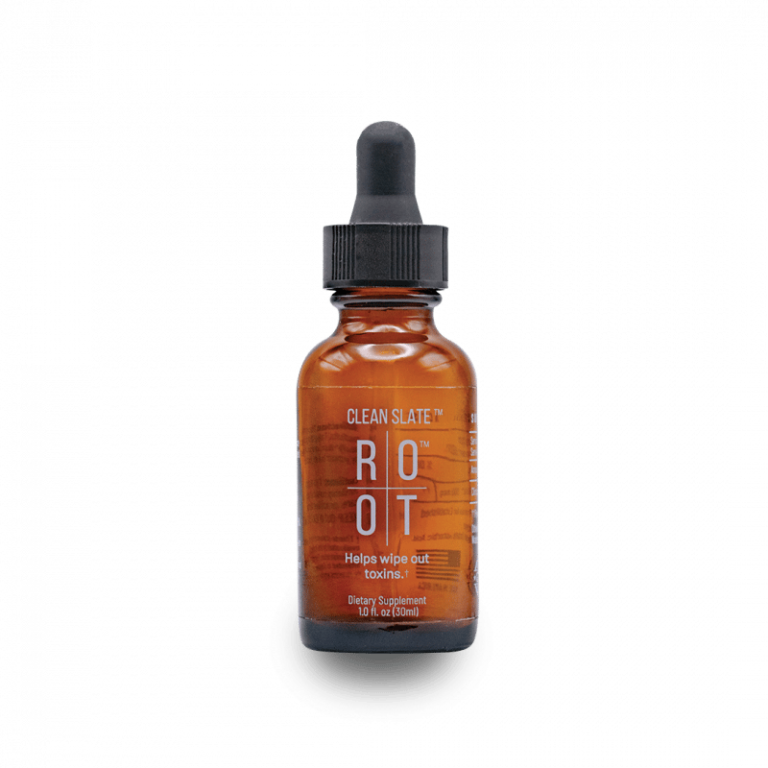
Clean Slate – Detoxes thousands of chemicals,heavy metals, pesticides, allergens, mold spores and fungus
Vegan Essential Amino Acids – Plant-Powered Protein Building
INNERSTANDING may earn a commission on purchases made through these links. All products are selected based on rigorous educational relevance to our biological research.
RABBIT HOLE
Follow the biological thread deeper