
The Influence of Commensal Microbiota-Derived Short-Chain Fatty Acids on Colonic Epithelial Barrier Function
An in-depth exploration of the biochemical relationship between microbial metabolites and intestinal integrity, focusing on how short-chain fatty acids (SCFAs) like butyrate serve as the primary energy source and regulatory signals for the colonic barrier to prevent 'leaky gut'.

# The Influence of Commensal Microbiota-Derived Short-Chain Fatty Acids on Colonic Epithelial Barrier Function
Introduction: The Symbiotic Shield
The human large intestine is home to a complex ecosystem of trillions of microorganisms, collectively known as the gut microbiota. This symbiotic relationship is not merely a passive coexistence; it is a fundamental pillar of human physiology. One of the most critical roles played by these commensal bacteria is the maintenance of the colonic epithelial barrier—a single layer of cells that separates the internal environment of the body from the contents of the gut lumen. When this barrier is compromised, a condition often termed 'leaky gut' or increased intestinal permeability, it can lead to systemic inflammation and a host of chronic health issues. At the heart of this barrier's integrity are short-chain fatty acids (SCFAs), biochemical messengers produced through the bacterial fermentation of dietary fibre. Understanding the influence of SCFAs on the colonic epithelium is essential for addressing the root causes of intestinal permeability.
Understanding the Colonic Epithelial Barrier
To appreciate the impact of SCFAs, one must first understand the architecture of the colonic barrier. It is composed of three primary layers. First is the mucus layer, a thick coating of glycoproteins (mucins) that prevents direct contact between bacteria and the epithelial cells. Second is the epithelial cell layer itself, consisting primarily of colonocytes. These cells are held together by a complex network of proteins known as tight junctions (TJs), which act as a selective gateway, allowing nutrients and water to pass through while blocking pathogens and toxins. Finally, the underlying lamina propria houses the majority of the body's immune cells, ready to respond should the first two layers fail. A 'leaky' gut occurs when the tight junctions become dysregulated, allowing the translocation of pro-inflammatory molecules, such as lipopolysaccharides (LPS), into the systemic circulation.
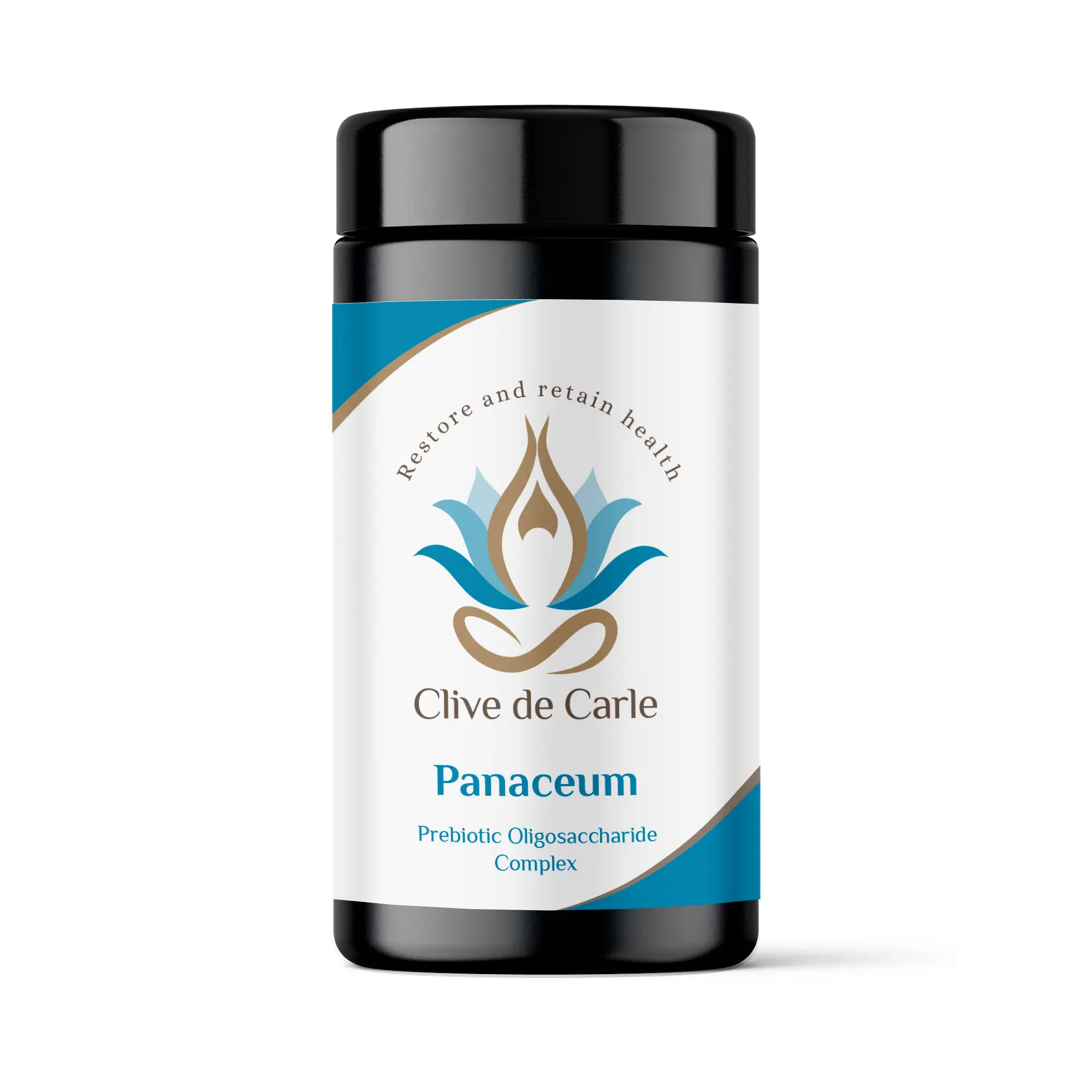
Panaceum – Prebiotic Oligosaccharide Complex
Panaceum is a specialist eight-oligosaccharide blend designed to restore the microbial diversity missing from the modern Western diet. By providing the complex fibres our ancestors once consumed, it feeds and sustains a resilient gut microbiome for long-term health.
Vetting Notes
Pending
SCFAs: The Byproducts of Bacterial Fermentation
Short-chain fatty acids are organic fatty acids with fewer than six carbon atoms. The three most abundant SCFAs in the human colon are acetate, propionate, and butyrate, typically found in a molar ratio of roughly 60:20:20. They are produced when commensal bacteria—specifically anaerobic species like *Faecalibacterium prausnitzii* and members of the *Bacteroidetes* and *Firmicutes* phyla—ferment non-digestible carbohydrates, such as resistant starch, inulin, and cellulose. While acetate and propionate have systemic roles in liver metabolism and appetite regulation, butyrate is the primary fuel and signaling molecule for the colonic epithelium.
Butyrate: The Master Regulator of Gut Health
Butyrate is arguably the most influential SCFA regarding barrier function. It serves as the preferred energy source for colonocytes, providing up to 70% of their total energy requirements. Through a process of mitochondrial beta-oxidation, butyrate is converted into adenosine triphosphate (ATP), the energy currency of the cell. This metabolic preference is vital; when butyrate levels are low, colonocytes enter a state of energy deprivation, which can lead to cellular autophagy and a thinning of the epithelial layer. Furthermore, the consumption of oxygen during butyrate metabolism by colonocytes creates a local state of hypoxia (low oxygen) near the epithelial surface. This 'oxygen hypothesis' explains how butyrate helps maintain an anaerobic environment in the gut lumen, which supports the growth of beneficial obligate anaerobes and inhibits the overgrowth of potentially pathogenic facultative anaerobes like *E. coli*.
Enhancing Tight Junction Integrity
The most direct influence of SCFAs on intestinal permeability is their ability to upregulate the expression of tight junction proteins. SCFAs, particularly butyrate, stimulate the production of proteins such as claudins, occludins, and zonula occludens-1 (ZO-1). The mechanism behind this is multifaceted. Butyrate acts as a histone deacetylase (HDAC) inhibitor, meaning it can alter gene expression by keeping the DNA in an 'open' state, allowing for the transcription of genes associated with barrier assembly. Additionally, SCFAs activate the AMP-activated protein kinase (AMPK) pathway. AMPK is a master energy sensor that promotes the assembly and stabilisation of tight junction complexes, ensuring the epithelial seal remains tight and resilient against stressors.
The Mucus Layer: The First Line of Defence
Beyond the cellular level, SCFAs are instrumental in maintaining the protective mucus layer. The colon's mucus is primarily composed of the MUC2 mucin, secreted by specialised goblet cells. Research has demonstrated that SCFAs stimulate the expression of the MUC2 gene and promote the secretion of mucus. By ensuring a robust and thick mucus layer, SCFAs prevent the physical and chemical irritation of the epithelial cells by luminal contents. This is a critical preventive measure against the 'leaky gut' cascade; if the mucus layer is thin, the constant contact with bacterial antigens can trigger chronic low-grade inflammation, which eventually degrades the tight junctions.
Anti-Inflammatory Signaling and pH Regulation
SCFAs exert powerful anti-inflammatory effects by interacting with G-protein coupled receptors (GPCRs), specifically GPR41, GPR43, and GPR109A, located on the surface of epithelial and immune cells. These interactions help to modulate the local immune response, promoting the differentiation of regulatory T-cells (Tregs) which suppress excessive inflammation. By keeping the colonic environment 'calm,' SCFAs prevent the release of pro-inflammatory cytokines like TNF-alpha that are known to increase intestinal permeability. Additionally, the production of SCFAs naturally lowers the pH of the colon. A more acidic environment inhibits the growth of pathogenic bacteria and promotes the solubility and absorption of essential minerals like calcium and magnesium, further supporting cellular health.
From Deficiency to Dysbiosis: The Path to 'Leaky Gut'
The root cause of many cases of increased intestinal permeability is a deficiency in SCFA production. This is often the result of a modern 'Western' diet, which is typically low in diverse plant fibres and high in ultra-processed foods. Without adequate substrate for fermentation, the population of SCFA-producing bacteria dwindles—a state known as dysbiosis. In the absence of butyrate, the colonic barrier becomes fragile. The mucus layer thins, tight junction proteins are down-regulated, and colonocytes lose their primary energy source. This structural breakdown allows LPS and other toxins to cross into the bloodstream, triggering systemic metabolic endotoxemia, which is linked to obesity, Type 2 diabetes, and autoimmune conditions.
Supporting the System: Root-Cause Interventions
To restore colonic barrier function, one must focus on the root cause: the restoration of SCFA production. This involves more than just taking a probiotic; it requires providing the existing commensal bacteria with the 'fuel' they need. Increasing the intake of diverse dietary fibres—found in vegetables, fruits, legumes, and whole grains—is the most effective way to boost SCFA levels. Specific prebiotics, such as resistant starch (found in cooked and cooled potatoes or green bananas) and inulin (found in chicory root and garlic), have been shown to specifically increase butyrate production. Furthermore, avoiding factors that disrupt the microbiota, such as the overuse of antibiotics and excessive alcohol consumption, is paramount for maintaining this delicate chemical balance.
Conclusion: The Innerstanding Perspective
The influence of commensal microbiota-derived short-chain fatty acids on the colonic epithelial barrier is a masterclass in biological synergy. These simple molecules are the glue that holds our internal defences together, providing energy, regulating gene expression, and modulating the immune system. At INNERSTANDING, we believe that true health begins with supporting these fundamental processes. By shifting our focus from merely treating the symptoms of 'leaky gut' to nourishing the microbial partners that produce SCFAs, we can foster a resilient colonic barrier and lay the foundation for long-term systemic health. The path to a sealed gut is paved with the fibre that feeds our microbial allies.
This article is provided for informational and educational purposes only. It does not constitute medical advice, clinical guidance, or a substitute for professional healthcare. Information reflects cited research at time of publication. Always consult a qualified healthcare professional before acting on any health information.
RESEARCH FOUNDATIONS
Biological Credibility Archive
Citations provided for educational reference. Verify via PubMed or institutional databases.
Medical Disclaimer
The information in this article is for educational purposes only and does not constitute medical advice, diagnosis, or treatment. Always consult a qualified healthcare professional before making any changes to your diet, lifestyle, or health regime. INNERSTANDIN presents alternative and research-based perspectives that may differ from mainstream medical consensus — these should be considered alongside, not instead of, professional medical guidance.
Read Full DisclaimerReady to learn more?
Continue your journey through our classified biological research.
DISCUSSION ROOM
Members of THE COLLECTIVE discussing "The Influence of Commensal Microbiota-Derived Short-Chain Fatty Acids on Colonic Epithelial Barrier Function"
SILENT CHANNEL
Be the first to discuss this article. Your insight could help others understand these biological concepts deeper.
THE ARSENAL
Based on Leaky Gut & Intestinal Permeability — products curated by our research team for educational relevance and biological support.
Panaceum – Prebiotic Oligosaccharide Complex
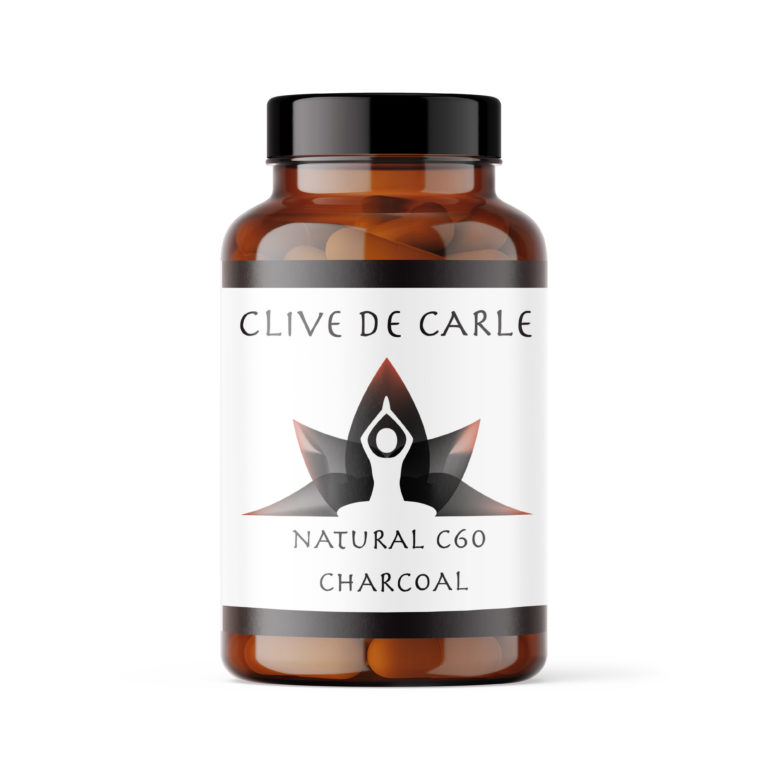
C60 Charcoal – Supports Healthy Digestion and Detoxification.
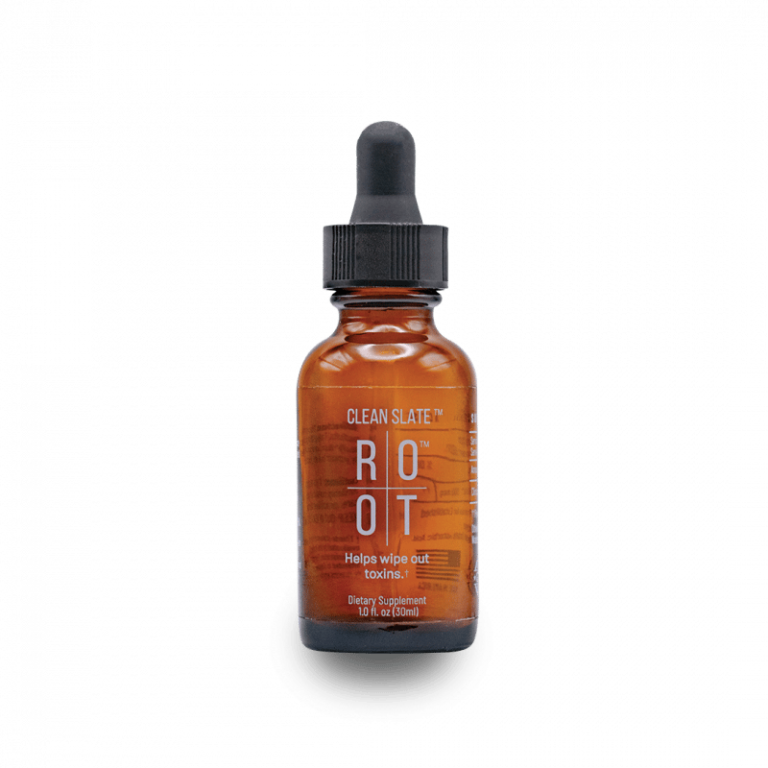
Clean Slate – Detoxes thousands of chemicals,heavy metals, pesticides, allergens, mold spores and fungus
INNERSTANDING may earn a commission on purchases made through these links. All products are selected based on rigorous educational relevance to our biological research.
RABBIT HOLE
Follow the biological thread deeper

