
Environmental Disruptors of Smooth Muscle Homeostasis: The Impact of Organophosphates on Ileocecal Valve Tonicity
An in-depth examination of how organophosphate pesticides disrupt the autonomic regulation of the ileocecal valve, leading to smooth muscle dysfunction and chronic digestive conditions like SIBO.

# Environmental Disruptors of Smooth Muscle Homeostasis: The Impact of Organophosphates on Ileocecal Valve Tonicity
The Sentinel of the Gastrointestinal Tract
In the complex landscape of human digestion, the ileocecal valve (ICV) acts as the fundamental gatekeeper between the nutrient-rich small intestine and the waste-heavy large intestine. Functioning as a physiological sphincter, its primary role is twofold: preventing the retrograde flow of colonic bacteria into the ileum and regulating the controlled passage of chyme. This delicate balance is maintained by smooth muscle homeostasis, governed by the enteric nervous system (ENS) and the autonomic nervous system (ANS). However, in the modern world, this homeostasis is increasingly threatened by environmental disruptors, most notably organophosphate pesticides. Understanding the link between these toxins and ICV tonicity is crucial for addressing the root causes of chronic digestive dysfunction.
Smooth Muscle Physiology and the Autonomic Balance
The ileocecal valve is composed of thickened circular smooth muscle. Unlike skeletal muscle, which is under voluntary control, smooth muscle operates via involuntary, rhythmic contractions and sustained tonicity. The 'tone' of the ICV is the result of a sophisticated interplay between excitatory and inhibitory neurotransmitters. Acetylcholine (ACh) is the primary excitatory neurotransmitter that induces contraction and increases tonicity, while nitric oxide and vasoactive intestinal peptide (VIP) facilitate relaxation. Under normal conditions, the body maintains a 'resting tone' that keeps the valve closed, opening only when stimulated by the arrival of a bolus of food (the gastroileal reflex). When this tonicity is disrupted, the valve may become 'stuck open' (hypotonic) or 'stuck closed' (hypertonic/spasmodic), both of which lead to significant systemic health issues.
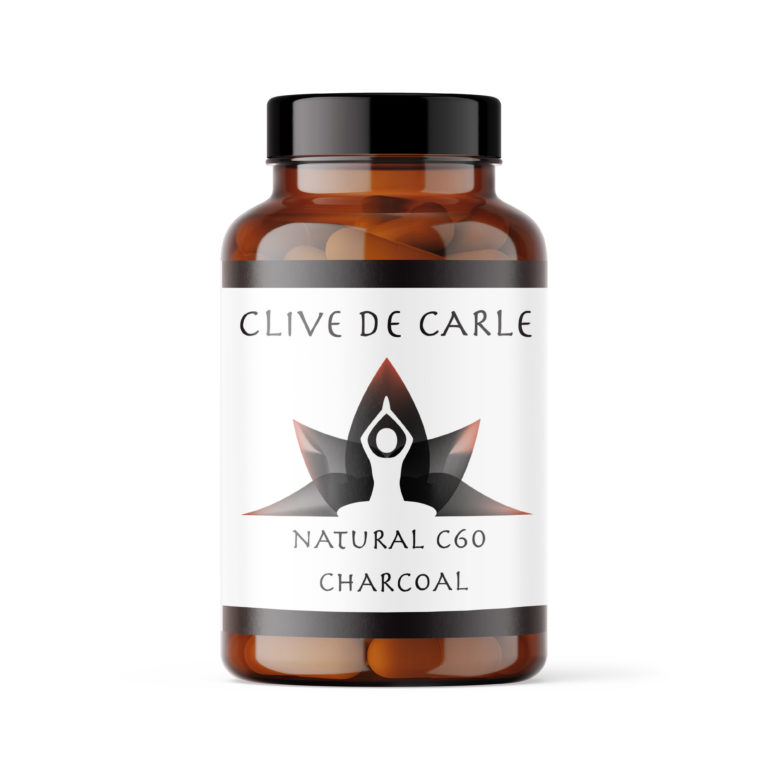
C60 Charcoal – Supports Healthy Digestion and Detoxification.
Support healthy digestion and ease bloating with a natural hardwood charcoal rich in C60 fullerenes. This non-nano formula assists in removing toxins and strengthening your immune response for a more comfortable, balanced gut.
Vetting Notes
Pending
The Pervasive Threat: Organophosphates in the Modern Environment
Organophosphates (OPs) are a class of chemicals used globally as pesticides and herbicides. While their efficacy in agriculture is undisputed, their persistence in the food chain and their impact on human biology are matters of grave concern. OPs were originally developed as nerve agents (such as sarin) due to their potent effects on the nervous system. In low-dose, chronic exposure scenarios—typical of the modern UK diet if one is not consuming organic produce—these chemicals act as persistent disruptors of neurological signaling. They enter the body through ingestion of treated crops, inhalation, and skin contact, eventually making their way into the bloodstream and reaching the sensitive neural networks of the gut.
The Biochemistry of Disruption: Acetylcholinesterase Inhibition
The primary mechanism through which organophosphates exert their toxicity is the inhibition of the enzyme acetylcholinesterase (AChE). In a healthy system, AChE is responsible for breaking down acetylcholine in the synaptic cleft after a signal has been transmitted. This ensures that the muscle fiber does not remain in a state of constant stimulation. Organophosphates bind to AChE, effectively 'locking' it and preventing it from performing its recycling duty. The result is a pathological accumulation of acetylcholine at the neuromuscular junctions. For the smooth muscle of the ileocecal valve, this means a state of chronic over-excitation. This 'acetylcholine storm' forces the valve into a state of hypertonicity or spasm, preventing the natural rhythmic relaxation necessary for proper digestion.
Impact on Ileocecal Valve Tonicity: Spasm and Stasis
When the ICV is subjected to chronic OP exposure, the increased cholinergic activity leads to a 'stuck' valve. A hypertonic ICV creates a physical and functional blockage. Chyme cannot transition effectively from the small intestine to the colon, leading to ileal stasis. This stagnation results in localized inflammation and pain, often felt in the lower right quadrant of the abdomen. Conversely, in cases of severe, acute toxicity or chronic exhaustion of the neural pathways (where the receptors eventually downregulate or desensitize), the valve may lose its ability to maintain any tone at all. A hypotonic or 'open' valve is equally disastrous, as it allows for the unhindered backflow of fecal matter and bacteria into the sterile environment of the small intestine.
From Tonicity to Pathology: The SIBO Link
The most direct clinical consequence of OP-induced ICV dysfunction is Small Intestinal Bacterial Overgrowth (SIBO). If the ICV is hypertonic, the slow transit time allows opportunistic bacteria to proliferate in the ileum. If the ICV is hypotonic, colonic bacteria migrate upward. In both scenarios, the delicate microbiome of the small intestine is compromised. This leads to the fermentation of carbohydrates in the wrong part of the gut, producing hydrogen, methane, or hydrogen sulfide gases. These gases further distend the intestines, creating a vicious cycle where the pressure from the gas further impairs the physical function of the valve. Patients often present with bloating, malnutrition (due to bacterial consumption of B12 and iron), and systemic endotoxemia, where bacterial toxins (LPS) enter the bloodstream through an increasingly permeable gut lining.
Identifying the Root Cause
At INNERSTANDING, we emphasize that symptoms like bloating and irregular bowel movements are often the 'smoke' rather than the 'fire.' If a patient’s SIBO keeps recurring despite antibiotic or herbal antimicrobial treatment, the root cause may be a functional failure of the ICV driven by environmental toxicity. Traditional assessments of gut health often overlook the 'toxic load' as a driver of autonomic dysfunction. Investigating a patient’s exposure to organophosphates—through diet, proximity to industrial farming, or historical occupational exposure—is an essential step in a truly holistic health protocol. Testing for cholinesterase levels in the blood can sometimes provide clues, though chronic low-level exposure often requires a more detailed clinical history and an assessment of detoxification capacity.
Therapeutic Interventions and Restoration
Restoring smooth muscle homeostasis requires a multi-faceted approach. First, the 'on-off' switch of the nervous system must be recalibrated. This involves:
- —Reducing the Toxic Burden: Transitioning to an organic diet is the most effective way to eliminate further OP exposure.
- —Supporting Phase II Detoxification: The liver requires specific nutrients (such as glutathione, sulfur-containing amino acids, and magnesium) to process and excrete fat-soluble pesticides.
- —Nervous System Regulation: Since OPs affect the ANS, techniques such as vagus nerve stimulation, visceral massage (specifically targeting the ICV), and diaphragmatic breathing can help shift the body from a sympathetic-dominant state back into a parasympathetic 'rest and digest' state.
- —Antispasmodics and Prokinetics: In the short term, natural smooth muscle relaxants like peppermint oil or specific ginger extracts may assist in managing valve spasms, while prokinetics can help restore the Migrating Motor Complex (MMC).
Conclusion
The ileocecal valve is far more than a simple door; it is a sophisticated, neurologically controlled apparatus that is highly sensitive to its chemical environment. Organophosphates, by interfering with the fundamental biochemistry of neurotransmission, represent a significant and often invisible threat to ICV health. By recognizing the impact of these environmental disruptors on smooth muscle tonicity, we can move beyond symptomatic management and toward a profound restoration of digestive and systemic health. True ileocecal health requires not just a balanced diet, but a clean environment and a resilient nervous system capable of maintaining the rhythmic harmony of life.
This article is provided for informational and educational purposes only. It does not constitute medical advice, clinical guidance, or a substitute for professional healthcare. Information reflects cited research at time of publication. Always consult a qualified healthcare professional before acting on any health information.
RESEARCH FOUNDATIONS
Biological Credibility Archive
Citations provided for educational reference. Verify via PubMed or institutional databases.
Medical Disclaimer
The information in this article is for educational purposes only and does not constitute medical advice, diagnosis, or treatment. Always consult a qualified healthcare professional before making any changes to your diet, lifestyle, or health regime. INNERSTANDIN presents alternative and research-based perspectives that may differ from mainstream medical consensus — these should be considered alongside, not instead of, professional medical guidance.
Read Full DisclaimerReady to learn more?
Continue your journey through our classified biological research.
THE ARSENAL
Based on Ileocecal Valve Health — products curated by our research team for educational relevance and biological support.
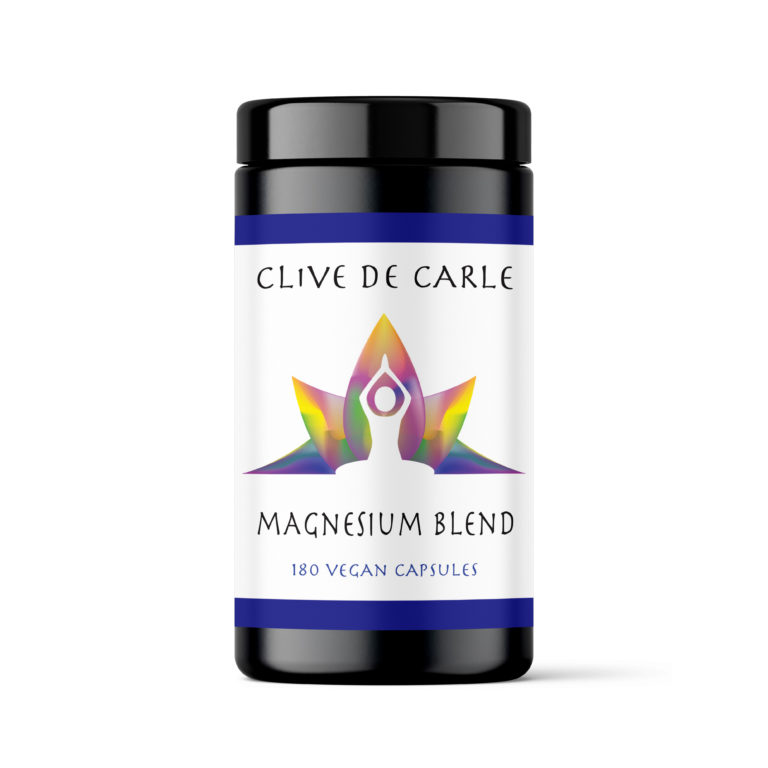
Magnesium Blend – The Most Important Mineral
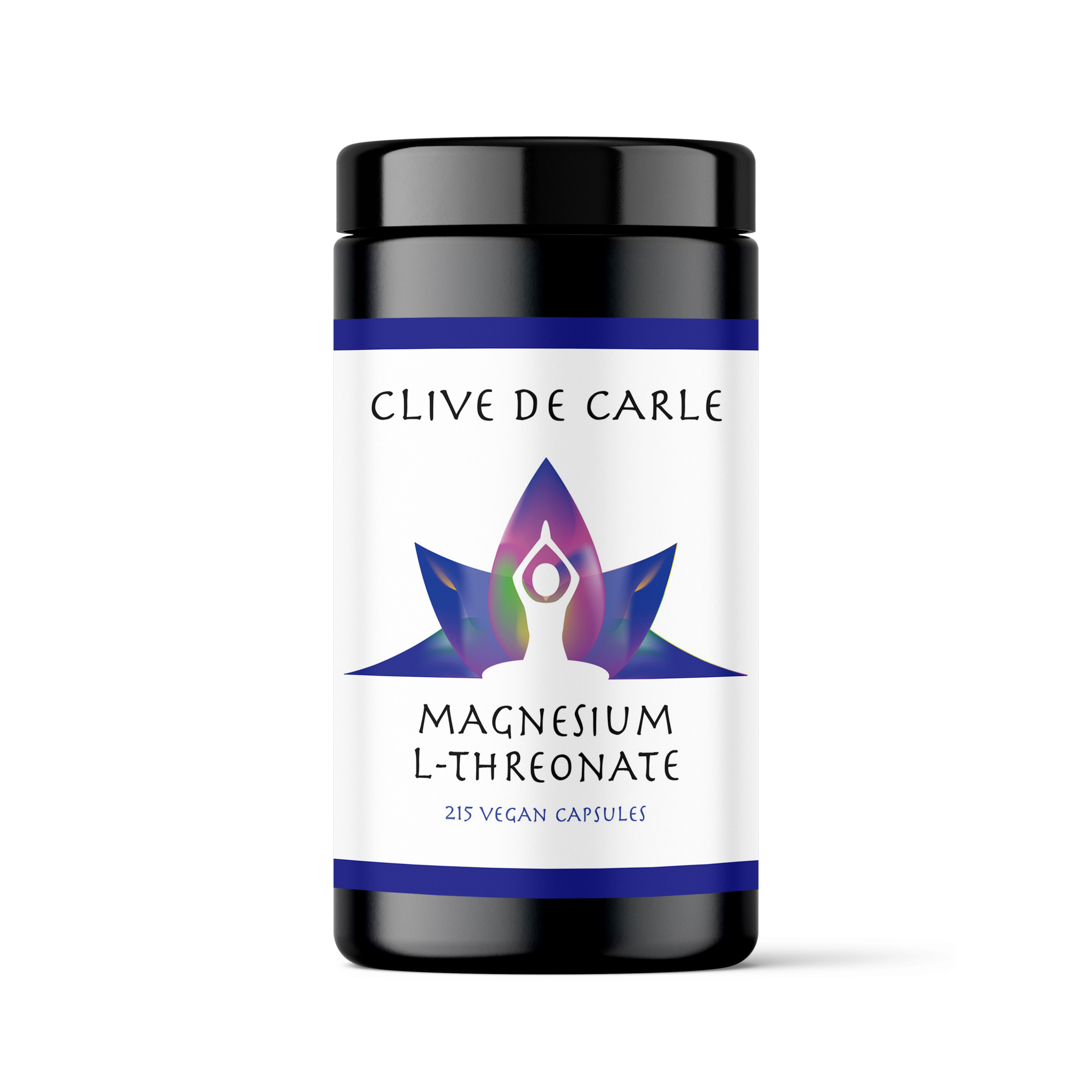
Magnesium L-Threonate
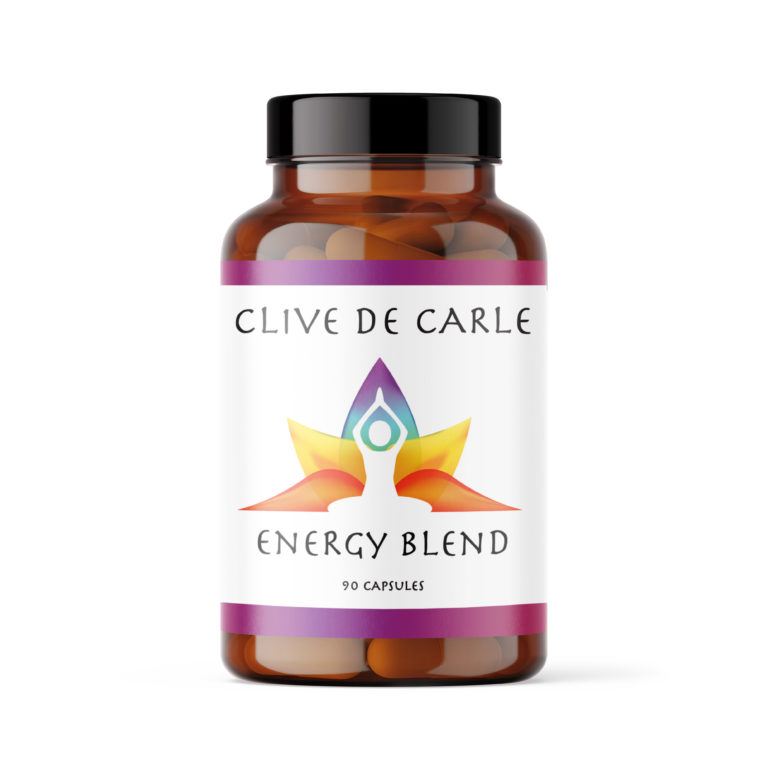
Energy Blend Supports
INNERSTANDING may earn a commission on purchases made through these links. All products are selected based on rigorous educational relevance to our biological research.