
Antinutrients Unmasked: How Oxalates and Phytates Inhibit Mineral Absorption
Updated May 2026
Investigates how plant defense chemicals like oxalates bind to minerals in the human gut. It suggests animal-based diets avoid these metabolic inhibitors.
Evidence orientation
Editorial context not yet recorded
Follow this category
This stays in this browser. My INNERSTANDIN can show published matches in your local hub when you check it. It does not send email, push, or alert notifications.
Local learning review
A private browser aid for revisiting ideas. It is not an alert or a health recommendation.
Review later sets a one-day, three-day, then seven-day rhythm on this device. Choose it only when you want to revisit this article.
Overview
In the contemporary landscape of nutritional science, a pervasive dogma has taken root: the unquestioned assumption that all plant consumption is inherently virtuous and that the "more is better" approach to vegetables is a universal biological truth. However, as we peel back the layers of evolutionary biology and plant biochemistry, a far more complex and potentially more sinister reality emerges. Plants, unlike animals, are sessile organisms; they cannot flee from predators. Consequently, they have evolved a sophisticated arsenal of chemical warfare agents—antinutrients—designed to discourage consumption by disrupting the metabolic processes of the organisms that eat them.
Among the most potent of these chemical defenders are oxalates (oxalic acid) and phytates (phytic acid). While the mainstream dietary narrative often highlights the vitamins and minerals contained within plant tissues, it frequently ignores the "bioavailability tax" imposed by these compounds. An antinutrient is, by definition, a substance that interferes with the absorption or utilisation of essential nutrients.
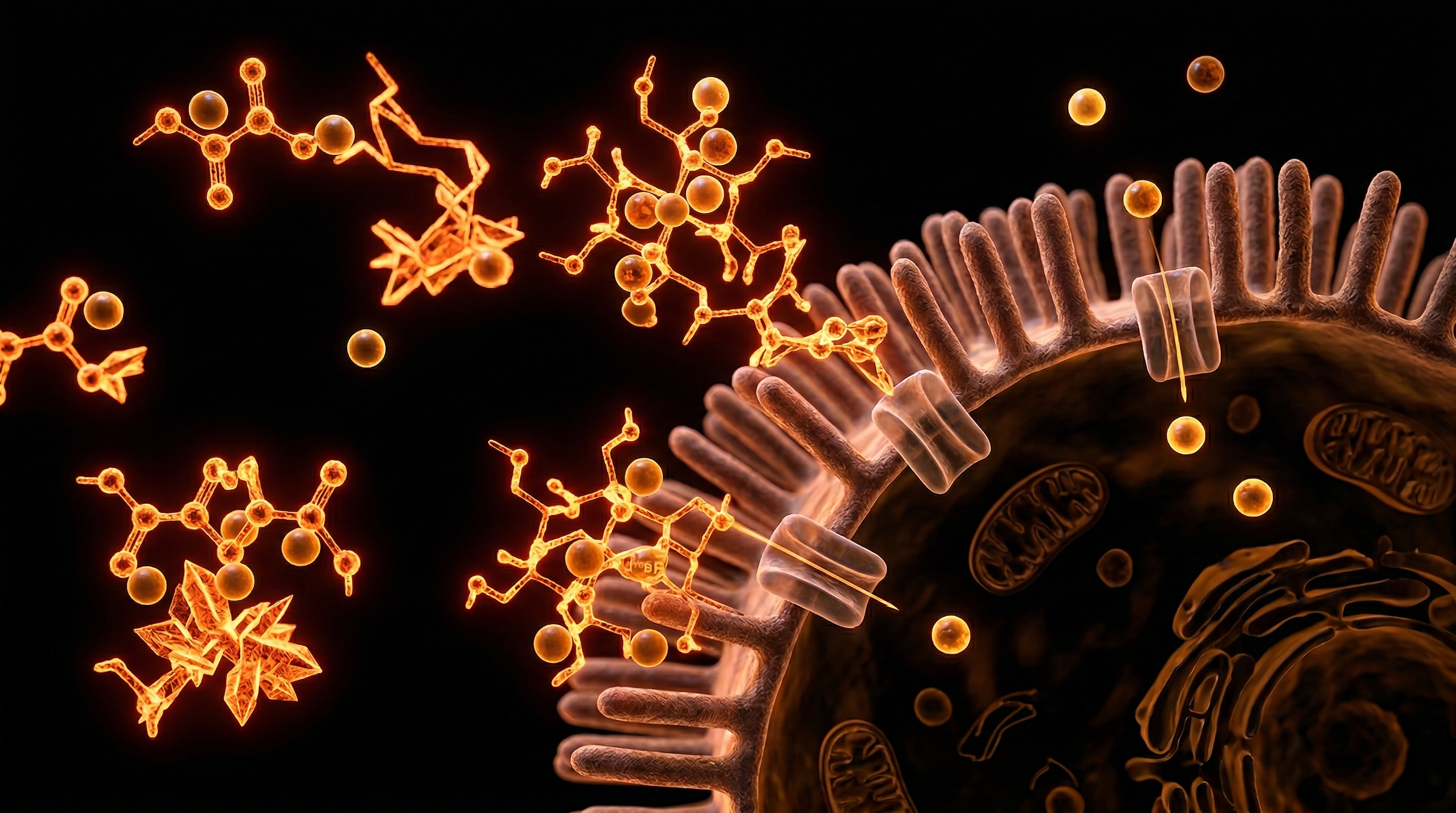
This article investigates the molecular mechanisms by which these plant defense chemicals bind to vital minerals such as calcium, magnesium, iron, and zinc within the human gastrointestinal tract. By examining the chemical affinity between these ligands and essential cations, we can begin to understand why a diet high in "healthy greens" and unrefined grains often leads to subclinical deficiencies and chronic inflammatory states. For those pursuing optimal health through an Animal-Based or Nose-to-Tail framework, understanding the "antinutrient burden" is the first step toward reclaiming metabolic sovereignty.
The Biology — How It Works
To understand the impact of oxalates and phytates, we must first look at their chemical structure and their evolutionary purpose. These are not accidental byproducts of plant metabolism; they are highly functional molecules.
The Chemistry of Phytic Acid (Phytate)
Phytic acid, or inositol hexaphosphate (IP6), is the primary storage form of phosphorus in many plant tissues, particularly in seeds, grains, legumes, and nuts. From the plant's perspective, this is a brilliant survival strategy. By sequestering phosphorus in a stable form, the plant ensures the seedling has a dedicated energy source for germination.
However, phytic acid is a highly negatively charged molecule. In the pH-neutral environment of the human small intestine, it acts as a powerful chelator. A chelator is a substance whose molecules can form several bonds to a single metal ion. In the case of phytates, they have a particular affinity for multivalent metal cations:
- Zinc (Zn²⁺)
- Iron (Fe²⁺ and Fe³⁺)
- Magnesium (Mg²⁺)
- Calcium (Ca²⁺)
When these minerals encounter phytic acid in the gut, they form insoluble precipitates (salts). Because these salts are insoluble, the human body lacks the enzymatic machinery (specifically phytase) to break them down effectively. Consequently, the minerals are "locked away" and excreted, rather than absorbed into the bloodstream.
The Chemistry of Oxalic Acid (Oxalate)
Oxalic acid is a dicarboxylic acid that occurs naturally in a wide variety of plants, most notably spinach, rhubarb, beetroot, almonds, and cacao. In the plant, oxalates serve functions ranging from calcium regulation to structural support and, crucially, protection against herbivory.
When we consume high-oxalate plants, the oxalic acid seeks out calcium. It forms calcium oxalate, a sharp, needle-like crystal that is largely insoluble. This reaction can occur within the plant itself, in the human digestive tract, or even within the kidneys and other soft tissues after absorption. Unlike phytates, which primarily interfere with absorption in the gut, oxalates are small enough to be absorbed into the systemic circulation, where they can wreak havoc on a cellular level.
Key Statistic: Research indicates that the bioavailability of calcium from spinach (high in oxalates) is as low as 5%, whereas the calcium from dairy products or bone meal is absorbed at a rate of 30-40%.
Mechanisms at the Cellular Level
The interference of antinutrients is not limited to the lumen of the gut; it extends into the very machinery of our cells.
Mitochondrial Dysfunction and Oxalative Stress
Once absorbed, soluble oxalates can enter the mitochondria—the "powerhouses" of the cell. Oxalate has been shown to inhibit several enzymes in the Krebs cycle (Citric Acid Cycle), particularly succinate dehydrogenase. When the Krebs cycle is inhibited, ATP (energy) production drops, leading to cellular fatigue and the generation of reactive oxygen species (ROS). This state of oxidative stress damages cellular membranes and DNA, contributing to the aging process and chronic disease.
The Disruption of the Glycocalyx
The glycocalyx is a delicate, gel-like layer of glycoproteins and glycolipids that lines the interior of our blood vessels and our intestinal walls. It acts as a barrier and a sensor for the immune system. Calcium oxalate crystals, due to their abrasive physical structure and their ability to trigger inflammatory cytokines, can degrade this protective layer. This leads to increased "leakiness" in both the gut and the vascular system, allowing endotoxins like Lipopolysaccharides (LPS) to enter the bloodstream.
Competition for Ion Channels
Phytates, while staying mostly in the gut, disrupt the delicate balance of ion transporters. For instance, the ZIP4 transporter is the primary gateway for zinc absorption in the duodenum. When phytates are present in high concentrations, they saturate the environment, making it physically impossible for zinc ions to reach the transporter. This creates a "competitive inhibition" scenario where, regardless of how much zinc is in the food, the presence of the antinutrient dictates the net absorption.
Environmental Threats and Biological Disruptors
The modern human is facing an antinutrient crisis that is amplified by environmental factors that did not exist 10,000 years ago.
Soil Depletion and the Mineral Gap
The nutrient density of our crops has declined significantly over the last 70 years due to intensive monocropping and the use of synthetic fertilisers (NPK). When the soil is depleted of magnesium, selenium, and zinc, the plants grown in that soil contain fewer minerals but often retain the same (or higher) levels of antinutrients. This creates a dangerous "mineral deficit" where the little nutrition we do get is immediately sequestered by the high concentration of phytates and oxalates.
The Glyphosate Synergy
Glyphosate, the active ingredient in many broad-spectrum herbicides, is itself a powerful chelator. It was originally patented as a pipe cleaner to remove mineral scale. When glyphosate residue is present on crops, it works synergistically with phytates to lock up minerals in the soil and the gut. Furthermore, glyphosate disrupts the shikimate pathway in our gut bacteria. Certain beneficial bacteria, such as Oxalobacter formigenes, are responsible for breaking down oxalates in the gut. If these bacteria are decimated by herbicide exposure, our "buffer" against oxalate toxicity vanishes.
Modern Processing and the Loss of Traditional Wisdom
Historically, many cultures that relied on high-phytate grains or legumes utilised long periods of fermentation, soaking, and sprouting. These processes activate the plant's own phytase enzymes, which break down phytic acid. In the modern industrial food complex, these time-consuming traditions have been replaced by rapid processing, high-heat extrusion, and chemical additives. The result is a "health food" market flooded with unfermented soy, "whole grain" breads, and raw nut butters that are biologically aggressive to the human digestive system.
The Cascade: From Exposure to Disease
The chronic consumption of oxalates and phytates does not usually result in acute poisoning; instead, it triggers a slow, systemic cascade of degradation.
1. Nephrolithiasis (Kidney Stones)
Approximately 80% of kidney stones are composed of calcium oxalate. When the kidneys attempt to filter excess oxalic acid from the blood, it binds with calcium in the urinary tract to form crystals. These crystals are not only painful to pass but cause microscopic scarring of the renal tissue, potentially leading to chronic kidney disease (CKD) over decades.
2. The "Anemic" Epidemic
Despite the fortification of foods with iron, iron-deficiency anaemia remains the most common nutritional deficiency worldwide. The mainstream advice to eat spinach for iron is biologically illiterate; the oxalates and phytates in spinach almost entirely inhibit the absorption of its non-heme iron. Only heme iron, found exclusively in animal tissues, is protected from these antinutrients because it is absorbed via a different pathway (the heme carrier protein 1).
3. Skeletal Fragility
Chronic mineral chelation leads to a "withdrawal" of minerals from the bones to maintain blood pH and enzyme function. Over time, high phytate intake is a significant contributor to osteopenia and osteoporosis. This is particularly prevalent in populations that replace mineral-rich animal fats and proteins with "plant-based" alternatives.
4. Vulvodynia and Fibromyalgia
Emerging research and clinical observation have linked high oxalate levels to systemic pain syndromes. Calcium oxalate crystals can deposit in any soft tissue, including joints and connective tissue. In some women, "oxalate dumping" into the vaginal tissues causes chronic pain (vulvodynia). Similarly, the "brain fog" and muscle aches associated with fibromyalgia are increasingly being viewed through the lens of oxalate-induced mitochondrial stress.
Important Callout: A single "healthy" green smoothie containing two cups of raw spinach can contain upwards of 1,000mg of oxalates—more than ten times the amount considered "high" by clinical standards.
What the Mainstream Narrative Omits
The mainstream nutritional narrative, often funded by large-scale agricultural interests, frequently omits the reality of plant toxicity in favour of simplified "superfood" marketing.
The Bioavailability Blind Spot
The "Nutrition Facts" panel on a bag of almonds or a box of cereal is fundamentally misleading. It lists the total mineral content, not the bioavailable content. If a product contains 100mg of magnesium but also 400mg of phytic acid, the net magnesium gain for the body may be zero—or even negative, as the phytic acid may pull minerals from the body's existing stores during excretion.
The Hormesis Fallacy
Some researchers argue that antinutrients provide a "hormetic" effect—a small amount of stress that makes the body stronger. While this may be true for certain polyphenols in tiny amounts, the dose makes the poison. The modern "plant-based" movement encourages the consumption of these toxins at levels that are evolutionarily unprecedented. Our ancestors did not eat raw kale salads and almond flour bread three times a day.
The Fiber Distraction
Mainstream health advice often conflates high-fiber plant foods with "gut health." However, for many individuals with compromised gut lining (leaky gut), the insoluble fiber in high-antinutrient foods acts like "sandpaper" on an open wound. The fiber carries the phytates and oxalates deeper into the intestinal crypts, exacerbating inflammation while the "anti-inflammatory" claims of the plants are touted by the media.
The UK Context
In the United Kingdom, the situation is particularly acute due to specific dietary habits and environmental factors.
The "Five-a-Day" Paradigm
The UK government’s "Five-a-Day" campaign has been immensely successful in shifting the British public toward higher plant consumption. However, this has often translated into an increased intake of cheap, high-oxalate staples like spinach, beetroot, and imported nuts. The NHS currently spends millions annually treating kidney stones and iron-deficiency anaemia, yet rarely is the link to antinutrient consumption discussed in primary care.
Soil Composition in Britain
British soils are famously low in selenium and magnesium. When UK consumers rely on locally grown grains and vegetables that are already mineral-deficient, the presence of phytates becomes even more detrimental. This "double whammy" of low baseline minerals and high antinutrient intake contributes to the rising rates of metabolic syndrome and thyroid dysfunction seen across the British Isles.
The Rise of "Veganuary" and Plant-Based Substitutes
The UK has one of the fastest-growing markets for plant-based meat and dairy alternatives. These products are often ultra-processed concoctions of pea protein isolates, soy, and industrial seed oils—all of which are concentrated sources of antinutrients. The substitution of traditional British staples like eggs, butter, and beef for these "engineered" foods is a biological experiment with potentially devastating long-term consequences for the nation's mineral status.
Protective Measures and Recovery Protocols
If we accept that oxalates and phytates are metabolic inhibitors, how do we protect ourselves? The solution lies in returning to an Animal-Based, Nose-to-Tail dietary philosophy.
1. Prioritise Bioavailable Animal Proteins
The most effective way to avoid antinutrients is to consume foods that don't have them. Animal tissues—meat, organs, eggs, and dairy—contain zero oxalates and zero phytates. Furthermore, the minerals in these foods are in their most bioavailable forms (e.g., heme iron, zinc picolinate, and fat-soluble vitamins A, D, and K2) which facilitate mineral absorption.
2. The "Nose-to-Tail" Advantage
Organ meats, particularly liver and heart, are the most nutrient-dense foods on the planet. By consuming liver, an individual can obtain a massive bolus of vitamin A and copper, which are essential for the proper metabolism of iron. This "nutrient density" provides a buffer; even if a small amount of antinutrients are consumed elsewhere, the body has the mineral reserves to handle the load.
3. Smart Preparation (If Consuming Plants)
If one chooses to include plants in their diet, they must be treated with respect for their chemical defenses:
- Boiling: Boiling high-oxalate greens and discarding the water can reduce oxalate content by 30-80%. Steaming is far less effective.
- Fermentation: Long-term fermentation (as in traditional sourdough or fermented soy like natto) significantly reduces phytate levels.
- Calcium Pairing: If eating oxalates, consuming them with a source of calcium (like cheese or bone meal) can help bind the oxalates in the gut before they can be absorbed into the blood.
4. The Oxalate "Dumping" Protocol
For those transitioning from a high-plant diet to an animal-based one, "oxalate dumping" is a real phenomenon. As the body finally senses a low-oxalate environment, it begins to release stored crystals from the tissues. This can cause temporary rashes, joint pain, or "sandy" stools. To manage this, one should transition slowly and maintain high hydration with electrolytes to support the kidneys during the detoxification process.
5. Supplementation Strategy
To counteract years of phytate-induced mineral depletion, targeted supplementation may be necessary. However, avoid "multivitamins" which often contain the same poorly absorbed inorganic salts (like magnesium oxide). Instead, opt for:
- Magnesium Glycinate or Malate
- Zinc Carnosine
- Grass-fed Bone Meal (for the ideal calcium/phosphorus ratio)
Summary: Key Takeaways
The modern nutritional crisis is not merely a result of "too much sugar" or "too much fat." It is a crisis of bioavailability and chemical interference.
- Antinutrients are Defense Mechanisms: Plants use oxalates and phytates to prevent herbivory by disrupting the consumer's mineral status and cellular energy production.
- The Chelation Effect: Phytates lock up essential minerals like zinc and iron in the gut, making them unabsorbable, while oxalates form sharp crystals that damage the kidneys and soft tissues.
- Mainstream Negligence: Current dietary guidelines fail to account for the "antinutrient tax," leading to widespread subclinical deficiencies even in those eating a "healthy" plant-heavy diet.
- Animal-Based Solution: A Nose-to-Tail approach provides the most bioavailable, toxin-free nutrition. Animal products contain the very nutrients that plants seek to sequester.
- Geographic Vulnerability: In the UK, soil depletion and the rise of ultra-processed plant-based foods make understanding antinutrients a matter of urgent public health.
By unmasking the role of oxalates and phytates, we move beyond the simplistic "plants are good, meat is bad" dichotomy. We enter a realm of biological reality where the quality of our nutrition is defined not by what we swallow, but by what we actually absorb. For the seeker of INNERSTANDING, the path to health involves a strategic retreat from plant-based chemical warfare and a return to the evolutionary sanctuary of animal-based nutrition.
This article is provided for informational and educational purposes only. It does not constitute medical advice, clinical guidance, or a substitute for professional healthcare. Information reflects cited research at time of publication. Always consult a qualified healthcare professional before acting on any health information.
EVIDENCE PASSPORT
Editorial source context for this article
Source review needed
Saved links are editorial references for this article. They may support specific claims rather than every sentence. Open and assess each source in context. This passport does not independently verify them.
Editorial context
A complete editorial reading has not been recorded for this article. Source links remain available for you to open and assess directly.
Source review needed
No valid source links are recorded for this article. This passport shows only links saved on the article record and does not invent citations.
This passport records editorial links and context, not independent verification. Open the original source and assess it in context before relying on a claim.
Medical Disclaimer
The information in this article is for educational purposes only and does not constitute medical advice, diagnosis, or treatment. Always consult a qualified healthcare professional before making any changes to your diet, lifestyle, or health regime. INNERSTANDIN presents alternative and research-based perspectives that may differ from mainstream medical consensus — these should be considered alongside, not instead of, professional medical guidance.
Read Full DisclaimerContinue the thread
Keep this question moving.
Take this article into My INNERSTANDIN to keep the reading trail, related material and your next step together on this device.
Explore this in the Body Map
See where this hits your biology. Interactive anatomy, threats, and protective protocols.
Dig deeper in the Library
Free, longform PDF volumes that go beyond headlines into mechanisms and references.