Glyphosate-Induced Chelation: The Impact of Organophosphate Herbicides on Intestinal Magnesium Bioavailability
An in-depth analysis of how glyphosate acts as a powerful mineral chelator, disrupting magnesium absorption in the human gut and contributing to systemic deficiency through environmental and dietary pathways.

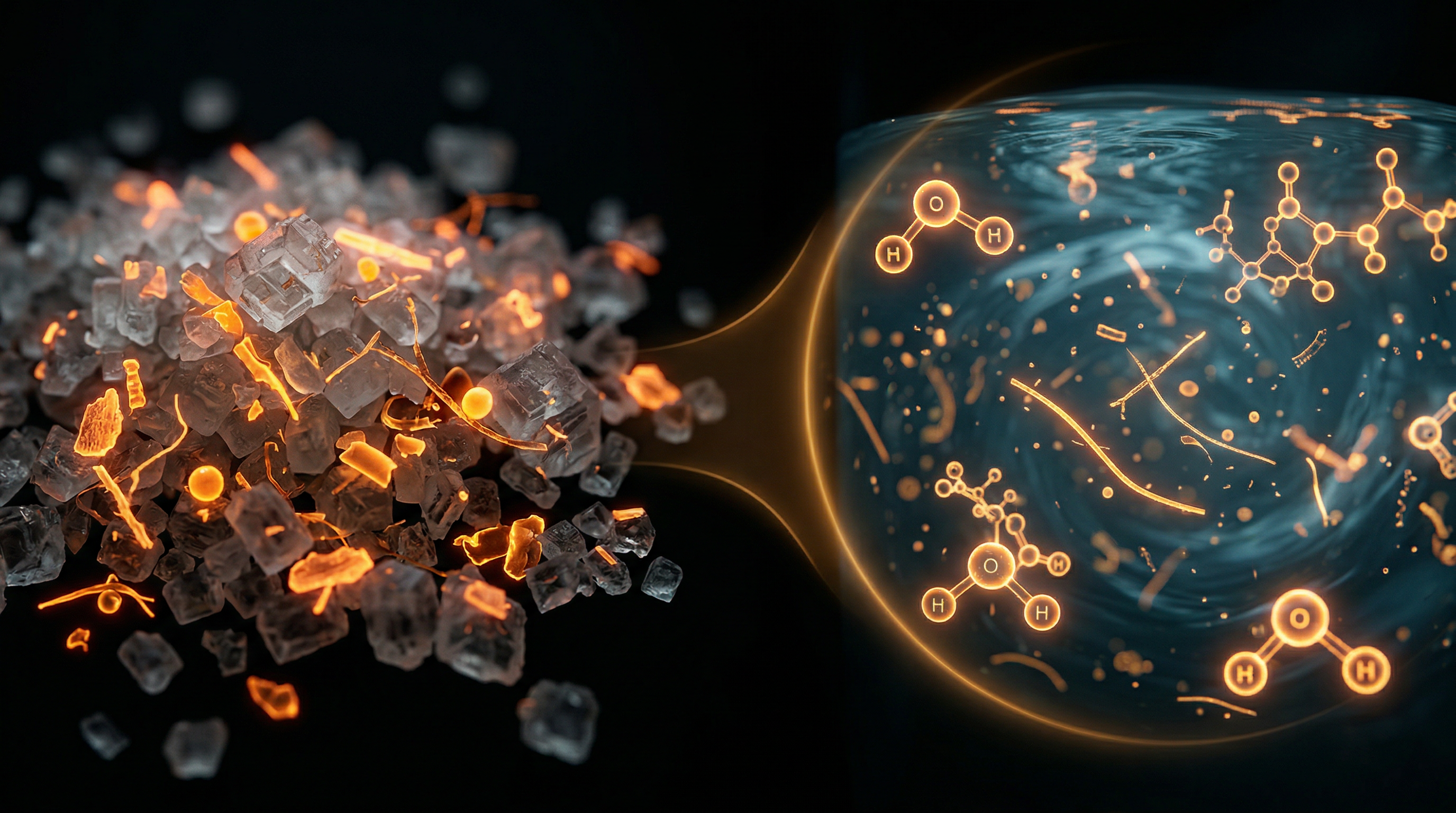
# Glyphosate-Induced Chelation: The Impact of Organophosphate Herbicides on Intestinal Magnesium Bioavailability\n\nIn the landscape of modern nutritional health, we are increasingly confronted with a paradoxical phenomenon: individuals consuming calorie-dense, and even nutrient-dense, diets while remaining systemically deficient in vital minerals. At the heart of this issue is the concept of bioavailability—not just what we ingest, but what our bodies can successfully transport and utilise. One of the most significant, yet overlooked, disruptors of mineral status in the 21st century is the organophosphate herbicide glyphosate. Originally patented as a broad-spectrum chelator, glyphosate’s presence in the global food supply has profound implications for magnesium bioavailability and the root causes of chronic mineral depletion.\n\n## The History of Glyphosate as a Chelator\n\nTo understand the impact of glyphosate on magnesium, one must first look at its chemical origins. Long before it was marketed as the active ingredient in Roundup, glyphosate (N-phosphonomethylglycine) was patented in 1964 by Stauffer Chemical Co. as a metal chelator (US Patent 3,160,632).
It was designed to clean industrial pipes and boilers by binding to and removing mineral deposits like calcium, manganese, and magnesium. \n\nThe chemical structure of glyphosate allows it to form strong stable complexes with divalent cations (metals with a +2 charge). In the agricultural context, this means that once glyphosate is sprayed onto crops or the soil, it binds to minerals, making them unavailable to the plant. However, this chelation process does not cease at the farm gate. When humans consume glyphosate-treated crops, the herbicide continues to act as a sequestrant within the human digestive tract, potentially binding to magnesium and preventing its absorption.\n\n## Mechanisms of Magnesium Depletion\n\nMagnesium is a cofactor for over 300 enzymatic reactions in the human body, including ATP production, DNA synthesis, and muscle relaxation. The interference of glyphosate with magnesium occurs through several distinct biological and chemical pathways.\n\n### 1.
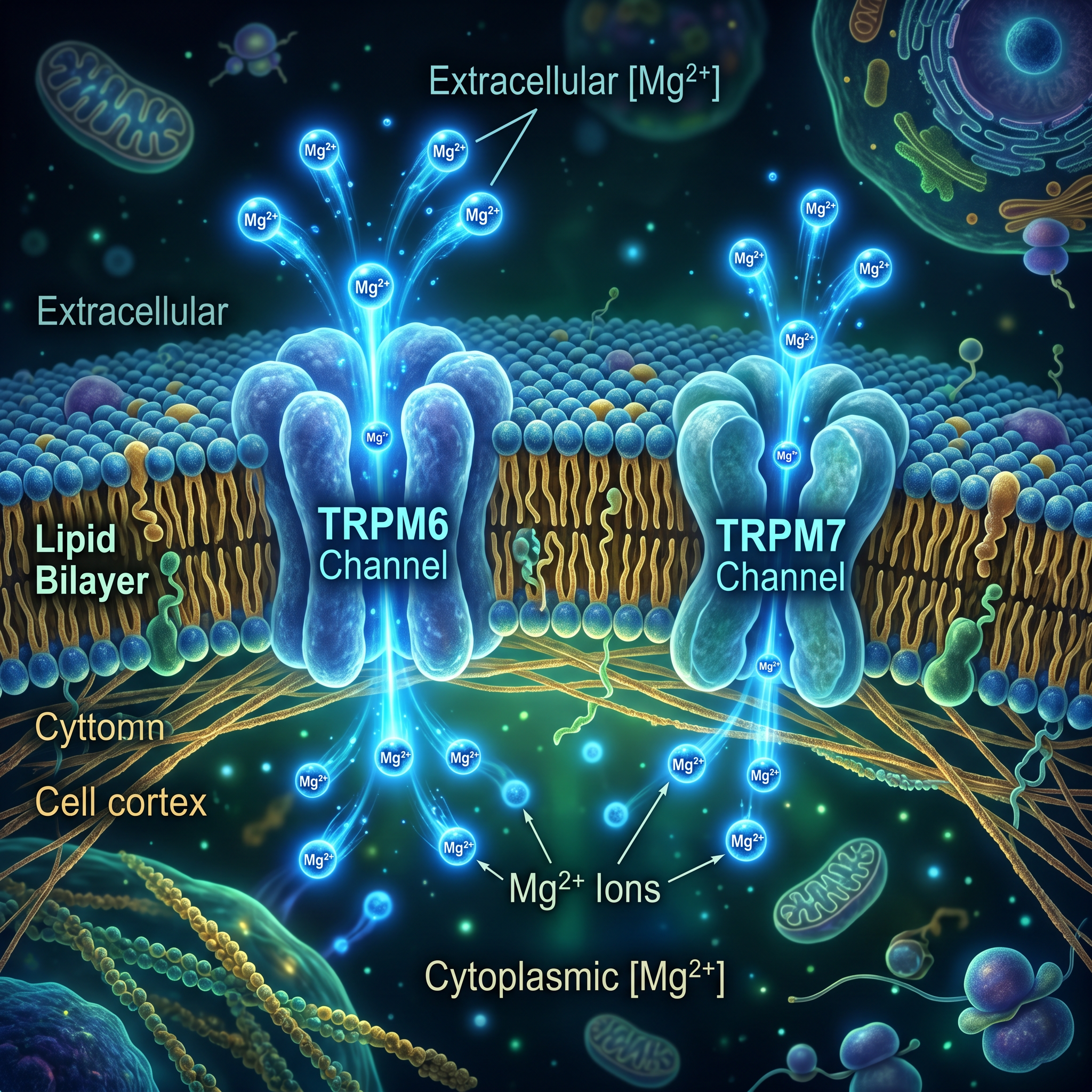
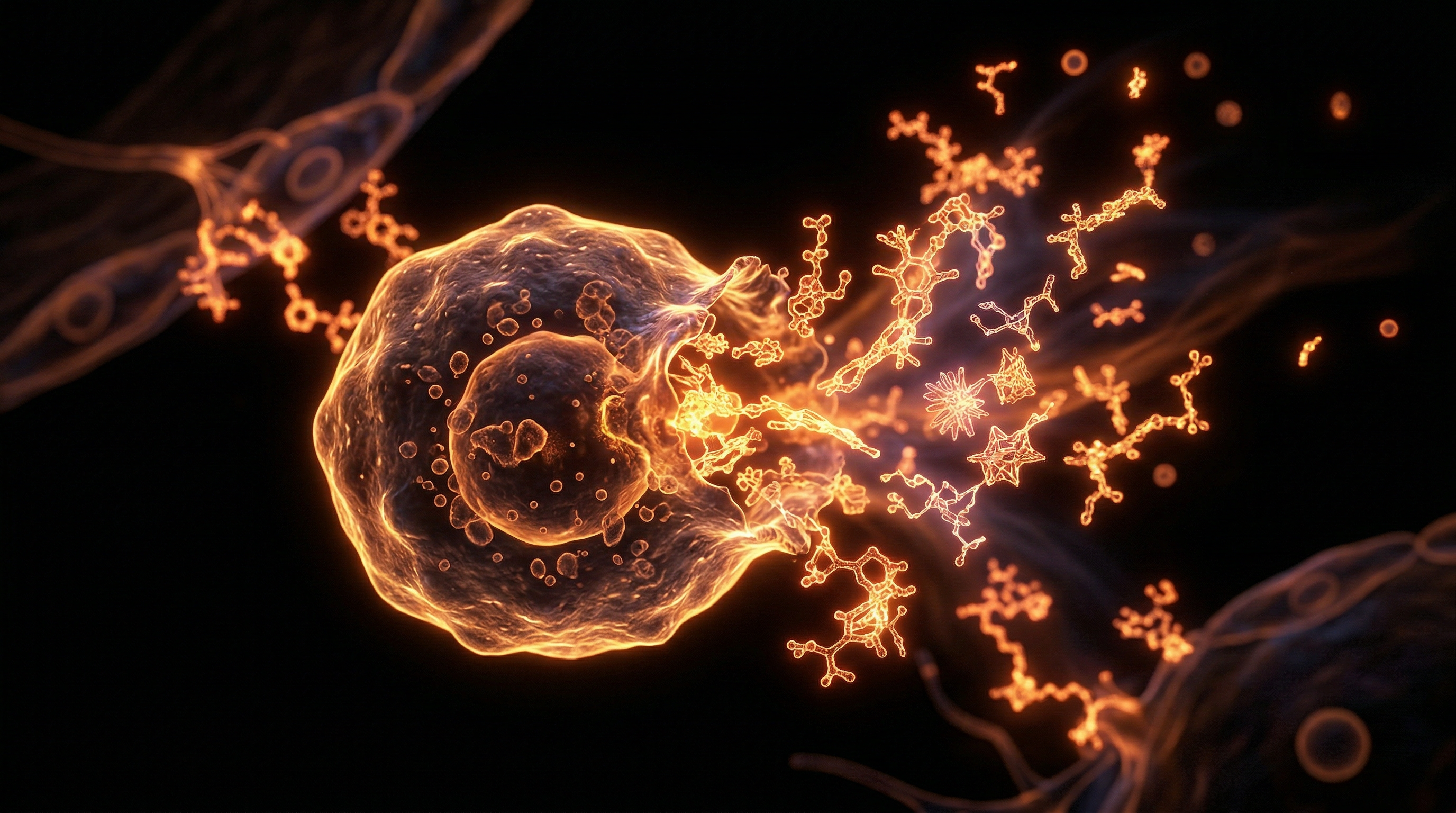
Direct Intestinal Chelation\n\nMagnesium absorption primarily occurs in the distal small intestine (the ileum) and the colon. It relies on both passive paracellular transport and active transcellular transport via TRPM6 and TRPM7 protein channels. When glyphosate enters the gut, it acts as a 'chemical magnet.' Due to its high affinity for magnesium ions (Mg2+), glyphosate forms a 'glyphosate-magnesium complex.' These complexes are often too large or chemically inert to be recognised by the TRPM transport proteins. Consequently, the magnesium stays locked within the herbicide molecule and is excreted rather than absorbed, leading to a state of 'functional deficiency' where dietary intake appears adequate, but serum and cellular levels remain low.\n\n### 2. Disruption of the Gut Microbiome\n\nGlyphosate targets the Shikimate pathway, a metabolic route used by plants and bacteria to synthesise essential aromatic amino acids (phenylalanine, tyrosine, and tryptophan).
While humans do not possess this pathway, our commensal gut bacteria do. By inhibiting the Shikimate pathway, glyphosate causes a profound shift in the gut microbiota (dysbiosis). \n\nBeneficial bacteria, such as Lactobacillus and Bifidobacteria, are particularly sensitive to glyphosate, while pathogenic strains like Clostridia tend to be resistant. A healthy microbiome is essential for maintaining an acidic pH in the colon, which enhances the solubility and absorption of magnesium. When the microbiome is disrupted, the pH shifts, and the integrity of the intestinal lining (the 'tight junctions') is compromised, further impairing the active transport mechanisms required for magnesium uptake.\n\n### 3. Soil Depletion and the Nutrient Gap\n\nRoot-cause health must also account for the source of our food.
Because glyphosate is a systemic herbicide, it persists in the soil and binds to minerals there, effectively 'locking' them away from the roots of the plants. Research has shown that crops grown in glyphosate-heavy environments often contain significantly lower levels of magnesium compared to organic counterparts. This creates a double-edged sword: the consumer is eating food that is lower in magnesium to begin with, and the residual herbicide in that food further prevents the absorption of whatever magnesium remains.\n\n## The Clinical Consequences of Magnesium Sequestration\n\nMagnesium deficiency is a 'silent' epidemic in the UK and beyond, linked to hypertension, Type 2 diabetes, migraine, and anxiety. The glyphosate-magnesium interaction exacerbates these risks. For instance, magnesium is required for the activation of Vitamin D.
Magnesium Blend – The Most Important Mineral
A high-bioavailability mineral blend designed to support over 300 essential biochemical reactions, from energy production to muscle relaxation. This formula helps combat daily fatigue while providing the foundational support your nervous system and bones require.
Vetting Notes
Pending
If glyphosate is sequestering magnesium, individuals may show Vitamin D resistance even with high supplementation. Furthermore, because magnesium is essential for the function of the enzyme COMT (catechol-O-methyltransferase), its deficiency can lead to an inability to break down stress hormones, resulting in chronic sympathetic nervous system activation.\n\n## Strategic Recovery: Addressing the Root Cause\n\nFor those navigating the challenges of modern agriculture, a multi-faceted approach is required to restore magnesium homeostasis:\n\n1. Prioritise Organic Intake: Reducing the toxic load of glyphosate is the first step. Choosing organic grains, legumes, and produce significantly reduces the ingestion of chelating agents.\n2. Choose the Right Magnesium Form: Not all magnesium supplements are created equal. Magnesium Malate and Magnesium Glycinate are highly bioavailable. Malic acid (found in malate) can actually help to counteract some effects of aluminium and other heavy metals that glyphosate might also bring into the system.\n3. Support Gut Integrity: Probiotic-rich foods and fermented vegetables can help restore the microbiome, ensuring that the environment of the gut is conducive to mineral absorption.\n4. Fulvic and Humic Acids: These natural organic compounds can act as natural chelators that help to ferry minerals into cells and may assist in the detoxification of herbicide residues.\n\n## Conclusion\n\nThe impact of glyphosate on magnesium bioavailability represents a fundamental challenge to human health.
By viewing the problem through the lens of chelation and root-cause biochemistry, we see that the solution lies not just in more magnesium, but in protecting the biological pathways that allow us to use it. At INNERSTANDING, we believe that education is the first step toward reclamation. By choosing clean food sources and understanding the chemical hurdles in our environment, we can bridge the gap between deficiency and vitality.
This article is provided for informational and educational purposes only. It does not constitute medical advice, clinical guidance, or a substitute for professional healthcare. Information reflects cited research at time of publication. Always consult a qualified healthcare professional before acting on any health information.
RESEARCH FOUNDATIONS
Biological Credibility Archive
Citations provided for educational reference. Verify via PubMed or institutional databases.
Medical Disclaimer
The information in this article is for educational purposes only and does not constitute medical advice, diagnosis, or treatment. Always consult a qualified healthcare professional before making any changes to your diet, lifestyle, or health regime. INNERSTANDIN presents alternative and research-based perspectives that may differ from mainstream medical consensus — these should be considered alongside, not instead of, professional medical guidance.
Read Full DisclaimerReady to learn more?
Continue your journey through our classified biological research.
THE ARSENAL
Based on Magnesium Forms, Functions & Deficiency — products curated by our research team for educational relevance and biological support.
Magnesium Blend – The Most Important Mineral
C60 Charcoal – Supports Healthy Digestion and Detoxification.
Clean Slate – Detoxes thousands of chemicals,heavy metals, pesticides, allergens, mold spores and fungus
INNERSTANDING may earn a commission on purchases made through these links. All products are selected based on rigorous educational relevance to our biological research.
RABBIT HOLE
Follow the biological thread deeper