
The Gut-Fascia Axis
Updated May 2026
Chronic gut inflammation can migrate through the mesentery fascia to affect the entire abdominal wall. Discover the structural link between digestive health and lower back pain.
Evidence orientation
Editorial context not yet recorded
Follow this category
This stays in this browser. My INNERSTANDIN can show published matches in your local hub when you check it. It does not send email, push, or alert notifications.
Local learning review
A private browser aid for revisiting ideas. It is not an alert or a health recommendation.
Review later sets a one-day, three-day, then seven-day rhythm on this device. Choose it only when you want to revisit this article.
Overview
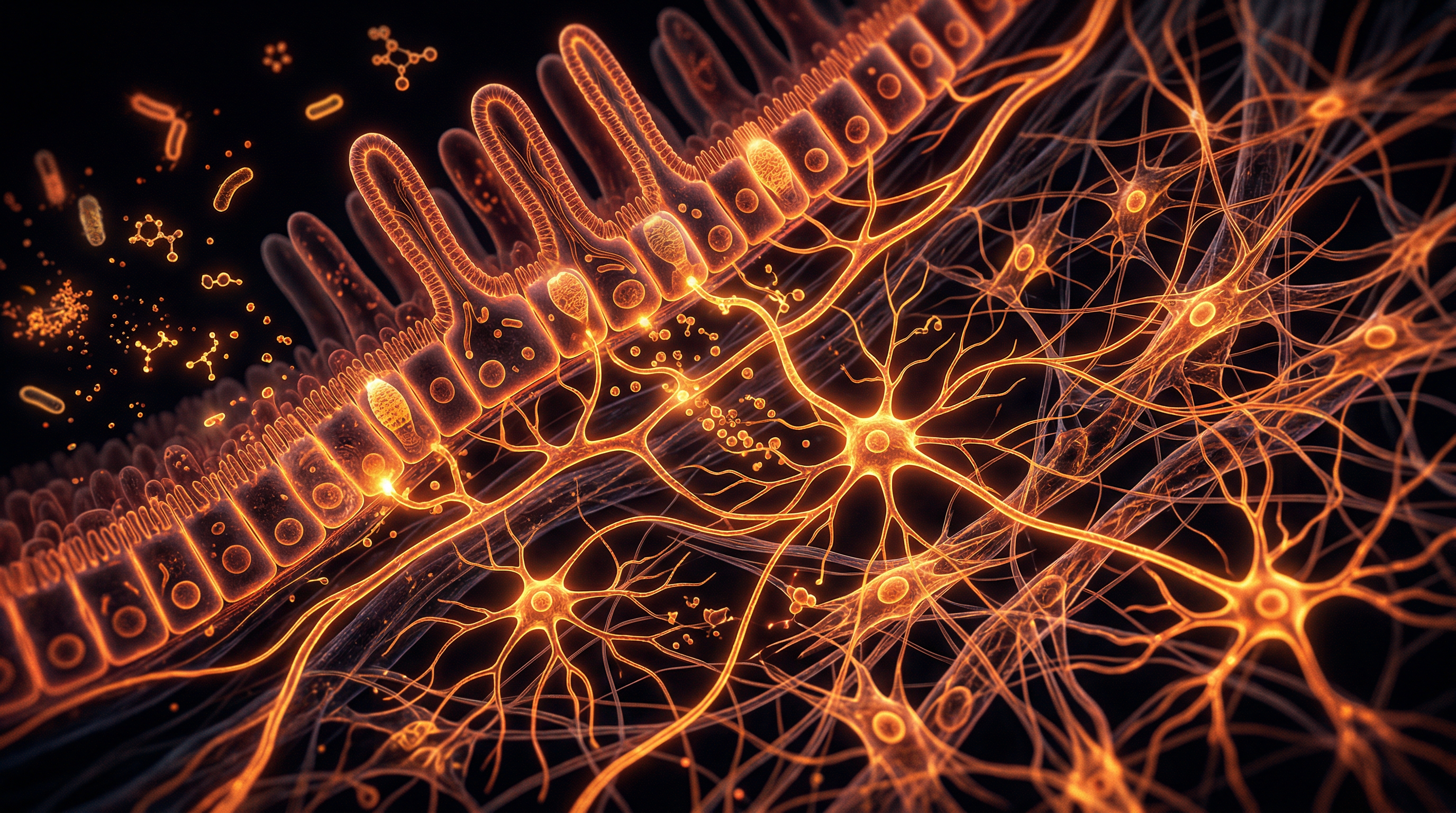
For decades, the medical establishment has operated under a reductionist paradigm, viewing the human body as a collection of isolated systems. In this fragmented landscape, gastroenterology was confined to the "tube" of the digestive tract, while orthopaedics and physiotherapy were relegated to the "scaffolding" of muscles and bones. However, emerging research into the interstitium and the reclassification of the mesentery as a continuous organ has shattered these silos. We are now beginning to understand the Gut-Fascia Axis: a structural, biochemical, and energetic superhighway that links our internal viscera to our external musculoskeletal frame.
This axis represents the missing link in chronic pain management. It explains why a patient with Irritable Bowel Syndrome (IBS) frequently presents with chronic lower back pain, and why pelvic floor dysfunction is often resistant to local treatment if the underlying gut inflammation is not addressed. The gut is not merely suspended in the abdominal cavity; it is intricately woven into the fascial matrix—the body’s "living collagenous web." When the gut becomes inflamed, the mesentery (the fascial fold attaching the intestines to the posterior abdominal wall) thickens and contracts. This tension is transmitted directly to the spine, creating a mechanical pull that no amount of spinal adjustment can permanently fix.
This article explores the profound biological reality of the Gut-Fascia Axis, exposing how chronic systemic inflammation migrates through these connective tissues to rewire our biomechanics. We will move beyond the superficial "leaky gut" narrative to understand "leaky fascia" and the structural consequences of biological neglect.
Fact: The mesentery was officially reclassified as a single, continuous organ in 2017, following research by Professor J. Calvin Coffey. This discovery fundamentally changed our understanding of abdominal anatomy.
The Biology — How It Works
To understand the Gut-Fascia Axis, we must first redefine Fascia. Traditionally dismissed as "packing material" in anatomy classes, fascia is actually a sophisticated, fluid-filled network of connective tissue that surrounds every muscle, organ, nerve, and blood vessel. It is a tensegrity structure—a term coined by Buckminster Fuller—meaning it maintains its integrity through a balance of continuous tension and local compression.
The Mesentery: The Physical Bridge
The primary physical component of the Gut-Fascia Axis is the mesentery. This double fold of peritoneum attaches the intestines to the posterior wall of the abdomen. It is not a series of fragmented tabs, as previously thought, but a continuous sheet of tissue.
The mesentery acts as the conduit for:
- Neurovascular bundles: Every nerve, artery, and lymphatic vessel reaching the gut must travel through the fascial layers of the mesentery.
- Immune surveillance: It houses a vast network of lymph nodes that monitor the gut for pathogens.
- Mechanical support: It suspends the gut, preventing it from collapsing under gravity while allowing the peristaltic movement necessary for digestion.
The Continuity of the Peritoneum
The fascia of the gut (the visceral peritoneum) is continuous with the fascia of the abdominal wall (the parietal peritoneum). This means that a change in the tension or health of the gut lining is physically communicated to the Transversus Abdominis and the Psoas Major. When the gut is distended or inflamed, the visceral fascia loses its "glide." In health, these layers should slide over one another with the viscosity of oil. In a state of chronic inflammation, they become "tacked" together, creating adhesions.
Thixotropy and Fluid Dynamics
Fascia is thixotropic, meaning it changes its state from a gel to a liquid in response to movement and temperature. The Gut-Fascia Axis relies on the flow of hyaluronan (hyaluronic acid) between layers. When inflammation is present, the chemistry of this fluid changes. It becomes "sticky," increasing the friction between the gut and the muscular wall. This is why many people with gut issues report a feeling of "stiffness" in their core that is worse in the morning—a time when the fascial fluids have been stagnant during sleep.
Mechanisms at the Cellular Level
At the microscopic level, the Gut-Fascia Axis is governed by the Extracellular Matrix (ECM) and the cells that inhabit it, primarily fibroblasts and mast cells.
Fibroblasts and Myofibroblasts
Fibroblasts are the "architects" of the fascia. They produce collagen and elastin to maintain the structural integrity of the tissue. However, in the presence of inflammatory cytokines (such as IL-6 and TNF-alpha) originating from a "leaky" gut, fibroblasts can differentiate into myofibroblasts.
Myofibroblasts contain alpha-smooth muscle actin, which gives them the ability to contract. This contraction is independent of the nervous system. When the mesentery is flooded with inflammatory signals from the gut, the myofibroblasts within it begin to pull. This creates a chronic "tug" on the lumbar vertebrae, leading to what is often misdiagnosed as purely mechanical lower back pain.
Mast Cells: The Chemical Sentinels
The fascia is incredibly rich in mast cells, which are part of the innate immune system. These cells are particularly concentrated near blood vessels and nerves within the mesentery. When the gut barrier is compromised (Increased Intestinal Permeability), undigested food particles and Lipopolysaccharides (LPS)—endotoxins from bacterial cell walls—enter the mesenteric fascia.
This triggers mast cell degranulation, releasing:
- Histamine: Increases vascular permeability and causes tissue swelling (oedema) within the fascia.
- Proteases: Enzymes that break down the ECM, leading to a loss of structural integrity.
- Transforming Growth Factor Beta (TGF-β): The primary driver of fibrosis, or the thickening and scarring of the fascial tissue.
Mechanotransduction
Fascia is a piezoelectric tissue. When it is compressed or stretched, it generates a small electrical charge. This is a form of mechanotransduction, where mechanical forces are converted into cellular signals. If the gut-fascia axis is under constant tension due to bloating or inflammation, the cells receive a signal that the body is under "attack" or mechanical stress. This keeps the sympathetic nervous system in a state of high alert, creating a feedback loop between gut distress and psychological anxiety.
Callout: Research has shown that fascia possesses six times as many sensory nerve endings as muscle, making it arguably our most important sensory organ for proprioception and interoception.
Environmental Threats and Biological Disruptors
The Gut-Fascia Axis is currently under siege by modern environmental factors that were non-existent a century ago. These disruptors degrade the quality of our collagen and compromise the integrity of the mesenteric barrier.
The Glyphosate Crisis
Perhaps the most significant threat to the Gut-Fascia Axis is Glyphosate, the active ingredient in many broad-spectrum herbicides. Glyphosate is a glycine analogue. Glycine is the most abundant amino acid in collagen (making up every third link in the collagen chain).
Evidence suggests that the body may mistakenly incorporate glyphosate into collagen synthesis in place of glycine. This results in "broken" collagen that lacks the tensile strength and elasticity required for healthy fascia. When the mesentery is constructed from faulty collagen, it cannot effectively support the gut or communicate fluidly with the rest of the body, leading to systemic structural collapse.
Ultra-Processed Foods (UPFs) and Glycation
The consumption of high-sugar and ultra-processed foods leads to the formation of Advanced Glycation End-products (AGEs). In a process called the Maillard Reaction (the same process that browns toast), sugar molecules "cross-link" with collagen fibres in the fascia. This renders the fascia brittle, yellowed, and inelastic. This "caramelisation" of the Gut-Fascia Axis is a primary driver of the stiffness and chronic pain seen in metabolic syndrome.
The Pharmaceutical Onslaught: NSAIDs and PPIs
Mainstream medicine’s answer to abdominal pain or back pain is often Non-Steroidal Anti-Inflammatory Drugs (NSAIDs) like ibuprofen. Ironically, NSAIDs are notorious for causing gastric erosions and increasing intestinal permeability. By attempting to dull the pain of the Gut-Fascia Axis with NSAIDs, patients are actually worsening the "leaky gut" that caused the fascial tension in the first place. Similarly, Proton Pump Inhibitors (PPIs) disrupt stomach acid production, leading to small intestinal bacterial overgrowth (SIBO), which creates the gas and distension that mechanically stresses the mesentery.
Sedentary Lifestyles and "Fascial Stagnation"
The Gut-Fascia Axis requires movement to maintain its fluid state. The modern habit of sitting for 8–10 hours a day "crimps" the mesentery and the psoas muscle. This lack of movement leads to the dehydration of the ECM. Without the "pumping" action of walking and twisting, the lymphatics within the mesentery cannot drain, leading to a "congested" abdomen that feels heavy and unresponsive.
The Cascade: From Exposure to Disease
The progression from a healthy Gut-Fascia Axis to chronic disease follows a predictable, yet often ignored, cascade.
Stage 1: The Breach
The process begins with an insult to the gut lining—perhaps through poor diet, chronic stress, or antibiotic overuse. The Tight Junctions between the cells of the gut lining open, allowing LPS and other toxins into the "sub-mucosal" space.
Stage 2: Mesenteric Translocation
Inflammation does not stay inside the tube. It migrates. The cytokines and toxins enter the mesentery. The fascial fluid becomes viscous and "sludge-like." The immune system within the fascia becomes hyper-active, leading to local swelling. At this stage, a person might feel "bloated" or have "unexplained" abdominal tenderness.
Stage 3: The Viscerosomatic Reflex
As the mesenteric fascia thickens and contracts, it stimulates the Viscerosomatic Reflex. This is a neurological phenomenon where sensory input from an organ (the gut) affects the motor output to the muscles at the same spinal level. The nerves for the small intestine share the same spinal segments (T10–L1) as the muscles of the lower back. The brain receives a signal of "danger" from the gut and responds by tightening the muscles of the lower back to "splint" or protect the area.
Stage 4: Structural Distortions
Chronic tension in the Gut-Fascia Axis eventually alters the person's posture. The psoas muscle (which is fascially connected to the kidneys and the colon) shortens. This pulls the lumbar spine into excessive lordosis (curvature), tilting the pelvis forward. Now, the patient has a structural "back problem" that is entirely driven by visceral tension.
Stage 5: Fibrosis and Systemic Dysfunction
If the inflammation persists for years, the fascia undergoes fibrosis. The delicate web of the mesentery is replaced by thick, gristly scar tissue. This restricts the blood flow to the organs, leading to a decline in digestive function and chronic, "phantom" pains that do not show up on standard X-rays or MRIs.
What the Mainstream Narrative Omits
The failure of modern medicine to address the Gut-Fascia Axis is not merely an oversight; it is a byproduct of an educational system funded by pharmaceutical interests that benefit from chronic, symptomatic management.
The "Anatomy of the Dead"
Medical students still primarily learn anatomy from cadavers. In a cadaver, the fascia is dehydrated, brittle, and looks like "scrapings." The dynamic, fluid-filled nature of the interstitium is lost the moment the body dies. Therefore, surgeons and doctors are trained to see the fascia as an obstacle to be cut through to reach the "important" organs, rather than a vital organ system in itself.
The Siloing of Specialists
If you have back pain, you see an osteopath or an orthopaedic surgeon. If you have indigestion, you see a gastroenterologist. These two specialists rarely, if ever, speak to each other. The orthopaedist looks at the disc; the gastroenterologist looks at the mucosa. Neither looks at the mesentery that connects the two. This "siloing" ensures that the root cause—the Gut-Fascia Axis—is never addressed.
The Suppression of Visceral Manipulation
There is a long-standing tradition in Osteopathy and Manual Therapy known as Visceral Manipulation. This involves gentle, manual techniques to release tensions in the mesentery and the organs. Despite its effectiveness in resolving "mechanical" back pain by treating the gut, it is often dismissed by "evidence-based" medicine as "pseudoscience" because the subtle changes in fascial glide are difficult to measure with crude instruments.
The Neglect of the Interstitium
The interstitium—a body-wide network of fluid-filled spaces in the connective tissue—was only recognised as a potential "new organ" in 2018. The mainstream narrative has yet to catch up with the implications: that the gut is part of a fluid system that communicates instantly with the skin, the lungs, and the brain via the fascial matrix.
The UK Context
In the United Kingdom, the Gut-Fascia Axis crisis is particularly acute due to a combination of dietary habits, soil depletion, and the structure of the National Health Service (NHS).
The "Beige Diet" and UPFs
The UK has one of the highest consumptions of ultra-processed foods in Europe. The British "beige diet"—high in refined grains, seed oils, and sugar—is a recipe for fascial glycation. The prevalence of "wheat-heavy" breakfasts and "ready-meal" dinners ensures a constant state of low-grade gut inflammation that keeps the British mesentery in a state of permanent contraction.
Soil Depletion: The Magnesium and Silica Gap
Healthy fascia requires specific minerals: Magnesium for muscle relaxation, Silica for collagen strength, and Sulphur for cross-linking. Modern intensive farming in the UK has decimated the mineral content of British soil. Without these micronutrients, the body cannot repair the fascial matrix, leading to the high rates of chronic back pain and "fibromyalgia" seen in the British population.
The NHS "Wait-and-See" Trap
The NHS model is designed for acute care, not the nuanced management of the Gut-Fascia Axis. A patient with "non-specific lower back pain" is typically given a six-week wait for a physiotherapist, who will likely prescribe "core strengthening" exercises. However, if the back pain is driven by a contracted mesentery, "strengthening" the abdominal wall may actually increase the compression on the gut, exacerbating the problem. The lack of integrated visceral therapy within the NHS means millions are left in a cycle of chronic pain and "IBS" with no structural resolution.
The "Stiff Upper Lip" and Pelvic Health
Culturally, there is still a degree of reticence in the UK regarding discussing "bowel habits" and "pelvic health." This psychological suppression often manifests physically as tension in the pelvic fascia. In the UK, pelvic floor dysfunction is often treated with "Kegels," which can be disastrous if the pelvic fascia is already "locked" due to chronic gut inflammation.
Protective Measures and Recovery Protocols
Healing the Gut-Fascia Axis requires a dual approach: biochemical intervention to heal the gut and mechanical intervention to release the fascia.
1. Nutritional Scaffolding
- Bone Broth and Collagen: Rich in proline, glycine, and hydroxyproline, bone broth provides the literal "bricks and mortar" for fascial repair.
- L-Glutamine: An amino acid that is the primary fuel for enterocytes (gut cells), helping to "seal" the leaky gut.
- Silica and MSM: Supplementing with bamboo-derived silica and Methylsulfonylmethane (MSM) supports the structural integrity of the collagen fibres.
- Elimination of Glyphosate: Eat organic where possible, especially for "thin-skinned" produce and grains, to avoid the incorporation of glyphosate into your collagen.
2. Visceral and Fascial Release
- Visceral Manipulation: Seek out a qualified osteopath or manual therapist trained in the Barral method or similar visceral techniques. This can "de-rotate" the gut and take the pressure off the spine.
- Fascial Stretching: Unlike traditional muscle stretching, fascial stretching involves long, slow, multi-planar movements. Think "Yin Yoga" or "Pandiculation" (the way a cat stretches).
- Abdominal Self-Massage: Using a soft ball (like a Coregeous ball) to gently massage the abdomen can help break up superficial adhesions and encourage lymphatic drainage in the mesentery.
3. Hydration and Electrolytes
Fascia is a "hydraulic" system. If you are dehydrated, your fascia becomes a "glue" rather than a "lubricant."
- Structured Water: Consuming water with trace minerals (Magnesium, Potassium) ensures the water actually enters the Extracellular Matrix rather than just passing through.
- Hyaluronic Acid: Supplementing with high-molecular-weight HA can help restore the "glide" between the fascial layers.
4. Vagus Nerve Stimulation
The Vagus nerve travels through the fascia of the neck and thorax to reach the gut.
- Cold Exposure: Splashing the face with cold water or taking cold showers can "tone" the Vagus nerve, which in turn reduces gut inflammation.
- Diaphragmatic Breathing: The diaphragm is the "pump" for the entire abdominal cavity. Deep, "belly breathing" creates a mechanical massage for the mesentery with every breath.
5. Movement as Medicine
Avoid "stagnation." If you work at a desk, use a standing desk or take a "movement snack" every 30 minutes. Walking—specifically walking with a natural arm swing—creates a contralateral twist that "wrings out" the fascia of the torso, preventing the mesentery from becoming "tacked" to the spine.
Summary: Key Takeaways
The Gut-Fascia Axis represents a fundamental shift in how we perceive human health. It is the bridge between the internal environment of our digestion and the external reality of our physical movement.
- The Mesentery is the Key: It is a continuous organ that physically anchors our digestive system to our spine. Its health determines our structural stability.
- Inflammation Migrates: Gut inflammation is not contained; it travels through the fascial matrix, causing thickening, contraction, and "fibrosis" of the abdominal wall.
- Back Pain is often Visceral: Chronic lower back pain is frequently a "viscerosomatic reflex" caused by a distressed gut pulling on the fascial scaffolding.
- The Environmental Threat is Real: Glyphosate, UPFs, and mineral depletion are actively degrading our collagen, leading to a "brittle" and "sticky" Gut-Fascia Axis.
- Holistic Recovery is Essential: To heal, one must address both the biochemistry of the gut (diet, supplements) and the mechanics of the fascia (movement, visceral manipulation).
By acknowledging the Gut-Fascia Axis, we stop being "victims" of mysterious chronic pain and start becoming architects of our own biological integrity. The "Innerstanding" of this axis is the first step toward reclaiming a body that is fluid, resilient, and free from the constraints of modern biological neglect. It is time to stop treating the symptoms and start healing the web that holds us together.
This article is provided for informational and educational purposes only. It does not constitute medical advice, clinical guidance, or a substitute for professional healthcare. Information reflects cited research at time of publication. Always consult a qualified healthcare professional before acting on any health information.
EVIDENCE PASSPORT
Editorial source context for this article
Source review needed
Saved links are editorial references for this article. They may support specific claims rather than every sentence. Open and assess each source in context. This passport does not independently verify them.
Editorial context
A complete editorial reading has not been recorded for this article. Source links remain available for you to open and assess directly.
Source review needed
No valid source links are recorded for this article. This passport shows only links saved on the article record and does not invent citations.
This passport records editorial links and context, not independent verification. Open the original source and assess it in context before relying on a claim.
Medical Disclaimer
The information in this article is for educational purposes only and does not constitute medical advice, diagnosis, or treatment. Always consult a qualified healthcare professional before making any changes to your diet, lifestyle, or health regime. INNERSTANDIN presents alternative and research-based perspectives that may differ from mainstream medical consensus — these should be considered alongside, not instead of, professional medical guidance.
Read Full DisclaimerContinue the thread
Keep this question moving.
Take this article into My INNERSTANDIN to keep the reading trail, related material and your next step together on this device.
Explore this in the Body Map
See where this hits your biology. Interactive anatomy, threats, and protective protocols.
Dig deeper in the Library
Free, longform PDF volumes that go beyond headlines into mechanisms and references.