Long-term Immunological Sequelae of Appendectomy: Altered Cytokine Profiles and Increased Vulnerability to Dysbiotic States
An in-depth examination of the vermiform appendix as a critical immune reservoir and the systemic immunological consequences of its removal, focusing on cytokine dysregulation and microbiome instability.
# Long-term Immunological Sequelae of Appendectomy: Altered Cytokine Profiles and Increased Vulnerability to Dysbiotic States
For decades, the vermiform appendix was dismissed as a biological redundant—a vestigial remnant of our evolutionary past with no discernible function in the modern human. However, emerging research in the fields of mucosal immunology and microbiology is forcing a radical re-evaluation of this small, finger-like projection. At INNERSTANDING, we focus on the root causes of health and disease, and the removal of the appendix (appendectomy) provides a unique window into how the loss of a specialised immune organ can ripple through the entire systemic architecture. Far from being a useless appendage, the appendix serves as a critical component of the Gut-Associated Lymphoid Tissue (GALT) and a 'safe house' for the commensal microbiome.
The GALT Nexus: The Appendix as an Immune Training Ground
The appendix is exceptionally rich in lymphoid tissue, particularly in early life and adolescence. It serves as a primary site for the differentiation of B-lymphocytes and the production of Immunoglobulin A (IgA) antibodies. IgA is the body's first line of defence at mucosal surfaces, essential for regulating the composition of the gut microbiota and preventing the translocation of pathogens. When the appendix is removed, a dense concentration of this lymphoid tissue is lost. While other parts of the GALT, such as Peyer's patches, attempt to compensate, the specific immunological 'education' that occurs within the appendix—a microenvironment protected from the high-flow traffic of the main digestive tract—is irrecoverable. This loss leads to a subtle but significant shift in the body's ability to mount targeted mucosal immune responses.
The Safe House Hypothesis and Microbial Resilience
Panaceum – Prebiotic Oligosaccharide Complex
Panaceum is a specialist eight-oligosaccharide blend designed to restore the microbial diversity missing from the modern Western diet. By providing the complex fibres our ancestors once consumed, it feeds and sustains a resilient gut microbiome for long-term health.
Vetting Notes
Pending
One of the most profound theories regarding appendix function is the 'Safe House Hypothesis,' proposed by researchers at Duke University. The appendix's anatomical structure, situated away from the main fecal stream, allows it to serve as a reservoir for beneficial bacteria. In the event of a severe gastrointestinal infection or a 'flush-out' event (such as diarrheal illness), the appendix provides a sanctuary where commensal microbes can survive. Following the clearance of the pathogen, these beneficial microbes emerge from the appendix to recolonise the colon. Individuals who have undergone an appendectomy lose this biological backup system. Research indicates that appendectomised patients are significantly more susceptible to recurrent infections, most notably *Clostridioides difficile*. Without the appendix to re-seed the gut with healthy flora, the microbiome remains in a state of post-infection dysbiosis for longer periods, increasing the risk of chronic inflammation.
Altered Cytokine Profiles: The Molecular Shift
The immunological impact of appendectomy extends beyond the gut. Studies comparing appendectomised individuals to controls have identified distinct alterations in systemic cytokine profiles. Cytokines are signalling molecules that mediate and regulate immunity, inflammation, and haematopoiesis. A key finding in post-appendectomy patients is the reduction in interleukin-10 (IL-10) producing T-regulatory (Treg) cells. IL-10 is a potent anti-inflammatory cytokine that prevents tissue damage caused by excessive immune responses.
Conversely, there is often an observed increase in pro-inflammatory markers such as Interleukin-6 (IL-6) and C-reactive protein (CRP) in the years following the surgery. This shift toward a pro-inflammatory baseline—a state sometimes referred to as 'inflammaging'—suggests that the appendix plays a role in maintaining systemic immune tolerance. The loss of this regulatory hub can predispose individuals to exaggerated immune responses to environmental triggers, potentially lowering the threshold for the development of chronic conditions.
Increased Vulnerability to Dysbiotic States
The term 'dysbiosis' refers to an imbalance in the microbial communities within the body. Because the appendix is a key regulator of the gut-immune axis, its removal often leads to a less diverse and less resilient microbiome. This vulnerability is not merely digestive; it is systemic. A dysbiotic gut is linked to increased intestinal permeability ('leaky gut'), where microbial metabolites and undigested food particles enter the bloodstream, further taxing the immune system.
Long-term longitudinal studies have suggested a correlation between appendectomy and an increased risk of certain autoimmune and inflammatory disorders. For instance, while appendectomy appears to be protective against Ulcerative Colitis in some contexts, it has been linked to an increased risk of Crohn's disease and even certain systemic conditions like Systemic Lupus Erythematosus (SLE) and Rheumatoid Arthritis. These associations underscore the idea that the appendix is a vital component of the systemic immune 'checks and balances' system.
The Root Cause Perspective: Mitigating the Impact
Recognising the appendix as a functional organ changes how we approach post-operative care. For those who have already undergone an appendectomy, the focus must shift to microbial and immunological preservation. This involves:
- —Targeted Microbiome Support: Prioritising high-diversity fermented foods and specific probiotic strains (such as *Saccharomyces boulardii* and *Lactobacillus rhamnosus*) to compensate for the loss of the microbial reservoir.
- —Enhancing Mucosal Immunity: Utilising nutrients that support IgA production and mucosal integrity, including Vitamin A, Zinc, and L-glutamine.
- —Monitoring Systemic Inflammation: Regularly checking inflammatory markers and supporting the body's anti-inflammatory pathways through Omega-3 fatty acids, polyphenols, and stress management to offset the loss of regulatory IL-10.
- —Prebiotic Fibre: Consuming diverse plant fibres to ensure the remaining gut flora has the substrate needed to thrive without the 're-seeding' benefit of the appendix.
Conclusion
The vermiform appendix is far from a vestigial mistake; it is a sophisticated immunological asset. Its removal represents a significant disruption to the gut-associated lymphoid tissue and the body's microbial resilience. By understanding the long-term sequelae—ranging from cytokine shifts to increased dysbiotic vulnerability—we can take proactive steps to support the immune system. At INNERSTANDING, we advocate for a deeper respect for every organ's role in the intricate web of human health, ensuring that even when surgery is necessary, the long-term systemic impact is managed with precision and insight.
This article is provided for informational and educational purposes only. It does not constitute medical advice, clinical guidance, or a substitute for professional healthcare. Information reflects cited research at time of publication. Always consult a qualified healthcare professional before acting on any health information.
RESEARCH FOUNDATIONS
Biological Credibility Archive
Citations provided for educational reference. Verify via PubMed or institutional databases.
Medical Disclaimer
The information in this article is for educational purposes only and does not constitute medical advice, diagnosis, or treatment. Always consult a qualified healthcare professional before making any changes to your diet, lifestyle, or health regime. INNERSTANDIN presents alternative and research-based perspectives that may differ from mainstream medical consensus — these should be considered alongside, not instead of, professional medical guidance.
Read Full DisclaimerReady to learn more?
Continue your journey through our classified biological research.
DISCUSSION ROOM
Members of THE COLLECTIVE discussing "Long-term Immunological Sequelae of Appendectomy: Altered Cytokine Profiles and Increased Vulnerability to Dysbiotic States"
SILENT CHANNEL
Be the first to discuss this article. Your insight could help others understand these biological concepts deeper.
THE ARSENAL
Based on Appendix Function & Immune Reservoir — products curated by our research team for educational relevance and biological support.
C60 Charcoal – Supports Healthy Digestion and Detoxification.
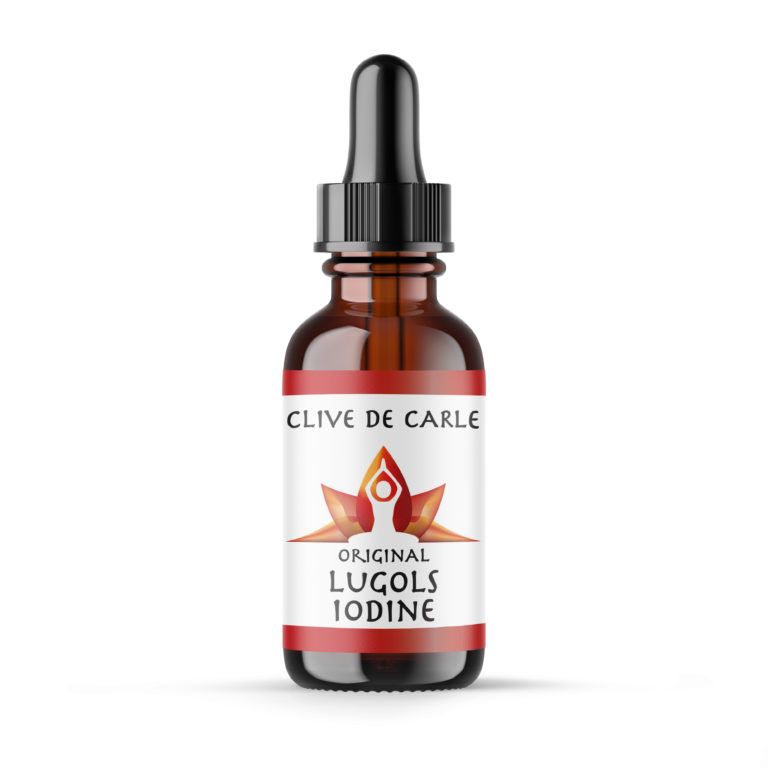
Lugol’s Iodine – Hormonal Issues, Menopause, Immune System, Brain Fog, Memory, Thyroid, Dry Skin

Rejuvenation Pack – Essential Vitamins and Minerals for Health Restoration
INNERSTANDING may earn a commission on purchases made through these links. All products are selected based on rigorous educational relevance to our biological research.
RABBIT HOLE
Follow the biological thread deeper