
Extratimous B-Cell Maturation: Quantifying the Appendix’s Contribution to Systemic IgA Synthesis
An in-depth analysis of the human appendix as a specialised lymphoid organ, focusing on its role in extratimous B-cell maturation and the production of secretory Immunoglobulin A (sIgA) for mucosal and systemic homeostasis.

# Beyond Vestigiality: The Appendix as an Immunological Powerhouse\n\nFor over a century, the human vermiform appendix was largely dismissed as an evolutionary relic—a vestigial structure left behind as our ancestors transitioned from high-cellulose diets. However, contemporary immunology, pioneered by the INNERSTANDING framework, reveals a far more sophisticated reality. Far from being a redundant 'dead end', the appendix serves as a primary site for extratimous B-cell maturation and a critical reservoir for the gut microbiome. Central to this function is its role in quantifying and producing secretory Immunoglobulin A (sIgA), the most prevalent antibody in the human body, essential for maintaining mucosal integrity and regulating the systemic immune response.\n\n## The Histology of the Vermiform Appendix\n\nTo understand the appendix's contribution to B-cell maturation, we must first examine its unique architecture. Unlike the rest of the large intestine, the appendix is densely packed with lymphoid follicles.
In the early stages of human development, particularly between the second and third decades of life, these follicles are at their peak density. Each follicle consists of a germinal centre surrounded by a mantle zone and a dome region that protrudes into the lumen. This structure is strategically positioned at the junction of the small and large intestines—the ileocaecal valve—allowing it to sample bacterial antigens from both environments. It functions as a specialised component of the Gut-Associated Lymphoid Tissue (GALT), acting as a 'biological sensor' for the enteric landscape.\n\n## Extratimous Maturation: B-Cells Outside the Thymus\n\nThe term 'extratimous' refers to immune cell maturation processes that occur independently of the thymus. While T-cells are the primary focus of thymic education, the appendix provides a specialised niche for B-cells to undergo Somatic Hypermutation (SHM) and Class-Switch Recombination (CSR).
In the germinal centres of the appendix, naive B-cells (B2 cells) are exposed to a concentrated soup of commensal and pathogenic antigens. This exposure triggers the transition from producing IgM antibodies to the highly specialised IgA isotype. This maturation is not merely a local event; the appendix acts as an educational hub, 'training' B-cells to recognize the nuances of the local microbiota before they exit into the systemic circulation to populate distant mucosal sites, such as the respiratory tract and the urogenital system.\n\n## Mechanism: The IgA Synthesis Pathway\n\nThe synthesis of IgA within the appendix is a multi-step process. First, M-cells (microfold cells) in the dome epithelium overlying the lymphoid follicles transport antigens from the lumen to the underlying immune cells. Dendritic cells then present these antigens to helper T-cells, which in turn activate B-cells.
Within the germinal centres, these B-cells undergo rapid proliferation and affinity maturation. The specific cytokine environment of the appendix—rich in Transforming Growth Factor-beta (TGF-β) and Interleukin-10 (IL-10)—favours the class switching to IgA. Once matured, these IgA-secreting plasma cells (plasmablasts) migrate via the lymphatics to the mesenteric lymph nodes and eventually enter the bloodstream through the thoracic duct. This ensures that the 'immunological memory' generated in the appendix is distributed throughout the entire body.\n\n## Quantifying the Appendix’s Contribution to Systemic IgA\n\nWhile the entire gastrointestinal tract produces IgA, the appendix's contribution is disproportionately high relative to its size. Research indicates that the density of IgA-producing cells in the appendix is significantly higher than in the colon or the ileum.
Furthermore, the appendix is unique in its ability to maintain a 'safe house' for beneficial bacteria within a biofilm. By secreting specific IgA molecules, the appendix can selectively 'coat' commensal bacteria, facilitating their adherence to the mucosal wall and preventing their displacement by pathogens. This 'selective opsonisation' means the appendix doesn't just produce quantity; it provides the quality and specificity of IgA required to maintain the delicate balance of the gut-lung-brain axis. In quantitative terms, during the peak of its activity, the appendix may contribute up to 10-15% of the total enteric IgA pool, acting as a crucial backup system during periods of systemic infection.\n\n## The Root Cause of Dysbiosis: The Impact of Appendectomy\n\nFrom a root-cause perspective, the removal of the appendix (appendectomy) represents a significant disruption to the body’s immunological 'training ground'. Epidemiological studies have suggested that individuals who have undergone appendectomies may be at a higher risk for certain autoimmune conditions, inflammatory bowel disease (IBD), and specifically, Clostridioides difficile infections.
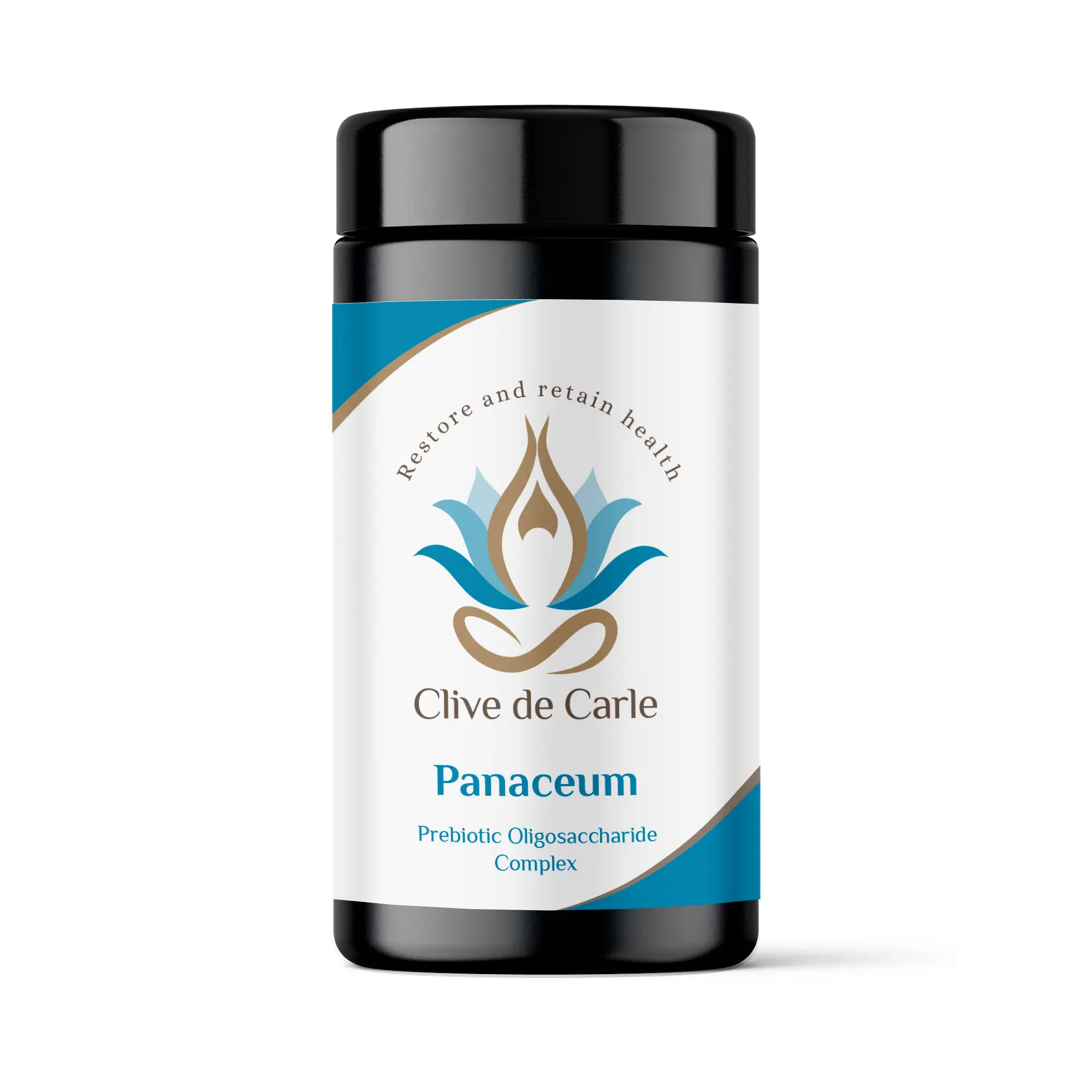
Panaceum – Prebiotic Oligosaccharide Complex
Panaceum is a specialist eight-oligosaccharide blend designed to restore the microbial diversity missing from the modern Western diet. By providing the complex fibres our ancestors once consumed, it feeds and sustains a resilient gut microbiome for long-term health.
Vetting Notes
Pending
Without the appendix's reservoir of IgA and beneficial microbes, the gut is less equipped to recover from the 'reset' caused by antibiotics or severe diarrheal illness. The loss of the extratimous maturation site means the body must rely on other GALT structures, such as Peyer's patches, which may not offer the same concentrated antigenic exposure or the same 'safe house' protection for commensals. This systemic deficit in IgA-mediated regulation can lead to a chronic state of low-grade inflammation, a primary driver of many modern metabolic and autoimmune disorders.\n\n## The Safe House Theory and Biofilm Maintenance\n\nThe 'Safe House Theory' posits that the appendix evolved specifically to protect the microbiome. The narrow lumen of the appendix and its location make it less susceptible to the 'flushing' effect of diarrhoea. Within this sanctuary, sIgA plays a structural role.
It facilitates the formation of a healthy biofilm—a matrix where bacteria can thrive. When a pathogen sweeps through the gut, the appendix can 're-seed' the colon with these protected commensals once the danger has passed. This re-seeding is directed by the IgA produced within the appendiceal follicles, ensuring that the arriving bacteria are already 'tagged' for favourable integration into the host environment. This highlights the appendix's role not just as a producer of antibodies, but as a master regulator of ecological succession within the human gut.\n\n## Conclusion: Re-evaluating the Appendix in Modern Medicine\n\nUnderstanding the appendix as a hub for extratimous B-cell maturation and systemic IgA synthesis shifts our perspective from viewing it as a liability to seeing it as a vital asset. For INNERSTANDING, the focus remains on the root causes of health; the appendix is a cornerstone of mucosal immunity.
As we continue to quantify its contribution to the systemic immune pool, it becomes clear that preserving appendiceal function—or mimicking its immunomodulatory effects in those who have lost it—is essential for long-term health. The appendix is not an evolutionary mistake; it is a highly calibrated instrument of immune education, ensuring that our bodies remain in a state of harmonious coexistence with the microbial world.","tags":["Immunology","Appendix Function","B-Cell Maturation","Secretory IgA","Gut Health","Microbiome","GALT"],"reading_time":9.5}
This article is provided for informational and educational purposes only. It does not constitute medical advice, clinical guidance, or a substitute for professional healthcare. Information reflects cited research at time of publication. Always consult a qualified healthcare professional before acting on any health information.
RESEARCH FOUNDATIONS
Biological Credibility Archive
Citations provided for educational reference. Verify via PubMed or institutional databases.
Medical Disclaimer
The information in this article is for educational purposes only and does not constitute medical advice, diagnosis, or treatment. Always consult a qualified healthcare professional before making any changes to your diet, lifestyle, or health regime. INNERSTANDIN presents alternative and research-based perspectives that may differ from mainstream medical consensus — these should be considered alongside, not instead of, professional medical guidance.
Read Full DisclaimerReady to learn more?
Continue your journey through our classified biological research.
DISCUSSION ROOM
Members of THE COLLECTIVE discussing "Extratimous B-Cell Maturation: Quantifying the Appendix’s Contribution to Systemic IgA Synthesis"
SILENT CHANNEL
Be the first to discuss this article. Your insight could help others understand these biological concepts deeper.
THE ARSENAL
Based on Appendix Function & Immune Reservoir — products curated by our research team for educational relevance and biological support.

C60 Charcoal – Supports Healthy Digestion and Detoxification.
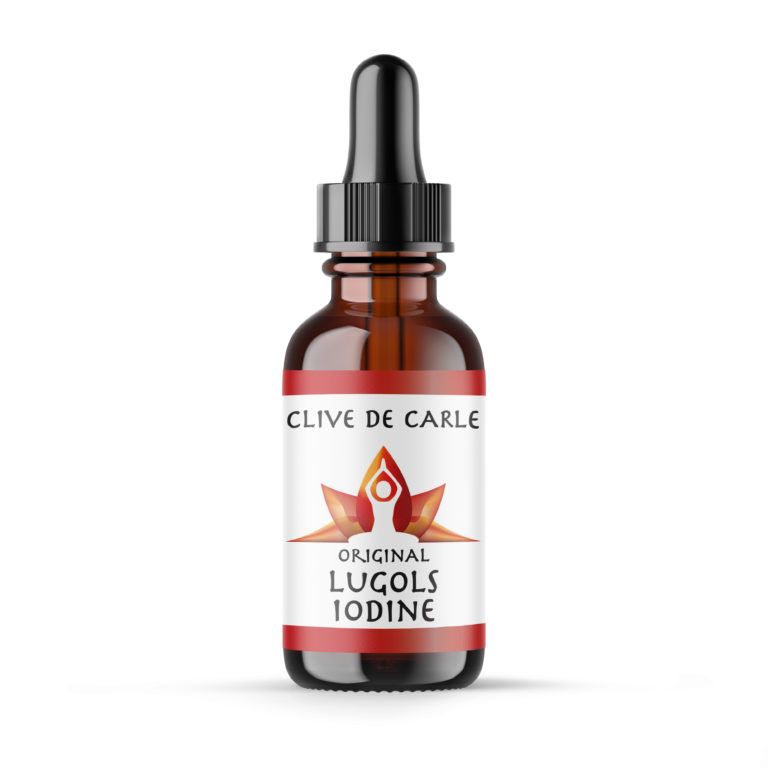
Lugol’s Iodine – Hormonal Issues, Menopause, Immune System, Brain Fog, Memory, Thyroid, Dry Skin
Rejuvenation Pack – Essential Vitamins and Minerals for Health Restoration
INNERSTANDING may earn a commission on purchases made through these links. All products are selected based on rigorous educational relevance to our biological research.
RABBIT HOLE
Follow the biological thread deeper

