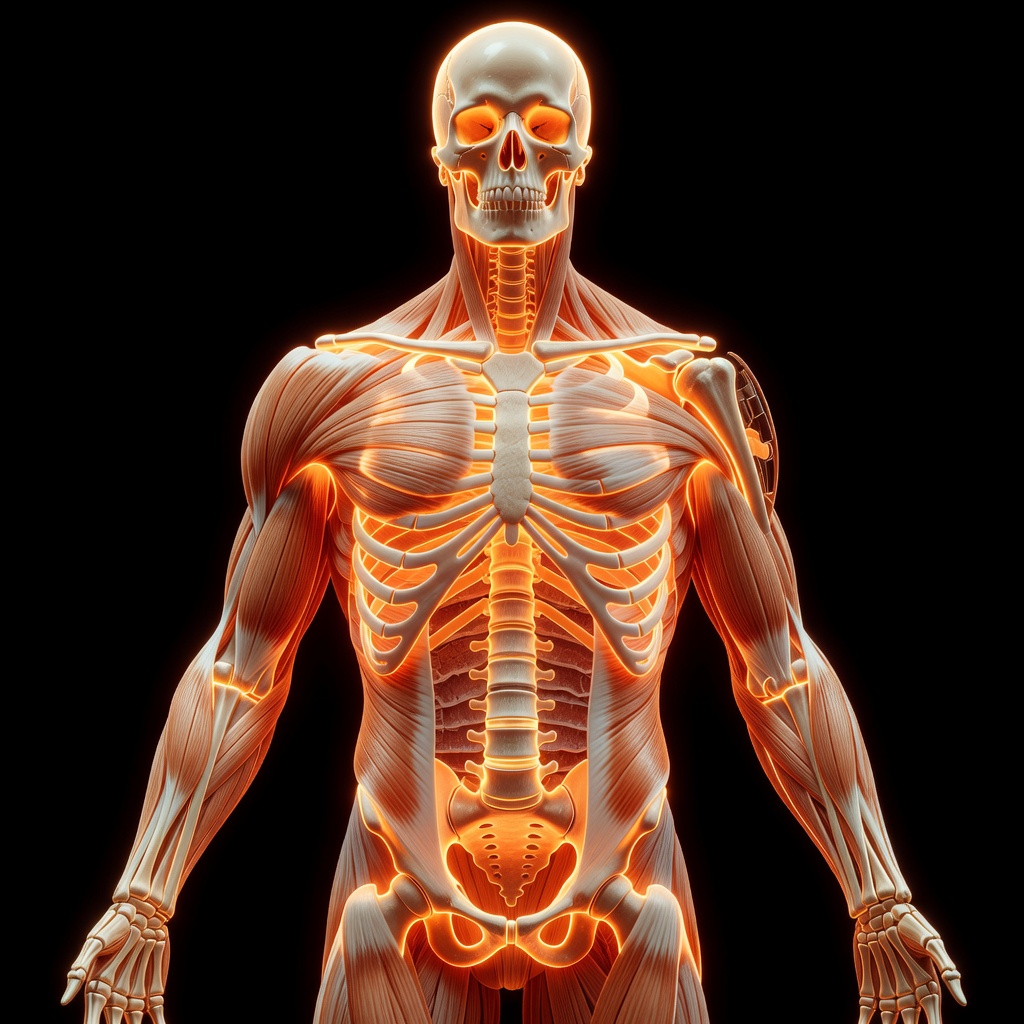
Environmental Xenobiotics and Cecal Dysbiosis: Impact on the Gut-Associated Lymphoid Tissue (GALT) Architecture
An exploration into how industrial toxins, pesticides, and microplastics disrupt the cecal microbiome and structurally degrade the Gut-Associated Lymphoid Tissue (GALT), leading to systemic immune dysfunction and the loss of the appendix's 'safe house' function.
# Environmental Xenobiotics and Cecal Dysbiosis: Impact on the Gut-Associated Lymphoid Tissue (GALT) Architecture
Introduction: The Invisible Threat to Our Internal Ecology
In the modern industrialised world, humans are exposed to an unprecedented cocktail of foreign chemical substances known as xenobiotics. Derived from the Greek 'xenos' (foreign) and 'bios' (life), these compounds include synthetic pesticides, plasticisers, heavy metals, and pharmaceutical residues. While much of the contemporary health discourse focuses on hepatic detoxification, the primary interface between these compounds and our immune system is the gastrointestinal tract—specifically the cecum and its anatomical extension, the appendix. At INNERSTANDING, we look beyond surface symptoms to the root causes of immune dysregulation, identifying the degradation of the cecal environment as a primary driver of modern chronic illness.
The Cecum: More Than a Vestigial Pocket
The cecum serves as the critical transition zone between the small and large intestines. For decades, Western medicine viewed the appendix—a lymphoid-rich appendage of the cecum—as a vestigial remnant of an evolutionary past. However, contemporary immunology identifies the appendix as a critical 'safe house' for the gut microbiome and a primary site for Gut-Associated Lymphoid Tissue (GALT).
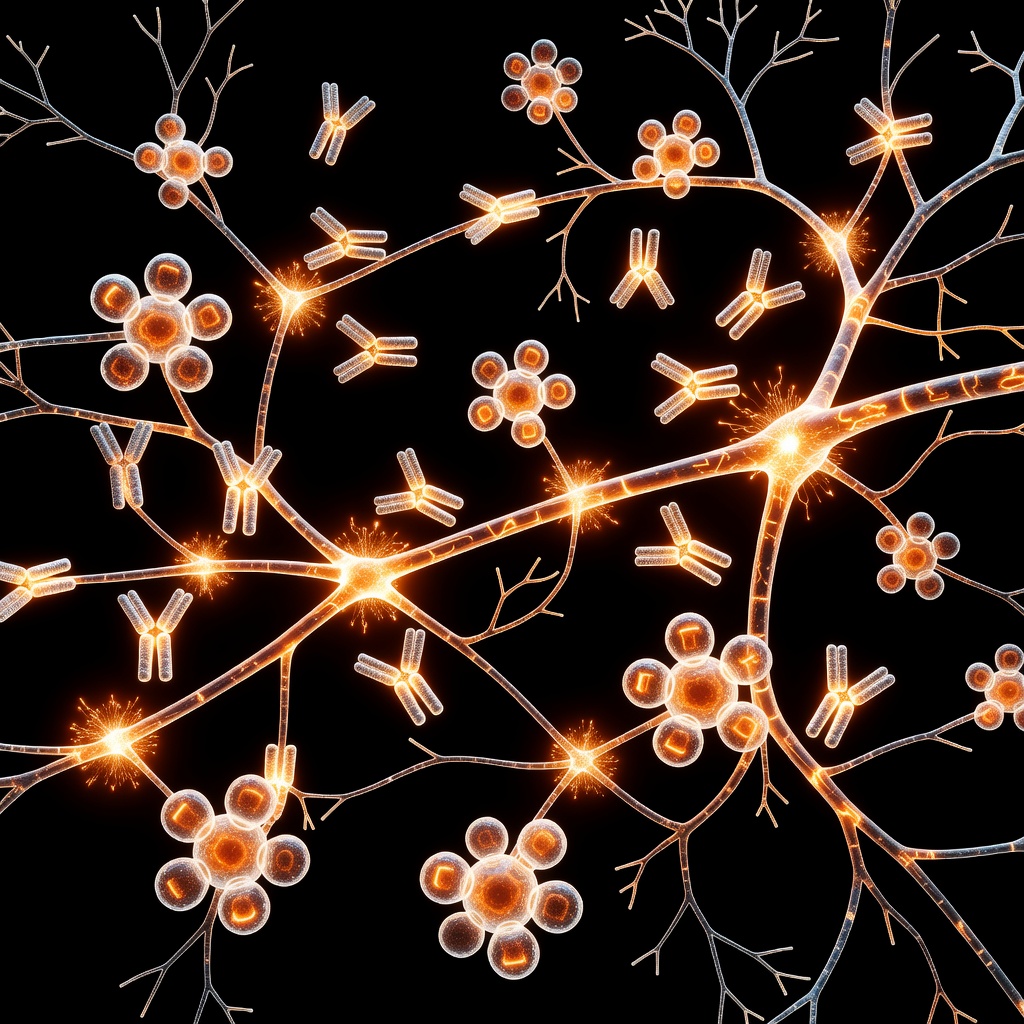
GALT represents approximately 70% of the body’s total immune system. Its architecture in the cecal region is particularly dense, characterized by an intricate network of B-cell follicles, T-cell zones, and specialized epithelial cells. This region functions as a 'biological classroom' where the immune system learns to distinguish between beneficial commensal bacteria and potentially harmful pathogens. When the structural integrity of this tissue is compromised, the entire systemic immune response begins to falter.
Mechanism of Harm: How Xenobiotics Trigger Cecal Dysbiosis
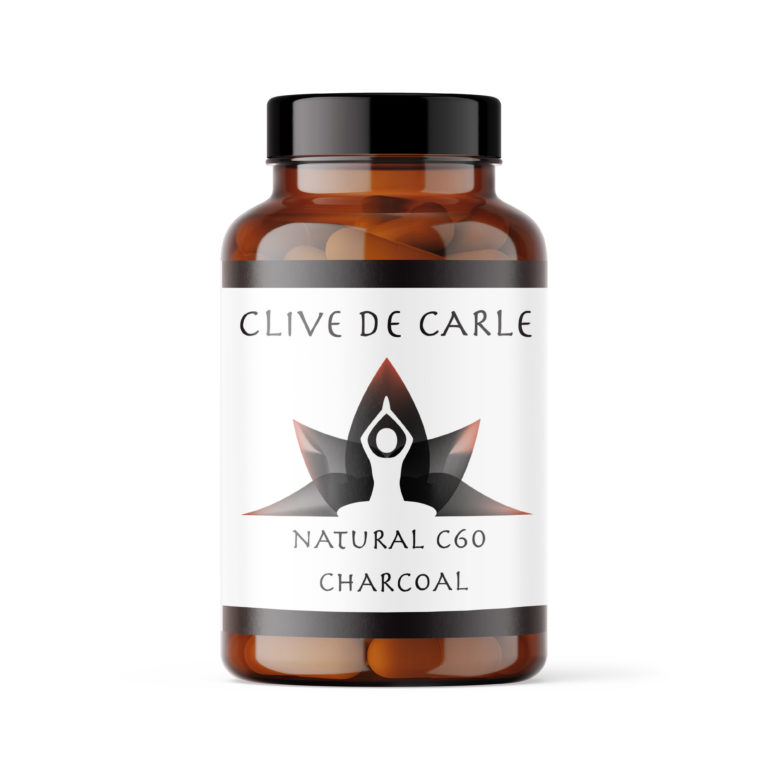
C60 Charcoal – Supports Healthy Digestion and Detoxification.
Support healthy digestion and ease bloating with a natural hardwood charcoal rich in C60 fullerenes. This non-nano formula assists in removing toxins and strengthening your immune response for a more comfortable, balanced gut.
Vetting Notes
Pending
Xenobiotics disrupt the cecal ecosystem through several complex mechanisms that go beyond simple toxicity.
1. Direct Antimicrobial Action
Many environmental chemicals, most notably the herbicide glyphosate, act as broad-spectrum antimicrobial agents. By inhibiting the Shikimate pathway—a metabolic pathway found in bacteria but not humans—these chemicals selectively kill off beneficial probiotic strains while allowing pathogenic, resilient strains to proliferate. This creates a state of cecal dysbiosis, where the 'safe house' of the appendix becomes a reservoir for inflammation rather than health.
2. Metabolic Interference and Bioaccumulation
Heavy metals like lead, mercury, and cadmium can replace essential minerals (such as zinc and magnesium) in microbial enzymes. This halts the metabolic processes necessary for the production of Short-Chain Fatty Acids (SCFAs) like butyrate. Butyrate is the primary fuel source for the cells lining the cecum and is essential for maintaining the mucosal barrier. Furthermore, the cecum’s unique anatomy, designed for fermentation and slower transit, allows for the concentrated accumulation of lipophilic xenobiotics, creating a toxic reservoir that continuously irritates the mucosal lining.
Structural Degradation of GALT Architecture
The architecture of the GALT is not static; it is highly plastic and responsive to microbial signals. When xenobiotics induce dysbiosis, the structural integrity of the GALT is fundamentally altered through several pathological pathways:
Atrophy of Peyer’s Patches
Peyer’s patches are specialized lymphoid follicles that monitor intestinal bacteria and trigger immune responses. Chronic exposure to environmental toxins causes oxidative stress that leads to the apoptosis (programmed cell death) of lymphocytes within these patches. Over time, this leads to the visible atrophy of GALT structures, reducing the body's ability to produce Secretory IgA (sIgA), the first line of defense in the gut.
M-Cell Dysfunction and Gatekeeper Failure
Microfold (M) cells are the gatekeepers of the GALT, responsible for sampling the luminal contents and presenting antigens to the immune cells below. Microplastics and nanoparticles from food packaging can physically damage these delicate cells or become lodged within them. This leads to 'leaky' immune sensing, where pathogens or undigested proteins enter the lymphoid tissue without proper processing, triggering inappropriate and chronic inflammatory cascades.
Lymphocyte Polarization Shift
In a healthy cecal environment, microbial signals promote the expansion of Regulatory T-cells (Tregs), which maintain immune tolerance. However, xenobiotic-induced dysbiosis shifts this balance. The presence of toxins and pathogenic overgrowth promotes the expansion of pro-inflammatory Th17 cells. This architectural shift from a 'tolerant' tissue to a 'reactive' tissue is the structural basis for the rise in autoimmune conditions.
The Systemic Ripple Effect: Beyond the Gut
The consequences of cecal GALT degradation extend far beyond the digestive tract. Because the GALT is the training ground for the entire systemic immune system, architectural damage in the cecum manifests as:
- —Autoimmunity: The loss of Treg induction in the cecum leads to a systemic failure of self-tolerance, where the immune system begins attacking the body's own tissues.
- —Atopy and Allergies: A failure of the GALT to properly 'educate' B-cells leads to the overproduction of IgE antibodies, resulting in food sensitivities, asthma, and eczema.
- —Metabolic Endotoxemia: As the cecal barrier fails, Lipopolysaccharides (LPS)—toxic components of bacterial cell walls—leak into the bloodstream, causing low-grade systemic inflammation that drives insulin resistance and cardiovascular disease.
Root-Cause Resolution: Protecting the Cecal Sanctuary
At INNERSTANDING, we believe that restoring health requires the protection and regeneration of the cecal-appendiceal axis. This involves a multi-faceted approach to mitigate the impact of environmental xenobiotics:
- —Xenobiotic Avoidance: Prioritising organic, pesticide-free produce and using high-quality water filtration (Reverse Osmosis or distillation) to reduce the daily 'toxic load.'
- —Polyphenol-Rich Nutrition: Compounds such as quercetin, resveratrol, and anthocyanins act as potent antioxidants that can protect GALT architecture from xenobiotic-induced oxidative damage.
- —Microbial Re-seeding and SCFA Support: Utilising spore-based probiotics that can survive the acidic environment of the stomach to reach the cecum, alongside prebiotic fibres that stimulate the production of butyrate.
- —Fulvic and Humic Acids: These natural compounds can help bind to and chelate environmental toxins within the intestinal tract, preventing their absorption and bioaccumulation in the cecal tissue.
Conclusion
The cecum and its associated GALT architecture represent the frontline of human immunity. In an era of escalating environmental toxicity, understanding the link between xenobiotics and cecal dysbiosis is not merely an academic exercise—it is a clinical necessity. By protecting this delicate internal sanctuary and addressing the root causes of structural immune degradation, we can begin to reverse the tide of chronic inflammatory disease and restore the body's innate capacity for health.
This article is provided for informational and educational purposes only. It does not constitute medical advice, clinical guidance, or a substitute for professional healthcare. Information reflects cited research at time of publication. Always consult a qualified healthcare professional before acting on any health information.
RESEARCH FOUNDATIONS
Biological Credibility Archive
Citations provided for educational reference. Verify via PubMed or institutional databases.
Medical Disclaimer
The information in this article is for educational purposes only and does not constitute medical advice, diagnosis, or treatment. Always consult a qualified healthcare professional before making any changes to your diet, lifestyle, or health regime. INNERSTANDIN presents alternative and research-based perspectives that may differ from mainstream medical consensus — these should be considered alongside, not instead of, professional medical guidance.
Read Full DisclaimerReady to learn more?
Continue your journey through our classified biological research.
THE ARSENAL
Based on Appendix Function & Immune Reservoir — products curated by our research team for educational relevance and biological support.
C60 Charcoal – Supports Healthy Digestion and Detoxification.
Lugol’s Iodine – Hormonal Issues, Menopause, Immune System, Brain Fog, Memory, Thyroid, Dry Skin
Rejuvenation Pack – Essential Vitamins and Minerals for Health Restoration
INNERSTANDING may earn a commission on purchases made through these links. All products are selected based on rigorous educational relevance to our biological research.
RABBIT HOLE
Follow the biological thread deeper