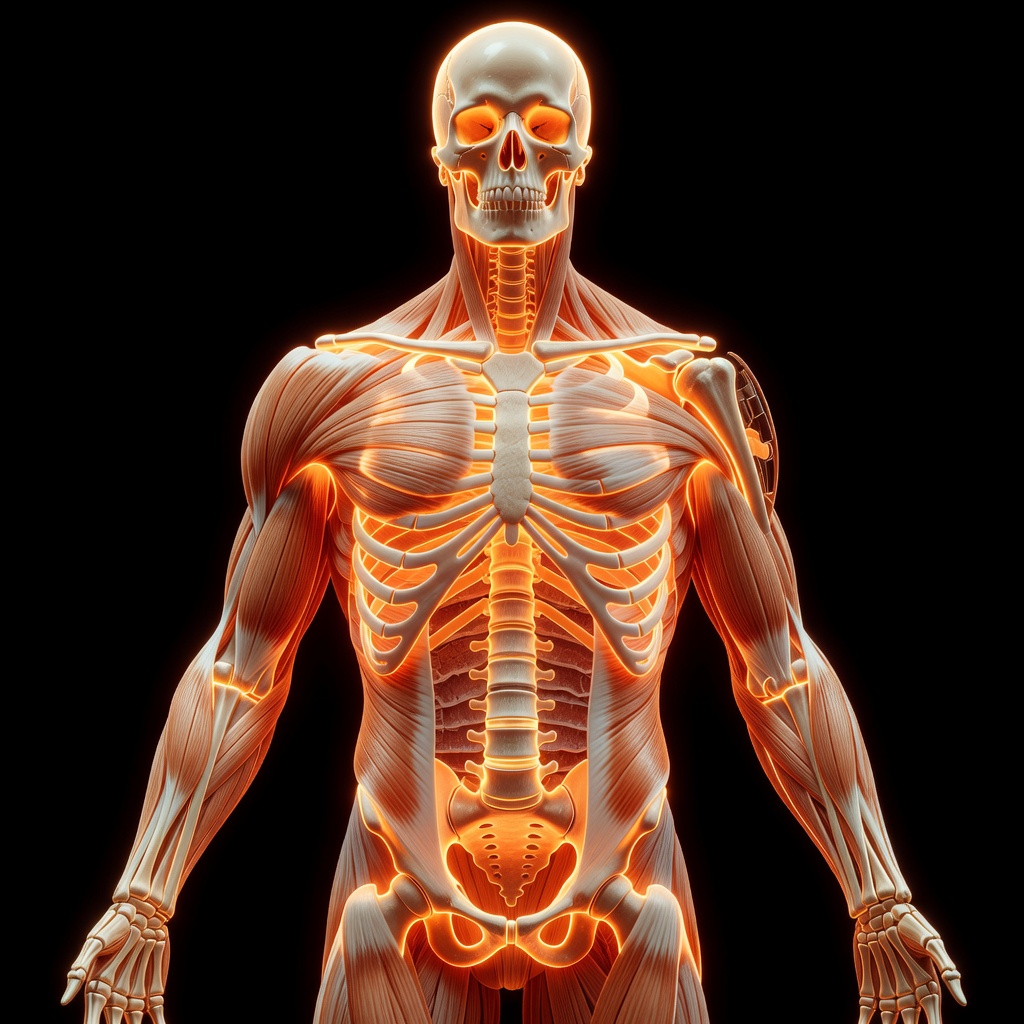
Chronic Appendicular Inflammation: Deciphering the Role of Diet-Derived Endocrine Disruptors in Glandular Hyperplasia
An exploratory analysis of how dietary endocrine-disrupting chemicals (EDCs) trigger lymphoid hyperplasia within the appendix, leading to chronic inflammatory states and disrupting the gut's immune reservoir.
# Chronic Appendicular Inflammation: Deciphering the Role of Diet-Derived Endocrine Disruptors in Glandular Hyperplasia ## Introduction: The Appendix as a Glandular Nexus For over a century, the human appendix was relegated to the status of a vestigial curiosity—a remnant of evolutionary history with no discernible function. However, modern immunology has radically redefined this organ as a critical component of the Gut-Associated Lymphoid Tissue (GALT). The appendix serves as a 'safe house' for beneficial commensal bacteria and acts as a primary site for the maturation of B lymphocytes and the production of immunoglobulin A (IgA). Yet, this specialized immune reservoir is increasingly under threat from modern environmental factors. Chronic appendicular inflammation, a condition often overshadowed by its acute surgical counterpart, is emerging as a significant gastrointestinal concern.
Unlike the sudden, life-threatening blockage typically associated with appendicitis, chronic inflammation is characterized by persistent, low-grade discomfort and structural changes. Central to this pathology is glandular or lymphoid hyperplasia—the abnormal proliferation of cells within the appendicular wall. Emerging research suggests that this hyperplasia is not merely a random event but a targeted biological response to diet-derived endocrine-disrupting chemicals (EDCs). ## Understanding Lymphoid Hyperplasia The interior of the appendix is densely packed with lymphoid follicles. These follicles are highly sensitive to systemic signaling and local luminal contents. When these follicles become overstimulated, they undergo hyperplasia, expanding in size and number.
This expansion can partially or intermittently obstruct the appendicular lumen, leading to increased intraluminal pressure, impaired mucosal blood flow, and chronic inflammatory signaling. While viral infections have traditionally been cited as the primary cause of such hyperplasia, the root-cause perspective points toward a more pervasive modern culprit: the chemical composition of the contemporary diet. ## The Role of Endocrine-Disrupting Chemicals (EDCs) Endocrine disruptors are exogenous substances that interfere with the synthesis, secretion, transport, binding, or elimination of natural hormones. Common diet-derived EDCs include Bisphenol A (BPA), phthalates, and certain organochlorine pesticides. These chemicals enter the food chain through plastic packaging, industrial runoff, and intensive agricultural practices. The appendix, given its role in monitoring the luminal contents of the cecum, is uniquely exposed to these compounds.
Research indicates that the lymphoid tissue within the appendix expresses a high density of hormone receptors, particularly estrogen receptors. Many EDCs are 'xenoestrogens,' meaning they can mimic the action of natural estrogen. When these compounds bind to receptors within the appendicular follicles, they trigger mitogenic pathways—signaling the cells to divide and proliferate. This chemically induced hyperplasia creates the physical conditions necessary for chronic inflammation. ## Molecular Mimicry and Immune Dysregulation The impact of EDCs extends beyond simple physical obstruction. These chemicals disrupt the delicate balance of the immune reservoir.
The appendix is responsible for 'sampling' the gut microbiome to calibrate immune responses. EDCs interfere with this sampling process by altering the signaling molecules (cytokines) produced by the appendicular epithelium. Specifically, exposure to phthalates has been linked to an upregulation of pro-inflammatory cytokines such as Interleukin-6 (IL-6) and Tumor Necrosis Factor-alpha (TNF-a) within the GALT. This creates a state of 'immune confusion' where the appendix remains in a permanent state of high alert, leading to the thickening of the glandular walls. Furthermore, EDCs are known to disrupt the biofilm—the protective layer of mucus and beneficial bacteria—that lines the appendix.
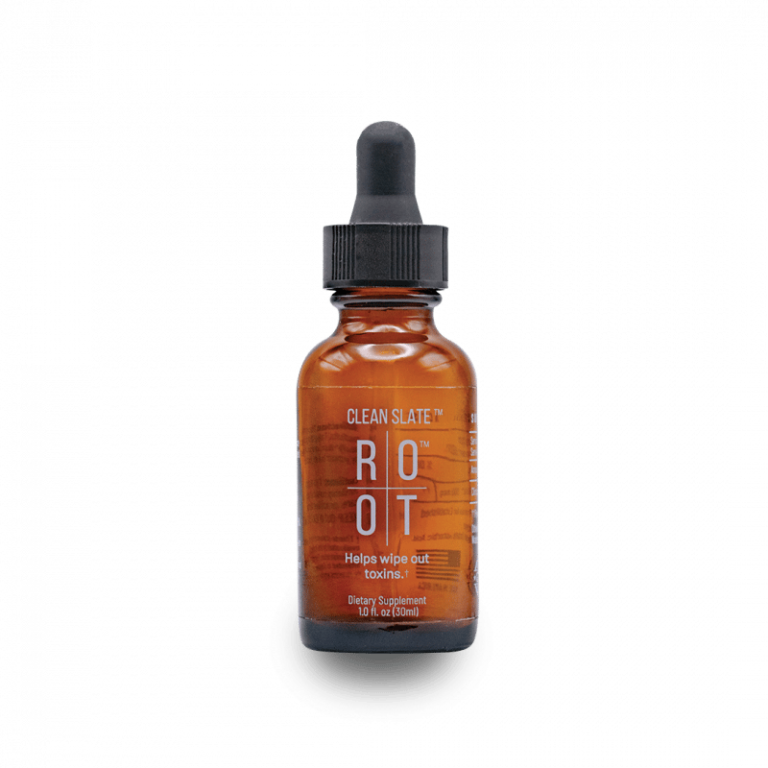
Clean Slate – Detoxes thousands of chemicals,heavy metals, pesticides, allergens, mold spores and fungus
Clean Slate is a cellular-level detoxifier that targets heavy metals, pesticides, and environmental toxins to unblock your body's natural defense pathways. It helps reduce systemic inflammation and restores the nutrient absorption sites often compromised by modern toxicity.
Vetting Notes
Pending
By altering the viscosity of this mucus and the viability of the bacterial colonies, EDCs allow opportunistic pathogens to infiltrate the appendicular crypts, further exacerbating the hyperplastic response. ## Chronic vs. Acute: The Slow Burn of Inflammation While acute appendicitis is a medical emergency requiring immediate intervention, chronic appendicular inflammation presents as a 'slow burn.' Patients often report recurrent pain in the lower right quadrant, bloating, and changes in bowel habits that persist for months or even years. This condition is frequently misdiagnosed as Irritable Bowel Syndrome (IBS) or mesenteric lymphadenitis. The root cause, however, is often the structural narrowing of the appendix due to EDC-induced glandular hyperplasia. Because the obstruction is incomplete, the organ does not reach the point of gangrene or rupture immediately, but the persistent inflammation degrades the organ's ability to function as an immune reservoir, potentially contributing to broader systemic dysbiosis and autoimmune vulnerability. ## The Dietary Connection: Sources and Solutions To address the root cause of chronic appendicular inflammation, one must look at the primary vectors of EDC exposure. 1.
Plastic Leaching: BPA and phthalates frequently migrate from plastic food containers and can liners into fatty and acidic foods. 2. Pesticide Residue: Non-organic produce often carries residues of endocrine-disrupting pesticides that accumulate in the gut. 3. Processed Emulsifiers: Certain food additives have been shown to increase gut permeability, allowing EDCs to bypass the primary mucosal barrier and strike the appendicular lymphoid tissue more directly. Transitioning to a diet rich in organic, whole foods stored in glass or stainless steel is not merely a lifestyle choice; it is a clinical necessity for preserving appendicular health. Phytoestrogens found in fermented soy and lignans in flaxseeds may offer a protective effect by competitively binding to estrogen receptors, potentially blocking the more potent and harmful xenoestrogens from triggering hyperplasia. ## Conclusion: Protecting the Immune Reservoir The appendix is a vital sentinel of the human immune system, not an evolutionary leftover.
The rise in chronic appendicular inflammation and glandular hyperplasia serves as a biological warning sign regarding the chemical load of the modern diet. By understanding the role of endocrine disruptors in triggering abnormal tissue growth, we can shift our focus from reactive surgery to proactive prevention. Protecting this immune reservoir requires a dedicated effort to reduce toxic load, support the gut biofilm, and acknowledge the profound sensitivity of our internal glandular systems to the external environment. Through INNERSTANDING, we recognize that true health begins with deciphering these complex interactions and addressing the environmental catalysts of internal disease.
This article is provided for informational and educational purposes only. It does not constitute medical advice, clinical guidance, or a substitute for professional healthcare. Information reflects cited research at time of publication. Always consult a qualified healthcare professional before acting on any health information.
RESEARCH FOUNDATIONS
Biological Credibility Archive
Citations provided for educational reference. Verify via PubMed or institutional databases.
Medical Disclaimer
The information in this article is for educational purposes only and does not constitute medical advice, diagnosis, or treatment. Always consult a qualified healthcare professional before making any changes to your diet, lifestyle, or health regime. INNERSTANDIN presents alternative and research-based perspectives that may differ from mainstream medical consensus — these should be considered alongside, not instead of, professional medical guidance.
Read Full DisclaimerReady to learn more?
Continue your journey through our classified biological research.
DISCUSSION ROOM
Members of THE COLLECTIVE discussing "Chronic Appendicular Inflammation: Deciphering the Role of Diet-Derived Endocrine Disruptors in Glandular Hyperplasia"
SILENT CHANNEL
Be the first to discuss this article. Your insight could help others understand these biological concepts deeper.
THE ARSENAL
Based on Appendix Function & Immune Reservoir — products curated by our research team for educational relevance and biological support.
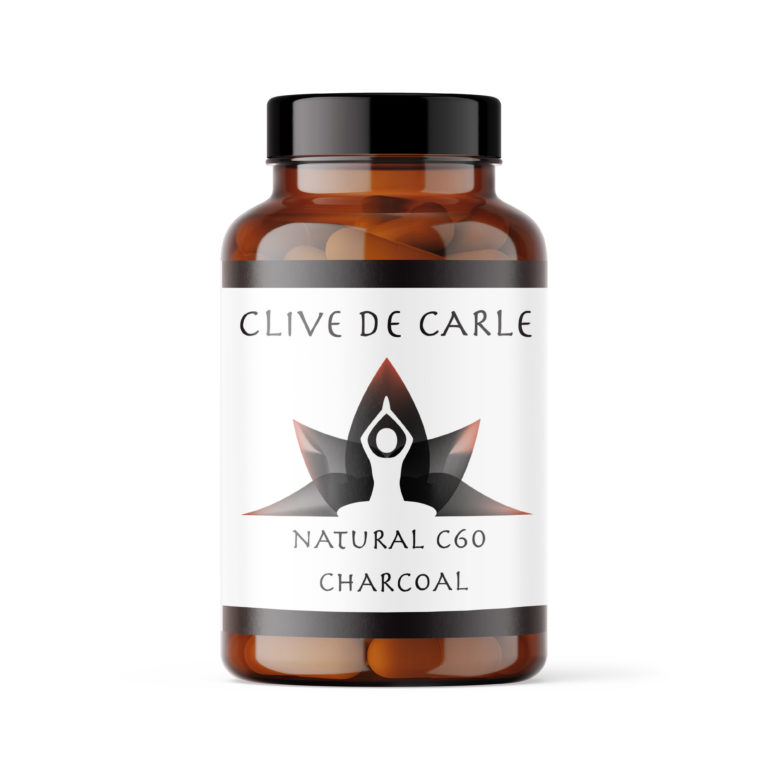
C60 Charcoal – Supports Healthy Digestion and Detoxification.
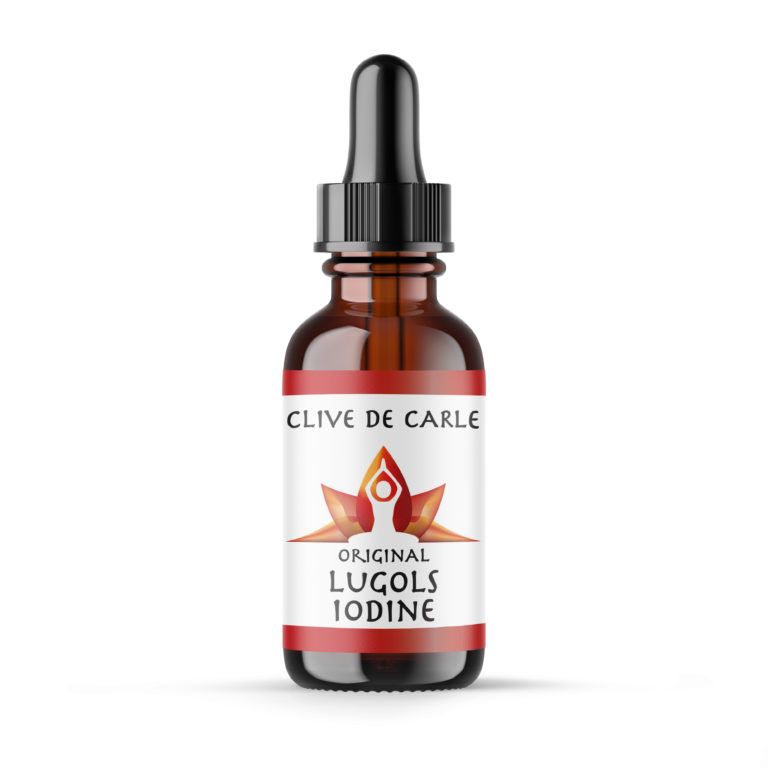
Lugol’s Iodine – Hormonal Issues, Menopause, Immune System, Brain Fog, Memory, Thyroid, Dry Skin
Clean Slate – Detoxes thousands of chemicals,heavy metals, pesticides, allergens, mold spores and fungus
INNERSTANDING may earn a commission on purchases made through these links. All products are selected based on rigorous educational relevance to our biological research.
RABBIT HOLE
Follow the biological thread deeper