Neuro-Endocrine Regulation of the Ileocecal Junction: How Vagal Tone and Cholecystokinin Modulate Valve Patency
A comprehensive investigation into the neuro-hormonal control of the ileocecal valve, exploring how the vagus nerve and the hormone cholecystokinin interact to prevent SIBO and maintain digestive transit.
# Neuro-Endocrine Regulation of the Ileocecal Junction: How Vagal Tone and Cholecystokinin Modulate Valve Patency\n\nIn the landscape of gastrointestinal health, the ileocecal valve (ICV) is often relegated to the status of a simple mechanical flap—a one-way door between the small and large intestines. However, at INNERSTANDING, we view the body through the lens of integrated systems. The ICV is not merely a structural partition; it is a highly sophisticated, neuro-endocrinally regulated gateway. Its ability to maintain \"patency\"—the state of being open or closed at the appropriate time—is a critical factor in preventing conditions like Small Intestinal Bacterial Overgrowth (SIBO) and ensuring nutrient absorption. This article explores the intricate dance between the autonomic nervous system, specifically vagal tone, and the peptide hormone cholecystokinin (CCK) in modulating this vital junction.\n\n## The Ileocecal Junction: A Physiological Sentinel\n\nLocated at the transition between the high-nutrient, relatively sterile environment of the terminal ileum and the bacteria-dense landscape of the cecum, the ICV serves two primary functions: it regulates the transit of chyme into the large intestine and prevents the reflux of colonic contents back into the small intestine.
This dual role is maintained by a combination of tonic pressure and reflexive responses. Unlike the pyloric sphincter, the ICV must balance the slow, steady flow of ileal contents with the high-pressure environment of the colon, requiring a complex feedback loop of neurological and chemical signals.\n\n## The Vagus Nerve: The Master Architect of Motility\n\nVagal tone refers to the activity of the Vagus Nerve (Cranial Nerve X), the primary component of the parasympathetic nervous system (PNS). In the context of the ileocecal junction, the vagus nerve acts as the primary facilitator of the \"Rest and Digest\" response. Parasympathetic innervation generally promotes the relaxation of sphincters and the stimulation of peristalsis.\n\nWhen vagal tone is high, the enteric nervous system (ENS) receives clear signals to coordinate the propulsion of food. Specifically, the vagus nerve influences the ICV through the release of acetylcholine, which, depending on the specific receptor pathways engaged (nicotinic vs. muscarinic), modulates the smooth muscle tone of the junction.
High vagal tone ensures that the \"Gastroileal Reflex\" is efficient—this is the process where the presence of food in the stomach triggers increased peristalsis in the ileum and the relaxation of the ICV, clearing the way for new nutrients.\n\nConversely, low vagal tone—often a byproduct of chronic sympathetic dominance (stress)—leads to ICV dysregulation. This can manifest as either an \"open\" valve (incompetence), allowing colonic bacteria to migrate upward, or a \"spastic\" valve, leading to distal small bowel obstructions, bloating, and pain. Root-cause resolution of ICV issues almost always requires addressing the underlying neurological state of the patient.\n\n## Cholecystokinin (CCK): The Hormonal Governor\n\nWhile the vagus nerve provides the electrical framework, Cholecystokinin (CCK) provides the chemical modulation. CCK is a peptide hormone synthesized and secreted by the enteroendocrine cells in the duodenum and proximal jejunum, primarily in response to the presence of fats and proteins.\n\nCCK’s influence on the ICV is part of a broader mechanism known as the \"Ileal Brake.\" The ileal brake is a feedback loop that slows down upper gastrointestinal motility when undigested nutrients, particularly lipids, reach the distal ileum. CCK acts as a signal to the body that the digestive process needs more time.
Research indicates that CCK has a biphasic effect on the ICV. Initially, it can stimulate contraction to prevent further influx into the cecum while fats are being emulsified, but it also coordinates with the vagus nerve to facilitate the eventual opening of the valve once the ileal contents are processed. \n\nThis neuro-endocrine synergy is vital. When CCK levels are insufficient—perhaps due to a low-fat diet, gallbladder stasis, or pancreatic insufficiency—the ICV may lose its hormonal cue to remain closed or open at the correct intervals. This leads to a breakdown in the \"metabolic timing\" of digestion.\n\n## The Sympathetic Interference: Stress and Valve Spasm\n\nFrom a root-cause perspective, we cannot ignore the role of the sympathetic nervous system (SNS). In a state of fight-or-flight, the body prioritizes survival over digestion.
Sympathetic stimulation leads to the release of norepinephrine, which generally causes the ICV to constrict (spasm). This is a survival mechanism—the body does not want to expend energy on defecation or nutrient transit when fleeing a predator. However, in the modern world, chronic psychological stress creates a persistent state of ICV hypertonicity. A spastic ICV prevents the terminal ileum from emptying, leading to fermentation of stagnant chyme, which is a primary driver of SIBO and localized inflammation.\n\n## Clinical Implications: SIBO and Malabsorption\n\nWhen the neuro-endocrine regulation of the ICV fails, the consequences are systemic. The most common pathology is the retrograde movement of bacteria.
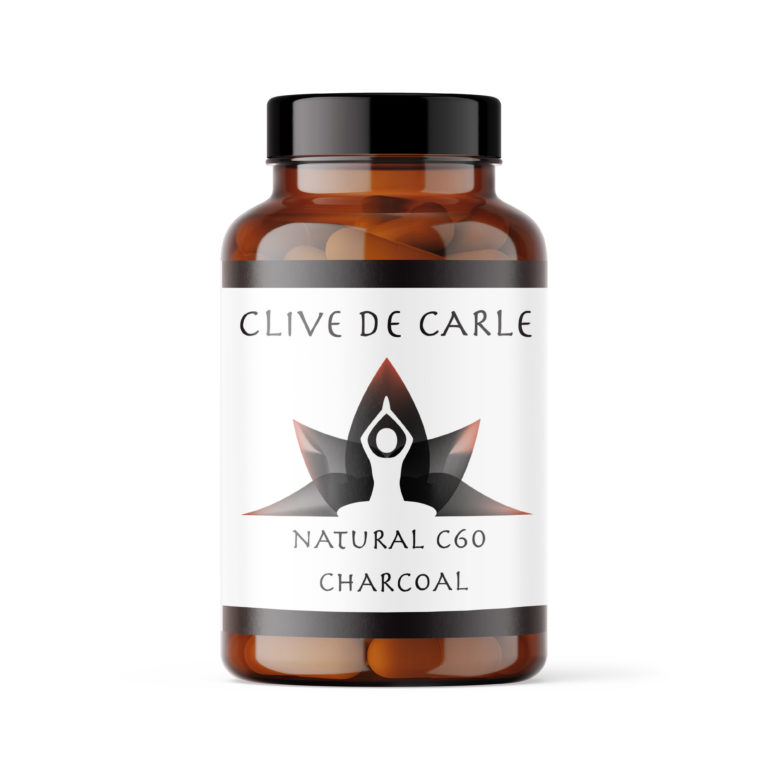
C60 Charcoal – Supports Healthy Digestion and Detoxification.
Support healthy digestion and ease bloating with a natural hardwood charcoal rich in C60 fullerenes. This non-nano formula assists in removing toxins and strengthening your immune response for a more comfortable, balanced gut.
Vetting Notes
Pending
The colon contains approximately 10^12 bacteria per ml, whereas the small intestine should contain fewer than 10^3 per ml. An incompetent ICV—often due to low vagal tone—is like a breached dam. Once the small intestine is colonized by colonic flora, these bacteria compete for nutrients (like B12 and iron) and produce gases (hydrogen and methane) that further disrupt motility.\n\nFurthermore, the malabsorption of bile acids can occur. Normally, bile acids are reabsorbed in the terminal ileum. If the ICV transit is too rapid or too slow due to poor CCK modulation, bile acid malabsorption can lead to secretory diarrhoea or, conversely, impaired fat digestion, creating a vicious cycle of further CCK deficiency.\n\n## Restoring Integrity: A Root-Cause Approach\n\nAt INNERSTANDING, we advocate for strategies that address both the neurological and endocrine components of ICV health:\n\n1. Vagal Nerve Stimulation (VNS): Techniques such as deep diaphragmatic breathing, gargling, and cold-water immersion can help shift the body from sympathetic to parasympathetic dominance, encouraging proper valve function.\n2. Supportive Nutrition: Ensuring adequate healthy fat intake to stimulate CCK release is crucial.
For those with compromised gallbladder function, supplemental ox bile or lipase may be necessary to trigger the hormonal cascade.\n3. Manual Therapy: Visceral manipulation of the ICV area can help manually release a spastic valve or stimulate an underactive one, providing immediate relief while systemic issues are addressed.\n4. Circadian Rhythm Alignment: Since digestive enzymes and motility are governed by biological clocks, eating in alignment with daylight hours supports the natural rhythm of CCK and vagal activity.\n\n## Conclusion\n\nThe ileocecal junction is a testament to the complexity of human physiology. It is a site where the nervous system and the endocrine system meet to safeguard the integrity of our internal environment. By understanding that ICV health depends as much on our stress levels (vagal tone) and our macronutrient intake (CCK) as it does on our physical anatomy, we can better navigate the path to digestive wellness. A functioning gatekeeper is the first line of defence in maintaining a vibrant, healthy microbiome.","tags":["Ileocecal Valve","Vagus Nerve","Cholecystokinin","SIBO","Neuro-Endocrinology","Gut Health","Digestion"],"reading_time":7.5}
This article is provided for informational and educational purposes only. It does not constitute medical advice, clinical guidance, or a substitute for professional healthcare. Information reflects cited research at time of publication. Always consult a qualified healthcare professional before acting on any health information.
RESEARCH FOUNDATIONS
Biological Credibility Archive
Citations provided for educational reference. Verify via PubMed or institutional databases.
Medical Disclaimer
The information in this article is for educational purposes only and does not constitute medical advice, diagnosis, or treatment. Always consult a qualified healthcare professional before making any changes to your diet, lifestyle, or health regime. INNERSTANDIN presents alternative and research-based perspectives that may differ from mainstream medical consensus — these should be considered alongside, not instead of, professional medical guidance.
Read Full DisclaimerReady to learn more?
Continue your journey through our classified biological research.
DISCUSSION ROOM
Members of THE COLLECTIVE discussing "Neuro-Endocrine Regulation of the Ileocecal Junction: How Vagal Tone and Cholecystokinin Modulate Valve Patency"
SILENT CHANNEL
Be the first to discuss this article. Your insight could help others understand these biological concepts deeper.
THE ARSENAL
Based on Ileocecal Valve Health — products curated by our research team for educational relevance and biological support.
Panaceum – Prebiotic Oligosaccharide Complex
Magnesium Blend – The Most Important Mineral
C60 Charcoal – Supports Healthy Digestion and Detoxification.
INNERSTANDING may earn a commission on purchases made through these links. All products are selected based on rigorous educational relevance to our biological research.
RABBIT HOLE
Follow the biological thread deeper