Post-Viral Dysautonomia and the Ileocecal Valve: Understanding the Root Cause of Chronic Right Lower Quadrant Congestion
An exploratory deep-dive into how viral-induced autonomic nervous system dysfunction disrupts the ileocecal valve, leading to chronic digestive stagnation, SIBO, and localized congestion in the right lower quadrant.
# Post-Viral Dysautonomia and the Ileocecal Valve: Understanding the Root Cause of Chronic Right Lower Quadrant Congestion ## The Silent Gatekeeper of the Gut In the complex architecture of the human digestive system, few structures are as pivotal yet overlooked as the ileocecal valve (ICV). Located at the junction of the small intestine (ileum) and the large intestine (cecum), this physiological sphincter serves as the primary gateway for the transition of waste. Its role is two-fold: to prevent the backflow of bacteria-laden faecal matter from the colon into the nutrient-absorbing small intestine and to regulate the steady flow of chyme into the large bowel. However, in the wake of the global increase in post-viral syndromes, such as Long COVID and chronic Epstein-Barr recovery, a specific pattern of dysfunction has emerged. Patients are increasingly presenting with chronic right lower quadrant (RLQ) congestion, bloating, and fatigue—symptoms that find their root not in a primary bowel disease, but in the intersection of the autonomic nervous system and the ileocecal valve. ## The Autonomic Connection: Why the Vagus Nerve Matters To understand why a virus can disrupt a physical valve in the gut, we must first understand the control mechanism.
The ICV is not under our conscious control; it is governed by the Autonomic Nervous System (ANS). Specifically, the parasympathetic nervous system (via the Vagus nerve) and the sympathetic nervous system work in a delicate ‘tug-of-war’ to ensure the valve opens and closes at the correct intervals. When the body is in a state of 'rest and digest' (parasympathetic dominance), the valve functions fluidly. When the body enters 'fight or flight' (sympathetic dominance), the digestive processes are deprioritised. In many post-viral states, the body becomes trapped in a state of dysautonomia—a malfunction of the ANS.
This neurological 'glitch' often results in an underactive Vagus nerve and an overactive sympathetic response. For the ileocecal valve, this means the signals required to coordinate opening and closing become scrambled, leading to what practitioners call 'Ileocecal Valve Syndrome'. ## The Mechanics of Post-Viral ICV Dysfunction Post-viral dysautonomia typically manifests in the ICV in one of two ways: the 'Open' valve or the 'Closed' valve. In the case of an open valve, the sphincter remains patent (stuck open), allowing the rich microbial colonies of the large intestine to migrate upwards into the small intestine. This is a primary, yet often ignored, root cause of Small Intestinal Bacterial Overgrowth (SIBO). Conversely, a closed valve remains spasmed shut, leading to significant pressure and toxic backup in the small intestine.
Why does a virus trigger this? Research suggests that viral pathogens can cause neuro-inflammation that affects the Vagal pathways or the Enteric Nervous System (ENS). Furthermore, the systemic inflammation following a viral bout can lead to 'lymphatic congestion.' The area surrounding the ICV is rich in Peyer’s patches—lymphoid tissue that monitors the gut for pathogens. Post-viral inflammation can cause these tissues to swell, physically impeding the valve’s movement and creating a sense of 'fullness' or 'congestion' in the right lower quadrant of the abdomen. ## Identifying the Symptoms of RLQ Congestion Patients suffering from post-viral ICV dysfunction often describe a specific set of symptoms that defy standard IBS treatments. These include: 1.
Sharp or dull aching in the right lower abdomen (often mistaken for appendicitis). 2. Persistent bloating that worsens shortly after eating. 3. Fluctuating bowel habits, including sudden bouts of loose stools followed by constipation. 4. Referred pain to the lower back or right shoulder. 5. Systemic symptoms such as 'brain fog,' headaches, and profound fatigue, often caused by the reabsorption of metabolic waste when the valve is malfunctioning.
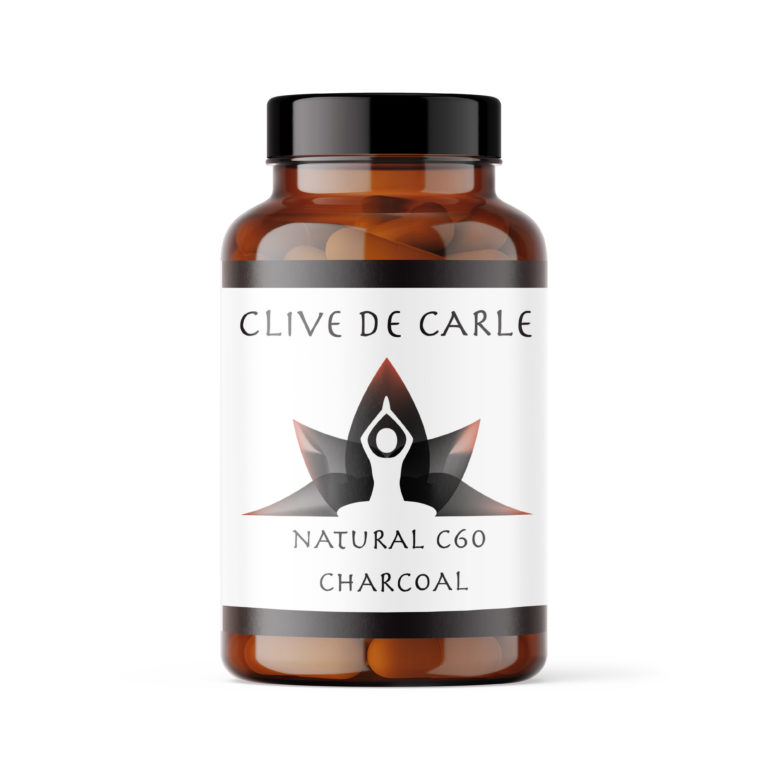
C60 Charcoal – Supports Healthy Digestion and Detoxification.
Support healthy digestion and ease bloating with a natural hardwood charcoal rich in C60 fullerenes. This non-nano formula assists in removing toxins and strengthening your immune response for a more comfortable, balanced gut.
Vetting Notes
Pending
This constellation of symptoms points toward a 'congested' state where the normal transit of material is halted, leading to local fermentation and toxic load. ## The Vicious Cycle: SIBO and Histamine Intolerance When the ICV remains stuck open due to dysautonomia, the resulting SIBO creates a secondary wave of issues. The overgrowth of bacteria in the small intestine leads to the production of gases (hydrogen and methane) and inflammatory metabolites. One of the most significant byproducts is histamine. Many post-viral patients develop 'Histamine Intolerance,' where they react to fermented foods, leftovers, or citrus. This is often directly linked to the ileocecal valve; if the valve is not preventing colonic bacteria from entering the small intestine, the total histamine burden on the body skyrockets.
This creates a feedback loop: inflammation from histamine further irritates the nervous system, which in turn worsens the dysautonomia, keeping the ICV in a dysfunctional state. ## A Root-Cause Approach to Recovery Addressing post-viral RLQ congestion requires more than just dietary changes; it requires a recalibration of the nervous system and the physical structure of the gut. 1. Vagus Nerve Toning: Since the Vagus nerve controls the ICV, improving Vagal tone is essential. Techniques such as cold-water immersion, gargling, and deep diaphragmatic breathing can help shift the body from a sympathetic 'locked' state into a parasympathetic 'healing' state. 2. Visceral Manipulation: Manual therapy specifically targeting the ileocecal valve can provide immediate relief. A trained practitioner can use gentle pressure to manually release a spasmed valve or help encourage a stuck-open valve to close.
Patients can also be taught 'ICV massage' to perform at home to reduce congestion. 3. Lymphatic Drainage: Addressing the lymphatic backup in the RLQ is vital. Dry brushing, gentle rebound exercise, and staying hydrated help clear the cellular debris left behind by a viral infection that may be clogging the Peyer's patches. 4. Antimicrobial and Prokinetic Support: Once the valve's function is being addressed, using natural prokinetics (like ginger or artichoke extract) helps ensure the 'migrating motor complex' is moving waste through the ileum effectively, preventing further bacterial reflux. ## Conclusion The ileocecal valve is the bridge between our internal 'waste management' system and our nutrient processing unit. When post-viral dysautonomia strikes, this bridge often collapses or becomes blocked.
By shifting our focus from merely treating 'IBS symptoms' to addressing the underlying neurological and structural health of the ileocecal valve, we can find a path out of chronic congestion and back to systemic vitality. Understanding that your right-sided pain may be a nervous system signal rather than just a digestive fluke is the first step toward true innerstanding.
This article is provided for informational and educational purposes only. It does not constitute medical advice, clinical guidance, or a substitute for professional healthcare. Information reflects cited research at time of publication. Always consult a qualified healthcare professional before acting on any health information.
RESEARCH FOUNDATIONS
Biological Credibility Archive
Citations provided for educational reference. Verify via PubMed or institutional databases.
Medical Disclaimer
The information in this article is for educational purposes only and does not constitute medical advice, diagnosis, or treatment. Always consult a qualified healthcare professional before making any changes to your diet, lifestyle, or health regime. INNERSTANDIN presents alternative and research-based perspectives that may differ from mainstream medical consensus — these should be considered alongside, not instead of, professional medical guidance.
Read Full DisclaimerReady to learn more?
Continue your journey through our classified biological research.
DISCUSSION ROOM
Members of THE COLLECTIVE discussing "Post-Viral Dysautonomia and the Ileocecal Valve: Understanding the Root Cause of Chronic Right Lower Quadrant Congestion"
SILENT CHANNEL
Be the first to discuss this article. Your insight could help others understand these biological concepts deeper.
THE ARSENAL
Based on Ileocecal Valve Health — products curated by our research team for educational relevance and biological support.
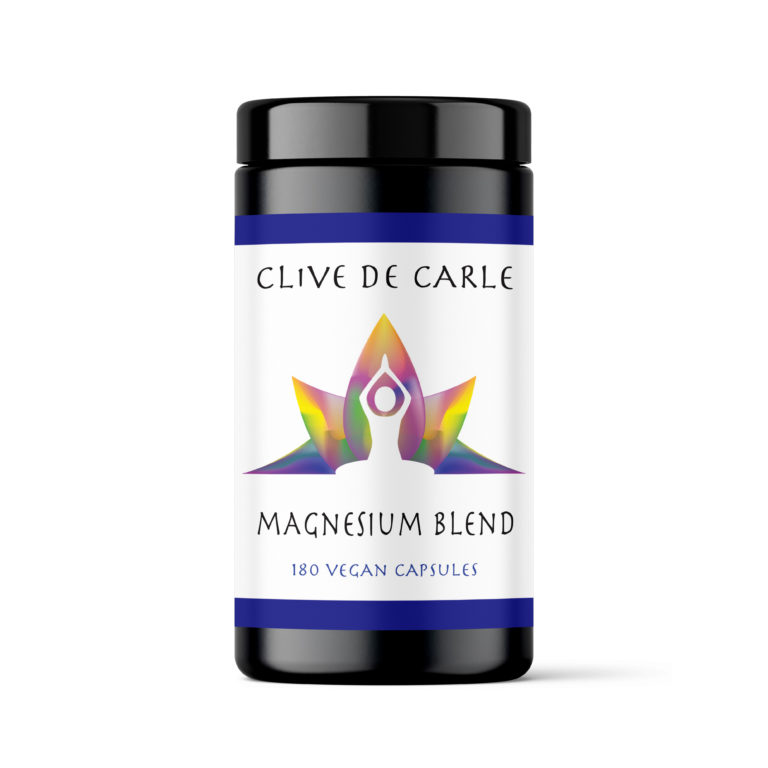
Magnesium Blend – The Most Important Mineral
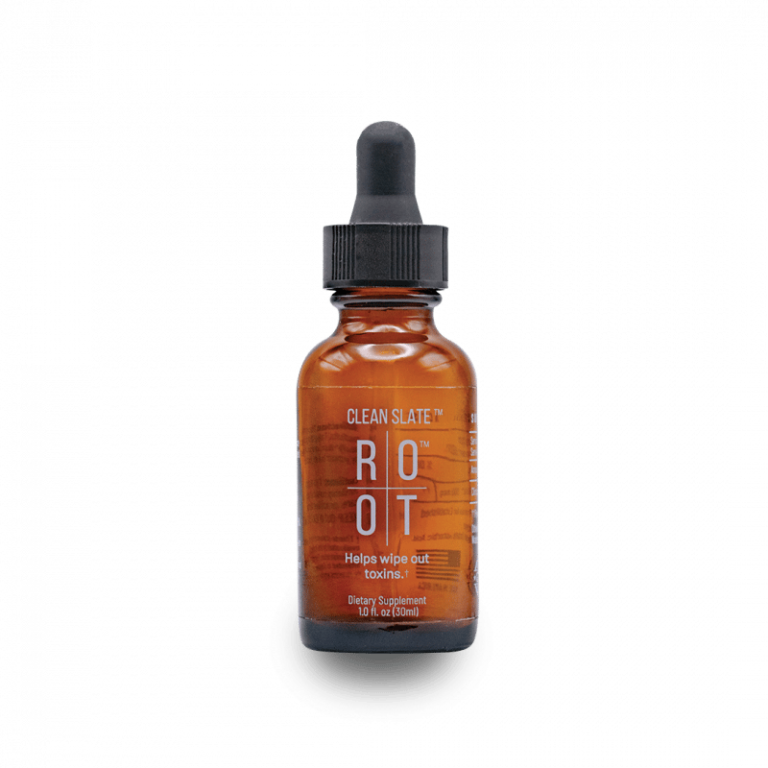
Clean Slate – Detoxes thousands of chemicals,heavy metals, pesticides, allergens, mold spores and fungus
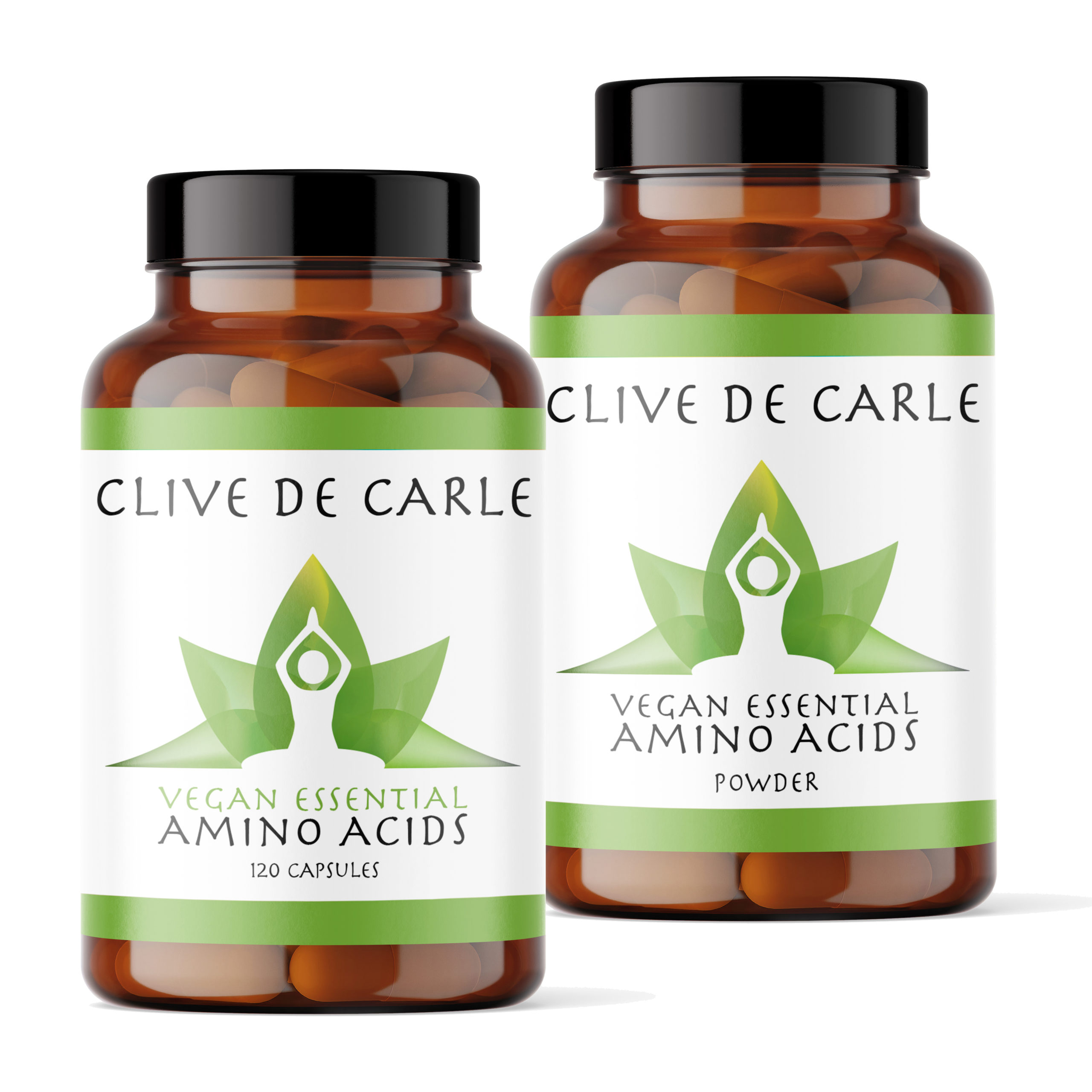
Vegan Essential Amino Acids – Plant-Powered Protein Building
INNERSTANDING may earn a commission on purchases made through these links. All products are selected based on rigorous educational relevance to our biological research.
RABBIT HOLE
Follow the biological thread deeper