
Pathophysiology of Ileocecal Valve Incompetence: Biomechanics of Retrograde Translocation and Systemic Endotoxemia
An in-depth exploration of the biomechanical failure of the ileocecal valve, detailing the mechanisms by which colonic reflux leads to small intestinal bacterial overgrowth (SIBO) and the subsequent translocation of endotoxins into systemic circulation.
# Pathophysiology of Ileocecal Valve Incompetence: Biomechanics of Retrograde Translocation and Systemic Endotoxemia\n\n## Introduction: The Sentinel of the Digestive Tract\n\nIn the complex architecture of the human gastrointestinal tract, the ileocecal valve (ICV) serves as a critical anatomical and physiological boundary. Situated at the junction of the distal ileum and the cecum, this 'one-way gate' is responsible for regulating the flow of chyme into the large intestine while preventing the backflow of colonic contents. However, when the ICV loses its competency—a condition known as ileocecal valve incompetence—the resulting biomechanical failure triggers a cascade of pathological events. This article explores the root causes of ICV dysfunction, the biomechanics of retrograde translocation, and the profound systemic impact of metabolic endotoxemia.\n\n## Anatomical Integrity and the One-Way Mechanism\n\nThe ICV is not merely a passive flap of tissue but a complex sphincteric structure governed by both myogenic and neurogenic controls. Anatomically, it consists of two labia (lips) that protrude into the cecum.
The physiological integrity of the valve relies on a pressure gradient: high pressure in the cecum causes the labia to compress and close, while distension of the ileum triggers the 'gastroileal reflex,' allowing material to pass into the colon. This mechanism ensures that the dense microbial population of the large intestine—approximately 10^12 organisms per gram of stool—remains sequestered from the relatively sparse environment of the small intestine.\n\n## The Biomechanics of Incompetence\n\nIncompetence of the ICV occurs when the valve remains in a chronically 'open' or 'atonic' state. This failure can be categorized into mechanical, neurological, and biochemical triggers. Mechanical failure often stems from chronic cecal distension, where the diameter of the cecum expands to a point that the valve labia can no longer approximate. Neurologically, the valve is controlled by the autonomic nervous system via the myenteric plexus.
Stress, sympathetic dominance, or dysfunction of the vagus nerve can inhibit the tonic contraction of the sphincter, leading to a 'leaky' gate. Furthermore, biochemical irritants—such as processed sugars, alcohol, and spicy foods—can inflame the mucosa, causing the valve to spasm or remain open due to local irritation.\n\n## Retrograde Translocation: The Fecal Reflux\n\nThe primary consequence of ICV incompetence is the retrograde translocation of fecal matter and colonic microbiota into the distal ileum. Unlike the colon, the small intestine is designed for nutrient absorption and possesses a delicate mucosal lining. When colonic bacteria, particularly Gram-negative species like Escherichia coli, reflux into the ileum, they find a nutrient-rich environment conducive to rapid proliferation. This is a primary root cause of Small Intestinal Bacterial Overgrowth (SIBO).
The biomechanical reflux essentially 'colonizes' the small intestine, leading to the fermentation of carbohydrates prematurely, which results in gas, bloating, and the deconjugation of bile acids, further impairing fat absorption.\n\n## The Cascade to Systemic Endotoxemia\n\nPerhaps the most damaging effect of ICV incompetence is the translocation of bacterial byproducts into the systemic circulation. Gram-negative bacteria possess a cell wall component known as Lipopolysaccharide (LPS), a potent endotoxin. In a healthy state, LPS is largely confined to the colon. However, when the ICV fails and bacteria populate the small intestine, the local inflammatory response increases intestinal permeability—a phenomenon often termed 'leaky gut.'\n\nAs the mucosal barrier is breached, LPS enters the portal vein and travels to the liver. While the liver's Kupffer cells attempt to neutralize these toxins, a chronic influx can overwhelm the hepatic detoxification pathways.
Once LPS enters the systemic circulation, it triggers a low-grade inflammatory response by binding to Toll-like receptor 4 (TLR4) on immune cells. This 'metabolic endotoxemia' is a root cause of various systemic issues, including chronic fatigue, brain fog, joint pain, and metabolic syndrome. The body is essentially in a state of constant 'immune alarm,' leading to the systemic symptoms often associated with ICV 'open valve' syndrome.\n\n## Clinical Manifestations and Root-Cause Identification\n\nPatients with ICV incompetence rarely present with localized pain alone. Instead, they exhibit a cluster of symptoms that reflect both local gut dysfunction and systemic inflammation. Local signs include right lower quadrant tenderness, bloating within 30 minutes of eating, and alternating bowel habits.
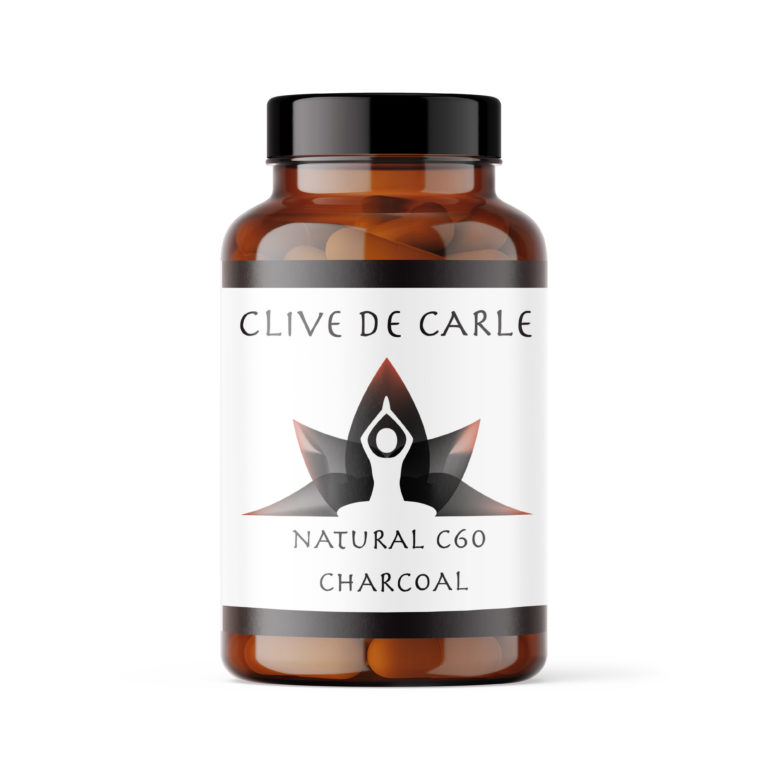
C60 Charcoal – Supports Healthy Digestion and Detoxification.
Support healthy digestion and ease bloating with a natural hardwood charcoal rich in C60 fullerenes. This non-nano formula assists in removing toxins and strengthening your immune response for a more comfortable, balanced gut.
Vetting Notes
Pending
Systemically, the patient may experience sudden onset of headaches, dark circles under the eyes, and a general sense of malaise. From a root-cause perspective, clinicians must look beyond the valve itself to identify why the pressure gradients have failed. This involves assessing the Migrating Motor Complex (MMC), pelvic floor function, and the patient's stress response (HPA-axis). If the underlying neurological or mechanical drivers are not addressed, local treatments for SIBO will often result in high relapse rates.\n\n## Conclusion: Restoring the Great Gatekeeper\n\nThe ileocecal valve is a small structure with profound implications for systemic health. Understanding the pathophysiology of its incompetence shifts the focus from merely treating bacterial overgrowth to addressing the biomechanical and neurological integrity of the gut.
By restoring the 'one-way' nature of the ICV, we can prevent retrograde translocation, mitigate systemic endotoxemia, and provide a foundation for long-term digestive and metabolic health. At INNERSTANDING, we believe that true healing begins with acknowledging these intricate physiological barriers and the critical role they play in the symphony of the human body.
This article is provided for informational and educational purposes only. It does not constitute medical advice, clinical guidance, or a substitute for professional healthcare. Information reflects cited research at time of publication. Always consult a qualified healthcare professional before acting on any health information.
RESEARCH FOUNDATIONS
Biological Credibility Archive
Citations provided for educational reference. Verify via PubMed or institutional databases.
Medical Disclaimer
The information in this article is for educational purposes only and does not constitute medical advice, diagnosis, or treatment. Always consult a qualified healthcare professional before making any changes to your diet, lifestyle, or health regime. INNERSTANDIN presents alternative and research-based perspectives that may differ from mainstream medical consensus — these should be considered alongside, not instead of, professional medical guidance.
Read Full DisclaimerReady to learn more?
Continue your journey through our classified biological research.
DISCUSSION ROOM
Members of THE COLLECTIVE discussing "Pathophysiology of Ileocecal Valve Incompetence: Biomechanics of Retrograde Translocation and Systemic Endotoxemia"
SILENT CHANNEL
Be the first to discuss this article. Your insight could help others understand these biological concepts deeper.
THE ARSENAL
Based on Ileocecal Valve Health — products curated by our research team for educational relevance and biological support.
Magnesium Blend – The Most Important Mineral
Clean Slate – Detoxes thousands of chemicals,heavy metals, pesticides, allergens, mold spores and fungus
Vegan Essential Amino Acids – Plant-Powered Protein Building
INNERSTANDING may earn a commission on purchases made through these links. All products are selected based on rigorous educational relevance to our biological research.
RABBIT HOLE
Follow the biological thread deeper

