
The Microbiome-Stem Cell Axis: Gut Health and Systemic Repair
Updated May 2026
New evidence suggests that gut bacteria produce metabolites that regulate intestinal stem cell renewal. Learn how maintaining a healthy microbiome is essential for preventing gastrointestinal diseases.
Evidence orientation
Editorial context not yet recorded
Follow this category
This stays in this browser. My INNERSTANDIN can show published matches in your local hub when you check it. It does not send email, push, or alert notifications.
Local learning review
A private browser aid for revisiting ideas. It is not an alert or a health recommendation.
Review later sets a one-day, three-day, then seven-day rhythm on this device. Choose it only when you want to revisit this article.
Overview
In the orthodox paradigm of modern medicine, the human body has long been viewed as a collection of disparate systems—isolated organs functioning like mechanical parts in a biological machine. However, the emerging field of regenerative medicine, coupled with advances in metagenomics, is shattering this reductionist view. We are now beginning to understand that the literal foundation of human health and systemic repair lies within the microbiome-stem cell axis.
This axis represents a sophisticated, bidirectional communication network between the trillions of microorganisms inhabiting our gastrointestinal tract and the adult stem cells responsible for the continuous renewal of our tissues. While the mainstream narrative often limits the conversation of "gut health" to simple digestion or bloating, the scientific reality is far more profound. The gut microbiome acts as a primary epigenetic regulator, sending molecular signals that dictate whether our stem cells remain dormant, proliferate, or differentiate into specialised repair cells.
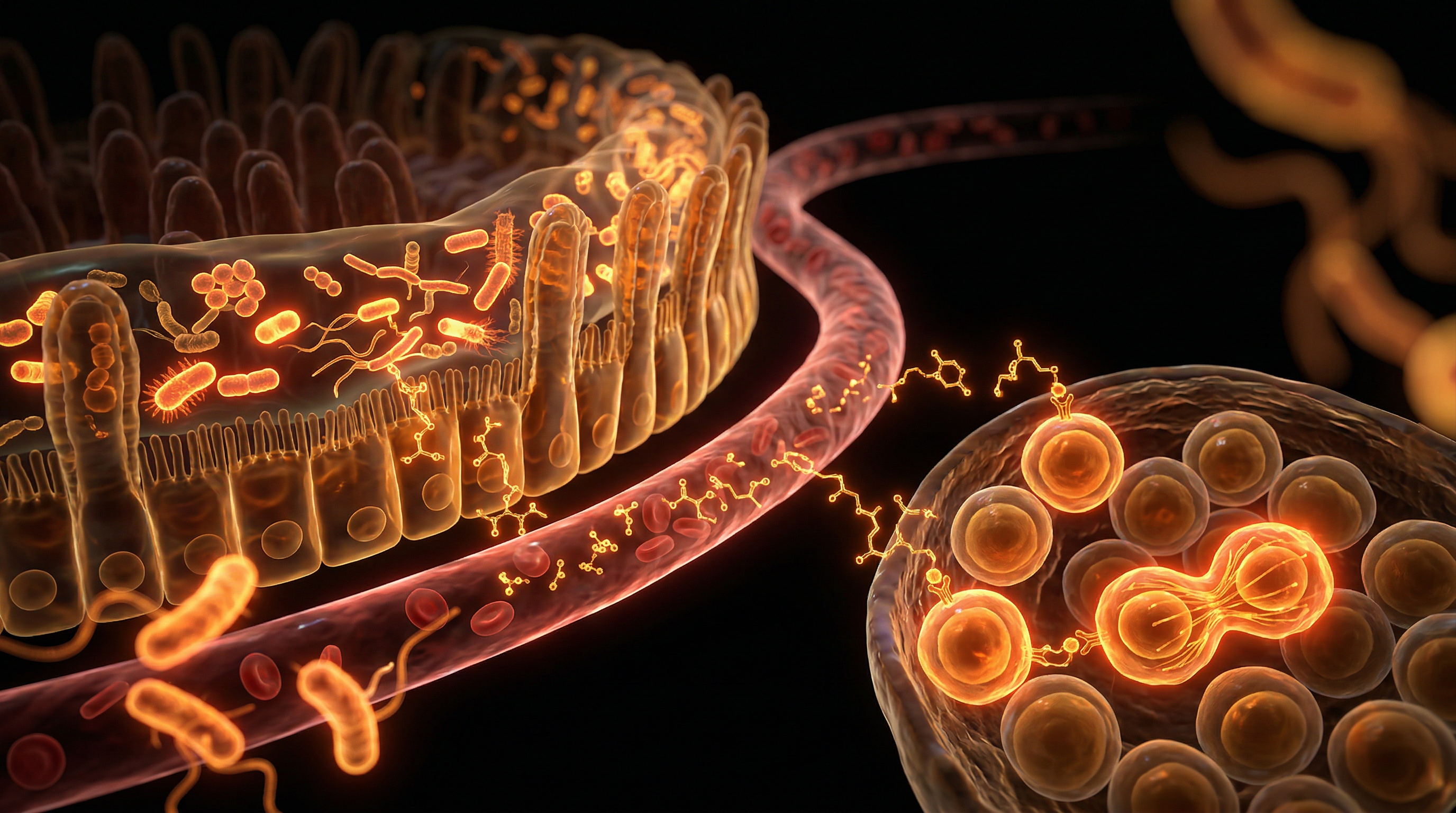
At the heart of this process is the intestinal epithelium, the most rapidly self-renewing tissue in the adult mammal. This tissue is entirely dependent on Intestinal Stem Cells (ISCs) housed in the crypts of Lieberkühn. New evidence suggests that the metabolites produced by "beneficial" bacteria—specifically Short-Chain Fatty Acids (SCFAs)—are not merely by-products of fermentation, but are essential signalling ligands that activate the regenerative potential of these stem cells.
Failure of this axis does not simply result in localised gastrointestinal distress; it precipitates a systemic decline. When the microbiome is dysbiotic, the regenerative signals are silenced, leading to a breakdown in the intestinal barrier, chronic systemic inflammation (inflammageing), and an eventual failure of repair mechanisms in the brain, heart, and skin. This article serves as a deep dive into the molecular mechanics of this axis, the environmental forces seeking to disrupt it, and the biological protocols necessary to restore systemic integrity.
The Biology — How It Works
To comprehend the microbiome-stem cell axis, one must first appreciate the staggering scale of cellular turnover within the human gut. The lining of the small intestine is replaced approximately every three to five days. This monumental task of regeneration is orchestrated by a small population of multipotent stem cells located at the base of the intestinal crypts.
The Crypt-Villus Unit
The intestinal landscape is composed of finger-like projections called villi and deep pockets known as crypts. The villi extend into the intestinal lumen to absorb nutrients, while the crypts serve as the "nursery" for new cells. At the very bottom of these crypts reside the Lgr5+ stem cells. These cells are the engines of the gut; they divide continuously, producing "transit-amplifying" cells that migrate upwards, differentiating into the various functional cells of the gut, such as:
- Enterocytes (for nutrient absorption)
- Goblet cells (for mucus production)
- Enteroendocrine cells (for hormone signalling)
- Paneth cells (which provide the niche and antimicrobial peptides)
The Microbial Niche
The microbiome is not merely "sitting" in the gut; it is an active participant in the stem cell niche. The niche is the specific microenvironment that surrounds a stem cell, providing the chemical and physical cues necessary for its function.
Fact: The human gut contains over 100 trillion microbial cells, outnumbering human cells in the body. This "second genome" provides over 3.3 million unique genes, compared to the roughly 20,000 genes in the human genome.
These bacteria interact with the host through the production of metabolites. These small molecules cross the mucosal barrier and bind to receptors on the stem cells themselves. In a state of eubiosis (microbial balance), the microbiome produces a steady stream of Short-Chain Fatty Acids (SCFAs), primarily butyrate, propionate, and acetate.
The Butyrate Paradox
Butyrate is perhaps the most critical metabolite in this axis. It serves as the primary energy source for colonocytes (the cells lining the colon). However, its effect on stem cells is nuanced—a phenomenon known as the "Butyrate Paradox." While butyrate encourages the differentiation and health of mature gut cells, it can actually inhibit the proliferation of stem cells if it reaches them in too high a concentration.
To manage this, the body has evolved a "crypt shield" mechanism. The high rate of oxygen consumption by mature cells near the top of the crypt creates an anaerobic environment at the base, ensuring that stem cells are protected from excessive butyrate exposure while still receiving enough to regulate their epigenetic state. This delicate balance is essential for preventing the uncontrolled "over-firing" of stem cells, which is a precursor to colorectal cancer.
Mechanisms at the Cellular Level
The communication between gut bacteria and stem cells occurs through specific molecular pathways. Understanding these pathways is key to grasping how microbial health translates into systemic repair.
1. The Wnt/β-catenin Pathway
The Wnt signalling pathway is the master regulator of stem cell self-renewal. In the gut, Wnt signals tell Lgr5+ cells to divide. Research has shown that specific bacteria, such as Lactobacillus reuteri, can actively stimulate the Wnt pathway, thereby accelerating the rate of tissue repair following injury.
Conversely, when the microbiome is depleted, Wnt signalling drops. This leads to "thinning" of the intestinal wall, as the stem cells are not receiving the "go" signal to replace dying enterocytes.
2. GPCR Signalling
Many microbial metabolites act as ligands for G-protein coupled receptors (GPCRs), such as GPR41, GPR43, and GPR109A. These receptors are expressed on the surface of both immune cells and stem cells.
- When acetate or propionate binds to these receptors, it triggers a cascade that reduces the production of pro-inflammatory cytokines like IL-6 and TNF-α.
- By lowering the "inflammatory noise" in the niche, the microbiome allows the stem cells to focus on repair rather than mere survival.
3. Epigenetic Modification: HDAC Inhibition
Perhaps the most "suppressed" or overlooked mechanism in mainstream medicine is the role of the microbiome in epigenetics. Butyrate is a potent Histone Deacetylase (HDAC) inhibitor.
By inhibiting HDACs, butyrate allows the DNA around stem cell genes to remain "open" and accessible for transcription. This means that the microbiome literally controls which genes are turned on or off within our stem cells. Without sufficient microbial diversity, certain regenerative genes are "silenced" by HDACs, leading to a state of permanent cellular senescence or "dormancy" where the body loses its ability to heal itself.
4. The MyD88 Pathway and Pattern Recognition
Stem cells also express Toll-like receptors (TLRs), which are sensors for bacterial components like lipopolysaccharides (LPS). Through a protein called MyD88, stem cells can sense the presence of both "friendly" and "pathogenic" bacteria.
- Low-level stimulation by commensal (friendly) bacteria through MyD88 is actually required for stem cell survival. It provides a "basal tone" of activity.
- If this stimulation is lost (as in a sterile or "over-sanitised" gut), the stem cells undergo apoptosis (programmed cell death), leading to atrophy of the intestinal lining.
Environmental Threats and Biological Disruptors
In the modern industrialised world, the microbiome-stem cell axis is under constant assault. These disruptors are often ignored by regulatory bodies, yet they represent a fundamental threat to human regenerative capacity.
Glyphosate: The Invisible Decimator
The most pervasive threat is glyphosate, the active ingredient in many broad-spectrum herbicides. While the mainstream narrative claims glyphosate is safe for humans because we lack the shikimate pathway (which the chemical targets to kill weeds), this is a dangerous half-truth.
Our gut bacteria do possess the shikimate pathway. When we consume glyphosate residues on "non-GMO" grains or industrial crops, we are effectively taking a micro-dose of an antibiotic that selectively kills off beneficial species like Bifidobacterium and Lactobacillus, while allowing pathogenic, glyphosate-resistant strains like Clostridium botulinum and Salmonella to thrive. This creates a state of chronic dysbiosis that cripples the stem cell niche.
Ultra-Processed Foods (UPFs) and Emulsifiers
Modern food science has introduced synthetic emulsifiers (such as carboxymethylcellulose and polysorbate 80) into the majority of processed foods. These chemicals act like detergents, stripping away the protective mucus layer that separates the microbiome from the intestinal epithelium.
Statistic: Studies have shown that even low concentrations of common emulsifiers can increase the translocation of bacteria across the gut wall by over 50%, triggering a massive inflammatory response that shuts down stem cell regenerative pathways.
The Antibiotic Holocaust
The overuse of broad-spectrum antibiotics—both as prescriptions and as residues in the meat supply—has resulted in what some researchers call an "extinction event" within the human gut. A single course of potent antibiotics can permanently erase certain microbial species that have evolved with humans for millennia. Without these "keystone species," the stem cell axis loses its primary signalling inputs.
Circadian Disruption and Artificial Light
Stem cells are governed by circadian rhythms. The "clock genes" (like Bmal1 and Period) within Lgr5+ cells dictate the timing of cell division. However, the microbiome also has its own circadian rhythm.
Exposure to Blue Light at night and the lack of natural sunlight disrupts the microbial timing. When the microbiome’s signals are out of sync with the stem cells' internal clocks, the result is "asynchronous regeneration," which is a primary driver of metabolic syndrome and gastrointestinal cancers.
The Cascade: From Exposure to Disease
When the microbiome-stem cell axis is compromised, the body enters a destructive cascade that extends far beyond the gut.
Stage 1: Intestinal Permeability ("Leaky Gut")
The first consequence is the breakdown of the tight junctions between epithelial cells. Without microbial-derived SCFAs to fuel the stem cells and the production of "claudin" proteins, the gut wall becomes porous. This allows LPS (Endotoxins) to leak into the bloodstream.
Stage 2: Metabolic Endotoxaemia
Once LPS enters the systemic circulation, it triggers a low-grade, chronic immune response. This state, known as metabolic endotoxaemia, causes the body's systemic stem cells (in the bone marrow, brain, and skin) to enter a "pro-inflammatory" state. Instead of repairing tissue, these stem cells begin to produce more inflammatory white blood cells, creating a vicious cycle.
Stage 3: The Failure of Systemic Repair
As the axis fails, we see the emergence of diverse pathologies:
- Neurodegeneration: The gut-brain axis relies on microbial signals to maintain the blood-brain barrier and to support neural stem cell health. Dysbiosis is now directly linked to Parkinson’s and Alzheimer’s via the failure of these barriers.
- Autoimmunity: When the "training" of immune cells by the microbiome is lost, the immune system begins to attack the body’s own stem cell niches, as seen in Type 1 Diabetes and Alopecia Areata.
- Chronic Wounds: In the elderly, the failure of the microbiome-stem cell axis is often why skin wounds fail to heal, as the systemic "repair signals" are absent.
What the Mainstream Narrative Omits
The refusal of the medical establishment to address the microbiome-stem cell axis as a primary cause of disease is not an accident. It is a byproduct of a system designed for symptom management rather than biological restoration.
The Profitability of "Incurability"
Diseases like Crohn’s Disease and Ulcerative Colitis are treated as lifelong "autoimmune" conditions requiring expensive biologic drugs (TNF-alpha inhibitors). These drugs, while effective at suppressing symptoms, do nothing to repair the underlying stem cell niche or restore the microbial ecosystem. From a corporate perspective, a patient who heals their microbiome and restores their stem cell function is a lost customer.
The "Germ Theory" Obsession
Modern medicine is still deeply rooted in 19th-century Germ Theory—the idea that microbes are "enemies" to be eradicated. This has led to a "scorched earth" approach to hygiene and medicine. The mainstream narrative omits the Terrain Theory perspective: that the health of the "terrain" (the gut environment and its stem cells) is what determines whether a microbe is pathogenic or symbiotic.
The Soil-Gut Connection
One of the most suppressed truths in nutritional science is that the diversity of our gut microbiome is a direct reflection of the diversity of the soil microbiome. Industrial monocropping and chemical fertilisers have "sterilised" the soil, leading to a nutrient-dense but microbially-depleted food supply. We are essentially consuming "dead" food, which provides no "biological software" (microbes) to update our "hardware" (stem cells).
The UK Context
In the United Kingdom, the crisis of the microbiome-stem cell axis is particularly acute. The UK currently faces some of the highest rates of Inflammatory Bowel Disease (IBD) and colorectal cancer in Europe.
The British Diet and "Westernization"
The UK diet is heavily reliant on Ultra-Processed Foods (UPFs), with some estimates suggesting that up to 50% of the average British person's caloric intake comes from UPFs. This dietary pattern, combined with a historically low intake of fermented foods and diverse plant fibres, has created a "bottleneck" in the British microbiome.
NHS Limitations
The National Health Service (NHS), while excellent for acute care, is poorly equipped to deal with the complexities of the microbiome. Standard NHS protocols for GI distress rarely involve comprehensive microbiome mapping or the use of therapeutic-grade probiotics. Instead, patients are often placed on long-term Proton Pump Inhibitors (PPIs), which further disrupt the gut pH and destroy the stem cell niche.
The "British Gut Project"
The British Gut Project (a branch of the American Gut Project) has provided startling data showing that the average UK citizen has lost approximately 30-40% of their ancestral microbial diversity. This "extinction" correlates with the rise in obesity and type 2 diabetes across the British Isles, highlighting the urgent need for a paradigm shift in public health.
Protective Measures and Recovery Protocols
Restoring the microbiome-stem cell axis requires more than just taking a generic probiotic capsule. It requires a comprehensive "re-wilding" of the internal terrain.
1. Re-establishing the Niche (The "30-Plant Rule")
The most robust predictor of a healthy microbiome is the diversity of plant intake. Aim for at least 30 different types of plant foods per week (including herbs, spices, nuts, and seeds). Each plant contains unique polyphenols and fibres that act as "prebiotics" for specific bacterial strains.
2. Strategic Fermentation
Incorporate traditional fermented foods that contain live, "wild" cultures.
- Kefir: Rich in Lactobacillus and Bifidobacterium which stimulate Wnt signalling.
- Sauerkraut/Kimchi: Provides organic acids that support the pH of the stem cell niche.
- Kombucha: High in gluconic acid, which helps repair the mucosal lining.
3. SCFA Augmentation
To directly support the stem cell axis, one must increase the production of Butyrate.
- Resistant Starch: Found in cooked and cooled potatoes, green bananas, and legumes. This starch reaches the colon intact, where it is fermented directly into butyrate.
- Tributyrin Supplements: A highly bioavailable form of butyrate that can reach the lower GI tract to support Lgr5+ cell health.
4. Environmental Detoxification
- Filter Your Water: UK tap water contains chlorine and fluoride, both of which have antimicrobial properties that can disrupt the delicate balance of the gut. Use a high-quality multi-stage filter.
- Organic "Dirty" Dozen: Prioritise organic versions of the foods most contaminated with glyphosate (wheat, oats, soy, and thin-skinned fruits).
- Red Light Therapy (Photobiomodulation): Exposure to near-infrared light on the abdomen has been shown to modulate the microbiome and increase the production of anti-inflammatory metabolites.
5. Circadian Alignment
Eat within a restricted time window (e.g., Intermittent Fasting). This allows the gut to enter a state of autophagy, where damaged cells are cleared out and the stem cells are given a "rest" period to undergo repair without the burden of digesting food.
Summary: Key Takeaways
The microbiome-stem cell axis is the master regulator of human longevity and regenerative potential. To ignore this axis is to ignore the fundamental biology of how we heal.
- Stem Cell Renewal: The gut lining is replaced every 3-5 days by Lgr5+ stem cells, whose activity is dictated by microbial signals.
- The Role of Metabolites: Short-Chain Fatty Acids (SCFAs) like butyrate act as epigenetic switches, turning on regenerative genes via HDAC inhibition.
- The Threat of Toxins: Glyphosate, emulsifiers, and antibiotics are not just gut irritants; they are "axis disruptors" that silence stem cell repair.
- Systemic Impact: A broken gut-stem cell axis leads to metabolic endotoxaemia, driving inflammation in the brain, heart, and joints.
- Recovery is Possible: Through diverse plant intake, fermented foods, and the elimination of industrial chemicals, the "internal terrain" can be restored.
We are not just a collection of human cells; we are a holobiont—a collaborative entity of human and microbial life. By nurturing the microorganisms that reside within us, we unlock the body’s innate power to repair, regenerate, and thrive in an increasingly toxic world. The path to systemic repair does not begin in a pharmaceutical laboratory; it begins in the gut.
This article is provided for informational and educational purposes only. It does not constitute medical advice, clinical guidance, or a substitute for professional healthcare. Information reflects cited research at time of publication. Always consult a qualified healthcare professional before acting on any health information.
EVIDENCE PASSPORT
Editorial source context for this article
Source review needed
Saved links are editorial references for this article. They may support specific claims rather than every sentence. Open and assess each source in context. This passport does not independently verify them.
Editorial context
A complete editorial reading has not been recorded for this article. Source links remain available for you to open and assess directly.
Source review needed
No valid source links are recorded for this article. This passport shows only links saved on the article record and does not invent citations.
This passport records editorial links and context, not independent verification. Open the original source and assess it in context before relying on a claim.
Medical Disclaimer
The information in this article is for educational purposes only and does not constitute medical advice, diagnosis, or treatment. Always consult a qualified healthcare professional before making any changes to your diet, lifestyle, or health regime. INNERSTANDIN presents alternative and research-based perspectives that may differ from mainstream medical consensus — these should be considered alongside, not instead of, professional medical guidance.
Read Full DisclaimerContinue the thread
Keep this question moving.
Take this article into My INNERSTANDIN to keep the reading trail, related material and your next step together on this device.
Explore this in the Body Map
See where this hits your biology. Interactive anatomy, threats, and protective protocols.
Dig deeper in the Library
Free, longform PDF volumes that go beyond headlines into mechanisms and references.