
The Ileal Brake Mechanism: Coordination Between the Terminal Ileum and the Ileocecal Valve in Metabolic Homeostasis
A comprehensive analysis of the ileal brake—a vital neuroendocrine feedback loop—and its dependence on the structural integrity of the ileocecal valve to maintain metabolic balance and prevent digestive disorders.

# The Ileal Brake Mechanism: Coordination Between the Terminal Ileum and the Ileocecal Valve in Metabolic Homeostasis
In the intricate architecture of human digestion, the distal portion of the small intestine—specifically the terminal ileum—acts as a sophisticated sensory hub. It does not merely pass waste into the colon; rather, it serves as a critical checkpoint that dictates the speed of the entire digestive tract. This physiological phenomenon, known as the 'ileal brake,' is a distal-to-proximal feedback mechanism that inhibits upper gastrointestinal motility and secretion in response to undigested nutrients reaching the ileum. At the heart of this mechanism is the coordination between the terminal ileum and the ileocecal valve (ICV), a relationship that is fundamental to metabolic homeostasis, nutrient absorption, and the prevention of bacterial overgrowth.
Understanding the Ileal Brake
The ileal brake is primarily a nutrient-sensing system. Under optimal conditions, the majority of macronutrients—carbohydrates, proteins, and fats—are absorbed in the duodenum and jejunum. However, when undigested nutrients, particularly lipids and complex carbohydrates, reach the terminal ileum, they trigger a cascade of neuroendocrine signals. This serves as a signal to the body that the proximal intestine is overwhelmed and requires more time for processing.
When these nutrients contact the L-cells located in the mucosal lining of the ileum, they stimulate the release of two key gut peptides: Glucagon-like peptide-1 (GLP-1) and Peptide YY (PYY). These hormones enter the bloodstream and act on the stomach and the brain to slow down gastric emptying and reduce small intestinal motility. This 'braking' action ensures that the small intestine has sufficient time to complete digestion and absorption, thereby optimising nutrient uptake.
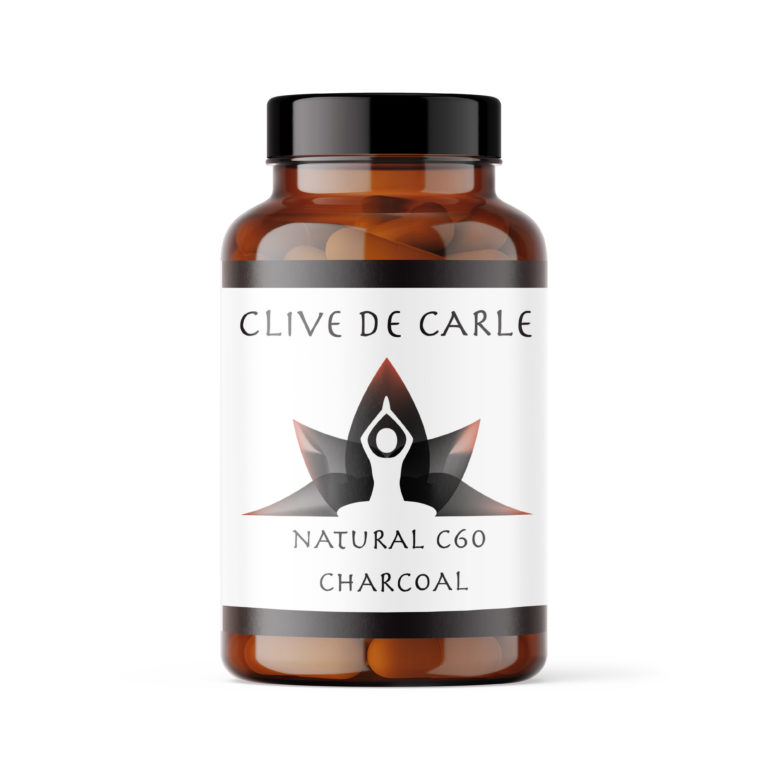
C60 Charcoal – Supports Healthy Digestion and Detoxification.
Support healthy digestion and ease bloating with a natural hardwood charcoal rich in C60 fullerenes. This non-nano formula assists in removing toxins and strengthening your immune response for a more comfortable, balanced gut.
Vetting Notes
Pending
The Role of the Ileocecal Valve (ICV)
While the ileal brake is often discussed in terms of hormonal signalling, its mechanical foundation lies in the ileocecal valve. The ICV is the anatomical gateway between the small intestine (a relatively sterile environment) and the large intestine (a reservoir of trillions of bacteria). For the ileal brake to function correctly, the ICV must maintain a specific pressure gradient and exhibit competent sphincteric action.
If the ICV is 'stuck open' (incompetent), colonic contents can reflux into the small intestine, leading to Small Intestinal Bacterial Overgrowth (SIBO). This disruption creates a 'false brake' or a total failure of the mechanism, as bacterial by-products can interfere with the L-cell sensors. Conversely, if the ICV is 'stuck closed' (spastic), the ileum becomes distended, which can prematurely trigger the brake, leading to chronic constipation and a feeling of early satiety that is not related to actual nutrient density.
Metabolic Homeostasis and Glucose Regulation
The implications of the ileal brake extend far beyond simple digestion; they are central to metabolic health. GLP-1, one of the primary hormones of the ileal brake, is an 'incretin' hormone. It enhances insulin secretion from the pancreas in a glucose-dependent manner, suppresses glucagon release, and improves insulin sensitivity. This is why the ileal brake is a major target for modern pharmacological interventions in Type 2 Diabetes and obesity.
By slowing gastric emptying, the ileal brake flattens the postprandial glucose spike. When the brake is functioning optimally, blood sugar rises gradually, preventing the insulin surges that promote fat storage and metabolic inflammation. A well-coordinated ileal brake is, therefore, a natural defence against metabolic syndrome.
The Root Causes of Ileal Brake Dysfunction
When the coordination between the terminal ileum and the ICV breaks down, the result is often a 'metabolic mismatch.' Several root causes contribute to this dysfunction:
- —The Western Diet: Highly processed foods are often predigested and absorbed too rapidly in the proximal intestine. This means the terminal ileum rarely 'sees' the nutrients required to trigger the brake, leading to rapid gastric emptying, overeating, and poor glucose control.
- —Microbiome Dysbiosis: The bacteria in the terminal ileum play a role in metabolising bile acids and producing short-chain fatty acids (SCFAs). If the microbiome is imbalanced, SCFA production—which normally helps stimulate PYY—is diminished, weakening the brake.
- —ICV Dysfunction: Physical tension, stress, or surgical intervention (such as an ileocecal resection) can permanently alter the pressure dynamics of the valve, preventing the ileum from accurately sensing transit flow.
- —Chronic Stress: The ileal brake is modulated by the autonomic nervous system. High sympathetic tone (fight or flight) inhibits the parasympathetic processes required for the hormonal signalling of the brake to be effective.
SIBO: The Brake in Reverse
Small Intestinal Bacterial Overgrowth (SIBO) represents a significant challenge to the ileal brake. When colonic bacteria migrate into the small intestine via a dysfunctional ICV, they begin to ferment nutrients prematurely. This fermentation produces gases (hydrogen, methane) and metabolites that can either over-stimulate the ileal brake—leading to profound bloating and delayed transit—or deactivate it entirely through mucosal inflammation. This is why addressing ICV health is a non-negotiable step in root-cause SIBO protocols; without a functional valve, the ileal brake cannot reset the migrating motor complex (MMC) effectively.
Restoration and Support
Optimising the ileal brake involves both nutritional and structural interventions:
- —Increase Viscous Fibre: Soluble fibres (such as glucomannan or pectins) ensure that some nutrient sensing occurs further down the digestive tract, effectively 'engaging' the brake.
- —Healthy Fats: Consuming high-quality fats (like olive oil or avocado) can stimulate the release of PYY more effectively than carbohydrates, promoting longer-lasting satiety.
- —ICV Manual Therapy: Visceral manipulation or self-massage techniques targeting the ICV (located halfway between the navel and the right hip bone) can help release a spastic valve or encourage an incompetent one to close, restoring the necessary pressure for ileal sensing.
- —Bile Acid Support: Since bile acids are reabsorbed in the terminal ileum and help trigger the brake, supporting gallbladder health and bile flow is essential for metabolic feedback.
Conclusion
The ileal brake is a master regulator of our internal economy. Through the elegant coordination of the terminal ileum's endocrine signalling and the ileocecal valve's mechanical gating, the body manages to balance nutrient absorption with metabolic stability. By shifting our focus toward the health of this distal junction, we move away from symptomatic management of bloating and blood sugar fluctuations and toward a profound, root-cause understanding of gastrointestinal and metabolic harmony.
This article is provided for informational and educational purposes only. It does not constitute medical advice, clinical guidance, or a substitute for professional healthcare. Information reflects cited research at time of publication. Always consult a qualified healthcare professional before acting on any health information.
RESEARCH FOUNDATIONS
Biological Credibility Archive
Citations provided for educational reference. Verify via PubMed or institutional databases.
Medical Disclaimer
The information in this article is for educational purposes only and does not constitute medical advice, diagnosis, or treatment. Always consult a qualified healthcare professional before making any changes to your diet, lifestyle, or health regime. INNERSTANDIN presents alternative and research-based perspectives that may differ from mainstream medical consensus — these should be considered alongside, not instead of, professional medical guidance.
Read Full DisclaimerReady to learn more?
Continue your journey through our classified biological research.
DISCUSSION ROOM
Members of THE COLLECTIVE discussing "The Ileal Brake Mechanism: Coordination Between the Terminal Ileum and the Ileocecal Valve in Metabolic Homeostasis"
SILENT CHANNEL
Be the first to discuss this article. Your insight could help others understand these biological concepts deeper.
THE ARSENAL
Based on Ileocecal Valve Health — products curated by our research team for educational relevance and biological support.
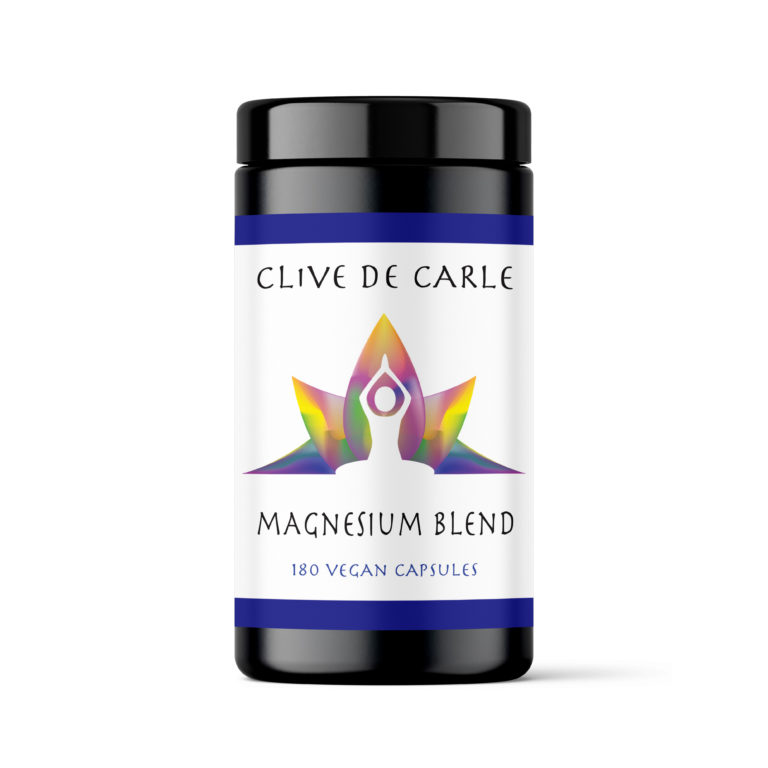
Magnesium Blend – The Most Important Mineral
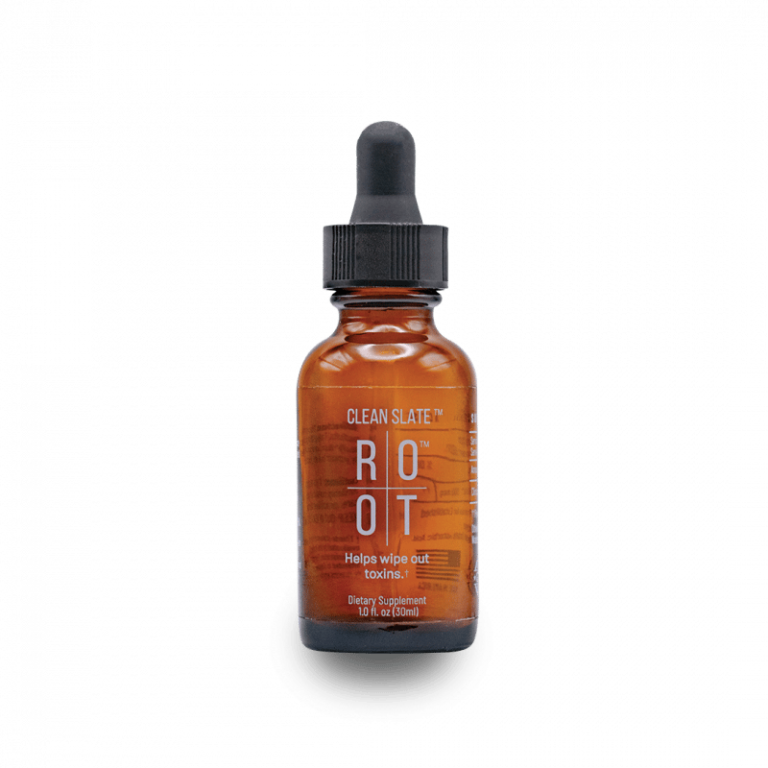
Clean Slate – Detoxes thousands of chemicals,heavy metals, pesticides, allergens, mold spores and fungus
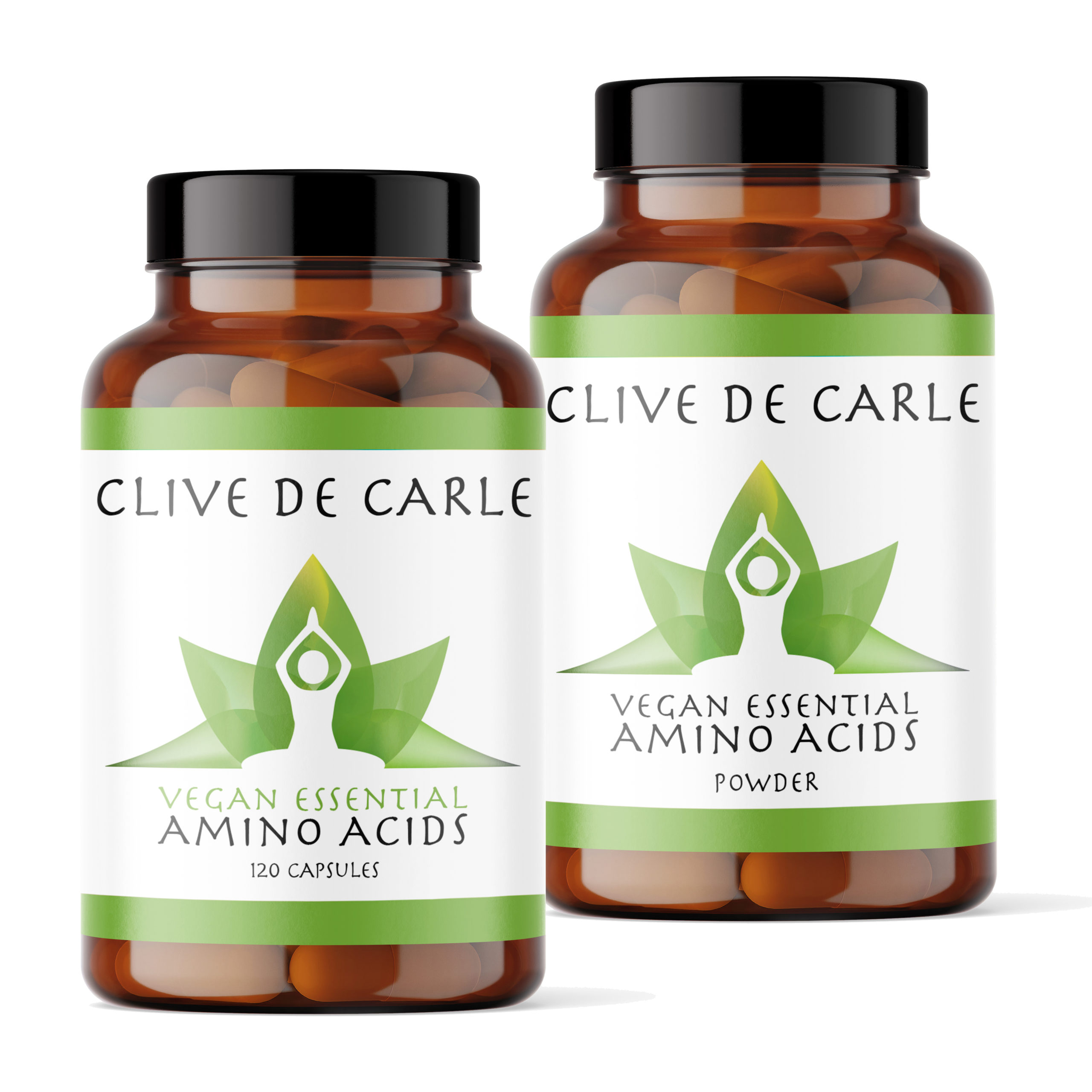
Vegan Essential Amino Acids – Plant-Powered Protein Building
INNERSTANDING may earn a commission on purchases made through these links. All products are selected based on rigorous educational relevance to our biological research.
RABBIT HOLE
Follow the biological thread deeper