The Structural Role of Scaffolding Proteins ZO-1 and ZO-2 in Maintaining Paracellular Permeability
An in-depth exploration into the molecular architecture of Zonula Occludens proteins, examining how ZO-1 and ZO-2 function as the critical scaffolding link between the cell membrane and the cytoskeleton to regulate barrier integrity.
# The Structural Role of Scaffolding Proteins ZO-1 and ZO-2 in Maintaining Paracellular Permeability
In the complex landscape of human physiology, the maintenance of distinct biological compartments is a fundamental requirement for life. Whether it is the separation of the lumen of the gut from the systemic circulation, or the protection of the brain via the blood-brain barrier, the integrity of these boundaries relies on a specialised intercellular junction known as the Tight Junction (TJ). While transmembrane proteins like claudins and occludins are often the most discussed components of these barriers, they cannot function in isolation. The true architectural mastery behind paracellular permeability lies in the cytoplasmic scaffolding proteins, specifically Zonula Occludens-1 (ZO-1) and Zonula Occludens-2 (ZO-2). At INNERSTANDING, we look toward the root causes of barrier dysfunction, and understanding these proteins is essential for grasping how systemic health begins at the cellular level.
The Architecture of the Tight Junction
To understand the role of ZO-1 and ZO-2, one must first visualise the Tight Junction not as a static glue, but as a highly dynamic, regulated gate. This gate controls the 'paracellular' pathway—the space between adjacent epithelial or endothelial cells. Tight junctions serve two primary functions: the 'gate' function, which regulates the passage of ions, water, and macromolecules, and the 'fence' function, which maintains cell polarity by preventing the mixing of membrane proteins between the apical and basolateral surfaces.
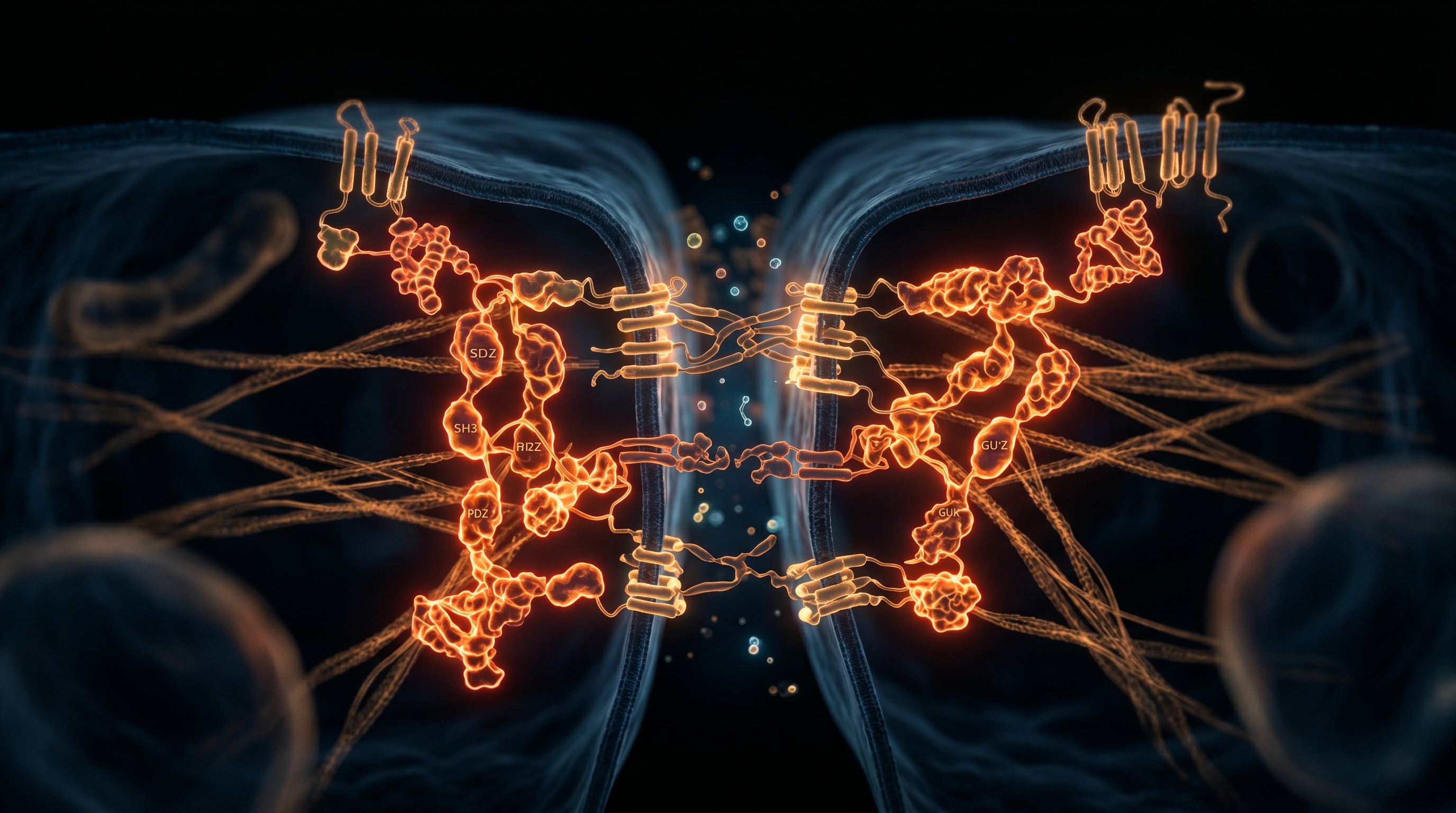
ZO-1 and ZO-2 belong to the Membrane-Associated Guanylate Kinase (MAGUK) family of proteins. These are multi-domain scaffolding proteins that act as a molecular bridge. They are positioned on the cytoplasmic (internal) side of the cell membrane, acting as a platform that organises both the transmembrane proteins that form the seal and the underlying actin cytoskeleton that provides the mechanical tension.
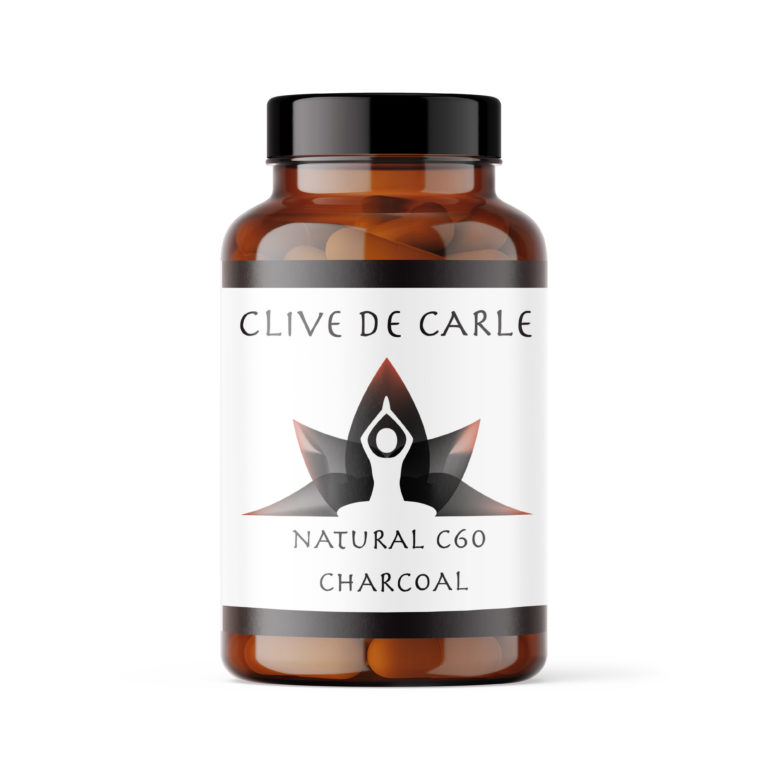
C60 Charcoal – Supports Healthy Digestion and Detoxification.
Support healthy digestion and ease bloating with a natural hardwood charcoal rich in C60 fullerenes. This non-nano formula assists in removing toxins and strengthening your immune response for a more comfortable, balanced gut.
Vetting Notes
Pending
The Molecular Anatomy of ZO Proteins
ZO-1 (a 220 kDa protein) and ZO-2 (a 160 kDa protein) share a similar structural blueprint, characterised by three distinct PDZ domains, an SH3 domain, and a Guanylate Kinase-like (GUK) domain. This multi-domain structure is what allows them to perform their role as 'scaffolds.'
- —PDZ Domains: These domains are the primary points of contact for transmembrane proteins. Specifically, the first PDZ domain (PDZ1) of ZO-1 and ZO-2 binds directly to the C-terminal tail of claudins. Claudins are the proteins that physically 'zip' two cells together. Without the ZO scaffold to hold them in place, claudins would disperse across the membrane, and the tight junction would fail to form a continuous seal.
- —SH3 and GUK Domains: These regions are involved in intracellular signalling and the recruitment of other regulatory proteins. They allow the tight junction to respond to external stimuli, such as changes in the local inflammatory environment or osmotic pressure.
- —The Proline-Rich C-terminus: This region is perhaps the most critical for structural stability. It contains binding sites for F-actin (filamentous actin). By tethering the junctional complex to the cell’s internal 'skeleton', ZO proteins ensure that the tight junction can withstand mechanical stress and maintain a consistent barrier.
ZO-1 and ZO-2: Redundancy and Specialisation
While ZO-1 and ZO-2 are structurally similar and can often compensate for one another, they are not entirely redundant. Research in developmental biology has shown that the loss of ZO-1 is often lethal in embryonic stages, highlighting its primary role in establishing the initial barrier. ZO-2, while also essential, appears to have more specialised roles in signal transduction and even nuclear signalling, where it can move into the cell nucleus to influence gene expression related to cell proliferation.
In the context of paracellular permeability, the presence of both proteins is required for the full maturation of the tight junction. When ZO-1 is depleted, the assembly of claudins is significantly delayed, leading to a 'leaky' barrier where solutes can pass through the gaps between cells unhindered.
The Cytoskeletal Link: The Root of Mechanical Tension
The regulation of paracellular permeability is not merely about the presence of proteins, but the tension applied to them. The C-terminal domain of ZO-1 binds directly to the perijunctional actomyosin ring. This ring acts like a drawstring, exerting tension on the tight junction. This tension is necessary to keep the 'pore' or 'leak' pathways within the junction regulated. When the link between ZO-1 and actin is severed—often due to oxidative stress or specific bacterial toxins—the tight junction loses its structural anchor, leading to an immediate increase in permeability.
Root Causes of ZO Protein Dysfunction
From a functional health perspective, understanding what compromises ZO-1 and ZO-2 is vital. Several factors can lead to the degradation or displacement of these scaffolding proteins, resulting in increased paracellular permeability (often termed 'Leaky Gut' in an intestinal context or 'Barrier Breakdown' in a vascular context).
1. The Role of Zonulin
Zonulin is a protein (the human analogue of the cholera toxin *Zonula occludens* toxin) that triggers the disassembly of tight junctions. When zonulin is released—often in response to gluten or small intestinal bacterial overgrowth (SIBO)—it initiates a signalling cascade that results in the phosphorylation of ZO-1 and its subsequent displacement from the cell membrane. Once ZO-1 is moved into the cytoplasm, the claudins lose their anchor, and the 'gate' opens wide.
2. Pro-inflammatory Cytokines
Systemic inflammation, characterised by high levels of TNF-̑ and IFN-̓, has a direct impact on ZO protein expression. These cytokines can downregulate the transcription of the TJP1 gene (which encodes ZO-1), leading to a physical reduction in the number of scaffold molecules available to support the barrier.
3. Oxidative Stress and Hypoxia
Oxidative stress leads to the modification of the thiol groups on ZO proteins, which can disrupt their ability to bind to actin. In conditions of hypoxia (low oxygen), such as in ischaemic bowel disease or chronic vascular issues, ZO-1 is often internalised, meaning the cell pulls the protein away from the membrane and into its interior, effectively 'unlocking' the barrier.
Clinical Implications: Beyond the Gut
While much of the focus on ZO-1 and ZO-2 is within the field of gastroenterology, their role is systemic. In the blood-brain barrier (BBB), ZO-1 is the primary organiser of the high-resistance junctions that protect the brain from neurotoxins. A loss of ZO-1 integrity in the BBB is a hallmark of neuroinflammatory conditions, including multiple sclerosis and Alzheimer’s disease.
Similarly, in the kidneys, ZO-1 is essential for the function of the slit diaphragm in podocytes, which filters the blood. Dysfunction here leads to proteinuria (protein in the urine), a sign of kidney stress. Understanding that the same molecular scaffolds protect the gut, the brain, and the kidneys allows for a more unified approach to chronic disease management.
Conclusion: Supporting the Molecular Scaffold
The structural roles of ZO-1 and ZO-2 as scaffolding proteins are the linchpin of our body’s barrier systems. They are the master organisers that translate mechanical signals from the cytoskeleton into the sealing of the paracellular space. When we address the root causes of barrier dysfunction—be it through managing inflammation, reducing oxidative stress, or modulating the zonulin pathway—we are essentially working to protect and stabilise these vital proteins.
At INNERSTANDING, we believe that true health is built on a foundation of cellular integrity. By respecting the intricate role of proteins like ZO-1 and ZO-2, we can better understand how to maintain the boundaries that keep us healthy, resilient, and protected from the external environment.
This article is provided for informational and educational purposes only. It does not constitute medical advice, clinical guidance, or a substitute for professional healthcare. Information reflects cited research at time of publication. Always consult a qualified healthcare professional before acting on any health information.
RESEARCH FOUNDATIONS
Biological Credibility Archive
Citations provided for educational reference. Verify via PubMed or institutional databases.
Medical Disclaimer
The information in this article is for educational purposes only and does not constitute medical advice, diagnosis, or treatment. Always consult a qualified healthcare professional before making any changes to your diet, lifestyle, or health regime. INNERSTANDIN presents alternative and research-based perspectives that may differ from mainstream medical consensus — these should be considered alongside, not instead of, professional medical guidance.
Read Full DisclaimerReady to learn more?
Continue your journey through our classified biological research.
DISCUSSION ROOM
Members of THE COLLECTIVE discussing "The Structural Role of Scaffolding Proteins ZO-1 and ZO-2 in Maintaining Paracellular Permeability"
SILENT CHANNEL
Be the first to discuss this article. Your insight could help others understand these biological concepts deeper.
THE ARSENAL
Based on Tight Junction Science — products curated by our research team for educational relevance and biological support.
C60 Charcoal – Supports Healthy Digestion and Detoxification.
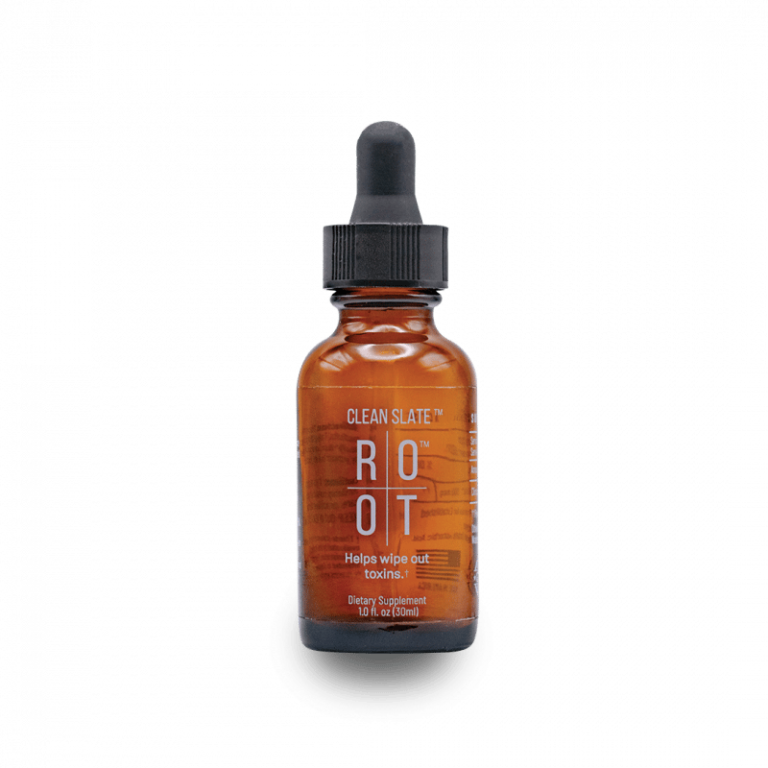
Clean Slate – Detoxes thousands of chemicals,heavy metals, pesticides, allergens, mold spores and fungus
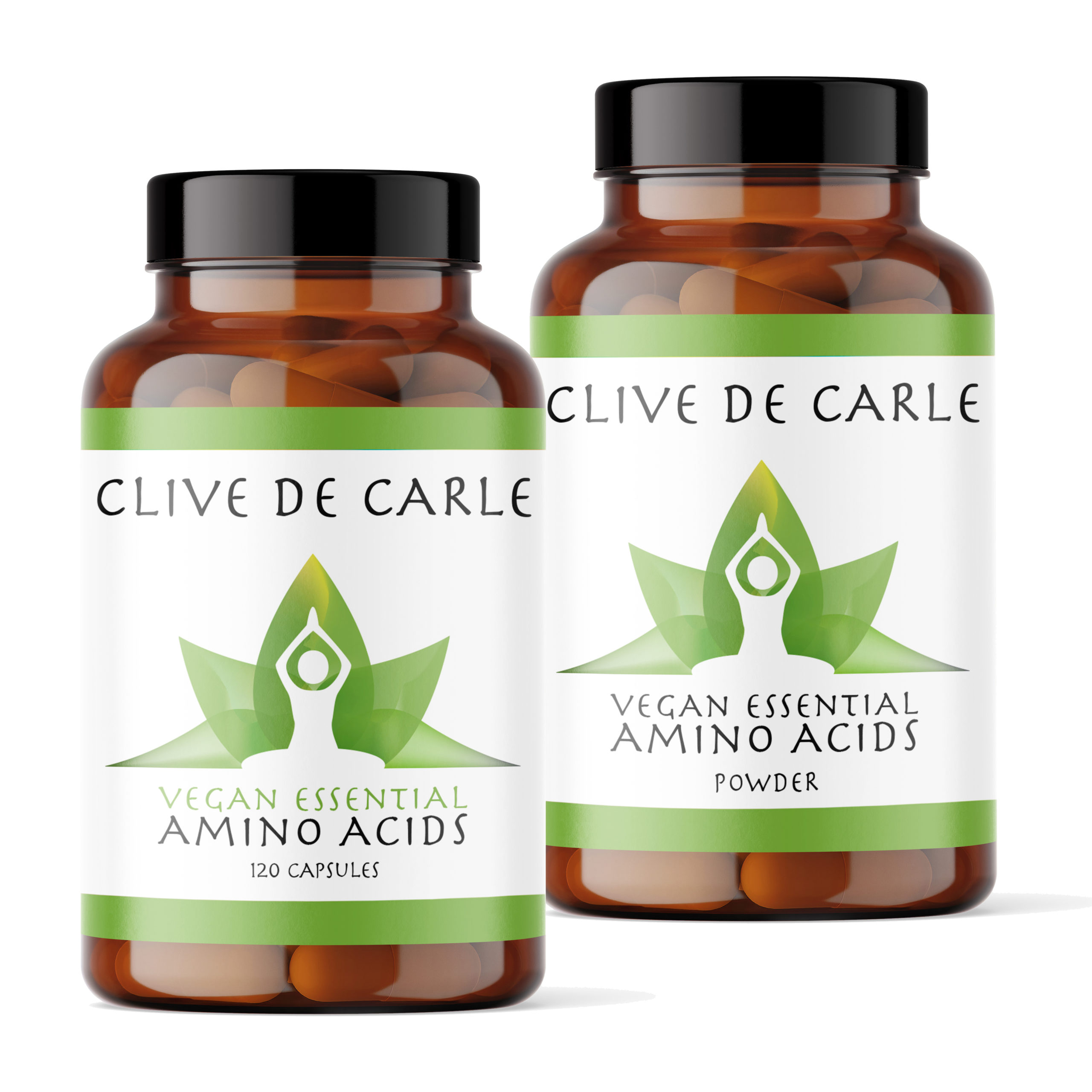
Vegan Essential Amino Acids – Plant-Powered Protein Building
INNERSTANDING may earn a commission on purchases made through these links. All products are selected based on rigorous educational relevance to our biological research.
RABBIT HOLE
Follow the biological thread deeper