
From Deoxycholic to Lithocholic: How Gut Bacteria Control Your Bile Chemistry
Published April 2026
Primary bile acids synthesized by the liver undergo a radical transformation by the gut microbiota into secondary bile acids, which can be either cytoprotective or carcinogenic. This article examines the enzymatic processes of deconjugation and 7-alpha-dehydroxylation that turn 'clean' bile into inflammatory triggers. We discuss the link between dysbiosis, deoxycholic acid, and the rising rates of colorectal and esophageal cancers.
Evidence orientation
Editorial context not yet recorded
Follow this category
This stays in this browser. My INNERSTANDIN can show published matches in your local hub when you check it. It does not send email, push, or alert notifications.
Local learning review
A private browser aid for revisiting ideas. It is not an alert or a health recommendation.
Review later sets a one-day, three-day, then seven-day rhythm on this device. Choose it only when you want to revisit this article.
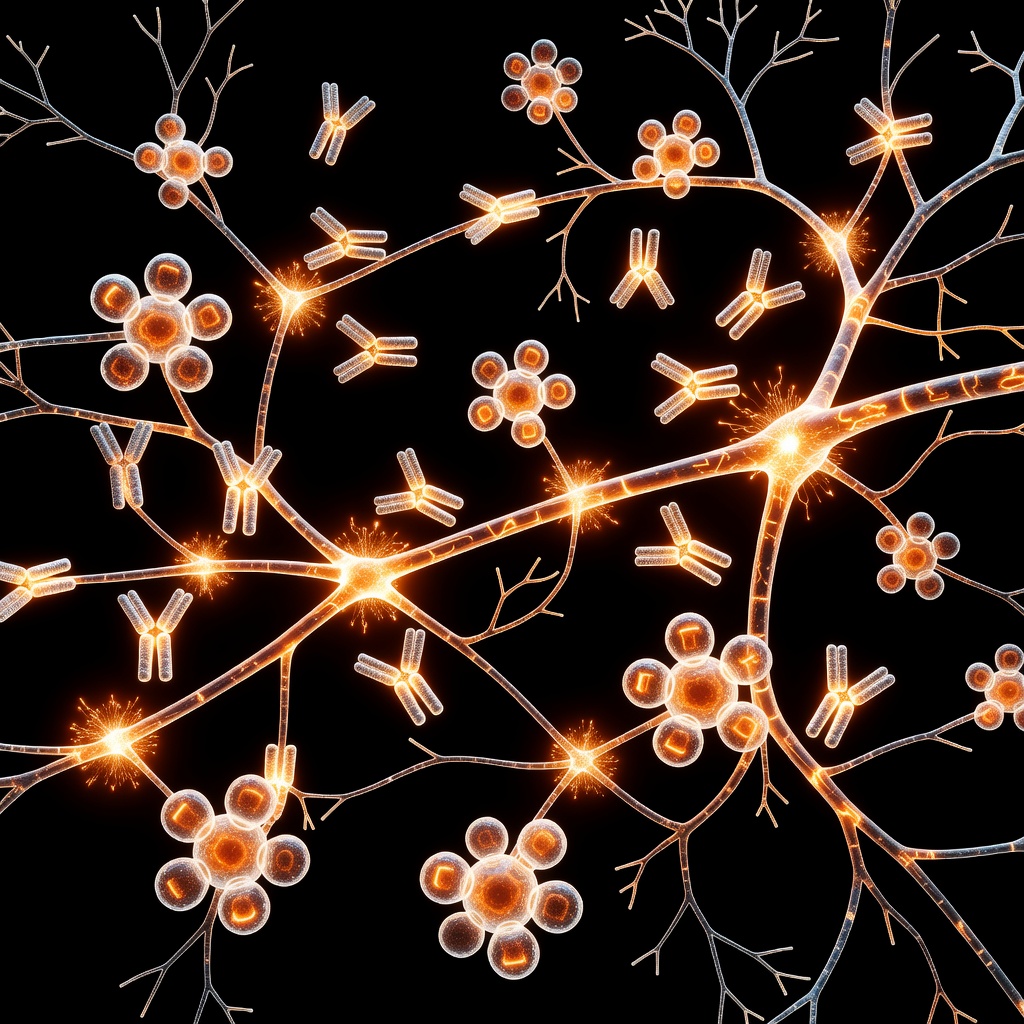
The liver produces 'primary' bile acids, mainly cholic acid (CA) and chenodeoxycholic acid (CDCA), which are conjugated with amino acids like glycine or taurine to make them water-soluble. However, the moment these acids enter the colon, they meet the dense microbial community of the gut. This is where the chemistry gets complicated. Certain bacterial species, particularly those in the Clostridium and Bacteroides genera, possess enzymes called Bile Salt Hydrolases (BSHs). These enzymes 'deconjugate' the bile acids, stripping away the amino acids.
Even more significantly, bacteria perform 7-alpha-dehydroxylation, converting primary bile acids into 'secondary' bile acids: Deoxycholic Acid (DCA) and Lithocholic Acid (LCA). While small amounts of these secondary acids are normal, an overproduction driven by gut dysbiosis is a major, yet under-discussed, driver of systemic inflammation and cancer. High levels of DCA are known to be cytotoxic; they damage the membranes of cells lining the gut, induce DNA damage through the production of reactive oxygen species (ROS), and can even promote the growth of esophageal tumors via bile reflux. Mainstream gastroenterology often overlooks the 'quality' of the bile acid pool, focusing instead on whether the patient has 'enough' bile for digestion. Yet, research in 'Gastroenterology' and 'The Journal of Clinical Investigation' suggests that the ratio of primary to secondary bile acids is a more accurate predictor of metabolic and colonic health than total bile volume.
Diets high in processed fats and low in fermentable fibers selectively feed the bacteria that produce these inflammatory secondary acids. Conversely, the intake of prebiotic fibers and specific probiotic strains like Lactobacillus and Bifidobacterium can modulate the BSH activity and reduce the conversion to DCA. Furthermore, the pH of the colon plays a critical role; a more acidic environment (promoted by the production of Short-Chain Fatty Acids by good bacteria) inhibits the enzymes that create toxic secondary bile acids. For the proactive individual, managing bile chemistry involves two prongs: fostering a microbiome that limits DCA production and ensuring rapid transit time to minimize the exposure of the intestinal wall to these caustic secondary acids. This investigative look into bile transformation reveals that our gut bacteria are not just passive residents, but active chemists determining whether our bile is a healing lubricant or a metabolic toxin.
This article is provided for informational and educational purposes only. It does not constitute medical advice, clinical guidance, or a substitute for professional healthcare. Information reflects cited research at time of publication. Always consult a qualified healthcare professional before acting on any health information.
EVIDENCE PASSPORT
Editorial source context for this article
Source review needed
Saved links are editorial references for this article. They may support specific claims rather than every sentence. Open and assess each source in context. This passport does not independently verify them.
Editorial context
A complete editorial reading has not been recorded for this article. Source links remain available for you to open and assess directly.
Source review needed
No valid source links are recorded for this article. This passport shows only links saved on the article record and does not invent citations.
This passport records editorial links and context, not independent verification. Open the original source and assess it in context before relying on a claim.
Medical Disclaimer
The information in this article is for educational purposes only and does not constitute medical advice, diagnosis, or treatment. Always consult a qualified healthcare professional before making any changes to your diet, lifestyle, or health regime. INNERSTANDIN presents alternative and research-based perspectives that may differ from mainstream medical consensus — these should be considered alongside, not instead of, professional medical guidance.
Read Full DisclaimerContinue the thread
Keep this question moving.
Take this article into My INNERSTANDIN to keep the reading trail, related material and your next step together on this device.
Explore this in the Body Map
See where this hits your biology. Interactive anatomy, threats, and protective protocols.
Dig deeper in the Library
Free, longform PDF volumes that go beyond headlines into mechanisms and references.