
Microplastic Infiltration: The New Frontier of Gut Dysbiosis
Published April 2026
How microplastics in the UK water supply damage the intestinal lining and act as carriers for environmental toxins, leading to systemic inflammation.
Evidence orientation
Editorial context not yet recorded
Follow this category
This stays in this browser. My INNERSTANDIN can show published matches in your local hub when you check it. It does not send email, push, or alert notifications.
Local learning review
A private browser aid for revisiting ideas. It is not an alert or a health recommendation.
Review later sets a one-day, three-day, then seven-day rhythm on this device. Choose it only when you want to revisit this article.
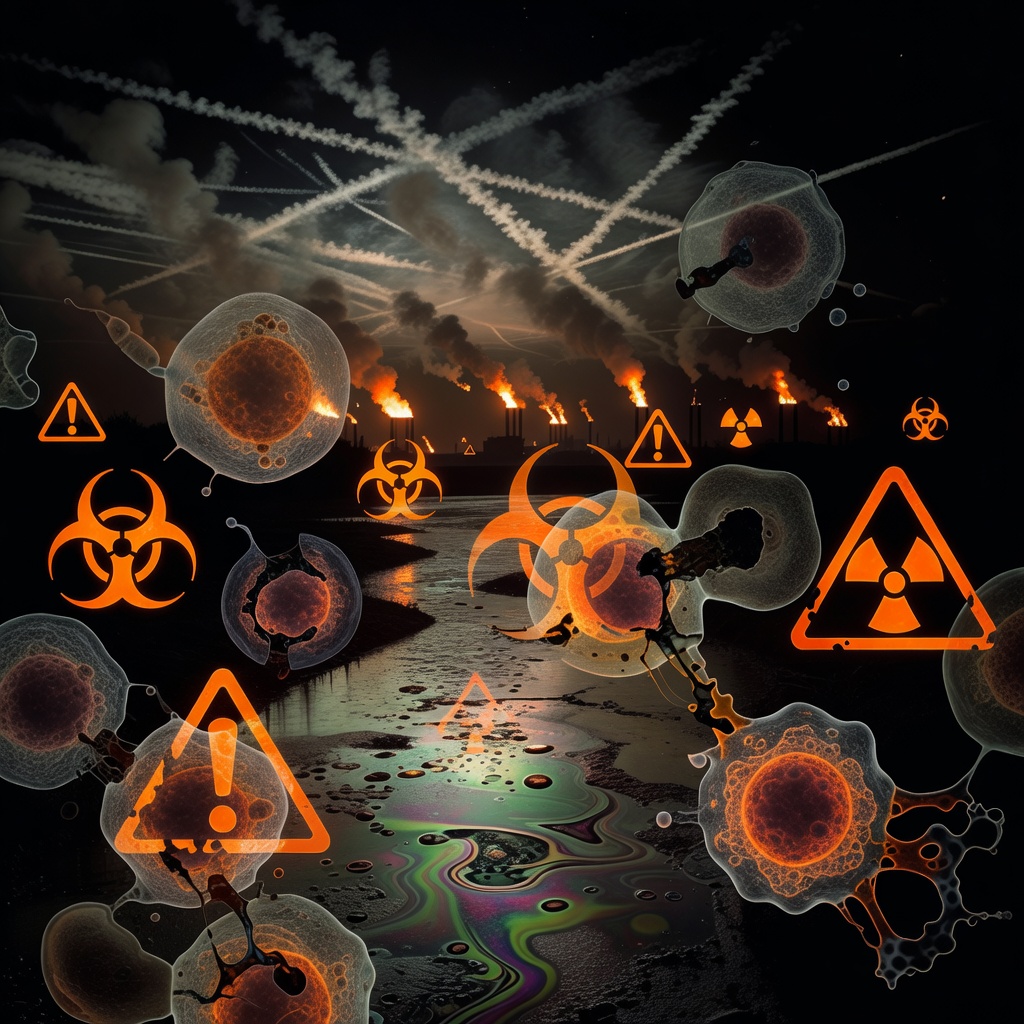
Microplastics are no longer just an environmental concern; they are a direct threat to human gut integrity. Recent studies have identified a staggering number of micro- and nano-plastics in the Thames River, which serve as the primary source for London’s drinking water. These particles, often smaller than 5 micrometers, are small enough to be ingested and translocated across the intestinal barrier. Mainstream discourse focuses on the volume of plastic, but the real danger lies in the physical and chemical interactions these particles have with our internal biology. Section 1: Physical Abrasion and the Epithelial Barrier.
As microplastics pass through the digestive tract, they cause mechanical irritation to the delicate mucosal lining. This chronic irritation can trigger the release of zonulin, a protein that modulates the permeability of tight junctions between cells. When these junctions are compromised, the result is 'leaky gut' or intestinal permeability. This allows undigested food particles, lipopolysaccharides (LPS), and pathogens to enter the systemic circulation, sparking a state of chronic low-grade inflammation. Section 2: The Trojan Horse Effect.
Microplastics are highly lipophilic, meaning they attract and concentrate other fat-soluble toxins from the water, such as PCBs, PAHs, and pesticides. When these plastic particles are ingested, they act as 'Trojan Horses,' delivering a concentrated dose of chemical pollutants directly into the bloodstream. These chemicals then interfere with various metabolic pathways, including liver detoxification and thyroid hormone signaling. Section 3: Immune System Overdrive. The presence of foreign plastic particles in the blood and tissues triggers an immune response.
Macrophages, the body’s scavenger cells, attempt to engulf these particles but are unable to break them down. This leads to 'frustrated phagocytosis,' where immune cells release inflammatory cytokines and reactive oxygen species in a futile attempt to destroy the plastic. Over time, this contributes to autoimmune triggers and systemic oxidative stress. Addressing this requires more than just standard filtration; it necessitates sub-micron or nanofiltration technology to catch the particles that traditional filters miss.
This article is provided for informational and educational purposes only. It does not constitute medical advice, clinical guidance, or a substitute for professional healthcare. Information reflects cited research at time of publication. Always consult a qualified healthcare professional before acting on any health information.
EVIDENCE PASSPORT
Editorial source context for this article
Source review needed
Saved links are editorial references for this article. They may support specific claims rather than every sentence. Open and assess each source in context. This passport does not independently verify them.
Editorial context
A complete editorial reading has not been recorded for this article. Source links remain available for you to open and assess directly.
Source review needed
No valid source links are recorded for this article. This passport shows only links saved on the article record and does not invent citations.
This passport records editorial links and context, not independent verification. Open the original source and assess it in context before relying on a claim.
Medical Disclaimer
The information in this article is for educational purposes only and does not constitute medical advice, diagnosis, or treatment. Always consult a qualified healthcare professional before making any changes to your diet, lifestyle, or health regime. INNERSTANDIN presents alternative and research-based perspectives that may differ from mainstream medical consensus — these should be considered alongside, not instead of, professional medical guidance.
Read Full DisclaimerContinue the thread
Keep this question moving.
Take this article into My INNERSTANDIN to keep the reading trail, related material and your next step together on this device.
Explore this in the Body Map
See where this hits your biology. Interactive anatomy, threats, and protective protocols.
Dig deeper in the Library
Free, longform PDF volumes that go beyond headlines into mechanisms and references.