
Blastocystis Hominis: Commensal Resident or Pathogenic Gut Invader?
Updated May 2026
Blastocystis hominis is a highly prevalent polymorphic parasite whose role in human health remains a subject of intense scientific debate. This article investigates when this common inhabitant transitions from a harmless passenger to a driver of IBS-like symptoms.
Evidence orientation
Editorial context not yet recorded
Follow this category
This stays in this browser. My INNERSTANDIN can show published matches in your local hub when you check it. It does not send email, push, or alert notifications.
Local learning review
A private browser aid for revisiting ideas. It is not an alert or a health recommendation.
Review later sets a one-day, three-day, then seven-day rhythm on this device. Choose it only when you want to revisit this article.
Overview
The human gut is a complex ecosystem, a battleground where trillions of microorganisms coexist in a delicate, often volatile equilibrium. Among these inhabitants, few organisms provoke as much scientific contention and clinical confusion as Blastocystis hominis. Classified for decades as a harmless commensal—a passive passenger of the digestive tract—this anaerobic protist is now being unmasked by advanced molecular biology as a potential driver of chronic inflammation, irritable bowel syndrome (IBS), and systemic immune dysfunction.
At INNERSTANDING, we do not settle for the "incidental finding" narrative often promoted by overstretched primary care services. When a patient presents with chronic bloating, abdominal pain, and fatigue, and their stool analysis returns positive for Blastocystis, the mainstream medical response in the UK is frequently to dismiss it. Yet, the biological reality is far more sinister. Blastocystis hominis is a polymorphic chameleon, capable of shifting its form and its impact on the host depending on the state of the internal environment—the "biological terrain."
This organism is a member of the Stramenopiles, a diverse group of eukaryotes that includes brown algae and water moulds, making it biologically distinct from both bacteria and common protozoa like Giardia. Its prevalence is staggering; it is estimated that up to 25% of the population in developed nations, and up to 100% in developing regions, may harbour this organism. But prevalence does not equate to innocence. The question we must ask is: what triggers this "commensal" to turn rogue?
The answer lies in the intersection of genetic subtypes, host immune status, and the modern barrage of environmental toxins that weaken our natural defences. This article will deconstruct the molecular machinery of Blastocystis, expose the failings of current diagnostic frameworks, and provide a roadmap for reclaiming the gut from this persistent invader.
In the UK alone, it is estimated that millions of individuals are carriers of Blastocystis, yet the NHS provides no standardised treatment protocol for asymptomatic or "mildly" symptomatic cases, leaving a massive cohort of the population in a state of sub-clinical chronic inflammation.
The Biology — How It Works
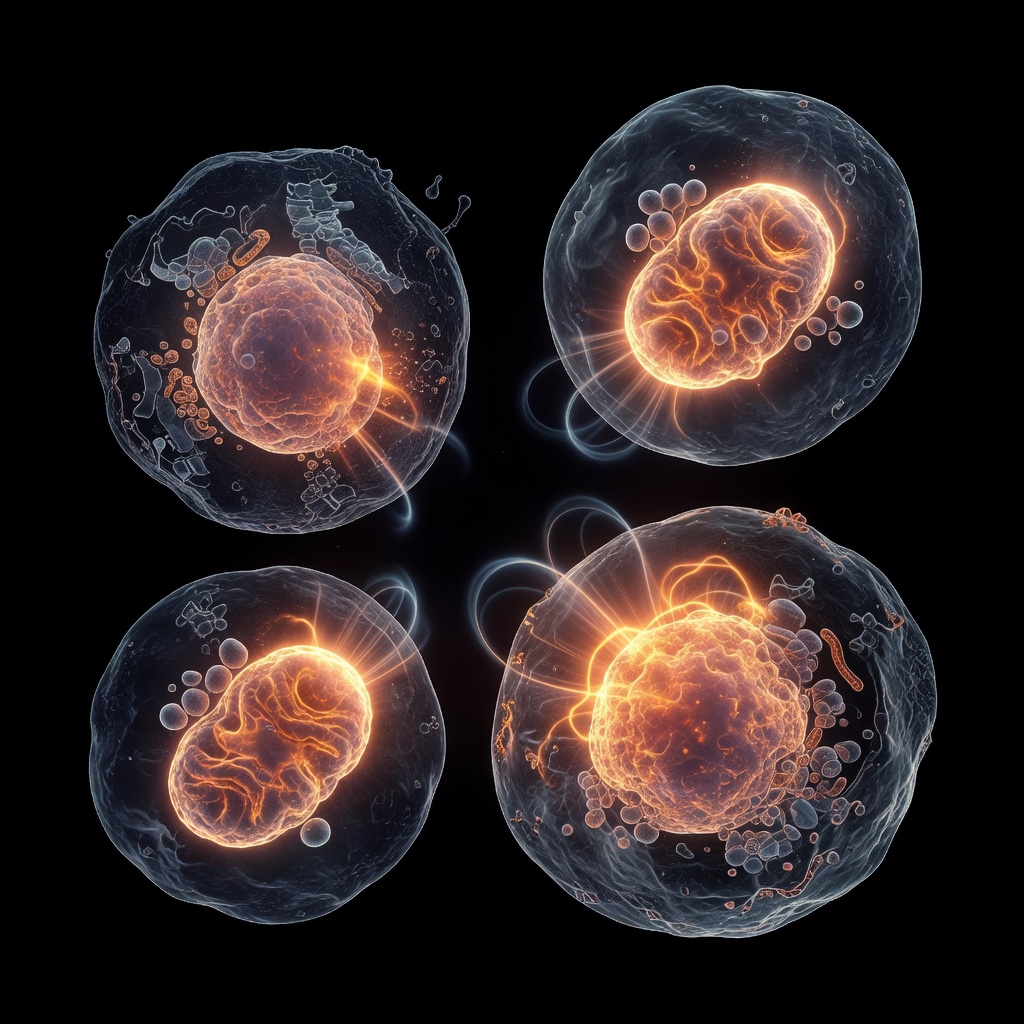
To understand why Blastocystis hominis is so difficult to eradicate, we must first understand its extraordinary biological flexibility. Unlike many pathogens that exist in a single state, Blastocystis is polymorphic, meaning it can transform into at least four distinct morphological forms depending on the environmental pressures it faces within the human colon.
The Four Morphological Stages
- Vacuolar Form: This is the most commonly identified form in clinical stool samples. It features a large central vacuole that pushes the cytoplasm and nuclei to the periphery. This vacuole serves as a storage site for energy and perhaps as a defensive reservoir for metabolic waste.
- Granular Form: Similar to the vacuolar form but packed with granules that are thought to be metabolic centres or precursors to reproductive cells. This stage is often associated with older cultures or stressed environments.
- Amoeboid Form: This is the "predatory" state. The organism extends pseudopodia (false feet) to move and ingest bacteria or host debris. Crucially, the amoeboid form is frequently linked to pathogenic behaviour; it is this form that adheres most aggressively to the intestinal lining.
- Cystic Form: The survivalist stage. Encased in a thick, multi-layered chitinous wall, the cyst is the primary vehicle for transmission. It is highly resistant to environmental stressors, including the standard chlorination levels used in UK municipal water supplies.
Reproduction and Colonisation
Blastocystis reproduces asexually through binary fission, but it can also undergo plasmotomy and endodyogeny. It thrives in the anaerobic (oxygen-free) environment of the large intestine, specifically the caecum and colon. It does not possess mitochondria in the traditional sense; instead, it utilizes mitochondria-like organelles (MROs) known as hydrogenosomes to generate energy in the absence of oxygen.
The Subtype Paradox
One of the most significant breakthroughs in our understanding of Blastocystis is the identification of Genetic Subtypes (STs). Currently, at least 22 subtypes have been identified in mammals and birds, with ST1 through ST9 commonly found in humans.
- ST3 is the most prevalent subtype globally but is often considered the most "commensal-like."
- ST1 and ST4 are frequently associated with higher levels of virulence and are often detected in patients suffering from IBS and chronic diarrhoea.
- ST2 has been linked to more aggressive inflammatory responses in certain cohorts.
The mainstream narrative often treats all Blastocystis as a single entity, which is a fundamental biological error. Ignoring the subtype is like ignoring the difference between a domestic cat and a tiger simply because they are both felines.
Mechanisms at the Cellular Level
When Blastocystis transitions from a passive resident to a pathogen, it engages in a sophisticated molecular assault on the intestinal barrier. It does not merely "sit" in the gut; it actively manipulates the host's cellular machinery.
Proteolytic Degradation of IgA
One of the primary weapons in the Blastocystis arsenal is the secretion of cysteine proteases. These enzymes are specifically designed to degrade Secretory Immunoglobulin A (sIgA), the first line of immune defence in the gut mucosa. By neutralising sIgA, the parasite prevents the host from "tagging" it for destruction, allowing it to colonise the mucus layer with impunity.
The Induction of Apoptosis
Blastocystis induces programmed cell death (apoptosis) in the intestinal epithelial cells. Research has shown that the presence of the parasite triggers the activation of Caspase-3 and Caspase-9 pathways. As these epithelial cells die off prematurely, the integrity of the gut wall is compromised, leading to what is colloquially known as Leaky Gut Syndrome (increased intestinal permeability).
Modulation of NF-κB and Pro-inflammatory Cytokines
The parasite actively stimulates the NF-κB (Nuclear Factor kappa-light-chain-enhancer of activated B cells) signalling pathway within host cells. This is a master switch for inflammation. Once activated, the gut lining begins to pump out pro-inflammatory cytokines, specifically Interleukin-8 (IL-8) and Interleukin-1β (IL-1β).
- IL-8 acts as a potent chemoattractant, pulling neutrophils (white blood cells) into the gut tissue, which further increases oxidative stress and tissue damage.
- This chronic state of low-grade inflammation mimics the molecular profile of Irritable Bowel Disease (IBD) and IBS, explaining why Blastocystis is so often found in these patient populations.
Barrier Dysfunction via Zonulin
Evidence suggests that Blastocystis can trigger the release of Zonulin, a protein that modulates the permeability of tight junctions between cells. When zonulin levels rise, the "gates" of the gut wall swing open, allowing undigested food particles, bacterial lipopolysaccharides (LPS), and metabolic toxins to enter the bloodstream. This is the mechanism by which a localized gut parasite creates systemic symptoms like brain fog, joint pain, and skin rashes (urticaria).
Cysteine proteases secreted by Blastocystis have been shown to degrade the tight junction protein Occludin, directly breaking the physical seal of the gut barrier.
Environmental Threats and Biological Disruptors
The explosion of Blastocystis prevalence and its transition to pathogenicity cannot be viewed in isolation. It is a direct result of our degrading environment and the systemic poisoning of our biological terrain.
The Failure of Water Treatment
In the UK, the Environment Agency and water companies are under increasing scrutiny for sewage spills and the quality of tap water. While chlorine is used to kill most bacteria, the cystic form of Blastocystis is remarkably resilient to standard chemical disinfection. If the "biological load" of a water source is high, these cysts can pass through filtration systems and into the domestic supply.
Antibiotic Overuse and Dysbiosis
The "commensal" status of Blastocystis is often maintained by a healthy, diverse microbiome. However, the UK's historical over-reliance on broad-spectrum antibiotics has decimated the populations of beneficial bacteria like Bifidobacterium and Lactobacillus. When these protective species are wiped out, a "niche" opens up. Blastocystis is an opportunist; in a depleted microbiome, it can overgrow and shift into its pathogenic amoeboid form without the regulatory check of a healthy bacterial community.
Low Stomach Acid (Hypochlorhydria)
The widespread use of Proton Pump Inhibitors (PPIs) such as Omeprazole in the UK is a major risk factor. Stomach acid (HCl) is our first line of chemical defence against ingested cysts. When the pH of the stomach is artificially raised, Blastocystis cysts survive the passage into the small intestine with a much higher success rate.
Heavy Metals and Glyphosate
The presence of heavy metals (like mercury and aluminium) and agricultural chemicals like glyphosate (Roundup) in the UK food chain further complicates the picture. Glyphosate acts as a potent antibiotic that targets the Shikimate pathway in our gut bacteria, further inducing dysbiosis and weakening the mucosal lining, making it a "welcome mat" for Blastocystis colonisation.
The Cascade: From Exposure to Disease
The journey from the ingestion of a Blastocystis cyst to the development of chronic disease follows a predictable, yet devastating, cascade. It is rarely an overnight occurrence; rather, it is a slow erosion of host resilience.
Phase 1: Ingestion and Excystation
The individual consumes contaminated water or food (often unwashed salads or undercooked shellfish). The cysts pass through the stomach and "excyst" in the small intestine, releasing the active vacuolar forms.
Phase 2: Adhesion and Colonisation
The organisms migrate to the large intestine. If the host's sIgA levels are low (due to stress or poor nutrition), the Blastocystis cells adhere to the mucosal layer using surface lectins. This is where they begin to secrete their cysteine proteases.
Phase 3: The Inflammatory Switch
As the parasite population grows, the level of secreted toxins reaches a critical threshold. The host's immune system detects the degradation of the gut lining and the presence of foreign proteases. NF-κB is activated, and the gut begins to produce IL-8. This is the point where the patient begins to experience the classic "IBS" symptoms:
- Alternating constipation and diarrhoea.
- Severe, painful bloating (often worse in the evening).
- Abdominal cramping and flatulence.
Phase 4: Systemic Manifestations
The compromised gut barrier (Leaky Gut) allows Blastocystis metabolites and other luminal toxins to enter the systemic circulation. This triggers a systemic immune response. Many patients at this stage present with Chronic Urticaria (hives) or Pruritus (itching). The liver becomes overburdened as it attempts to filter these additional toxins, leading to fatigue and "brain fog."
Phase 5: The Autoimmune Connection
There is emerging evidence that the chronic immune stimulation caused by Blastocystis may be a trigger for autoimmune conditions. Through a process called molecular mimicry, the immune system—primed to fight the parasite—may begin to attack the host's own tissues, particularly the thyroid (Hashimoto's) or the joints.
What the Mainstream Narrative Omits
The medical establishment's refusal to acknowledge Blastocystis as a primary pathogen is a failure of both diagnostics and philosophy. Here is what they are not telling you:
The "Microscopy Gap"
Most NHS laboratories still rely on O&P (Ova and Parasite) microscopy to diagnose Blastocystis. This method is notoriously unreliable. Because the organism is polymorphic and fragile, it can disintegrate before it reaches the lab, or be missed by a technician who isn't trained to recognise the various forms (especially the amoeboid or granular forms). Research indicates that microscopy may miss up to 50-70% of cases. The "gold standard" should be PCR (Polymerase Chain Reaction) testing, which looks for the parasite's DNA, but this is rarely available on the NHS for routine digestive issues.
The Subtype Ignorance
As mentioned, not all Blastocystis are created equal. By failing to subtype the infection, clinicians miss the fact that a patient may be carrying a highly virulent strain (like ST4). Telling a patient with ST4 that their parasite is "just a commensal" is scientifically illiterate.
The Biofilm Shield
Blastocystis does not always exist as free-floating cells. It can participate in and hide within biofilms—complex, slimy matrices created by bacteria. Within a biofilm, Blastocystis is shielded from the host's immune system and is up to 1,000 times more resistant to antimicrobial treatments. This explains why standard courses of antibiotics like Metronidazole often fail.
The Co-infection Factor
Blastocystis rarely acts alone. It is often found alongside other pathogens such as Dientamoeba fragilis, H. pylori, or SIBO (Small Intestinal Bacterial Overgrowth). The presence of Blastocystis may actually facilitate these other infections by weakening the immune system and altering the gut pH. Mainstream medicine often treats one thing at a time, failing to see the pathogenic "syndromes" that occur in the gut.
Fact: A positive Blastocystis result is often a marker for an underlying "ecological collapse" within the gut, indicating that the host's internal environment is no longer capable of self-regulation.
The UK Context
The situation in the United Kingdom is unique due to several geographic and systemic factors. The "British Gut" is under a specific type of pressure that makes Blastocystis a particularly stubborn problem.
The Infrastructure Crisis
The UK's ageing Victorian sewer systems are increasingly overwhelmed. The Environment Agency has reported record numbers of raw sewage discharges into rivers. For those living in rural areas or near downstream water sources, the risk of zoonotic transmission (from livestock to humans) of Blastocystis is rising. Furthermore, the UK's heavy rainfall patterns facilitate the runoff of animal waste into the human water cycle.
NHS Protocol Failures
The National Institute for Health and Care Excellence (NICE) guidelines for IBS focus heavily on symptom management (FODMAP diets, antispasmodics) rather than root-cause resolution. There is no specific NICE pathway for the eradication of Blastocystis. Consequently, GPs are often discouraged from prescribing the necessary dual-therapy protocols required to clear the infection, fearing "unnecessary" antibiotic use.
The MHRA and "Natural" Solutions
While the Medicines and Healthcare products Regulatory Agency (MHRA) ensures the safety of pharmaceutical drugs, there is a lack of integrated support for high-potency herbal antimicrobials that have shown efficacy against Blastocystis. Patients are often left to navigate the "wild west" of the supplement market without professional guidance, leading to either ineffective "cleanses" or potentially dangerous self-treatment.
The Cost of Inaction
The economic burden of "unexplained" IBS in the UK is billions of pounds in lost productivity and healthcare costs. If a fraction of this was diverted into high-sensitivity PCR screening and targeted parasite eradication, the burden on the NHS could be significantly reduced.
Protective Measures and Recovery Protocols
Eradicating Blastocystis requires a multi-faceted strategic strike. A single round of antibiotics is rarely sufficient and often makes the problem worse by further damaging the microbiome. We must address the organism, the biofilm, and the terrain simultaneously.
Step 1: Biofilm Disruption
Before introducing antimicrobials, the "shield" must be broken.
- Interfacial enzymes: Using enzymes like Cellulase, Hemicellulase, and Protease on an empty stomach can help dissolve the biofilm matrix.
- Bismuth: Bismuth subsalicylate (or bismuth thiol) has been shown to disrupt the structural integrity of parasitic biofilms.
Step 2: Targeted Antimicrobial Therapy
A combination approach is most effective.
- Pharmaceuticals: If using the drug route, the combination of Metronidazole with Diloxanide Furoate or Paromomycin is often required to hit both the active and cystic forms. However, resistance is high.
- Botanicals: High-dose Allicin (the active component of garlic) is a potent cysteine protease inhibitor. Berberine (found in Goldenseal and Barberry) has direct anti-protozoal activity and helps repair the gut barrier. Oil of Oregano (standardised to high carvacrol) is also effective but must be used with caution due to its potency.
Step 3: Immunological Support
- Saccharomyces boulardii: This beneficial yeast is a game-changer. It secretes a protease that specifically breaks down the toxins produced by Blastocystis. Furthermore, it has been shown in clinical trials to be as effective as Metronidazole in clearing Blastocystis in children, without the side effects.
- sIgA Support: Boosting the gut's own defences with Vitamin A, Zinc, and Colostrum can help the body reclaim control of the mucosal border.
Step 4: Environmental and Lifestyle Adjustments
- Water Filtration: Use a high-quality water filter that is certified to remove cysts (look for NSF 53 or NSF 58 ratings). Standard jug filters are often insufficient.
- Stomach Acid Optimisation: If not on PPIs, using Betaine HCl with meals can ensure that any newly ingested cysts are neutralised in the stomach.
- Dietary Fibre: Once the "kill phase" is over, reintroducing diverse fibres (PHGG, Acacia) helps rebuild the bacterial populations that keep Blastocystis in its commensal state.
Protocol Note: Many patients feel worse before they feel better—the "Herxheimer Reaction." This is caused by the release of toxins from dying parasites and must be managed with "binders" like Activated Charcoal or Modified Citrus Pectin.
Summary: Key Takeaways
The saga of Blastocystis hominis is a testament to the complexity of human biology and the limitations of modern medicine. It is an organism that defies simple categorisation, existing on a spectrum between harmless resident and aggressive invader.
- Polymorphism is Key: Blastocystis changes its shape and its "personality" based on its environment. The amoeboid form is the primary driver of disease.
- Cysteine Proteases: The "smoking gun" of Blastocystis pathology. These enzymes destroy our immune defences (sIgA) and breach the gut wall.
- Diagnostic Failure: Standard UK stool tests (microscopy) are inadequate. PCR testing is essential for an accurate diagnosis.
- Subtypes Matter: ST1 and ST4 are significantly more likely to cause symptoms than others. Know your subtype.
- The Terrain is Everything: A weakened microbiome, low stomach acid, and environmental toxins (glyphosate, heavy metals) are what allow Blastocystis to turn pathogenic.
- Holistic Eradication: Success requires a combination of biofilm disruptors, targeted antimicrobials (like Allicin and Berberine), and the protective power of Saccharomyces boulardii.
At INNERSTANDING, we advocate for a paradigm shift. We must stop asking "Is Blastocystis a pathogen?" and start asking "Why is this person's body allowing Blastocystis to act as a pathogen?" The parasite is the messenger; the state of the gut is the message. By restoring the integrity of our internal ecosystem and removing the environmental triggers that empower this organism, we can move from chronic illness back to a state of biological resonance. The truth about Blastocystis is that it is a master of opportunism—it is up to us to ensure that our bodies no longer provide that opportunity.
This article is provided for informational and educational purposes only. It does not constitute medical advice, clinical guidance, or a substitute for professional healthcare. Information reflects cited research at time of publication. Always consult a qualified healthcare professional before acting on any health information.
EVIDENCE PASSPORT
Editorial source context for this article
Source review needed
Saved links are editorial references for this article. They may support specific claims rather than every sentence. Open and assess each source in context. This passport does not independently verify them.
Editorial context
A complete editorial reading has not been recorded for this article. Source links remain available for you to open and assess directly.
Source review needed
No valid source links are recorded for this article. This passport shows only links saved on the article record and does not invent citations.
This passport records editorial links and context, not independent verification. Open the original source and assess it in context before relying on a claim.
Medical Disclaimer
The information in this article is for educational purposes only and does not constitute medical advice, diagnosis, or treatment. Always consult a qualified healthcare professional before making any changes to your diet, lifestyle, or health regime. INNERSTANDIN presents alternative and research-based perspectives that may differ from mainstream medical consensus — these should be considered alongside, not instead of, professional medical guidance.
Read Full DisclaimerContinue the thread
Keep this question moving.
Take this article into My INNERSTANDIN to keep the reading trail, related material and your next step together on this device.
Explore this in the Body Map
See where this hits your biology. Interactive anatomy, threats, and protective protocols.
Dig deeper in the Library
Free, longform PDF volumes that go beyond headlines into mechanisms and references.