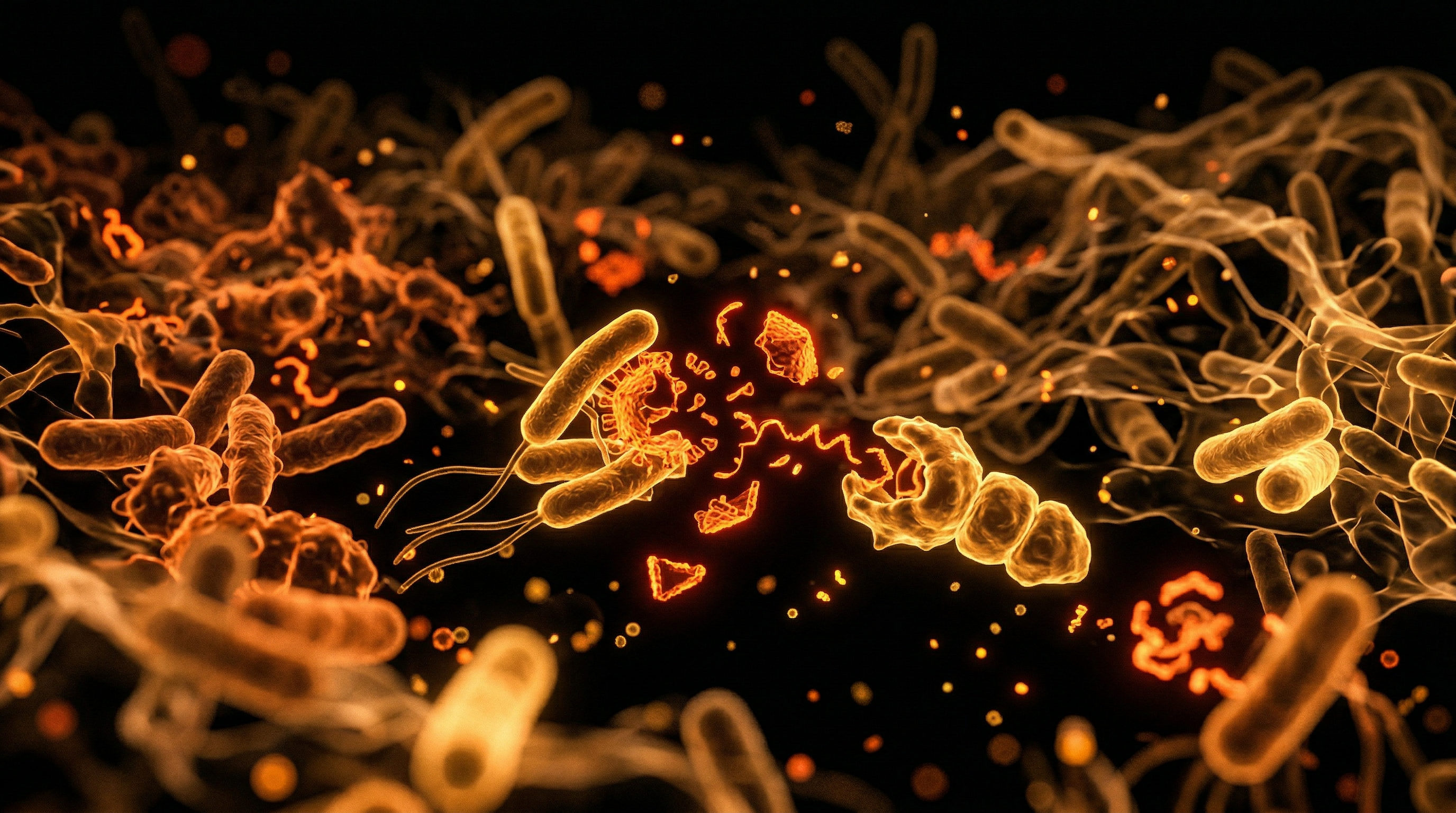
Why Chronic Bloating May Be a Sign of Small Intestinal Bacterial Overgrowth (SIBO)
SIBO represents a disruption in the delicate balance of the digestive tract where bacteria migrate into the small intestine. Understanding the migrating motor complex is essential for resolving the root cause of this persistent condition.

# Why Chronic Bloating May Be a Sign of Small Intestinal Bacterial Overgrowth (SIBO)
Overview
In the modern landscape of chronic illness, few symptoms are as ubiquitously dismissed yet as profoundly debilitating as chronic abdominal bloating. Often relegated by mainstream medicine to the nebulous and unhelpful category of "Irritable Bowel Syndrome" (IBS), persistent distension of the abdomen is rarely a primary pathology. Instead, it is a biological alarm bell—a visible sign of a deep systemic failure in the topographical distribution of the human microbiome. At INNERSTANDING, we recognise that the digestive tract is not merely a tube for processing nutrients, but a sophisticated, bio-electrically controlled ecosystem. When this ecosystem fails, the result is often Small Intestinal Bacterial Overgrowth (SIBO).
SIBO is defined as the presence of excessive bacteria in the small intestine, a region of the gut that should, under healthy physiological conditions, remain relatively sterile compared to the densely populated large intestine (colon). While the colon is home to trillions of microbes that perform essential fermentative tasks, the small intestine is the primary site for nutrient absorption. When the barrier between these two compartments breaks down—or when the "cleansing waves" of the gut stall—bacteria migrate upwards or proliferate in situ. These bacteria then hijack the digestive process, fermenting carbohydrates prematurely and releasing gases that create the "pregnant look" or the painful, rock-hard bloating reported by millions.
The tragedy of the current medical narrative is the failure to address why these bacteria are there. SIBO is not a "stomach bug" to be cured with a simple course of standard antibiotics and then forgotten. It is a functional motility disorder and a sign of "stealth" microbial encroachment. To truly resolve the condition, one must understand the intricate dance of the Migrating Motor Complex (MMC), the integrity of the ileocecal valve, and the biological disruptors in our environment that paralyse our internal defences. This article serves as an exhaustive investigation into the cellular mechanisms, environmental triggers, and the suppressed biological truths of SIBO.
##
The Biology — How It Works
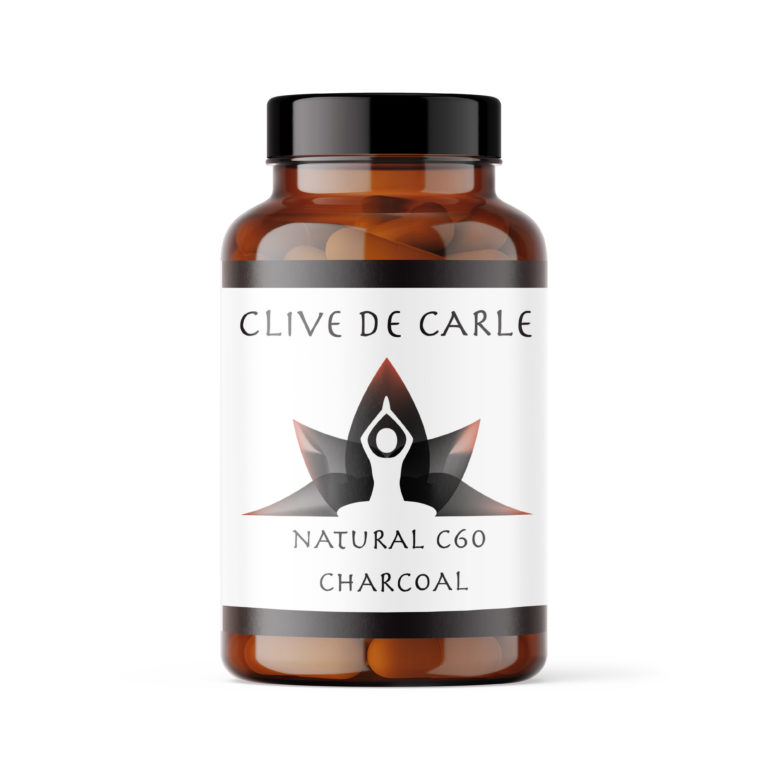
C60 Charcoal – Supports Healthy Digestion and Detoxification.
Support healthy digestion and ease bloating with a natural hardwood charcoal rich in C60 fullerenes. This non-nano formula assists in removing toxins and strengthening your immune response for a more comfortable, balanced gut.
Vetting Notes
Pending
To understand SIBO, one must first appreciate the distinct biological "zoning" of the human gastrointestinal tract. The stomach and small intestine are designed for high acidity and rapid transit to facilitate the enzymatic breakdown of proteins, fats, and carbohydrates. The large intestine is designed for slow fermentation.
The Topographical Error
In a healthy individual, the small intestine contains fewer than $10^3$ organisms per millilitre of fluid. In contrast, the colon contains upwards of $10^{11}$ or $10^{12}$ organisms per millilitre. SIBO represents a catastrophic failure of this gradient. When the small intestine becomes colonised by species such as *Escherichia coli*, *Klebsiella*, or *Proteus*, the biological environment shifts from an absorptive state to a fermentative state.
The Migrating Motor Complex (MMC): The Gut’s Housekeeper
The primary biological defence against SIBO is not the immune system, but physics. The Migrating Motor Complex (MMC) is a distinct pattern of electromechanical activity observed in gastrointestinal smooth muscle during the periods between meals (the interdigestive state). Often confused with peristalsis (which occurs during eating), the MMC acts as a "housekeeping wave" that sweeps undigested food particles and excess bacteria out of the small intestine and into the colon.
Biological Fact: The MMC occurs in four distinct phases, with Phase III being the most critical. During Phase III, intense electrical bursts trigger powerful contractions that effectively "pressure-wash" the small intestinal lining every 90 to 120 minutes.
If the MMC is damaged or suppressed—whether by stress, lack of fasting between meals, or post-infectious autoimmunity—the small intestine becomes a stagnant pond. Stagnancy in any biological system leads to overgrowth and decay. This is the fundamental root of SIBO: a stalled engine.
The Role of the Ileocecal Valve
The ileocecal valve (ICV) is the physical sphincter that separates the terminal ileum (end of the small intestine) from the cecum (beginning of the large intestine). It is a one-way valve designed to prevent the backflow of colonic contents. Chronic inflammation, dietary stressors, or neurological dysfunction can cause this valve to become "stuck open" (incompetent) or "stuck closed" (spastic). An incompetent ICV allows the dense microbial population of the colon to migrate "upstream" into the small intestine, leading to rapid colonisation and the subsequent fermentation of nutrients intended for the host.
##
Mechanisms at the Cellular Level
The bloating associated with SIBO is not merely a feeling of fullness; it is the physical manifestation of atmospheric pressure being generated inside the lumen of the small intestine. This pressure is the result of microbial metabolism.
Hydrogen, Methane, and Hydrogen Sulfide
Different bacterial species produce different gases as metabolic by-products, leading to distinct clinical presentations:
- —Hydrogen ($H_2$): Produced primarily by *Ruminococcus* and *Christensenella* species. Hydrogen SIBO is typically associated with rapid transit and diarrhoea.
- —Methane ($CH_4$): Technically produced by archaea (single-celled organisms distinct from bacteria), specifically *Methanobrevibacter smithii*. Methane acts as a paralytic agent in the gut, slowing transit time and leading to severe, stubborn constipation and "all-day" bloating.
- —Hydrogen Sulfide ($H_2S$): Produced by sulfate-reducing bacteria like *Desulfovibrio*. This is often the most toxic form, causing "rotten egg" gas, systemic inflammation, and potential damage to the mitochondrial DNA of the intestinal cells.
The Destruction of the Brush Border
At the cellular level, the overgrowth of bacteria causes direct damage to the brush border—the microvilli-covered surface of the small intestine where final digestion occurs. Bacteria produce enzymes that deconjugate bile acids, interfering with fat absorption and leading to deficiencies in fat-soluble vitamins (A, D, E, K).
Furthermore, these bacteria produce proteases that degrade the host's own digestive enzymes, such as lactase, sucrase, and maltase. This creates a vicious cycle: the host cannot break down sugars, leaving more "fuel" for the bacteria to ferment, which in turn produces more gas and further damages the brush border.
Lipopolysaccharides (LPS) and Endotoxemia
When the small intestinal wall is chronically irritated by bacterial overgrowth, the "tight junctions" between epithelial cells begin to fail—a condition known as intestinal permeability or "leaky gut." This allows Lipopolysaccharides (LPS)—highly inflammatory components of the cell walls of Gram-negative bacteria—to enter the bloodstream.
Alarming Statistic: Research indicates that systemic endotoxemia (LPS in the blood) can trigger a 300% increase in pro-inflammatory cytokines, leading to "brain fog," chronic fatigue, and joint pain—symptoms that mainstream doctors often fail to connect to the gut.
##
Environmental Threats and Biological Disruptors
The sudden explosion of SIBO cases in the UK and globally is not an evolutionary fluke. It is the direct result of an environment that is increasingly hostile to human gut motility and microbial balance.
The Glyphosate Factor
Glyphosate, the most widely used herbicide in the UK (monitored by the Environment Agency), is a potent mineral chelator and a patented antibiotic. While the Food Standards Agency (FSA) maintains that residue levels in food are "safe," they overlook the Shikimate pathway. Though humans do not have this pathway, our gut bacteria do. Glyphosate preferentially kills beneficial bacteria while allowing pathogenic, SIBO-linked species like *Clostridia* and *Salmonella* to thrive. Furthermore, glyphosate has been shown to disrupt the tight junctions of the gut lining directly, facilitating the "stealth" migration of pathogens.
The Overuse of Proton Pump Inhibitors (PPIs)
In the UK, PPIs like Omeprazole are among the most frequently prescribed medications. By suppressing stomach acid (hydrochlorid acid), these drugs remove the first line of defence against ingested bacteria. Low stomach acid (hypochlorhydria) ensures that bacteria entering through food or saliva survive the journey to the small intestine, where they can then colonise the nutrient-rich environment.
Chlorinated Water and Microplastics
The UK’s municipal water supply is treated with chlorine and chloramines to kill pathogens. While necessary for public health, these agents do not stop being antimicrobial once ingested. Constant exposure to low-dose chlorine can alter the delicate microbial balance of the upper GI tract. Similarly, the ingestion of microplastics—now found in the majority of UK tap water—provides a "scaffolding" or "biofilm" carrier for pathogenic bacteria to settle in the small intestine.
##
The Cascade: From Exposure to Disease
The journey from a healthy gut to a SIBO-ridden system usually follows a specific, predictable biological cascade. Understanding this sequence is vital for "undoing" the damage.
1. The Trigger: Post-Infectious Autoimmunity
For many, the cascade begins with a simple bout of food poisoning (gastroenteritis). Pathogens like *Campylobacter*, *Salmonella*, or *Shigella* release a toxin known as Cytolethal Distending Toxin B (CdtB). The human body produces antibodies to fight CdtB, but due to a phenomenon called molecular mimicry, these antibodies also attack a protein called Vinculin.
2. The Neurological Hit
Vinculin is a critical component of the interstitial cells of Cajal—the "pacemaker" cells of the gut. When the immune system attacks Vinculin, the pacemakers are damaged, and the MMC (the housekeeping wave) stalls. This is the moment the "engine" of the gut breaks down.
3. The Fermentation Factory
With the MMC stalled, food sits in the small intestine longer than it should. The bacteria normally residing in the colon sense the lack of "cleansing waves" and begin to migrate upwards. They find a feast of undigested carbohydrates and fibres. As they eat, they release $H_2$, $CH_4$, or $H_2S$.
4. The Distension
The gas accumulates. Because the small intestine is a long, narrow tube (unlike the wider colon), gas has nowhere to go. It distends the abdominal wall, causing the classic "SIBO bloat." This pressure also pushes upwards against the diaphragm (causing shortness of breath or palpitations) and downwards against the pelvic floor.
5. The Systemic Fallout
As the bacteria continue to proliferate, they damage the villi. Malabsorption sets in. Iron, B12, and magnesium levels drop. The "leaky gut" allows LPS into the blood, triggering the HPA axis (the stress response), which further suppresses the MMC. The patient is now trapped in a self-perpetuating cycle of gut dysfunction and systemic inflammation.
##
What the Mainstream Narrative Omits
The conventional medical approach to bloating is often a masterclass in reductionism. Patients are typically told to "eat more fibre" or are prescribed antispasmodics. Both of these interventions can be disastrous for a SIBO patient.
The "Fibre" Myth
While fibre is generally healthy for the colon, in the context of SIBO, it is fuel for the fire. If you have an overgrowth of bacteria in the small intestine, "high-fibre" diets provide a surplus of substrate for fermentation. This leads to more gas, more pain, and more damage. The mainstream narrative that "everyone needs 30g of fibre" ignores the topographical reality of SIBO.
The IBS Wastebasket
The term "IBS" is not a diagnosis; it is a description of symptoms.
Truth Exposed: Clinical studies suggest that between 60% and 80% of IBS cases are actually SIBO. By labelling a patient with "IBS," the medical establishment effectively stops looking for the underlying cause, leaving the patient to manage symptoms with "lifestyle changes" while the bacterial overgrowth continues to erode their health.
The PPI Trap
As mentioned, the standard response to the "acid reflux" that often accompanies SIBO (due to gas pressure pushing the stomach contents upwards) is to prescribe PPIs. This is perhaps the most egregious error in the mainstream playbook. PPIs lower the protective acid barrier, making SIBO worse, leading to more gas, more reflux, and more prescriptions. It is a pharmaceutical "loop" that prioritises symptom suppression over biological resolution.
##
The UK Context
In the United Kingdom, the challenge of SIBO is compounded by specific institutional and cultural factors. The National Health Service (NHS) is the backbone of British healthcare, yet its protocols for SIBO are significantly lagging behind current biological research.
The NHS Postcode Lottery
Access to Lactulose Breath Testing—the gold standard for non-invasive SIBO diagnosis—is highly inconsistent across the UK. Many Clinical Commissioning Groups (CCGs) do not fund the test, forcing patients to seek private functional medicine practitioners. Consequently, thousands of Britons remain undiagnosed, suffering from "unexplained" bloating for decades.
The British Diet and "Ultra-Processed" Culture
The UK consumes more Ultra-Processed Foods (UPFs) than any other country in Europe. These foods are high in emulsifiers (like carboxymethylcellulose and polysorbate 80) which have been shown to "thin" the protective mucus layer of the gut. A thin mucus layer makes it significantly easier for bacteria to adhere to the small intestinal wall and colonise it. Furthermore, the high sugar content in the "British tea and biscuit" culture provides the rapid-fermentation fuel that SIBO-associated bacteria crave.
The Regulatory Gap
The MHRA (Medicines and Healthcare products Regulatory Agency) regulates drugs, but there is a significant gap in the regulation of how environmental toxins like pesticides and plasticisers interact with the human microbiome. While the UK has stricter standards than the US in some areas, the "cocktail effect"—where multiple low-level toxins work synergistically to damage gut motility—remains largely ignored by UK regulatory bodies.
##
Protective Measures and Recovery Protocols
Recovering from SIBO requires more than just "killing" bacteria. It requires a restoration of the gut's biological rhythm. A comprehensive protocol must be phased and precise.
Phase 1: The "Kill" Phase (Selective Antimicrobials)
Rather than broad-spectrum antibiotics that decimate the entire microbiome, targeted botanical antimicrobials have been shown in studies (such as those by Johns Hopkins) to be as effective as pharmaceutical options with fewer side effects.
- —Allicin (from Garlic): Specific for Methane-producing archaea.
- —Berberine: High-potency alkaloid that targets Hydrogen-producing bacteria and helps restore insulin sensitivity.
- —Oil of Oregano: A powerful biofilm disruptor that "breaks" the protective shield bacteria build around themselves.
- —Neomycin or Rifaximin: In severe cases, these site-specific antibiotics (which stay in the gut and are not absorbed systemically) may be used under clinical supervision.
Phase 2: The "Clear" Phase (Prokinetics)
This is the most critical and most often skipped step. Once the bacteria are reduced, you must restart the MMC "engine" to prevent relapse.
- —Ginger and Artichoke Extract: Natural prokinetics that stimulate Phase III of the MMC.
- —Low-dose Erythromycin or Prucalopride: Pharmaceutical options that act on motilin receptors to force contractions.
- —Vagus Nerve Stimulation: Exercises such as gargling, singing, or cold-water exposure to stimulate the parasympathetic nervous system, which governs digestion.
Phase 3: The "Rebuild" Phase (Topographical Restoration)
Only after the overgrowth is cleared and motility is restored should one focus on "repopulating" the gut.
- —Spore-Based Probiotics: Unlike standard *Lactobacillus* (which can sometimes aggravate SIBO), soil-based organisms (like *Bacillus coagulans*) are better at "policing" the small intestine without colonising it.
- —The Bi-Phasic or Low FODMAP Diet: Temporary reduction of fermentable carbohydrates (Fermentable Oligosaccharides, Disaccharides, Monosaccharides, and Polyols) to starve the remaining overgrowth.
- —Intermittent Fasting: Ensuring at least 4-5 hours between meals to allow the MMC to complete its 90-minute cycle.
Environmental Shielding
- —Water Filtration: Using a high-quality filter (Reverse Osmosis or Berkey) to remove chlorine and fluoride.
- —Organic Sourcing: Prioritising organic grains and produce to avoid glyphosate residue, as monitored by the Soil Association.
- —Mindful Eating: Avoiding the "grazing" culture. Every time you snack, you shut down the MMC, stopping the "housekeeping wave" and inviting bacterial migration.
##
Summary: Key Takeaways
The epidemic of chronic bloating in the UK is a signal of a deeper biological crisis. To address SIBO is to address the very foundations of how our bodies interact with the modern world.
- —SIBO is a Motility Issue, Not Just a Bacterial Issue: The overgrowth is a symptom of a stalled Migrating Motor Complex (MMC).
- —The "IBS" Label is Obsolete: True resolution requires identifying the type of gas produced ($H_2$, $CH_4$, or $H_2S$) through breath testing.
- —Atmospheric Pressure is the Cause of Bloating: The "pregnant" look is the physical result of bacterial fermentation gases distending the small intestine.
- —Modern Disruptors are Everywhere: Glyphosate, PPIs, and chronic snacking are the primary drivers of the current SIBO surge.
- —Autoimmunity is a Hidden Trigger: Post-infectious antibodies against Vinculin can permanently damage the gut's internal "pacemaker."
- —Recovery Requires a Three-Pronged Approach: You must kill the overgrowth, restart the motility engine, and protect the gut from environmental toxins.
At INNERSTANDING, we believe that health is not the absence of symptoms, but the presence of biological order. SIBO is an "order" problem. By understanding the cellular mechanisms and the environmental threats at play, we can move beyond the "bloated" existence of the modern patient and restore the elegant, rhythmic function of the human digestive system. The truth is available; the next step is yours to take.
This article is provided for informational and educational purposes only. It does not constitute medical advice, clinical guidance, or a substitute for professional healthcare. Information reflects cited research at time of publication. Always consult a qualified healthcare professional before acting on any health information.
RESEARCH FOUNDATIONS
Biological Credibility Archive
Small intestinal bacterial overgrowth is a common cause of gas-related symptoms like bloating, caused by the fermentation of nutrients by an overgrown microbial population.
A high prevalence of SIBO has been observed in patients presenting with irritable bowel syndrome, directly correlating bacterial overgrowth with symptoms of abdominal distension.
North American consensus guidelines highlight that abnormal hydrogen and methane production in the small intestine is a primary driver of functional bloating and altered bowel habits.
Deficiency in the migrating motor complex allows for the stasis of bacteria in the small intestine, facilitating the development of SIBO and subsequent chronic bloating.
SIBO-related bloating is exacerbated by the production of hydrogen and methane gases, which cause significant luminal distension and visceral hypersensitivity.
Citations provided for educational reference. Verify via PubMed or institutional databases.
Medical Disclaimer
The information in this article is for educational purposes only and does not constitute medical advice, diagnosis, or treatment. Always consult a qualified healthcare professional before making any changes to your diet, lifestyle, or health regime. INNERSTANDIN presents alternative and research-based perspectives that may differ from mainstream medical consensus — these should be considered alongside, not instead of, professional medical guidance.
Read Full DisclaimerReady to learn more?
Continue your journey through our classified biological research.
DISCUSSION ROOM
Members of THE COLLECTIVE discussing "Why Chronic Bloating May Be a Sign of Small Intestinal Bacterial Overgrowth (SIBO)"
SILENT CHANNEL
Be the first to discuss this article. Your insight could help others understand these biological concepts deeper.
THE ARSENAL
Based on Chronic Infections & Stealth Pathogens — products curated by our research team for educational relevance and biological support.
C60 Charcoal – Supports Healthy Digestion and Detoxification.
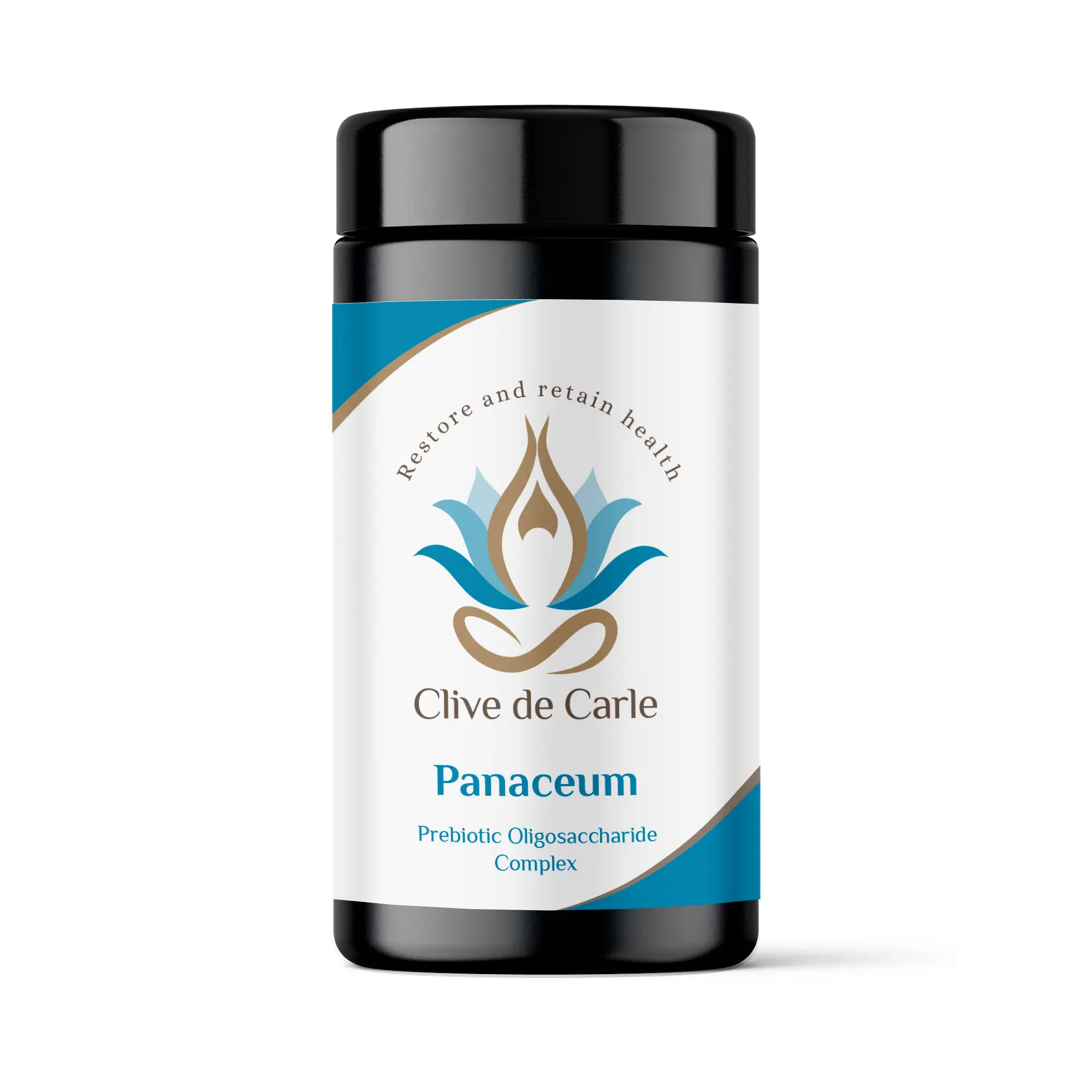
Panaceum – Prebiotic Oligosaccharide Complex
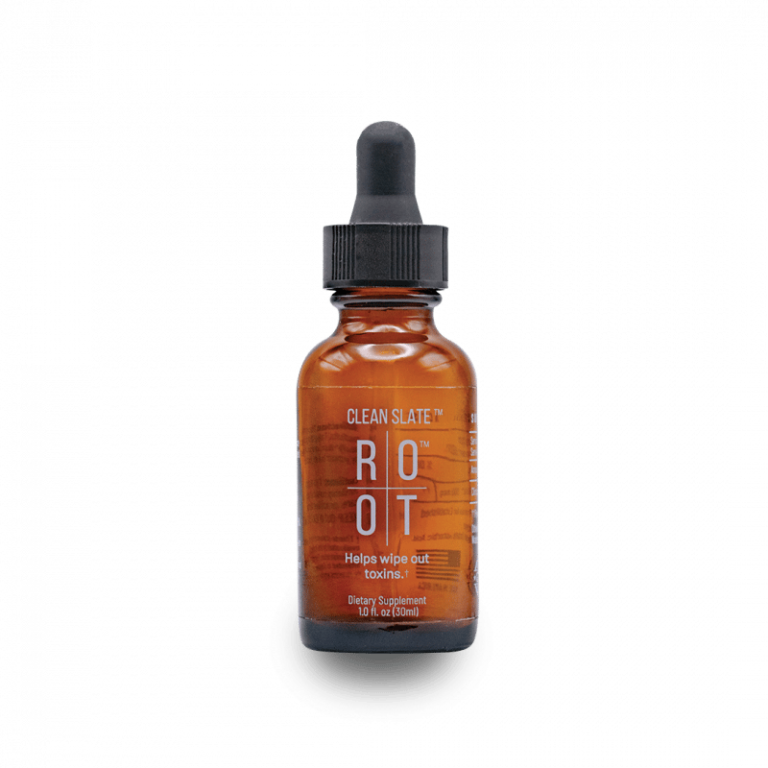
Clean Slate – Detoxes thousands of chemicals,heavy metals, pesticides, allergens, mold spores and fungus
INNERSTANDING may earn a commission on purchases made through these links. All products are selected based on rigorous educational relevance to our biological research.
RABBIT HOLE
Follow the biological thread deeper