
Gut Dysbiosis: The Role of the Microbiome in Clearing Viral Residue
Updated May 2026
Explaining the vital link between intestinal health and the body's ability to process foreign proteins. We discuss how restoring microbiome diversity is essential for overcoming post-viral syndromes.
Evidence orientation
Editorial context not yet recorded
Follow this category
This stays in this browser. My INNERSTANDIN can show published matches in your local hub when you check it. It does not send email, push, or alert notifications.
Local learning review
A private browser aid for revisiting ideas. It is not an alert or a health recommendation.
Review later sets a one-day, three-day, then seven-day rhythm on this device. Choose it only when you want to revisit this article.
Overview
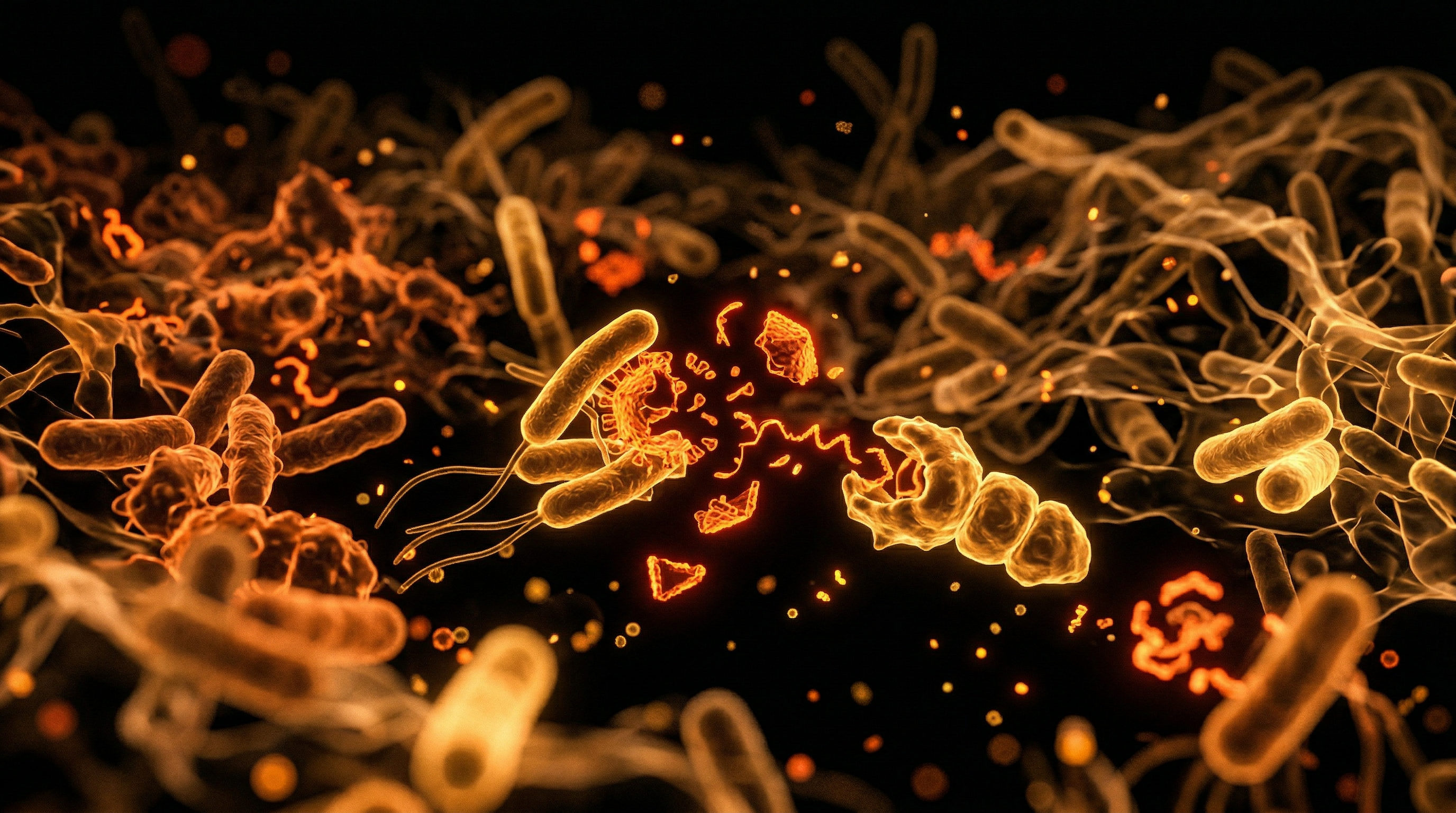
In the wake of the global health events that have unfolded over the last few years, a silent crisis has emerged within the very fabric of our biology. We are witnessing an unprecedented rise in post-viral syndromes, chronic fatigue, and unexplained systemic inflammation. While mainstream clinical discourse remains fixated on superficial symptom management, the biological reality lies deeper—specifically, within the approximately 100 trillion microorganisms inhabiting the human gastrointestinal tract.
The human microbiome is not merely a collection of passive passengers; it is a sophisticated, extra-genomic organ that dictates the functionality of the immune system. Current research now confirms that the gut is the primary theatre for the clearance of viral residue, specifically the persistent Spike Protein and associated viral fragments. When the delicate balance of this ecosystem is disrupted—a state known as Gut Dysbiosis—the body loses its ability to degrade and expel these foreign proteins.
This article explores the critical nexus between intestinal health and the resolution of post-viral pathology. We will examine how a compromised microbiome acts as a reservoir for viral persistence, and why restoring microbial diversity is the only viable path to true biological recovery in an era of engineered pathogens and pharmaceutical overreach.
The Biology — How It Works
To understand why the gut is central to clearing viral residue, one must first appreciate the scale of its immunological responsibility. Approximately 70-80% of the human immune system resides in the Gut-Associated Lymphoid Tissue (GALT). This system is designed to distinguish between beneficial nutrients and hazardous pathogens.
The microbiome functions as a biological filter. A healthy gut flora produces a myriad of secondary metabolites, most notably Short-Chain Fatty Acids (SCFAs) such as butyrate, propionate, and acetate. These molecules are not merely waste products of bacterial fermentation; they are potent signalling molecules that regulate the systemic inflammatory response.
The Barrier Function
The intestinal lining is a single layer of epithelial cells held together by tight junctions. In a state of homeostasis, this barrier is selective, allowing nutrients to enter the bloodstream while keeping toxins and undigested proteins out. When the microbiome is diverse, certain species—such as Akkermansia muciniphila—stimulate the production of a thick mucus layer that protects this barrier.
The Viral Reservoir Effect
Recent studies have identified that viral fragments, particularly the SARS-CoV-2 spike protein, can persist in the gut for months, if not years, following initial exposure or inoculation. If the microbiome is depleted of specific proteolytic (protein-breaking) bacteria, these residues remain trapped within the mucosal lining. This creates a state of chronic immune activation, where the body is essentially fighting a 'ghost' infection that it cannot successfully clear.
Fact: The gut microbiome contains over 150 times more genes than the human genome, providing a massive array of enzymes capable of metabolising complex foreign proteins that the human body cannot process alone.
Mechanisms at the Cellular Level
At the cellular level, the interaction between the microbiome and viral residue involves complex biochemical pathways, primarily focused on the ACE2 receptor and the proteasome system.
ACE2 Regulation and Internalisation
The Angiotensin-Converting Enzyme 2 (ACE2) receptor is the primary entry point for the spike protein. While these receptors are found in the lungs, they are expressed at much higher levels in the small intestine (enterocytes). A healthy microbiome regulates the expression of ACE2. When dysbiosis occurs, ACE2 expression can become dysregulated, leading to an increased 'sink' for viral proteins to bind and accumulate within the intestinal wall.
Proteolytic Degradation
Certain beneficial bacteria, including specific strains of Bacillus and Lactobacillus, secrete proteases—enzymes that break down proteins. These bacterial enzymes work in tandem with the body's own autophagy processes to dismantle the spike protein into harmless amino acids. Without these microbial allies, the spike protein remains structurally intact, continuing to trigger Toll-like Receptor 4 (TLR4), which maintains a state of perpetual pro-inflammatory cytokine production.
The Role of Bifidobacterium
Bifidobacterium species are perhaps the most critical players in viral clearance. They are known to enhance the activity of Natural Killer (NK) cells and Cytotoxic T-lymphocytes, which are the 'special forces' of the immune system tasked with identifying and eliminating cells that are harbouring viral residue. A depletion of Bifidobacterium—a common hallmark of post-viral syndromes—effectively blinds the immune system to the presence of these lingering toxins.
- Autophagy: The cellular process of 'self-eating' where damaged proteins are recycled.
- Cytokines: Signalling proteins that can cause systemic inflammation if not regulated by the gut.
- Endocytosis: The process by which the gut takes in viral fragments, potentially leading to systemic circulation if not degraded.
Environmental Threats and Biological Disruptors
The modern world is increasingly hostile to the delicate balance of the microbiome. We are living in an era of 'biological disruption' where multiple factors converge to induce and maintain gut dysbiosis.
The Impact of Glyphosate
Glyphosate, the most widely used herbicide in the UK and globally, is a significant driver of dysbiosis. It acts via the shikimate pathway, which, while absent in humans, is present in our gut bacteria. Glyphosate preferentially kills beneficial bacteria like Bifidobacterium and Lactobacillus while allowing pathogenic strains like Clostridia to flourish. This 'chemical lobotomy' of the gut leaves the host unable to process viral residue effectively.
Pharmaceutical Overreach
The overuse of broad-spectrum antibiotics has decimated the microbial diversity of the Western population. Furthermore, the introduction of novel mRNA-based technologies has presented the microbiome with a unique challenge: the internal production of the spike protein without the usual mucosal entry signals. This bypasses the first line of defence in the gut, often leading to an overwhelmed GALT.
Water Fluoridation and Chlorine
In many parts of the UK, the water supply is treated with chlorine and fluoride. While intended for public health, these chemicals are antimicrobial by nature. Chronic exposure through drinking water acts as a continuous 'micro-dose' of antibiotics, preventing the re-establishment of a diverse microbiome.
Fact: Research indicates that individuals with low microbial diversity are significantly more likely to suffer from 'Long-COVID' symptoms, suggesting that the microbiome is the primary determinant of recovery.
The Cascade: From Exposure to Disease
When the microbiome fails to clear viral residue, a predictable pathological cascade ensues. This journey from exposure to chronic disease is often ignored by clinicians who focus on organ-specific symptoms rather than systemic root causes.
Phase 1: The Initial Breach
Upon exposure to the virus or the spike protein, the gut should ideally neutralise the threat. If the microbiome is weak, the protein binds to ACE2 receptors in the gut, causing intestinal permeability (Leaky Gut).
Phase 2: Systemic Translocation
Once the intestinal barrier is breached, viral fragments and Lipopolysaccharides (LPS)—toxic components of pathogenic bacterial cell walls—enter the bloodstream. This is known as metabolic endotoxaemia. These fragments can then travel to the heart, brain, and endocrine organs.
Phase 3: The Autoimmune Mimicry
The immune system, in its attempt to destroy these circulating residues, may begin to attack the body's own tissues. This is due to molecular mimicry, where the viral proteins resemble human proteins. The result is a plethora of autoimmune conditions, from myocarditis to Hashimoto’s thyroiditis.
Phase 4: Mitochondrial Dysfunction
Viral residue, particularly the spike protein, has been shown to interfere with mitochondrial function. Since the mitochondria are the 'powerhouses' of the cell, their impairment leads to the profound exhaustion and 'brain fog' characteristic of post-viral syndromes. The gut microbiome communicates directly with the mitochondria (the gut-mitochondria axis); thus, dysbiosis directly translates to cellular energy failure.
What the Mainstream Narrative Omits
The mainstream medical establishment, largely funded by pharmaceutical interests, has a vested interest in ignoring the role of the microbiome in viral clearance. To acknowledge that a healthy gut can degrade the spike protein is to acknowledge that expensive, patentable drugs and perpetual boosters may not be the only—or even the best—solution.
The Suppression of Natural Proteolytic Enzymes
There is significant evidence that certain naturally occurring enzymes, such as Nattokinase (from fermented soy) and Bromelain (from pineapple), can degrade the spike protein in vitro. However, these are classified as 'supplements' and are rarely discussed in clinical settings, despite their high safety profile and mechanistic plausibility.
The Ignored Mucosal Immunity
Mainstream discourse focuses almost exclusively on Systemic IgG antibodies (those in the blood). However, the most important antibodies for viral clearance are Secretory IgA (SIgA), which are produced in the gut. SIgA is the 'border patrol' that prevents viral residue from ever entering the bloodstream. A healthy microbiome is the primary driver of SIgA production. By ignoring the gut, the mainstream narrative ignores the body's most potent defence mechanism.
The 'Vaccine-Only' Fallacy
The narrative that immunity can only be achieved through repeated vaccination ignores the concept of Natural Biological Resilience. By focusing on a single protein (the spike) and bypassing the gut's natural processing, the current approach may actually be contributing to 'immune exhaustion' and further dysbiosis, creating a cycle of dependency on pharmaceutical intervention.
The UK Context
In the United Kingdom, the state of the national microbiome is particularly concerning. Several factors unique to the UK landscape contribute to the high prevalence of post-viral syndromes.
The British Diet and Soil Depletion
The standard British diet is heavily reliant on Ultra-Processed Foods (UPFs). The UK consumes more UPFs than any other country in Europe. These foods are devoid of the fermentable fibres required to sustain Bifidobacterium. Furthermore, intensive farming practices in the UK have led to severe soil depletion. Our vegetables now contain significantly fewer minerals (like zinc and selenium) and fewer beneficial soil-based organisms (SBOs) than they did 50 years ago.
The NHS Stalemate
The National Health Service (NHS) is currently ill-equipped to handle the microbiome revolution. GPs are often restricted to protocols that do not include comprehensive microbiome testing or nutritional therapy. Patients with post-viral syndromes are frequently told their blood tests are 'normal' because the standard tests do not look for viral persistence in the gut or markers of dysbiosis.
Regulatory Hurdles
In the UK, the Medicines and Healthcare products Regulatory Agency (MHRA) maintains strict controls over the health claims that can be made about probiotics and natural enzymes. This makes it difficult for practitioners to educate the public on the necessity of these tools for clearing viral residues without facing regulatory backlash.
- Statistic: The UK has one of the highest rates of Inflammatory Bowel Disease (IBD) in the world, a clear indicator of a national microbiome in crisis.
- Fact: Only a small fraction of UK medical schools offer dedicated modules on nutrition and the microbiome, leaving a generation of doctors in the dark.
Protective Measures and Recovery Protocols
Recovery from post-viral syndromes and the clearance of viral residue requires a multi-faceted approach focused on restoring the microbiome and enhancing the body's natural degradative pathways.
1. Microbial Re-colonisation
The goal is to restore diversity. This should involve:
- Spore-Based Probiotics: Strains like Bacillus coagulans and Bacillus subtilis are resilient enough to survive stomach acid and help 'recondition' the gut environment.
- Targeted Bifidogenic Prebiotics: Using fibres like Human Milk Oligosaccharides (HMOs) or Partial Hydrolysed Guar Gum (PHGG) to specifically feed beneficial Bifidobacterium.
- Fermented Foods: Incorporating unpasteurised sauerkraut, kefir, and kimchi provides a living source of diverse bacteria and natural enzymes.
2. Enzymatic Degradation
To assist the body in breaking down persistent spike proteins, specific enzymes can be utilised:
- Nattokinase: 2000-4000 FU (Fibrinolytic Units) daily on an empty stomach.
- Bromelain: Known for its ability to disrupt the structure of the spike protein.
- Serrapeptase: Helps in clearing inflammatory debris and 'fibrin' clots often associated with viral residue.
3. Promoting Autophagy
Autophagy is the body's internal 'clean-up' mechanism. It can be triggered by:
- Intermittent Fasting: Restricting the eating window to 6-8 hours a day.
- Polyphenols: Compounds like Quercetin, Resveratrol, and Curcumin stimulate autophagic pathways and stabilise mast cells in the gut.
4. Eliminating Disruptors
- Filtered Water: Using a high-quality filter to remove chlorine and fluoride.
- Organic Sourcing: Reducing glyphosate exposure by choosing organic grains and produce where possible.
- Judicious Use of Medications: Avoiding unnecessary antibiotics and PPIs (Proton Pump Inhibitors), which are known to cause profound dysbiosis.
5. Supporting the Mucosal Barrier
- L-Glutamine: An amino acid that provides the primary fuel for enterocytes to repair the gut lining.
- Zinc Carnosine: Specifically effective at healing the gastric and intestinal mucosa.
Important Note: Any recovery protocol should be undertaken under the guidance of a qualified functional medicine practitioner, especially when dealing with complex post-viral pathologies.
Summary: Key Takeaways
The path to overcoming the current health crisis does not lie in more of the same failed strategies. It lies in a return to fundamental biological principles.
- The Gut is the Ground Zero of Immunity: Without a functioning microbiome, the body cannot clear viral residue or spike proteins, leading to chronic systemic inflammation.
- Dysbiosis is a Silent Driver: Factors like glyphosate, processed foods, and pharmaceutical interventions have weakened our microbial defences, making us susceptible to post-viral syndromes.
- Viral Persistence is Real: Fragments of engineered proteins can remain in the gut for extended periods, acting as a source of ongoing immune provocation.
- Diversity Equals Resilience: Restoring a wide array of bacterial species is the only way to re-establish the proteolytic environment necessary for protein degradation.
- Empowerment Through Knowledge: By understanding the Gut-Lung-Brain axis, individuals can take proactive steps—through diet, fasting, and targeted supplementation—to reclaim their health from the narrative of perpetual illness.
We are not victims of our environment, but of our lack of understanding of the complex ecosystem within us. To heal the body, we must first heal the gut. The science of the microbiome provides the bridge from chronic disease back to vital health, if only we are willing to listen to what the biology is telling us.
This article is provided for informational and educational purposes only. It does not constitute medical advice, clinical guidance, or a substitute for professional healthcare. Information reflects cited research at time of publication. Always consult a qualified healthcare professional before acting on any health information.
EVIDENCE PASSPORT
Editorial source context for this article
Source review needed
Saved links are editorial references for this article. They may support specific claims rather than every sentence. Open and assess each source in context. This passport does not independently verify them.
Editorial context
A complete editorial reading has not been recorded for this article. Source links remain available for you to open and assess directly.
Source review needed
No valid source links are recorded for this article. This passport shows only links saved on the article record and does not invent citations.
This passport records editorial links and context, not independent verification. Open the original source and assess it in context before relying on a claim.
Medical Disclaimer
The information in this article is for educational purposes only and does not constitute medical advice, diagnosis, or treatment. Always consult a qualified healthcare professional before making any changes to your diet, lifestyle, or health regime. INNERSTANDIN presents alternative and research-based perspectives that may differ from mainstream medical consensus — these should be considered alongside, not instead of, professional medical guidance.
Read Full DisclaimerContinue the thread
Keep this question moving.
Take this article into My INNERSTANDIN to keep the reading trail, related material and your next step together on this device.
Explore this in the Body Map
See where this hits your biology. Interactive anatomy, threats, and protective protocols.
Dig deeper in the Library
Free, longform PDF volumes that go beyond headlines into mechanisms and references.