The Cecal-Appendicular Biofilm Niche: Molecular Mechanisms of Commensal Bacterial Sequestration
An in-depth exploration of the human appendix as a specialised immunological reservoir, detailing how molecular scaffolding and secretory IgA facilitate the sequestration of beneficial commensal biofilms to protect against gastrointestinal dysbiosis.
# The Cecal-Appendicular Biofilm Niche: Molecular Mechanisms of Commensal Bacterial Sequestration
For decades, the human vermiform appendix was dismissed as a vestigial remnant of our evolutionary past—a redundant 'dead-end' tube with no purpose other than to occasionally become inflamed and require surgical removal. However, modern mucosal immunology and microbial ecology have fundamentally overturned this Darwinian perspective. Research now identifies the appendix as a highly specialised immunological 'safe house,' designed to preserve a curated library of commensal bacteria. This article examines the molecular mechanisms through which the appendix sequesters these microbes within a biofilm niche, ensuring the long-term stability of the human microbiome.
The 'Safe House' Hypothesis: An Evolutionary Advantage
The 'Safe House' theory, pioneered by researchers at Duke University in 2007, suggests that the appendix serves as a reservoir for beneficial bacteria. In the event of severe gastrointestinal infection resulting in diarrhoeal clearance of the colon, the appendix remains a protected sanctuary. Due to its narrow, blind-ended anatomy and its location just off the main flow of the cecum, it is shielded from the 'flush out' effect of pathogenic purging. Following an infection, the sequestered commensals emerge from the appendix to re-seed and recolonise the large intestine, restoring metabolic and immunological homeostasis.
The Molecular Architecture of the Appendicular Biofilm
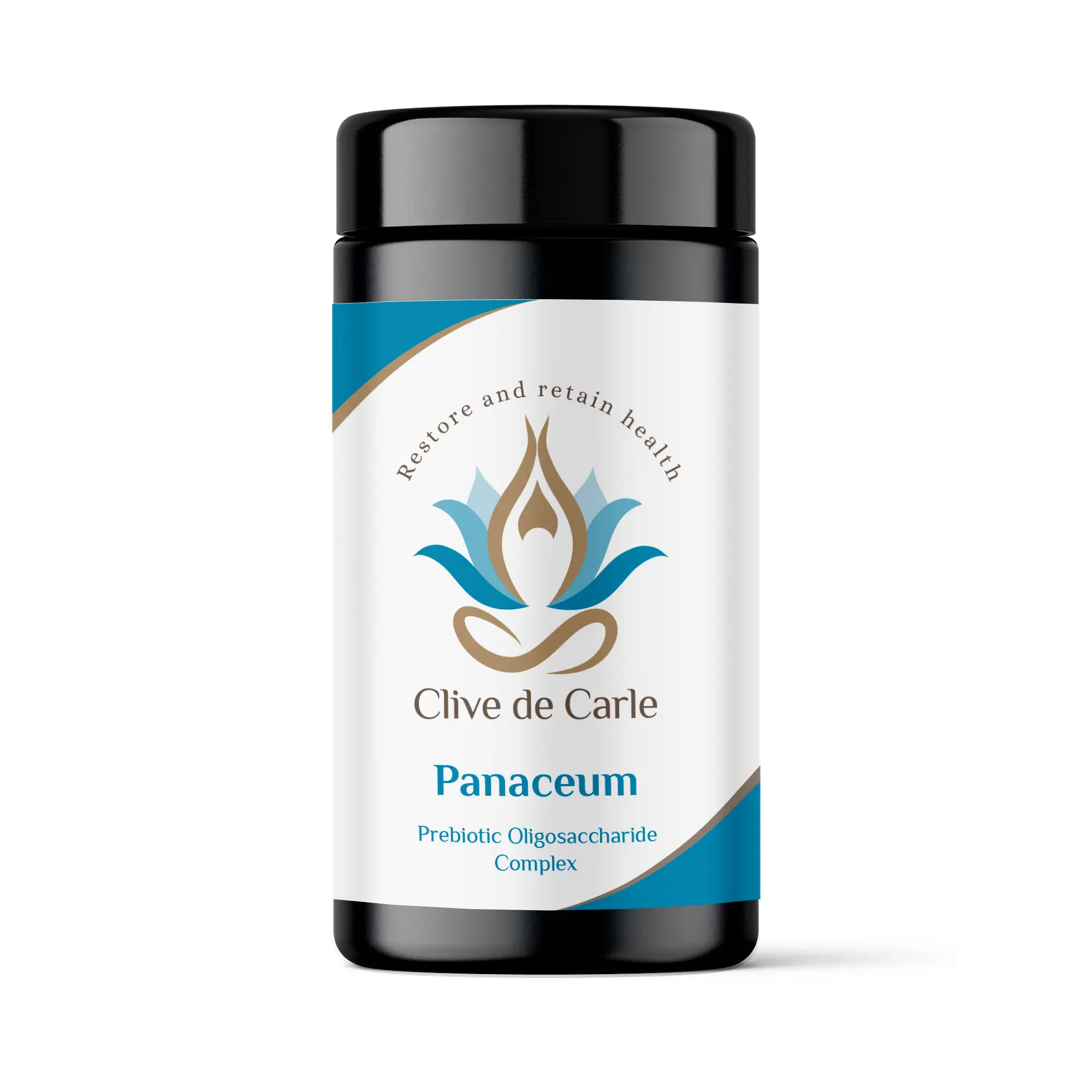
Panaceum – Prebiotic Oligosaccharide Complex
Panaceum is a specialist eight-oligosaccharide blend designed to restore the microbial diversity missing from the modern Western diet. By providing the complex fibres our ancestors once consumed, it feeds and sustains a resilient gut microbiome for long-term health.
Vetting Notes
Pending
Unlike the transient microbes in the colonic lumen, the bacteria within the appendix are organised into robust, multi-species biofilms. These are not merely random clusters of cells but highly structured communities embedded in an extracellular polymeric substance (EPS) matrix.
1. MUC2 and the Mucosal Scaffold
The primary structural component of this niche is the mucus layer, dominated by the gel-forming mucin MUC2. In the appendix, the MUC2 layer is significantly more organised and dense than in the distal colon. This glycoprotein scaffold provides both a physical barrier against pathogens and a chemical attachment site for commensals. The O-glycans on MUC2 serve as 'decoy' receptors and nutrient sources, specifically attracting and anchoring beneficial species like *Bacteroides* and *Bifidobacterium*.
2. Secretory IgA: The Immunological Glue
One of the most critical molecular mechanisms for bacterial sequestration is the high concentration of Secretory IgA (sIgA) produced by the Gut-Associated Lymphoid Tissue (GALT) within the appendicular walls. The appendix contains the highest density of lymphoid follicles per square millimetre of the entire gastrointestinal tract.
B-cells in these follicles undergo somatic hypermutation to produce high-affinity sIgA. This antibody does not merely neutralise pathogens; it acts as a 'molecular glue' for commensals. Through a process known as 'immune exclusion' or 'immune tethering,' sIgA binds to specific surface antigens on beneficial bacteria, cross-linking them and anchoring them into the mucus matrix. This prevents them from being swept away by luminal flow and facilitates the formation of a stable biofilm.
Quorum Sensing and Niche Maintenance
The sequestration of bacteria in the appendix is also regulated by microbial signalling. Within the appendicular biofilm, bacteria utilise 'quorum sensing'—the release of autoinducer molecules—to monitor their population density. When a threshold density is reached, the biofilm activates genes related to EPS production and metabolic dormancy. This ensures that the reservoir remains stable and does not overgrow, maintaining a state of 'controlled persistence.'
Furthermore, the physicochemical environment of the appendix supports this sequestration. The low-oxygen (hypoxic) environment within the narrow lumen specifically selects for obligate anaerobes, which are the primary drivers of short-chain fatty acid (SCFA) production and colonic health.
The Consequences of Dysbiosis and Appendectomy
Understanding the appendix as a biofilm reservoir shifts our perspective on root-cause health. When the appendicular niche is compromised—either through chronic antibiotic use, a low-fibre diet that thins the MUC2 layer, or surgical removal—the host loses their primary microbial 'backup drive.'
Epidemiological studies have shown that individuals who have undergone an appendectomy are at a significantly higher risk of recurrent *Clostridioides difficile* infections. Without the appendicular reservoir to re-seed the colon with diverse commensals after antibiotic treatment, *C. diff* is able to dominate the ecological vacuum. Similarly, the loss of this immune-microbial cross-talk has been linked to an increased risk of certain inflammatory bowel diseases (IBD), particularly Crohn’s disease, as the immune system loses its training ground for microbial tolerance.
Root-Cause Support for Appendicular Health
To support the function of this critical immune reservoir, the focus must be on maintaining the integrity of the mucosal biofilm. This involves:
- —High-Fibre Intake: Non-digestible carbohydrates are essential for MUC2 production and provide the fuel for the commensals sequestered within the appendix.
- —Polyphenol Diversity: Plant-based polyphenols modulate the biofilm structure, favouring the growth of beneficial species over opportunistic pathogens.
- —Judicious Antibiotic Use: Unnecessary antibiotic exposure can penetrate the appendicular sanctuary, decimating the very library the body has worked to preserve.
Conclusion
The human appendix is far from a useless organ. It is a masterclass in biological engineering, serving as a molecularly governed safe house for our microscopic allies. By understanding the mechanisms of bacterial sequestration—from sIgA tethering to MUC2 scaffolding—we can better appreciate the organ's role in long-term gut resilience. Protecting this niche is a fundamental aspect of maintaining systemic health and preventing the chronic dysbiosis that defines modern metabolic and autoimmune conditions.
This article is provided for informational and educational purposes only. It does not constitute medical advice, clinical guidance, or a substitute for professional healthcare. Information reflects cited research at time of publication. Always consult a qualified healthcare professional before acting on any health information.
RESEARCH FOUNDATIONS
Biological Credibility Archive
Citations provided for educational reference. Verify via PubMed or institutional databases.
Medical Disclaimer
The information in this article is for educational purposes only and does not constitute medical advice, diagnosis, or treatment. Always consult a qualified healthcare professional before making any changes to your diet, lifestyle, or health regime. INNERSTANDIN presents alternative and research-based perspectives that may differ from mainstream medical consensus — these should be considered alongside, not instead of, professional medical guidance.
Read Full DisclaimerReady to learn more?
Continue your journey through our classified biological research.
DISCUSSION ROOM
Members of THE COLLECTIVE discussing "The Cecal-Appendicular Biofilm Niche: Molecular Mechanisms of Commensal Bacterial Sequestration"
SILENT CHANNEL
Be the first to discuss this article. Your insight could help others understand these biological concepts deeper.
THE ARSENAL
Based on Appendix Function & Immune Reservoir — products curated by our research team for educational relevance and biological support.
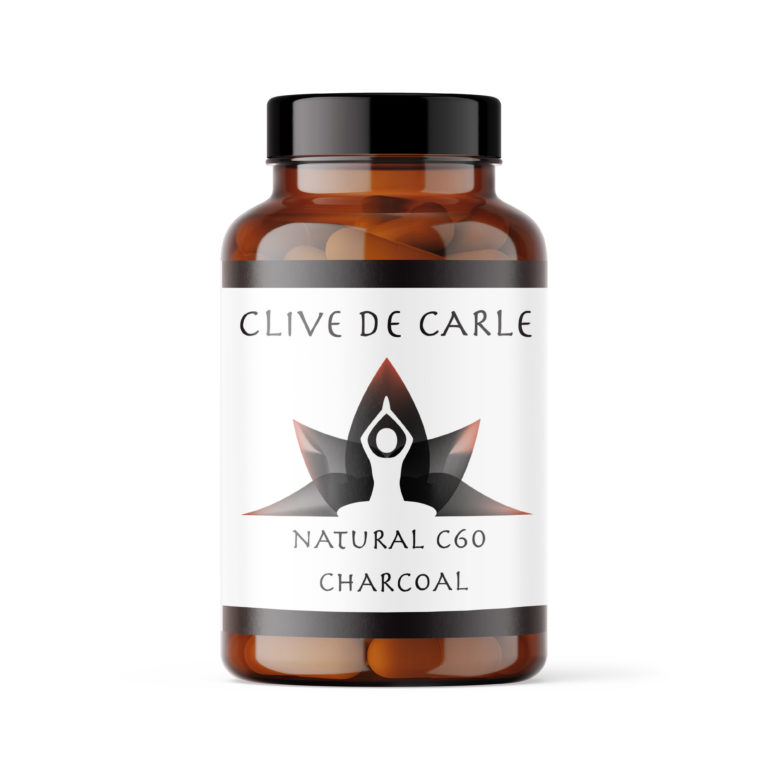
C60 Charcoal – Supports Healthy Digestion and Detoxification.
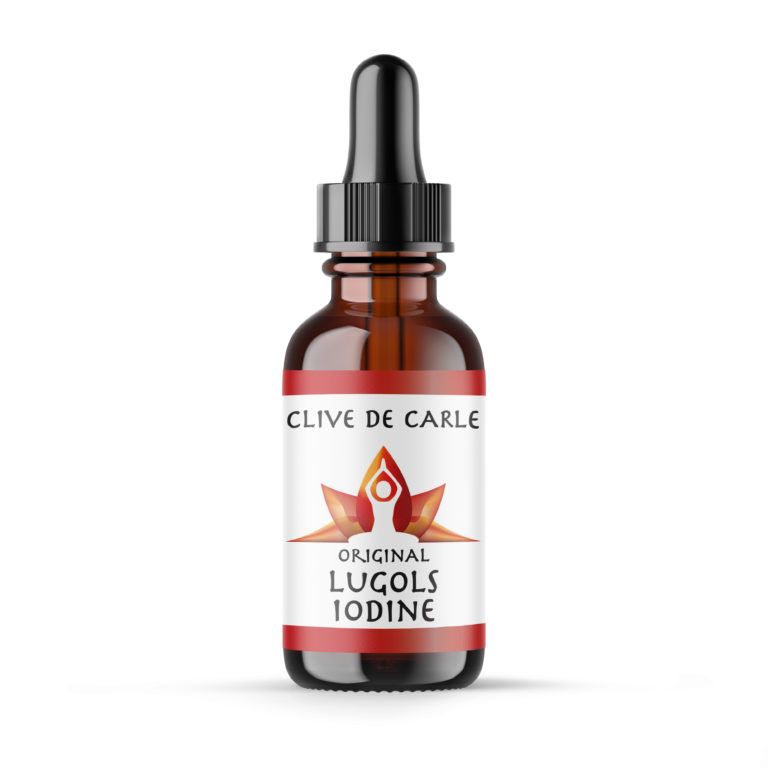
Lugol’s Iodine – Hormonal Issues, Menopause, Immune System, Brain Fog, Memory, Thyroid, Dry Skin
Rejuvenation Pack – Essential Vitamins and Minerals for Health Restoration
INNERSTANDING may earn a commission on purchases made through these links. All products are selected based on rigorous educational relevance to our biological research.
RABBIT HOLE
Follow the biological thread deeper