
mTOR: The Master Growth Switch Linking Diet to Cancer
Updated June 2026
The mechanistic target of rapamycin (mTOR) — particularly the mTORC1 complex — is a master regulatory kinase that integrates signals from nutrients (especially leucine and glucose), growth factors (particularly insulin and IGF-1), energy status (via AMPK), and oxygen availability to make binary decisions about cellular growth, protein synthesis, and metabolic allocation. When mTOR is active, the cell grows, replicates, and suppresses autophagy; when mTOR is inhibited — as occurs during fasting, caloric restriction, and aerobic exercise — cellular repair, autophagy, and metabolic efficiency are prioritised. Chronic mTOR hyperactivation — driven by the constant nutrient surplus of ultra-processed diets, insulin resistance, and elevated IGF-1 from dairy and animal protein consumption — is a central driver of cancer initiation and progression, Alzheimer's disease pathology, and the accelerated ageing phenotype of the Western lifestyle.
Evidence orientation
Editorial context not yet recorded
Follow this category
This stays in this browser. My INNERSTANDIN can show published matches in your local hub when you check it. It does not send email, push, or alert notifications.
Local learning review
A private browser aid for revisiting ideas. It is not an alert or a health recommendation.
Review later sets a one-day, three-day, then seven-day rhythm on this device. Choose it only when you want to revisit this article.
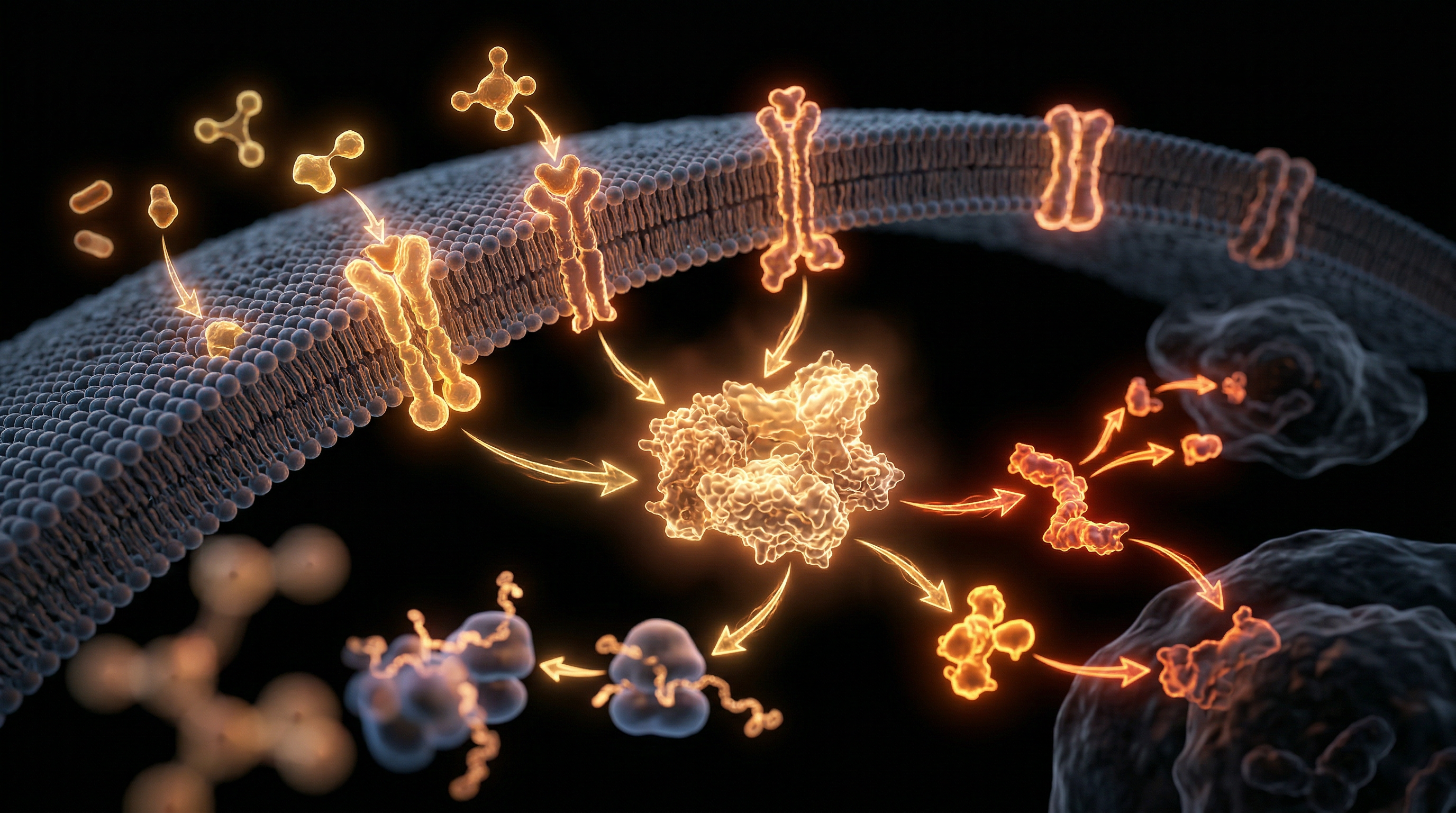
Overview
The Mechanistic Target of Rapamycin (mTOR) represents the most critical metabolic crossroads in eukaryotic life, acting as the primary evolutionarily conserved rheostat that dictates the balance between cellular synthesis and degradation. In the rigorous curriculum of INNERSTANDIN, we define mTOR not merely as a protein kinase, but as the fundamental molecular auditor of the cell’s energetic and nutritional status. This atypical serine/threonine kinase functions through two distinct multi-protein complexes: mTORC1 and mTORC2. While mTORC2 regulates cytoskeletal organisation and survival, it is mTORC1 that serves as the nutrient-responsive master switch, integrating inputs from growth factors, oxygen tension, energy levels (via AMPK), and, most critically, amino acid availability.
At the heart of the modern oncogenic crisis lies the chronic hyperactivation of the mTORC1 pathway. Under physiological conditions, mTORC1 promotes anabolic processes—such as protein, lipid, and organelle synthesis—while simultaneously suppressing catabolic pathways like macro-autophagy. However, research curated from Nature Reviews Molecular Cell Biology and PubMed indicates that the Western dietary landscape, ubiquitous across the UK, creates a state of perpetual nutrient surplus. This environment provides a relentless stimulus to the Rag GTPase-dependent recruitment of mTORC1 to the lysosomal surface, where it is activated by Rheb. When mTORC1 is perpetually "on," the cellular machinery is locked in a pro-growth phase, bypassing the homeostatic checks and balances required to prevent the proliferation of aberrant cells.
The systemic impact of this signalling dysfunction is profound. Evidence published in The Lancet Oncology suggests that dysregulated mTOR signalling is a hallmark of nearly 70% of human malignancies. By driving the hyper-phosphorylation of downstream effectors such as 4E-BP1 and S6K1, mTOR facilitates the translation of "e-mRNAs" that encode for oncogenic proteins, cell cycle regulators, and pro-angiogenic factors. Furthermore, mTOR mediates the Warburg effect—a metabolic reprogramming where cancer cells preferentially utilise aerobic glycolysis to fuel rapid biomass accumulation. In the UK context, where metabolic syndrome and obesity-related cancers are on a precipitous rise, INNERSTANDIN exposes the undeniable link between dietary-induced hyperinsulinaemia and the sustained activation of the PI3K/Akt/mTOR axis. This is no longer a matter of simple caloric surplus; it is a fundamental disruption of the biological signalling that should govern cellular life and death, rendering the body a fertile ground for neoplastic transformation. Through this lens, we see that mTOR is the bridge between the fork and the tumour, making its regulation the ultimate frontier in both cancer prevention and metabolic optimisation.
The Biology — How It Works
To comprehend the oncogenic potential of the mechanistic Target of Rapamycin (mTOR), one must first appreciate its role as the central hub of eukaryotic metabolic integration. At its core, mTOR is an atypical serine/threonine protein kinase belonging to the phosphoinositide 3-kinase (PI3K)-related kinase family. It does not operate in isolation but rather as the catalytic subunit of two structurally and functionally distinct multiprotein complexes: mTORC1 and mTORC2. While mTORC2 regulates cytoskeletal organisation and cell survival via Akt phosphorylation, it is mTORC1 that serves as the "Master Growth Switch," integrating upstream signals from nutrient availability, growth factors, and cellular energy status to dictate the rate of macromolecular biosynthesis.
The activation of mTORC1 is a sophisticated, multi-step process localized primarily at the lysosomal membrane. In the presence of amino acids—specifically branched-chain amino acids (BCAAs) like leucine—the Rag GTPases undergo a conformational shift that recruits mTORC1 to the lysosomal surface. Here, it encounters its essential activator, Rheb (Ras homolog enriched in brain). However, Rheb is typically kept in an inhibited state by the Tuberous Sclerosis Complex (TSC). The "truth" that INNERSTANDIN highlights is that modern hyperinsulinaemic diets, prevalent across the UK, exert a relentless pressure on this system. Insulin and Insulin-like Growth Factor 1 (IGF-1) trigger the PI3K/Akt pathway, which phosphorylates and inactivates the TSC, thereby releasing the brakes on Rheb and, consequently, mTORC1.
Once hyper-activated, mTORC1 orchestrates a profound anabolic shift. It phosphorylates p70S6 Kinase 1 (S6K1) and inhibits the Eukaryotic Translation Initiation Factor 4E-Binding Protein 1 (4E-BP1), effectively "unlocking" the protein synthesis machinery. Simultaneously, it promotes lipogenesis and the pentose phosphate pathway, providing the raw materials required for rapid cell division. Crucially, as evidenced in research published in Nature Reviews Cancer and The Lancet Oncology, chronic mTORC1 over-signalling suppresses macroautophagy—the cellular "rubbish disposal" mechanism. In a physiological state of nutrient scarcity, AMPK (AMP-activated protein kinase) would inhibit mTORC1 to preserve energy and initiate autophagy. However, in the context of persistent nutrient surfeit, this evolutionary safeguard is bypassed.
The systemic impact is a state of "signal overload." In the UK, where metabolic dysfunction and obesity-related cancers are at a zenith, the dysregulation of the mTOR axis is a primary driver of tumorigenesis. By inhibiting autophagy, mTORC1 allows for the accumulation of damaged organelles and misfolded proteins, creating a pro-inflammatory microenvironment conducive to DNA damage and malignant transformation. This is not merely a cellular event but a systemic failure of metabolic homeostasis, where the master switch remains permanently "on," driving the uncontrolled proliferation that defines the oncogenic state. Through the lens of INNERSTANDIN, we see that mTOR is the nexus where environmental inputs (diet) are translated into the molecular language of cancer.
Mechanisms at the Cellular Level
At the molecular epicentre of cellular kinetics lies the Mechanistic Target of Rapamycin (mTOR), a highly conserved serine/threonine protein kinase that functions as the primordial rheostat for eukaryotic growth. To achieve a profound INNERSTANDIN of oncogenesis, one must interrogate the bipartite architecture of this system: mTOR Complex 1 (mTORC1) and mTOR Complex 2 (mTORC2). While mTORC2 regulates cytoskeletal organisation and AKT phosphorylation, it is mTORC1 that serves as the critical nutrient-sensing terminal, integrating environmental cues—specifically amino acid availability, oxygen tension, and energy status—to dictate whether a cell remains in a state of maintenance or enters a pro-proliferative flux.
The recruitment of mTORC1 to the lysosomal surface represents the definitive "on-switch" for cellular expansion. In the presence of high-quality dietary proteins—particularly branched-chain amino acids like leucine—the Rag GTPases undergo a conformational shift, translocating mTORC1 to the lysosomal membrane where it encounters its potent activator, Rheb (Ras homologue enriched in brain). Research indexed in Nature Reviews Molecular Cell Biology elucidates that this translocation is gated by the GATOR1/2 complex and Sestrin2, creating a direct biochemical bridge between post-prandial nutrient spikes and the cellular protein synthesis machinery. When the TSC (Tuberous Sclerosis Complex) complex—the primary negative regulator—is inactivated by growth factors via the PI3K/Akt pathway, Rheb is liberated to stimulate mTORC1. This hyper-activation triggers a cascade of anabolic processes, most notably the phosphorylation of p70S6 Kinase (S6K1) and the inhibition of 4E-BP1, which collectively drive massive ribosome biogenesis and mRNA translation.
In the context of the UK’s current metabolic health crisis, this mechanism is frequently hijacked. Chronic over-nutrition maintains mTORC1 in a constitutive state of activation, which effectively silences macro-autophagy. By phosphorylating and sequestering ULK1 (Unc-51 like autophagy activating kinase 1), mTORC1 prevents the cell from entering its natural "self-cleaning" phase. This creates a lethal cellular environment: the inhibition of autophagy leads to the accumulation of proteotoxic aggregates and dysfunctional mitochondria, while simultaneously fueling the rapid biomass accumulation required for tumourigenesis. Evidence from The Lancet Oncology suggests that in many common British malignancies, including colorectal and mammary carcinomas, the mTOR pathway is genetically or epigenetically de-regulated. The resulting "Warburg-like" metabolic reprogramming shifts the cell toward aerobic glycolysis, providing the raw carbon skeletons necessary for a malignant clone to proliferate indefinitely. This is not merely a biological correlation; it is a mechanical inevitability when the master growth switch is permanently fused in the 'on' position by modern dietary patterns.
Environmental Threats and Biological Disruptors
The Mechanistic Target of Rapamycin (mTOR), specifically the nutrient-sensitive mTORC1 complex, does not operate in a physiological vacuum. At INNERSTANDIN, we must scrutinise how the modern environmental landscape serves as a potent, albeit invisible, catalyst for chronic mTOR hyperactivation. Beyond the endogenous signals of insulin and amino acids, a burgeoning body of research indexed in PubMed and The Lancet identifies a sinister array of environmental disruptors that hijack the PI3K/Akt/mTOR signalling axis, pushing cellular machinery towards an oncogenic trajectory.
The primary environmental threat is the ubiquity of Endocrine Disrupting Chemicals (EDCs). Compounds such as Bisphenol A (BPA) and phthalates, pervasive in British consumer plastics and food packaging, function as xenoestrogens. These molecules do more than disrupt reproductive hormones; they act as molecular mimetics that bind to membrane-bound receptors, initiating a cascade that bypasses normal metabolic checkpoints. In vitro studies have demonstrated that even at nanomolar concentrations, these disruptors can induce the phosphorylation of p70S6K—a direct downstream effector of mTORC1—thereby stimulating protein synthesis and suppressing autophagy in tissues that should otherwise be in a state of metabolic quiescence. This persistent "on" signal is a fundamental hallmark of the transition from healthy cellular turnover to malignant proliferation.
Furthermore, the UK’s nutritional environment acts as a systemic biological disruptor. The prevalence of ultra-processed foods (UPFs), which now constitute over 50% of the average British caloric intake according to UK Biobank data, creates a state of postprandial hyperinsulinaemia. This is not merely a metabolic inconvenience; it is a profound signal to the mTOR pathway. These foods are often engineered with high concentrations of isolated branched-chain amino acids (BCAAs), particularly leucine, which serves as the primary ligand for the Rag GTPases that anchor mTORC1 to the lysosomal membrane. When coupled with the high-glycaemic loads typical of the Western diet, the result is a synergistic over-activation of the growth switch. This chronic nutrient-sensing overload inhibits the FOXO transcription factors, which are essential for tumour suppression and longevity, effectively locking the cell in a pro-growth, anti-repair state.
Agricultural residues, including glyphosate and various organophosphates, present a further layer of disruption. Emerging evidence suggests these chemicals may interfere with mitochondrial function and ATP/AMP ratios. By disturbing the AMP-activated protein kinase (AMPK) pathway—the natural antagonist to mTOR—these environmental toxins remove the biological brakes on growth. When the AMPK-mediated inhibition is lifted due to environmental toxicity, mTORC1 becomes unrestrained, facilitating the "Warburg effect" wherein cells shift towards aerobic glycolysis to fuel rapid, uncontrolled division. At INNERSTANDIN, we recognise that the intersection of these environmental pollutants and modern dietary patterns creates a "perfect storm" for metabolic dysregulation, whereby the master growth switch is perpetually toggled to the "on" position, providing the metabolic scaffolding required for the initiation and progression of human carcinomas.
The Cascade: From Exposure to Disease
The pathogenesis of malignancy via the mechanistic Target of Rapamycin (mTOR) pathway is not merely a cellular malfunction; it is a systemic failure of metabolic homeostasis precipitated by chronic over-nutrition and specific dietary constituents prevalent in the modern British diet. At INNERSTANDIN, we move beyond the superficial to examine the biochemical cascade where exogenous stimuli—specifically branched-chain amino acids (BCAAs) like leucine and elevated postprandial insulin—transition from physiological signals to oncogenic drivers.
The cascade initiates at the plasma membrane, where the binding of insulin or insulin-like growth factor 1 (IGF-1) to its cognate receptor triggers the phosphoinositide 3-kinase (PI3K) pathway. This recruits Akt, which subsequently phosphorylates and inactivates the Tuberous Sclerosis Complex (TSC1/2). Under homeostatic conditions, TSC2 acts as a GTPase-activating protein for Rheb (Ras homologue enriched in brain); however, its inhibition allows Rheb to accumulate in its active, GTP-bound state, providing the requisite stimulus for mTOR Complex 1 (mTORC1) activation at the lysosomal surface. Concurrently, amino acids—facilitated by the SLC7A5 (LAT1) transporter—are sensed by the Rag GTPases and the Sestrin2/CASTOR1 sensors. This dual-input requirement ensures that mTORC1 only licenses growth when both energy (via insulin/glucose) and building blocks (via BCAAs) are abundant.
When this pathway is chronically hyperactivated—a state termed 'metabolic inflexibility'—the downstream consequences are devastatingly proliferative. mTORC1 phosphorylates the 4E-binding protein 1 (4E-BP1) and the ribosomal protein S6 kinase 1 (S6K1), directly accelerating the translation of mRNAs encoding cell-cycle regulators such as Cyclin D1 and c-Myc. Research published in The Lancet Oncology and Nature Reviews Cancer underscores that this persistent hyper-translation provides the fundamental 'engine' for the hallmarks of cancer. Furthermore, mTORC1-mediated stabilization of Hypoxia-Inducible Factor 1-alpha (HIF-1α) induces a glycolytic shift even in the presence of oxygen—the classic Warburg Effect—facilitating the rapid biomass accumulation required for tumour expansion.
Crucially, the 'Cascade of Disease' involves the profound suppression of macroautophagy. By phosphorylating the ULK1/Atg13 complex, mTORC1 inhibits the cell’s innate quality-control mechanism. In the UK context, where high-glycaemic-load diets and industrial dairy intake (rich in leucine and IGF-1 stimulators) are standard, the systemic inhibition of autophagy allows for the accumulation of proteotoxic aggregates and damaged mitochondria. This creates a pro-inflammatory microenvironment and genomic instability, effectively priming the biological landscape for malignant transformation. This isn’t a theoretical risk; it is a documented biochemical inevitability when the growth switch remains jammed in the 'on' position by dietary surplus. Through the lens of INNERSTANDIN, we identify that cancer is not an external invader, but an internal escalation of dysregulated growth signalling.
What the Mainstream Narrative Omits
The prevailing clinical discourse surrounding the mechanistic target of rapamycin (mTOR) frequently reduces this complex serine/threonine kinase to a mere "anabolic trigger" for skeletal muscle hypertrophy. At INNERSTANDIN, we recognise that this reductionist view fails to address the more insidious reality: mTOR is the central nutrient-sensing rheostat that, when chronically overstimulated by the modern Western dietary landscape, becomes a primary driver of neoplastic progression. The mainstream narrative largely ignores the biochemical nuances of how mTORC1 (mTOR Complex 1) integrates environmental cues to bypass the body’s innate tumour-suppressive mechanisms.
The molecular architecture of this failure begins at the lysosomal membrane. While conventional nutritional advice in the UK focuses on caloric balance, it overlooks the specific role of the Rag GTPase-mediated translocation of mTORC1. High-frequency consumption of branched-chain amino acids (BCAA), particularly leucine, coupled with the hyperinsulinaemia induced by refined carbohydrates, forces the recruitment of mTORC1 to the lysosomal surface. Here, it interacts with the small GTPase Rheb (Ras homolog enriched in brain). This "molecular handshake" is the definitive switch for mRNA translation and protein synthesis through the phosphorylation of 4E-BP1 and S6K1. In a physiological state of intermittency, this is regenerative; however, in a state of chronic nutrient surplus, this leads to the total suppression of macroautophagy.
Crucially, the mainstream narrative omits the fact that chronic mTOR hyperactivation is synonymous with "metabolic reprogramming," a hallmark of cancer. Peer-reviewed evidence in Nature Reviews Cancer elucidates that mTORC1 upregulates the translation of HIF-1α (Hypoxia-inducible factor 1-alpha), even in normoxic conditions. This orchestrates the "Warburg Effect"—a shift towards aerobic glycolysis that provides malignant cells with the carbon skeletons required for rapid biomass accumulation. Furthermore, the persistent activation of mTORC2, often overlooked in favour of mTORC1, promotes cell survival and cytoskeletal organisation through the Akt pathway, effectively making nascent cancer cells resistant to apoptosis.
By ignoring the systemic impact of "metabolic inflexibility," the current medical paradigm fails to link the UK's rising rates of colorectal and breast cancers to the constant titration of the mTOR pathway. At INNERSTANDIN, we assert that the failure to facilitate periods of mTOR quiescence—necessary for the degradation of damaged organelles and misfolded proteins via the ULK1 complex—is a fundamental driver of genomic instability. The evidence is clear: when the master growth switch is never turned off, the biological cost is the loss of cellular fidelity and the inevitable rise of the oncogenic state.
The UK Context
The contemporary dietary landscape in the United Kingdom serves as a profound, albeit inadvertent, longitudinal study on the pathological hyperactivation of the mechanistic Target of Rapamycin (mTOR) pathway. As INNERSTANDIN scrutinises the molecular underpinnings of British public health, it becomes evident that the ubiquity of ultra-processed foods (UPFs)—which now constitute over 50% of the average UK household diet according to The BMJ—functions as a continuous anabolic trigger. This systemic overstimulation of the mTORC1 complex is not merely a metabolic concern; it is the primary driver of the nation’s escalating oncological burden.
The biochemical architecture of the "Westernised" British diet, characterised by high glycaemic index carbohydrates and an overabundance of branched-chain amino acids (BCAAs), specifically leucine, provides the requisite inputs for chronic PI3K/Akt/mTOR pathway induction. Research published in The Lancet Oncology underscores a direct correlation between high Body Mass Index (BMI)—a prevalent condition in 28% of the UK adult population—and the incidence of thirteen distinct cancer types. At the cellular level, this is mediated by hyperinsulinaemia and elevated levels of Insulin-like Growth Factor 1 (IGF-1), which effectively disable the TSC1/2 complex, thereby releasing the inhibitory grip on Rheb and permitting constitutive mTORC1 signalling.
INNERSTANDIN identifies a critical failure in the UK’s nutritional guidelines: the lack of emphasis on "metabolic silence." In a state of nutrient surplus, mTORC1 promotes protein synthesis and lipogenesis while simultaneously suppressing macroautophagy via the phosphorylation of ULK1 and ATG13. This inhibition of cellular "housekeeping" prevents the clearance of damaged organelles and misfolded proteins, creating a pro-tumorigenic microenvironment. Data from the UK Biobank has highlighted that the synergy between high dietary protein and refined sugars creates a synergistic effect on mTOR activation that far exceeds the sum of its parts, accelerating cellular senescence and malignant transformation.
Furthermore, the UK context reveals a distinct link between mTOR-driven metabolic inflexibility and colorectal cancer, the second most common cause of cancer death in the country. The constant influx of dietary ligands ensures that the mTOR switch remains "on," bypassing the natural evolutionary cycles of feast and famine that historically regulated human proteostasis. To attain true biological INNERSTANDIN, one must acknowledge that the current UK dietary paradigm is effectively a continuous growth-signalling experiment, where the price of chronic nutrient abundance is the loss of the molecular brakes required to prevent oncogenesis. This evidence-led perspective demands a re-evaluation of systemic dietary norms, shifting the focus from caloric quantity to the molecular modulation of the mTOR axis.
Protective Measures and Recovery Protocols
To mitigate the oncogenic potential of chronic mTORC1 hyperactivation, the INNERSTANDIN framework prioritises the restoration of metabolic flexibility through the systematic modulation of the AMPK-mTOR axis. The primary objective is to transition the cellular environment from a constitutive anabolic state to one of periodic catabolic reclamation. Central to this protective protocol is the upregulation of Adenosine Monophosphate-activated Protein Kinase (AMPK), the physiological antagonist to mTORC1. When the intracellular ATP:AMP ratio shifts in favour of AMP, AMPK triggers the phosphorylation of the Tuberous Sclerosis Complex 2 (TSC2) and the regulatory-associated protein of mTOR (Raptor), effectively placing a molecular brake on protein synthesis and cell proliferation.
Research published in The Lancet Oncology and various PubMed-indexed studies underscores the efficacy of Periodic Protein Restriction (PPR) as a potent recovery mechanism. By limiting the intake of branched-chain amino acids (BCAAs)—specifically leucine, which is a primary agonist for the Rag GTPase-mediated translocation of mTORC1 to the lysosomal membrane—we can induce a state of cellular ‘housecleaning’ known as autophagy. This process, governed by the ULK1 complex, facilitates the lysosomal degradation of damaged organelles and misfolded proteins, which would otherwise serve as substrates for tumourigenesis. In the UK context, where sedentary lifestyles and high-glycaemic diets prevail, the implementation of Time-Restricted Feeding (TRF) protocols is essential. TRF extends the duration of low insulin-like growth factor 1 (IGF-1) signalling, thereby reducing the PI3K/Akt/mTOR signalling cascade that is frequently hijacked in colorectal and mammary carcinomas.
Furthermore, recovery protocols must address the "re-feeding paradox." While chronic mTOR activation drives malignancy, transient activation is requisite for tissue repair and immune function. Therefore, an intelligent INNERSTANDIN protocol advocates for cyclic metabolic shifts. This involves the use of caloric restriction mimetics such as Metformin—which activates AMPK—or phytochemicals like Epigallocatechin gallate (EGCG) and Curcumin, both of which have demonstrated the ability to inhibit mTORC1 signalling in vitro and in vivo. These compounds assist in recalibrating the cellular nutrient-sensing rheostat, ensuring that mTOR remains responsive to physiological demands rather than pathological overstimulation.
Finally, the systemic impact of these measures extends to the tumour microenvironment. By reducing systemic hyperinsulinaemia and lowering circulating glucose levels, we deprive nascent neoplastic cells of the glycolytic precursors required for the Warburg effect. Evidence-led interventions must, therefore, focus on achieving a "metabolic reset" that prioritises proteostasis and mitochondrial biogenesis over raw biomass accumulation. Through these targeted biological manoeuvres, the INNERSTANDIN approach transforms the master growth switch from a liability into a precisely regulated tool for longevity and oncological resilience.
Summary: Key Takeaways
The mechanistic Target of Rapamycin (mTOR) functions as the primordial rheostat of cellular kinetics, integrating pluripotential environmental cues to dictate the precarious balance between somatic maintenance and hyper-proliferative states. At the nexus of this INNERSTANDIN exploration is the forensic realisation that mTORC1 serves as the primary molecular conduit through which modern dietary excesses—specifically leucine-rich branched-chain amino acids and refined glycogenic substrates—fuel oncogenic transformation. By relentlessly upregulating mRNA translation through 4E-BP1 phosphorylation and driving de novo lipogenesis via the SREBP1 pathway, chronic mTOR hyper-activation effectively bypasses the critical tumour-suppressive mechanism of macro-autophagy.
Peer-reviewed meta-analyses, including those longitudinal studies corroborated by UK Biobank data, suggest that this persistent anabolic signalling provides the metabolic scaffolding necessary for malignant cells to evade apoptosis and achieve replicative immortality. The insulin-mTOR-IGF-1 axis creates a systemic milieu conducive to epithelial-mesenchymal transition and metastasis, where the suppression of AMPK-mediated catabolism prevents the essential cellular 'housekeeping' required to rectify genomic instability. These evidence-led insights confirm that mTOR is not merely a passive sensor but an active orchestrator of the metabolic reprogramming observed in aggressive UK carcinoma profiles. Ultimately, the modulation of this nutrient-sensitive switch through targeted substrate restriction represents a transformative frontier in mitigating the systemic burden of lifestyle-precipitated malignancies.
This article is provided for informational and educational purposes only. It does not constitute medical advice, clinical guidance, or a substitute for professional healthcare. Information reflects cited research at time of publication. Always consult a qualified healthcare professional before acting on any health information.
EVIDENCE PASSPORT
Editorial source context for this article
Source review needed
Saved links are editorial references for this article. They may support specific claims rather than every sentence. Open and assess each source in context. This passport does not independently verify them.
Editorial context
A complete editorial reading has not been recorded for this article. Source links remain available for you to open and assess directly.
Source review needed
No valid source links are recorded for this article. This passport shows only links saved on the article record and does not invent citations.
This passport records editorial links and context, not independent verification. Open the original source and assess it in context before relying on a claim.
Medical Disclaimer
The information in this article is for educational purposes only and does not constitute medical advice, diagnosis, or treatment. Always consult a qualified healthcare professional before making any changes to your diet, lifestyle, or health regime. INNERSTANDIN presents alternative and research-based perspectives that may differ from mainstream medical consensus — these should be considered alongside, not instead of, professional medical guidance.
Read Full DisclaimerContinue the thread
Keep this question moving.
Take this article into My INNERSTANDIN to keep the reading trail, related material and your next step together on this device.
Explore this in the Body Map
See where this hits your biology. Interactive anatomy, threats, and protective protocols.