
Autophagy and Proteostasis: The Biological Housecleaning Mainstream Medicine Neglects
Published April 2026
This investigative report explores the specific mechanisms of macro-autophagy triggered during extended water fasting, focusing on how the body identifies and degrades misfolded proteins. We analyze the shift from mTOR-driven growth to AMPK-activated cellular repair, a transition often ignored by calorie-centric nutritional guidelines. Understanding this biological 'housecleaning' is essential for addressing neurodegenerative risks and systemic inflammation.
Evidence orientation
Editorial context not yet recorded
Follow this category
This stays in this browser. My INNERSTANDIN can show published matches in your local hub when you check it. It does not send email, push, or alert notifications.
Local learning review
A private browser aid for revisiting ideas. It is not an alert or a health recommendation.
Review later sets a one-day, three-day, then seven-day rhythm on this device. Choose it only when you want to revisit this article.
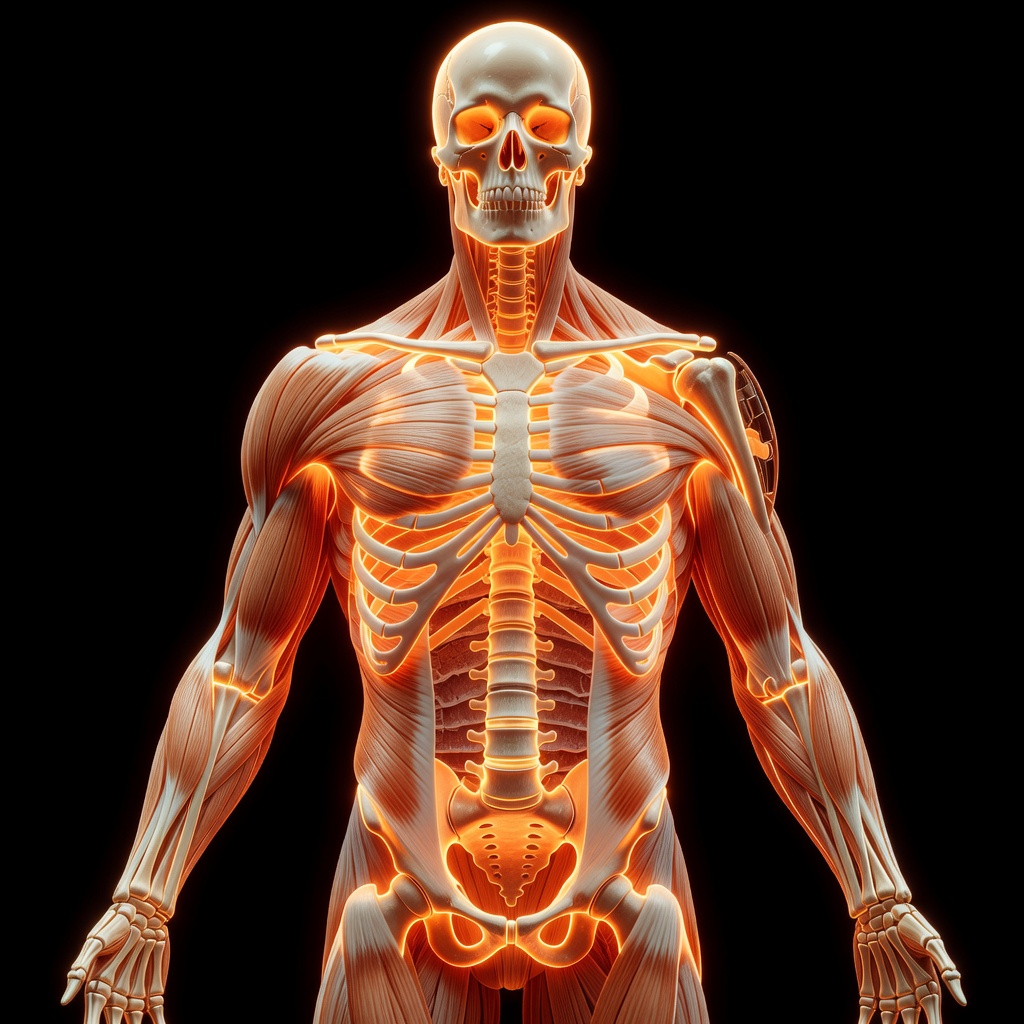
In the landscape of modern medicine, the narrative surrounding nutrition is almost exclusively focused on the ingestion of substrates—what we eat, how many calories we consume, and the ratio of macronutrients. However, the biological imperative of the 'fasted state' is arguably more critical for long-term cellular integrity. At the heart of this process is autophagy, a term derived from the Greek for 'self-eating.' While mainstream dietary advice suggests constant refueling to maintain 'blood sugar stability,' this constant state of nutrient influx effectively disables one of our most sophisticated survival mechanisms: proteostasis. Proteostasis is the homeostatic control of the proteome, ensuring that proteins are correctly folded and that damaged components are recycled. When we enter a water-fasted state, typically after 24 to 48 hours, the reduction in circulating insulin and the depletion of hepatic glycogen trigger a metabolic switch.
The enzyme AMPK (adenosine monophosphate-activated protein kinase) rises, signaling a cellular energy crisis. In response, the body inhibits mTOR (mammalian target of rapamycin), the primary driver of cellular growth and protein synthesis. This inhibition is the green light for the autophagic machinery. The cell begins to form double-membraned vesicles called autophagosomes, which engulf damaged organelles, such as dysfunctional mitochondria (mitophagy) and misfolded proteins that are the hallmarks of diseases like Alzheimer's and Parkinson's. Conventional clinical practice rarely monitors these pathways, yet the evidence from researchers like Yoshinori Ohsumi, who won the Nobel Prize for his work on autophagy, suggests that periodic 'biological resets' are necessary to prevent the accumulation of cellular 'trash.' This accumulation, known as inflammaging, is a primary driver of chronic disease.
Environmental factors in the 21st century, particularly the ubiquity of high-carbohydrate processed foods, keep the modern human in a perpetual state of mTOR activation. This suppresses the lysosomal degradation of damaged proteins, leading to cellular senescence. To reclaim this biological function, an extended water fast of 72 hours is often cited in the literature as the threshold for peak autophagic activity. During this window, the body doesn't just burn fat; it selectively targets the most inefficient cellular structures for fuel. The practical takeaway for the health-educated individual is not merely weight loss, but the strategic management of cellular age.
By understanding the signaling pathways of AMPK and mTOR, we can utilize water fasting as a precision tool for proteostasis, effectively cleaning our biological house from the inside out. This requires a departure from the 'three meals a day' dogma and an embrace of the investigative biology that proves our bodies were designed to thrive in the absence of food.
This article is provided for informational and educational purposes only. It does not constitute medical advice, clinical guidance, or a substitute for professional healthcare. Information reflects cited research at time of publication. Always consult a qualified healthcare professional before acting on any health information.
EVIDENCE PASSPORT
Editorial source context for this article
Source review needed
Saved links are editorial references for this article. They may support specific claims rather than every sentence. Open and assess each source in context. This passport does not independently verify them.
Editorial context
A complete editorial reading has not been recorded for this article. Source links remain available for you to open and assess directly.
Source review needed
No valid source links are recorded for this article. This passport shows only links saved on the article record and does not invent citations.
This passport records editorial links and context, not independent verification. Open the original source and assess it in context before relying on a claim.
Medical Disclaimer
The information in this article is for educational purposes only and does not constitute medical advice, diagnosis, or treatment. Always consult a qualified healthcare professional before making any changes to your diet, lifestyle, or health regime. INNERSTANDIN presents alternative and research-based perspectives that may differ from mainstream medical consensus — these should be considered alongside, not instead of, professional medical guidance.
Read Full DisclaimerContinue the thread
Keep this question moving.
Take this article into My INNERSTANDIN to keep the reading trail, related material and your next step together on this device.