All INNERSTANDIN content is for educational purposes only — not medical advice, diagnosis or treatment. Full Disclaimer →

    BACK TO DATABASE
    TAGGED RESEARCH

    #longevity

    79TRANSMISSIONS FOUND
    T
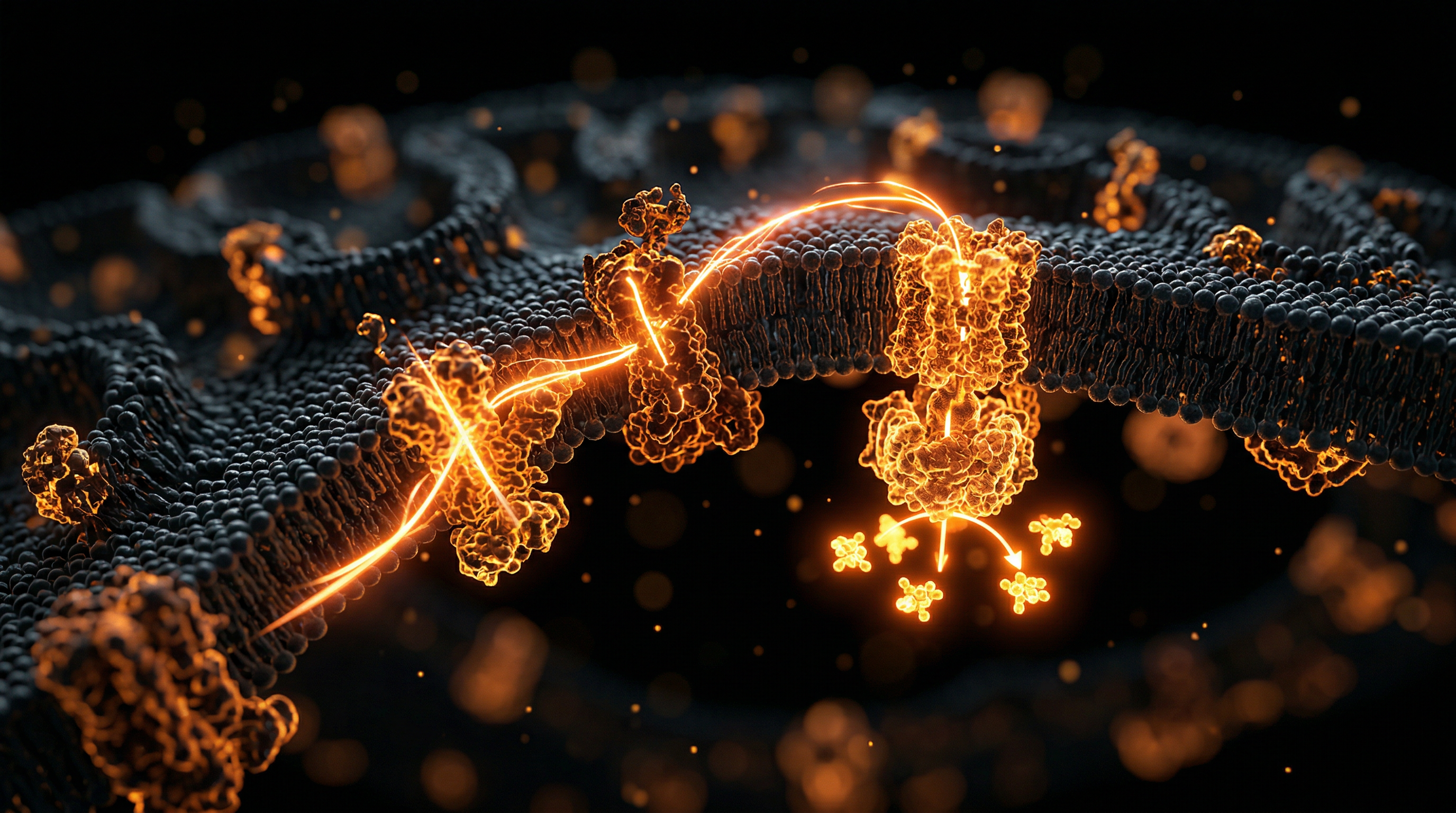
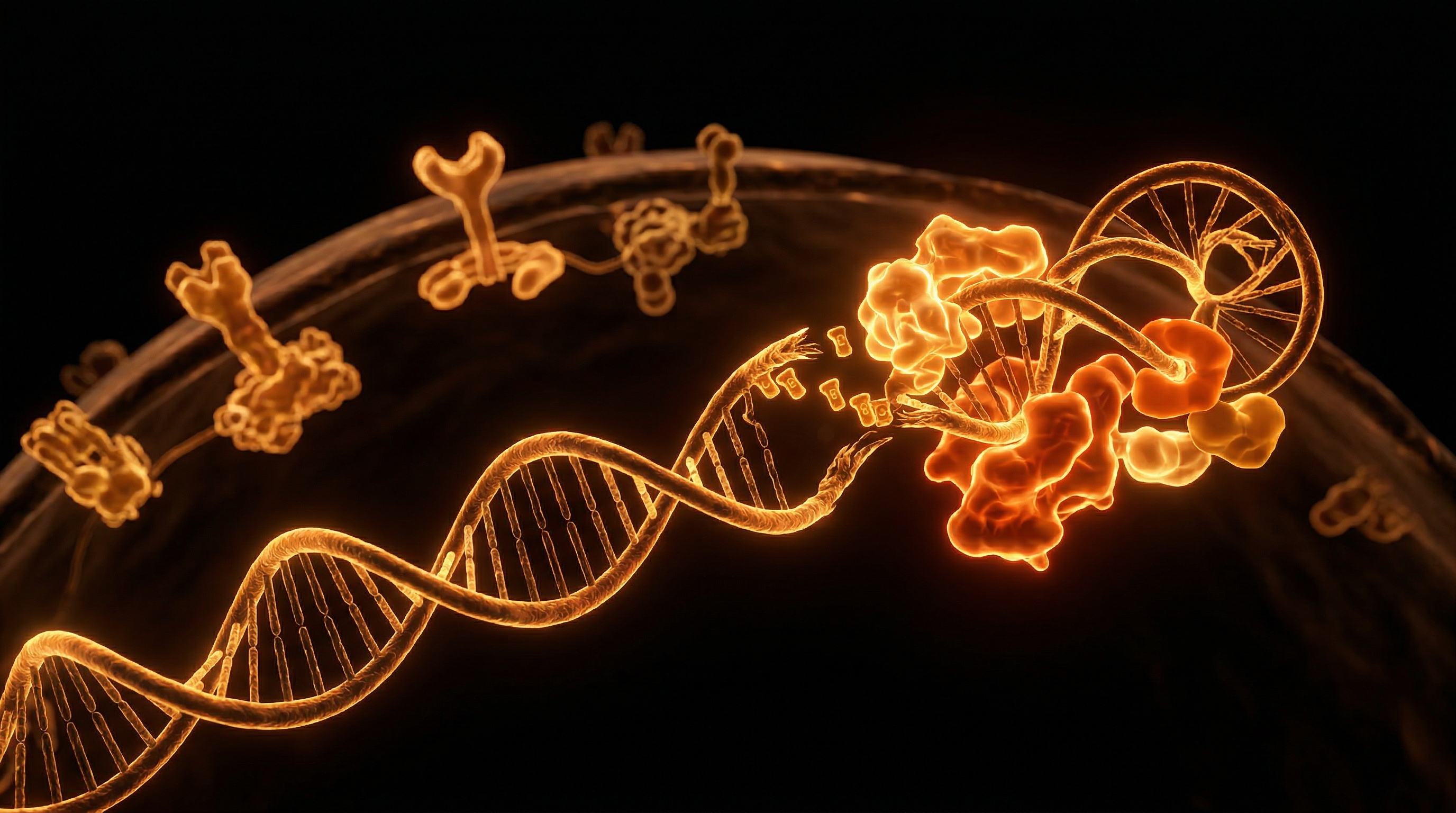
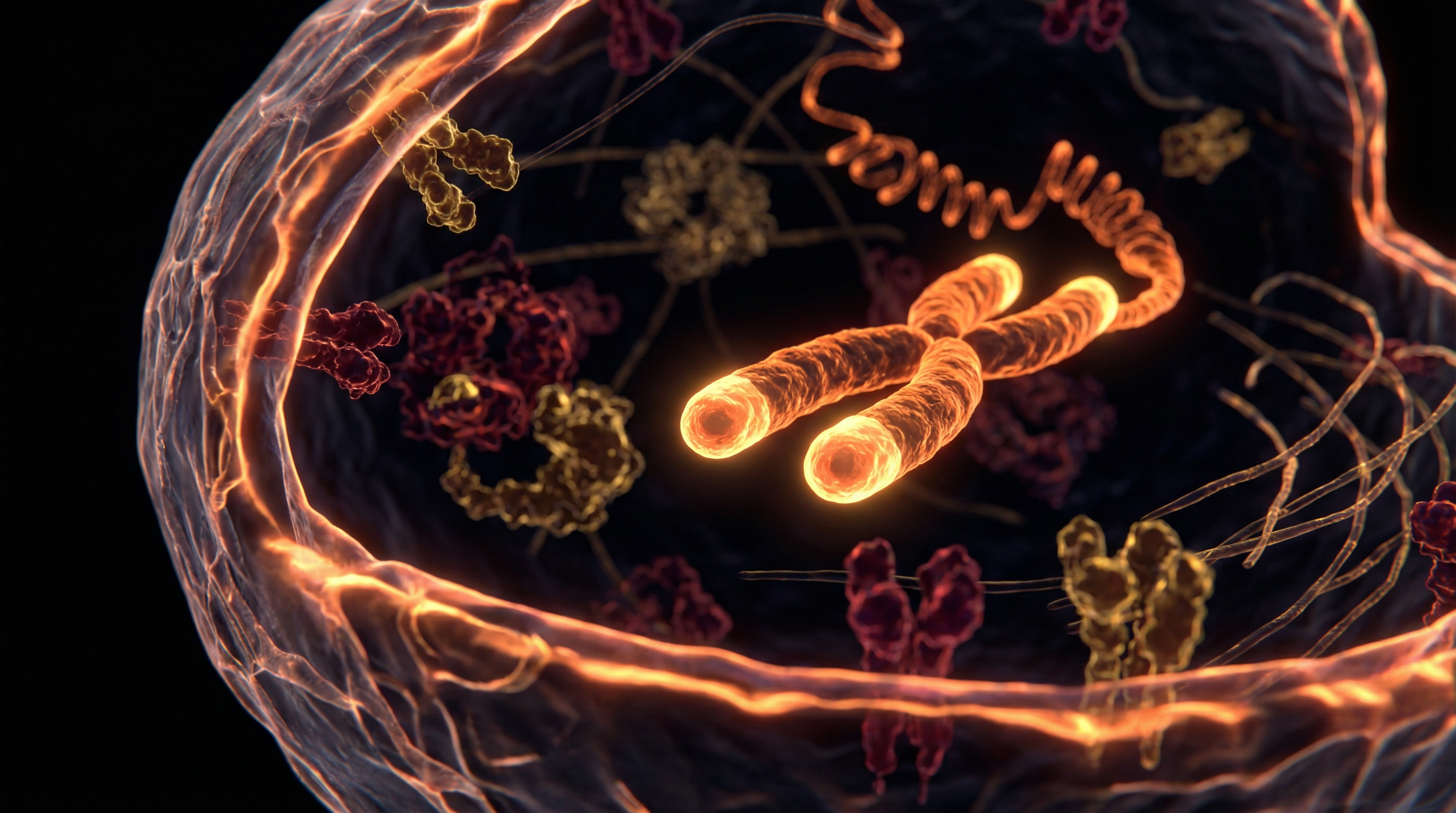
    Scientific illustration for Telomeres: The Biological Clock Toxins Are Shortening
    Physiology
    14 MIN READ

    Telomeres: The Biological Clock Toxins Are Shortening

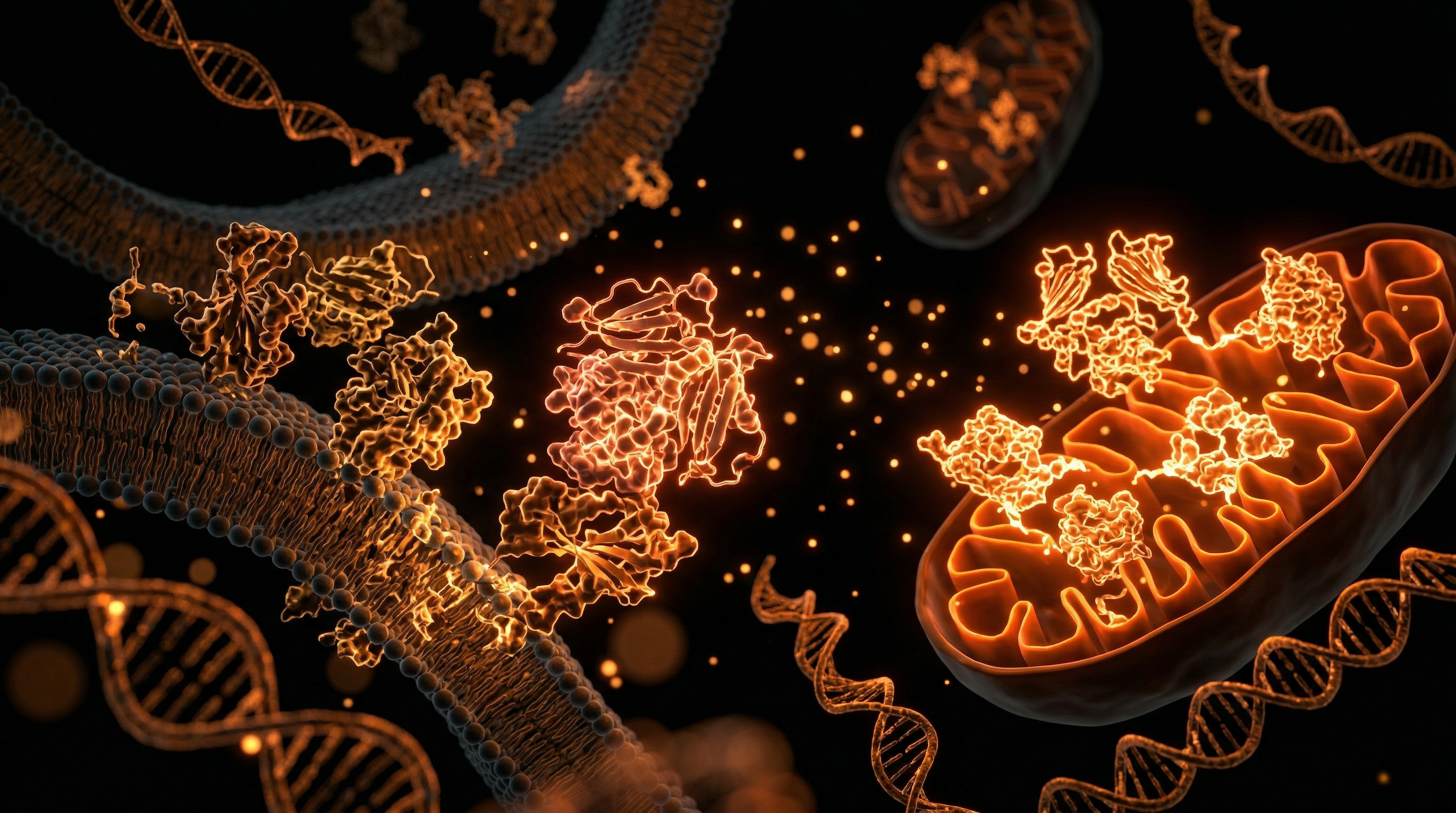
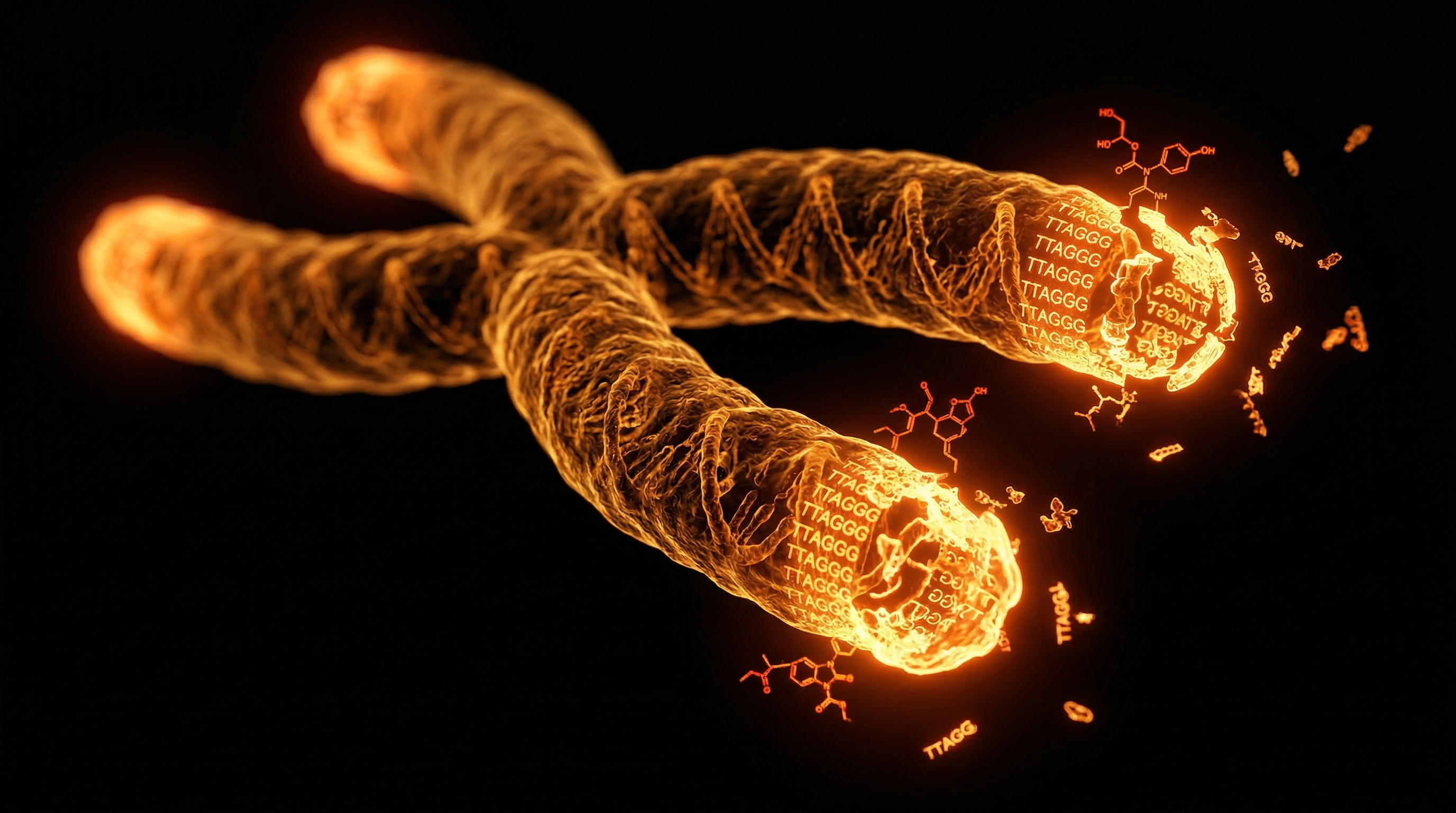
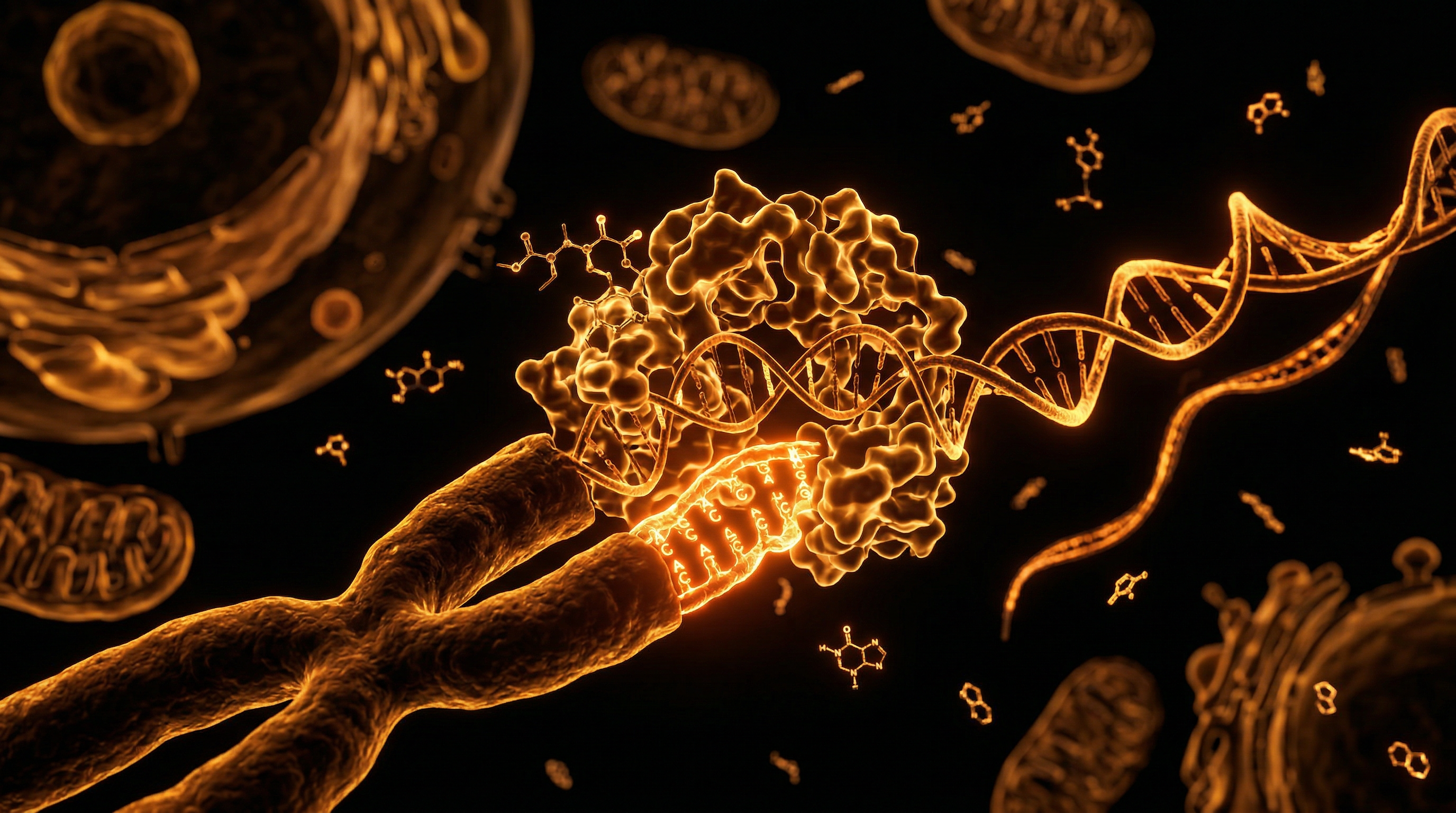
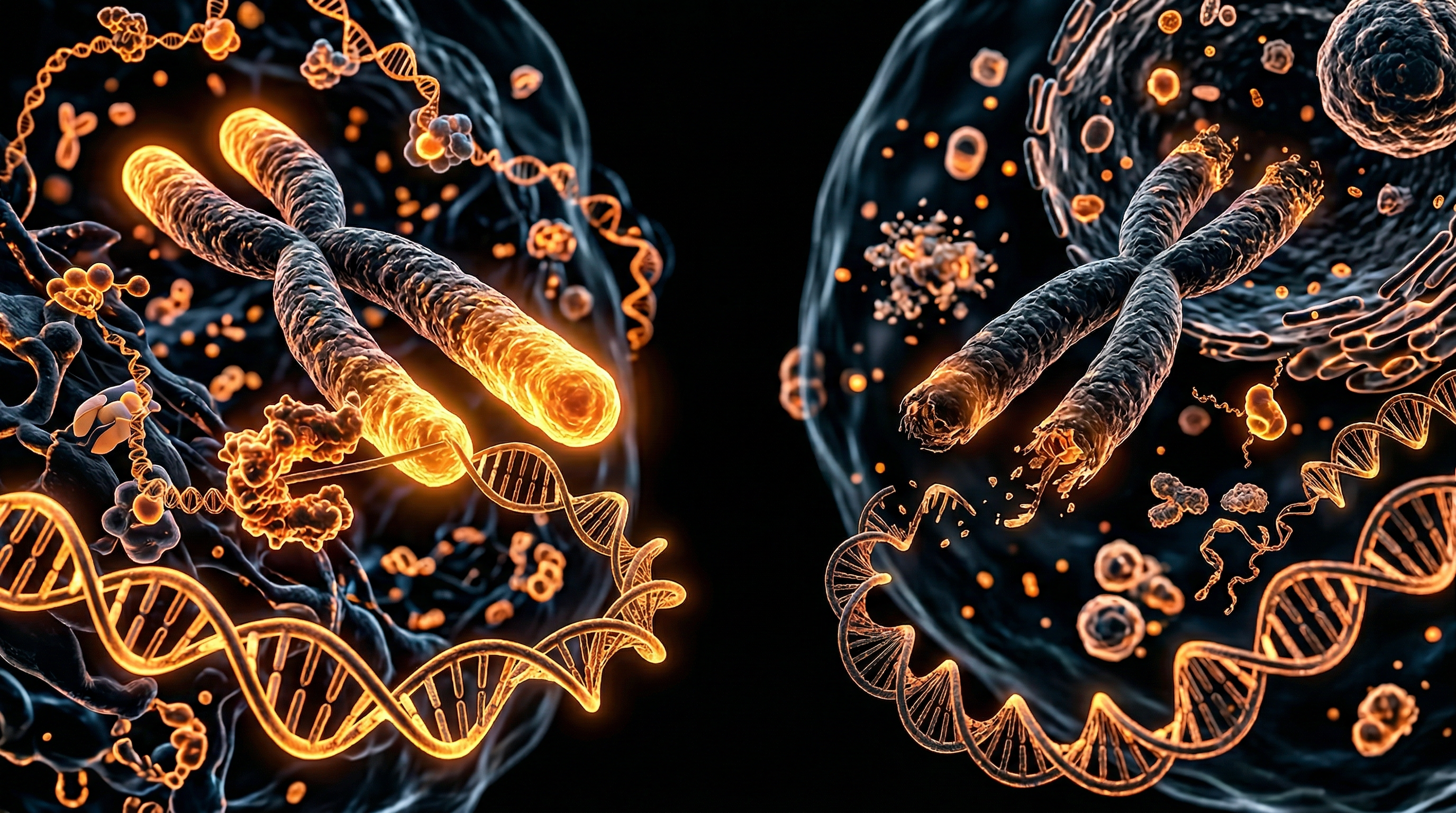
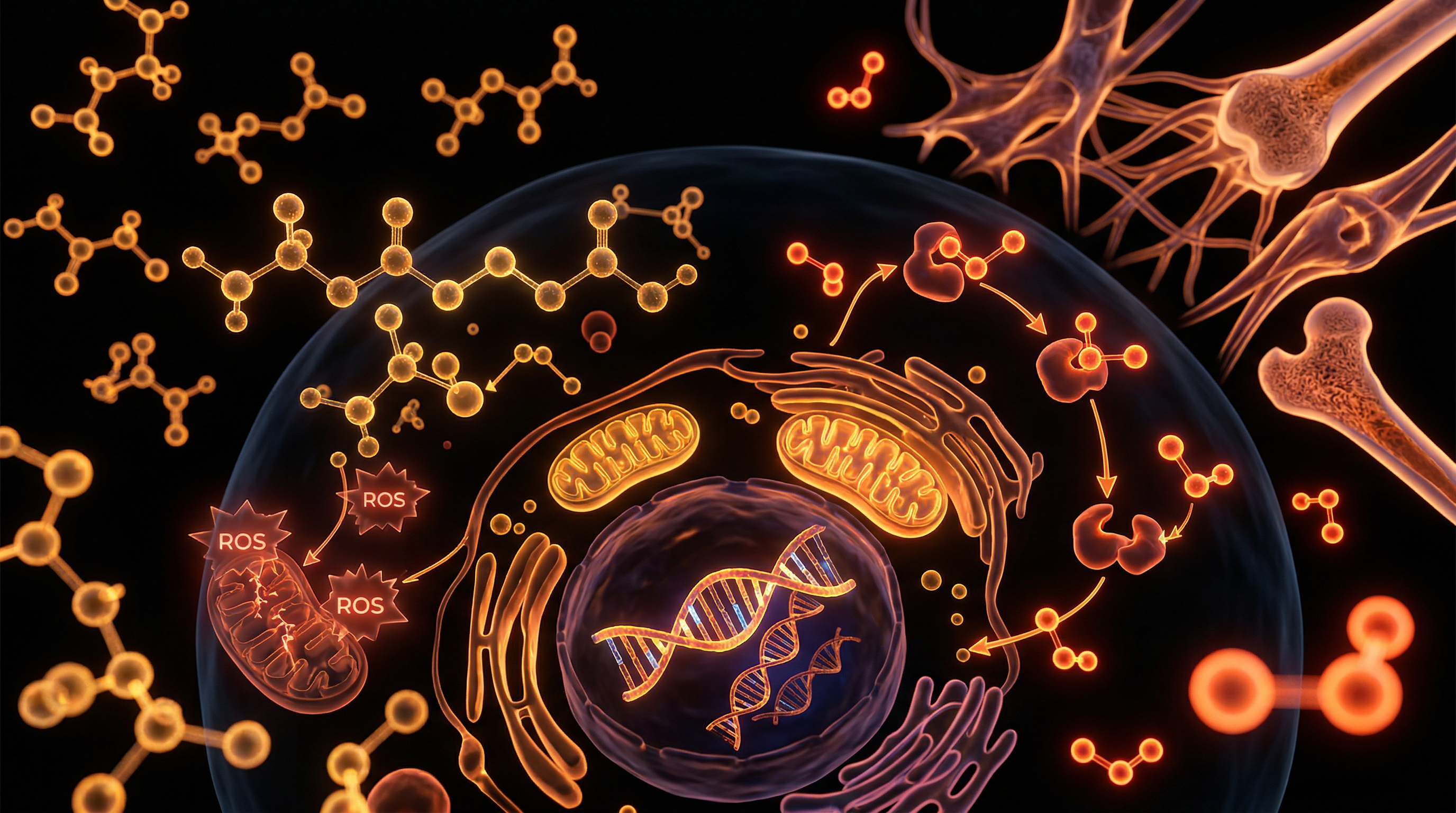
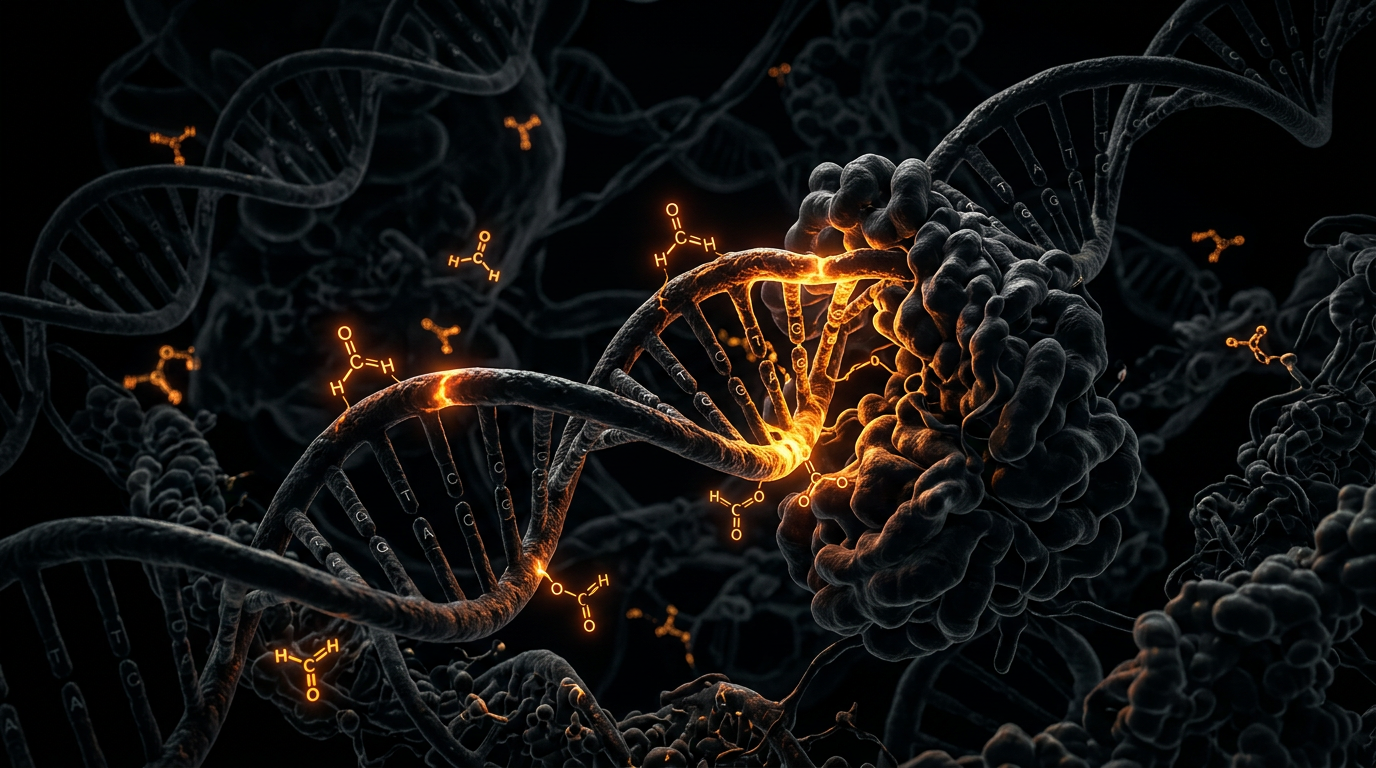
    Telomeres are protective caps of repetitive DNA sequences (TTAGGG) located at the ends of each chromosome, functioning much like the plastic aglets on shoelaces — preventing chromosomal degradation and end-to-end fusion during cellular replication. With each cell division, telomeres shorten incrementally until they reach a critical minimum length, triggering cellular senescence (permanent growth arrest) or apoptosis (programmed cell death) — a mechanism that places a fundamental limit on cellular lifespan and biological ageing. Critically, telomere shortening is dramatically accelerated by chronic oxidative stress, systemic inflammation, heavy metal exposure, pesticide residues, sleep deprivation, and psychological stress, meaning that environmental toxicity is literally ageing the population at an accelerated rate detectable in biological tissue years or decades before clinical disease presents.

    #telomeres#ageing
    N
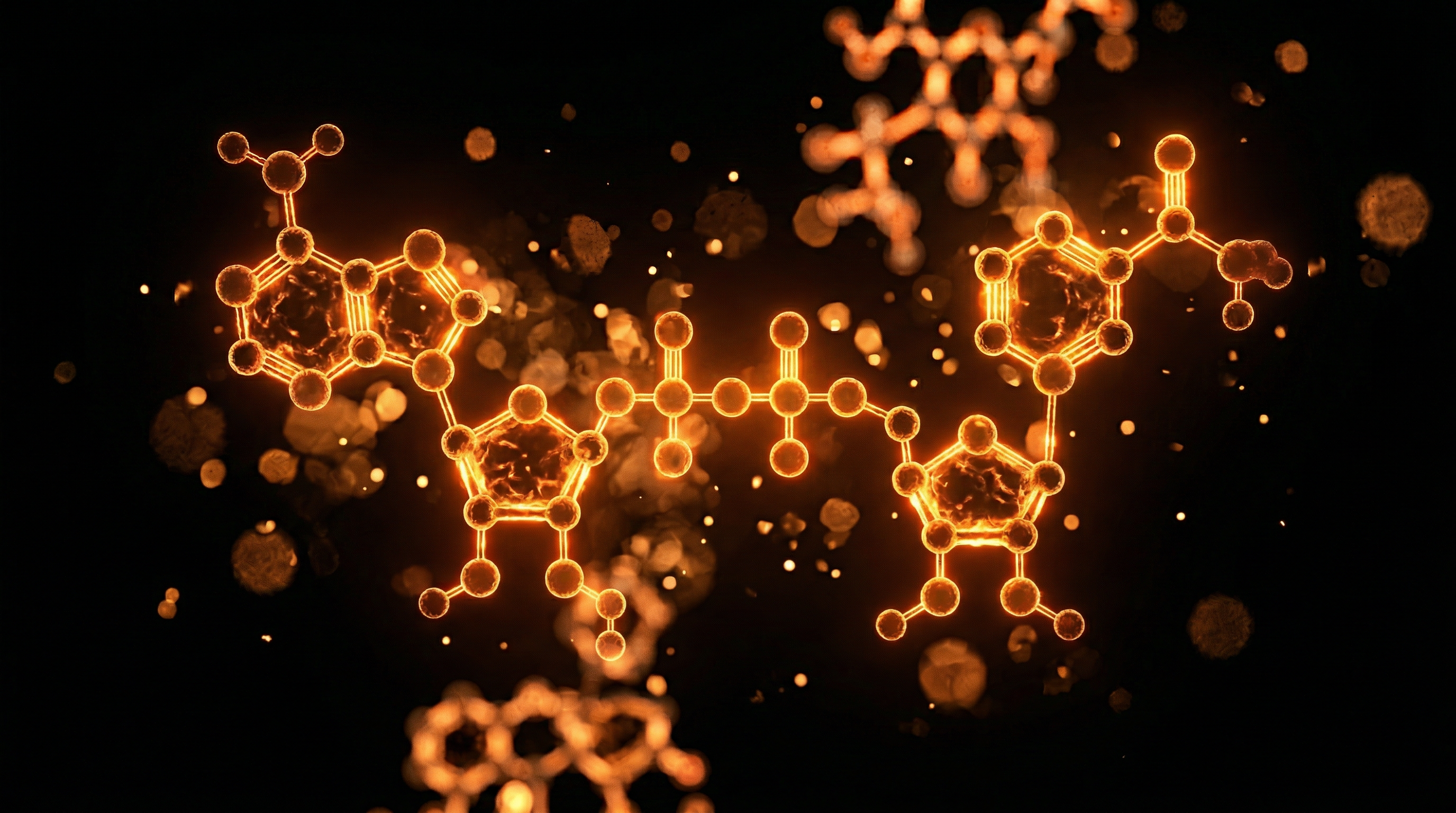
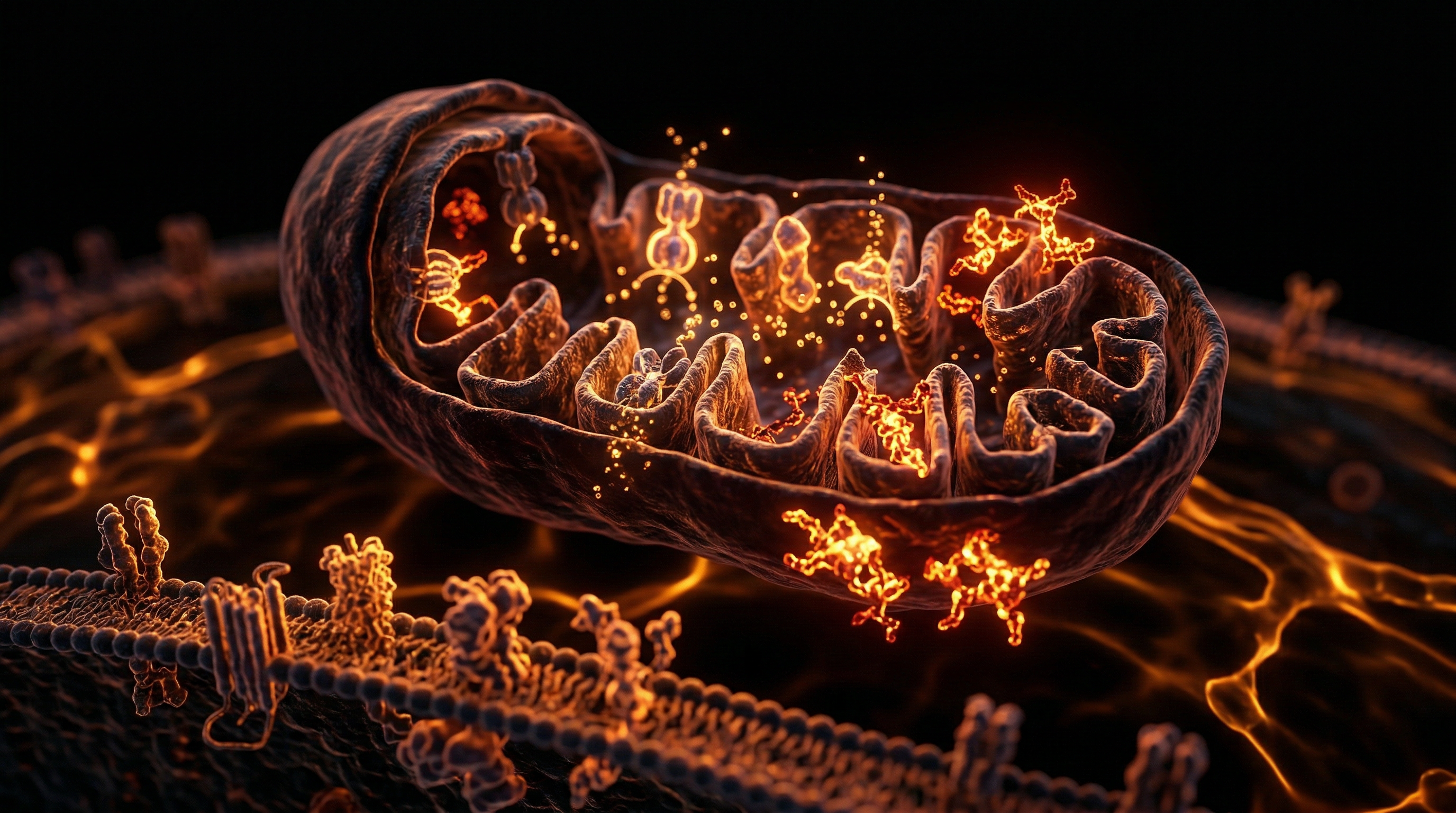
    Scientific illustration for NAD+: The Molecule of Life and Longevity
    Mitochondria
    17 MIN READ

    NAD+: The Molecule of Life and Longevity

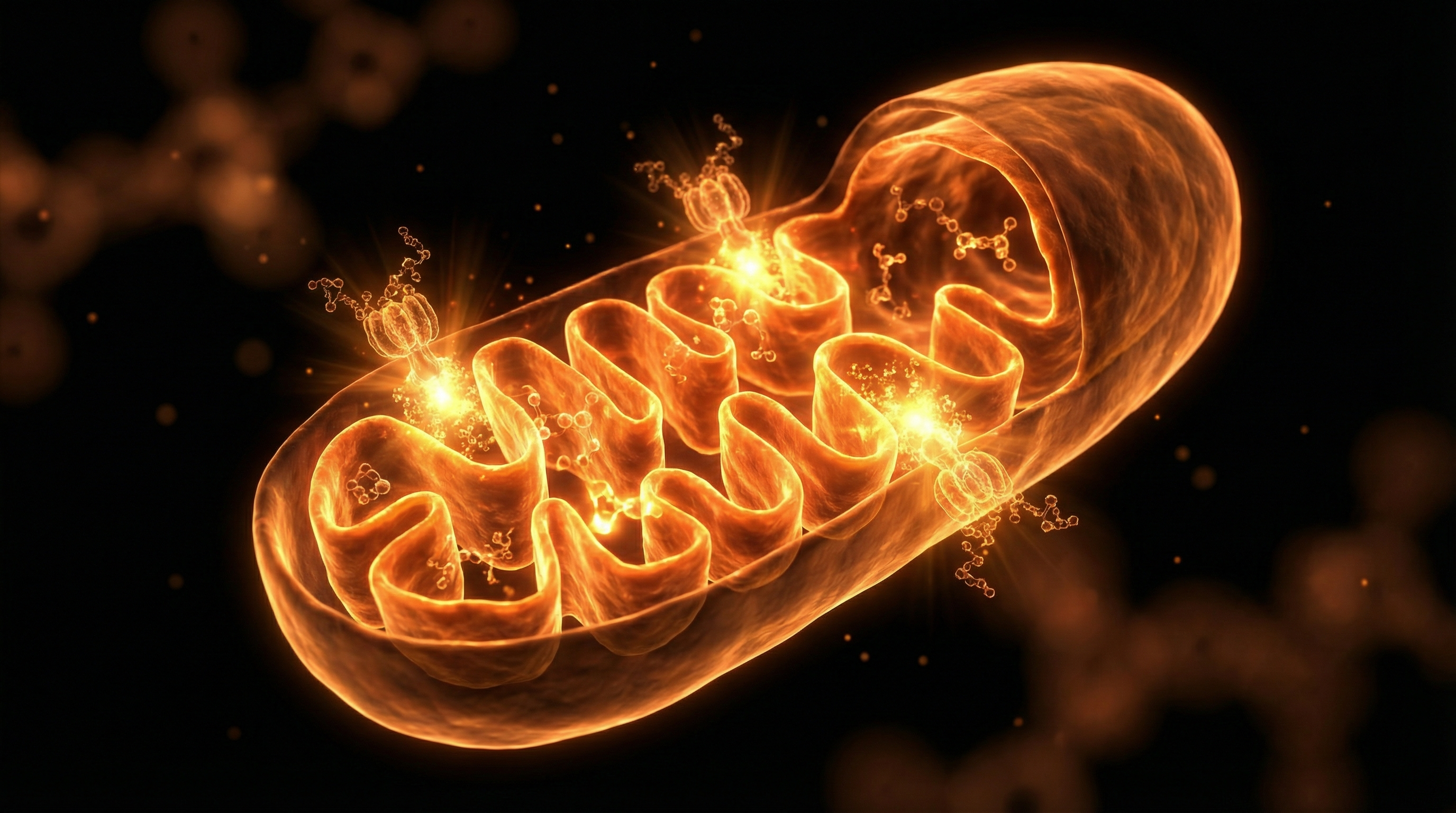
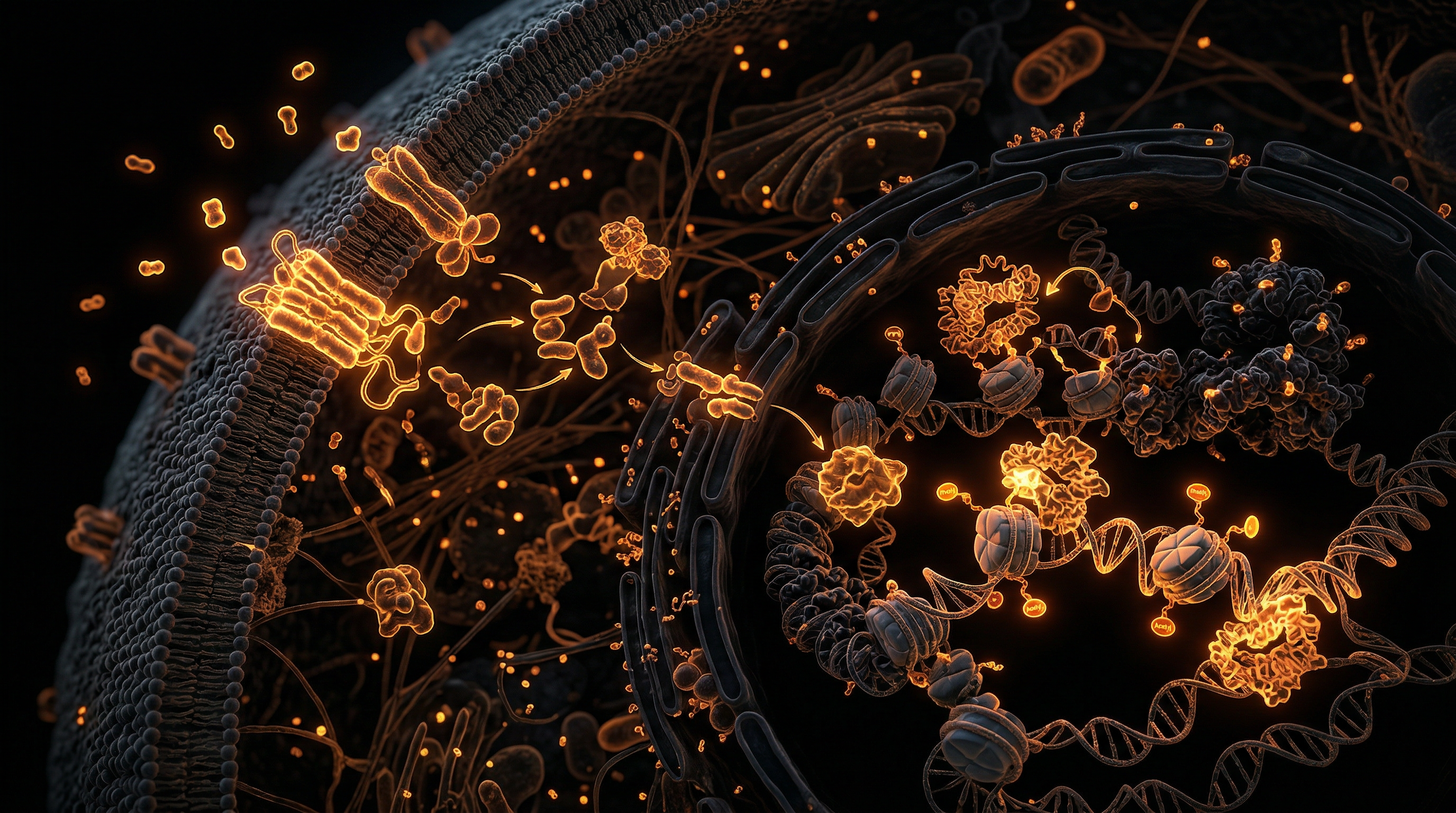
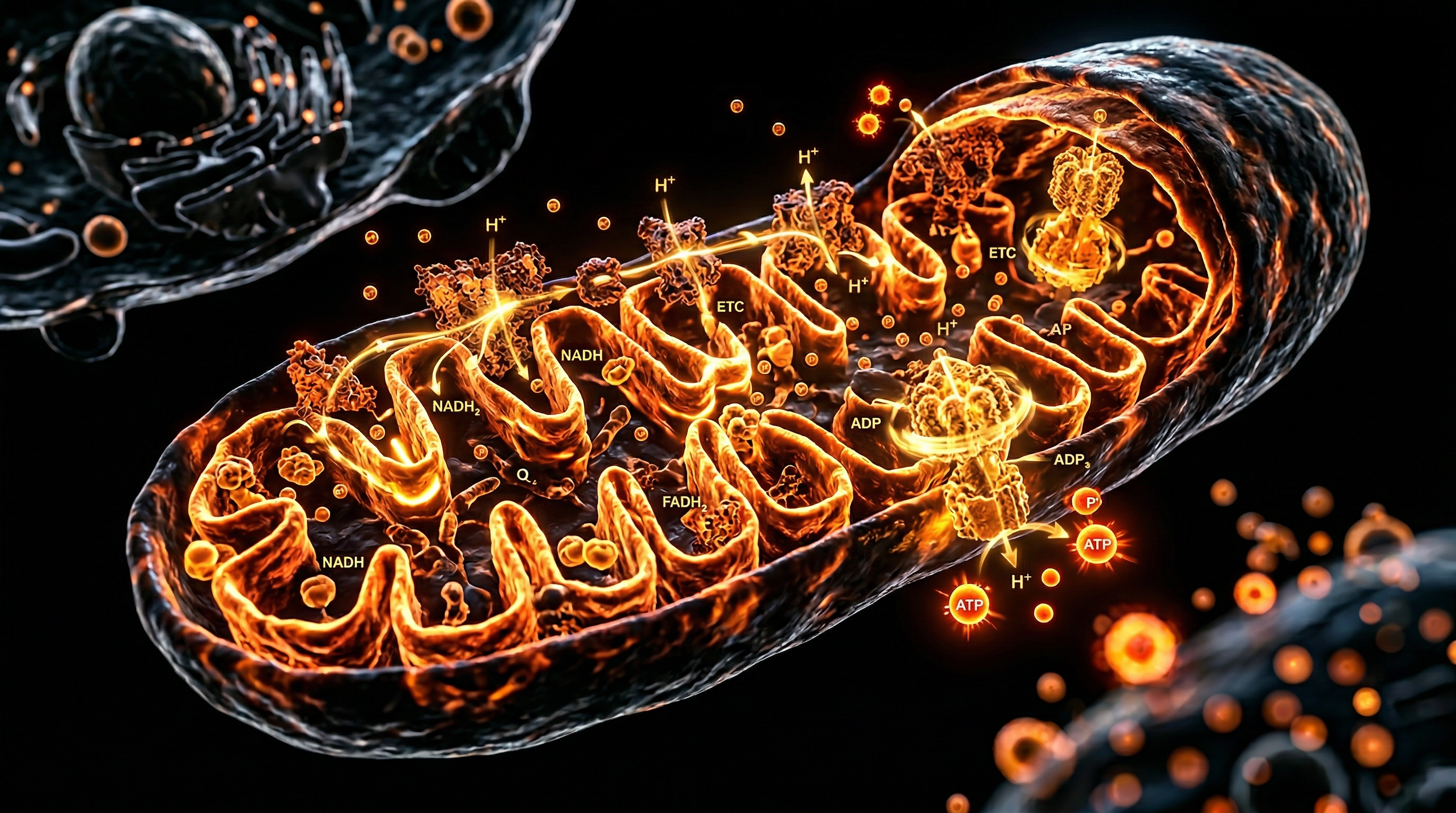
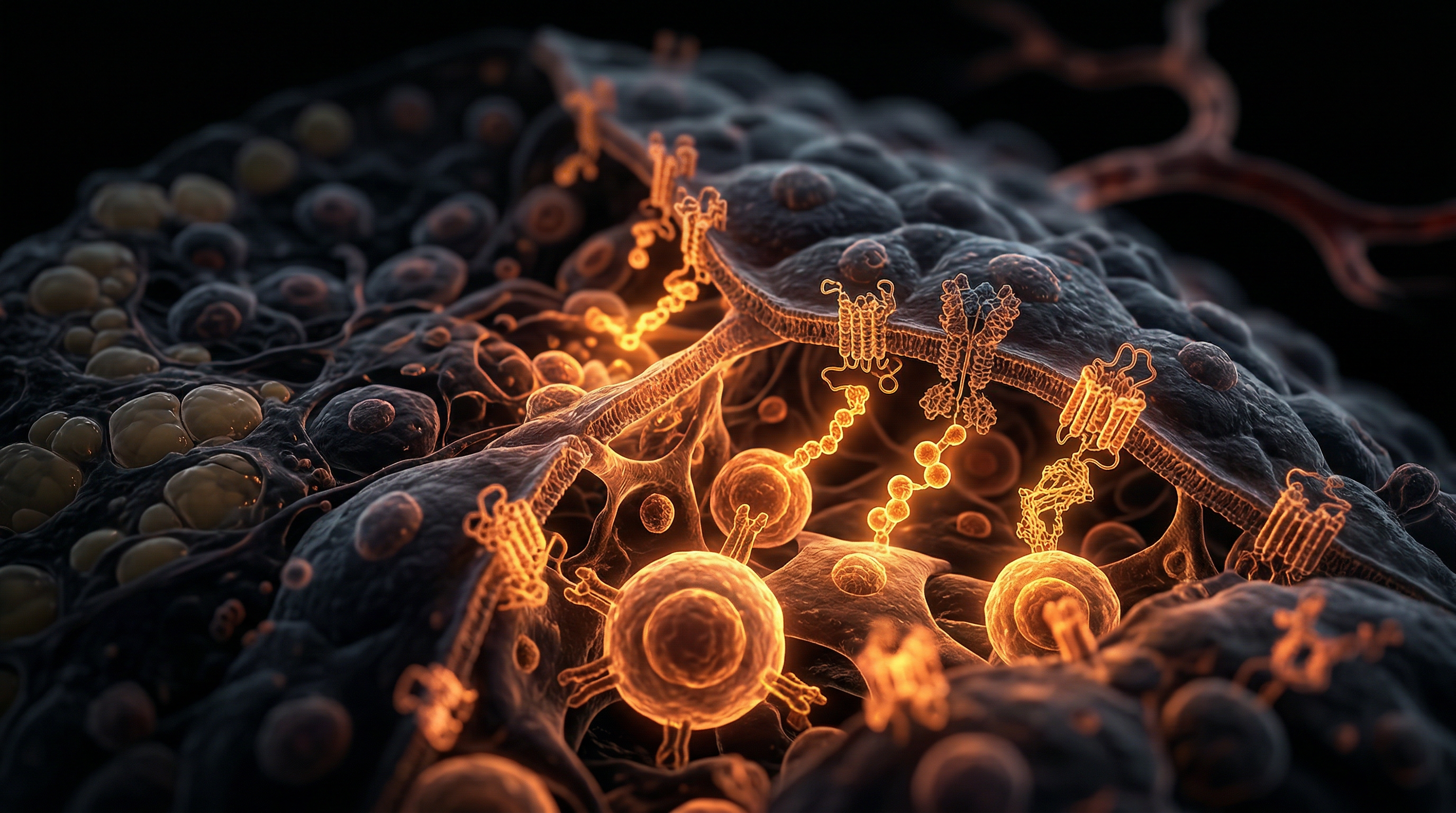
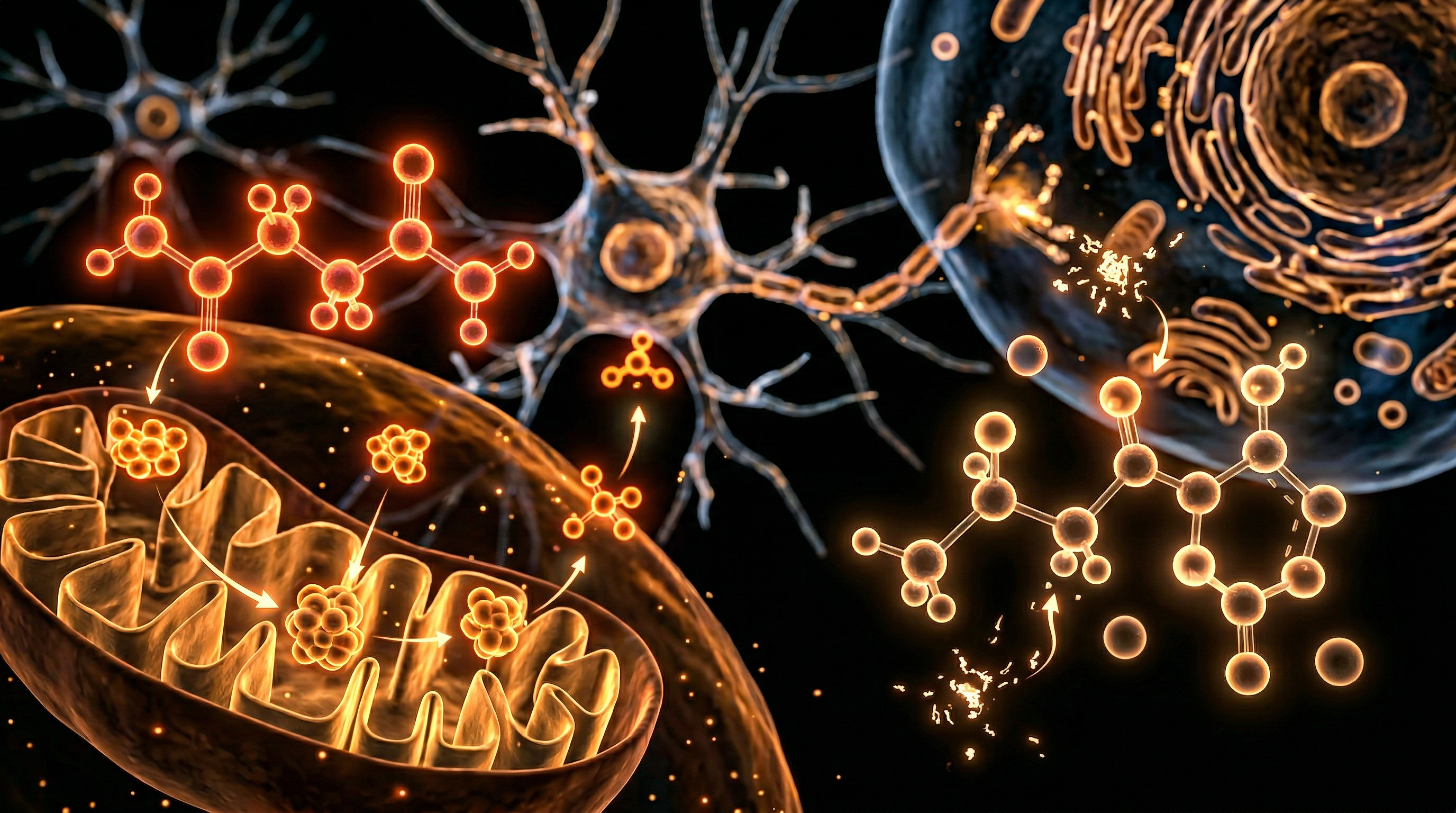
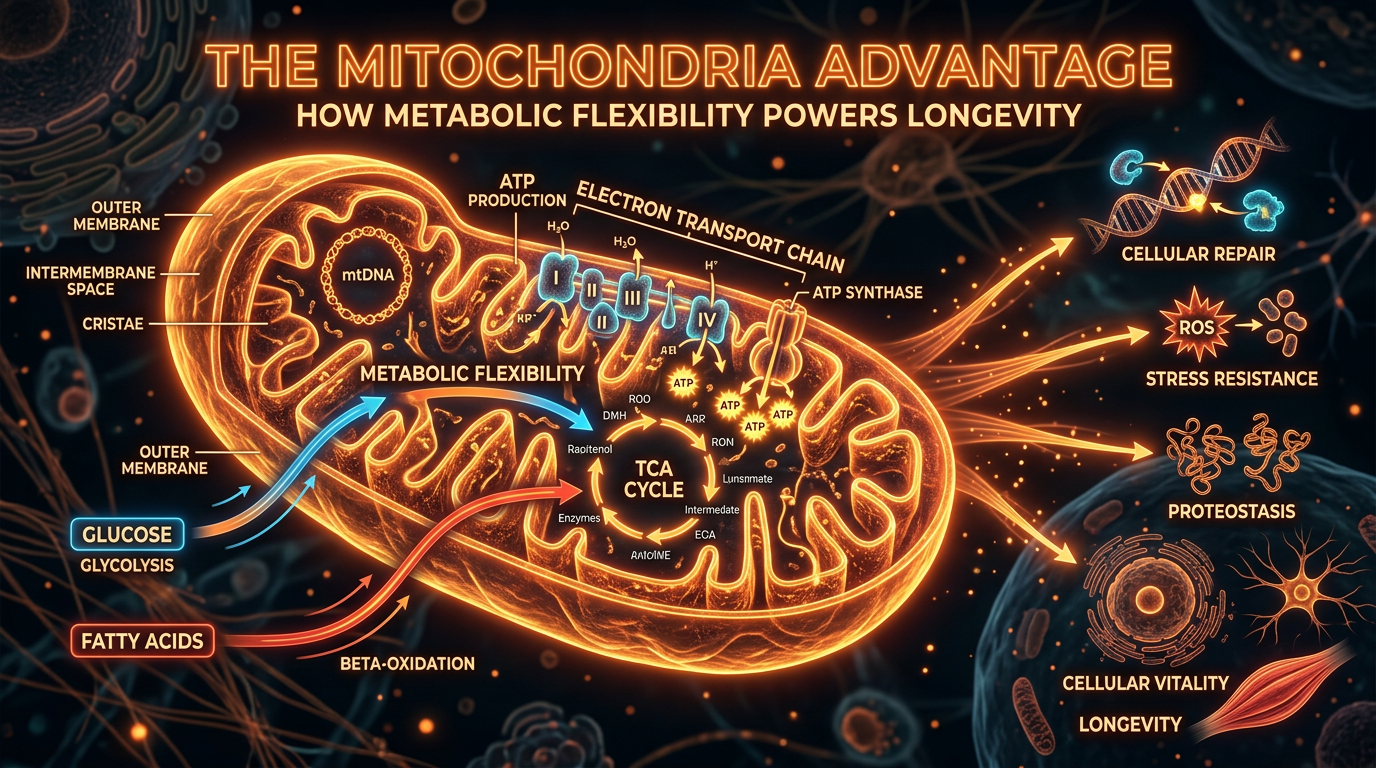
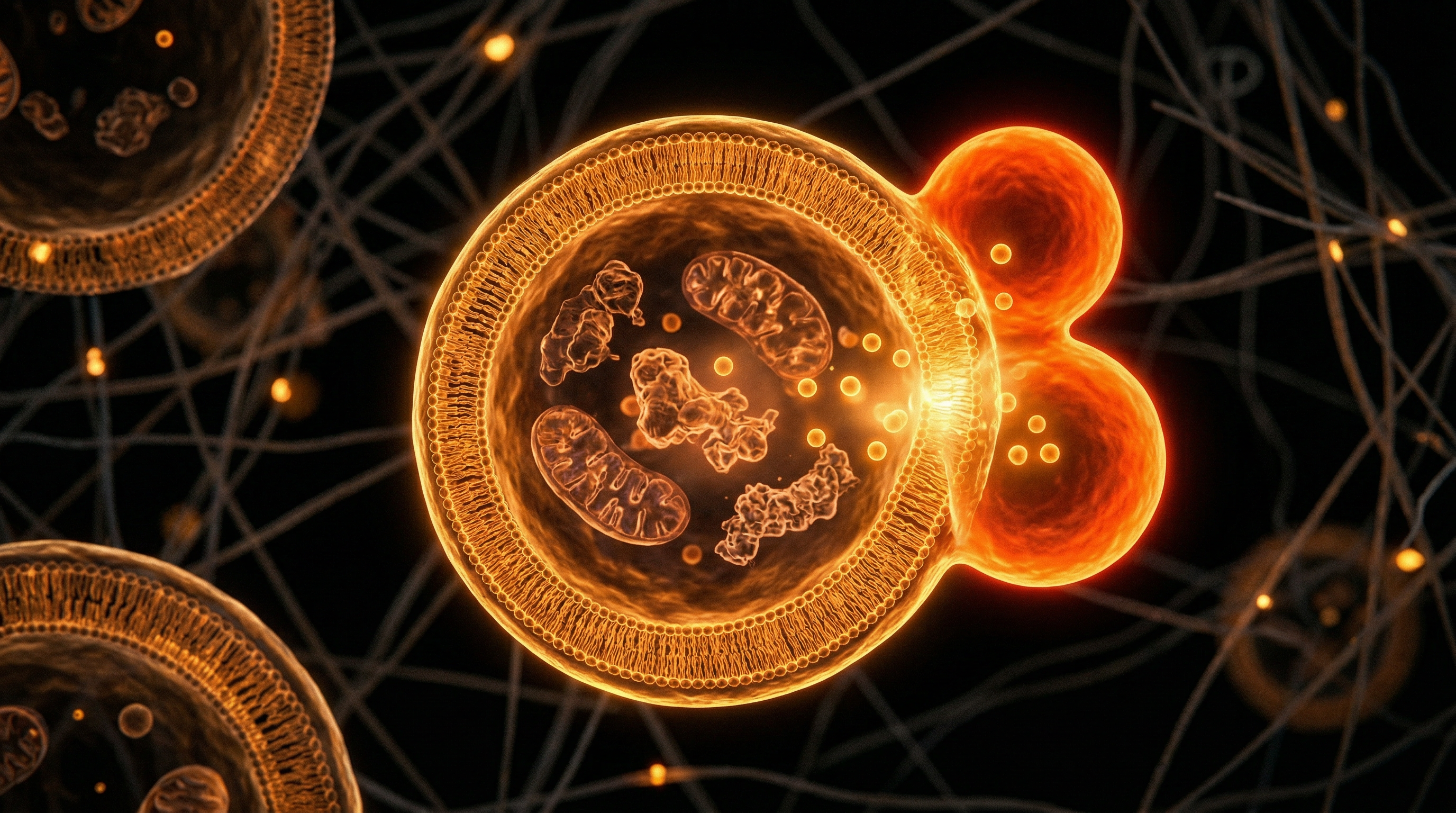
    Nicotinamide adenine dinucleotide (NAD+) is a coenzyme present in every cell of the body that serves as the essential electron carrier in the mitochondrial electron transport chain, the substrate for SIRT1 through SIRT7 longevity-associated sirtuins, the fuel for PARP DNA repair enzymes, and a critical regulator of the circadian clock — making it arguably the most important molecule in the biology of ageing, energy production, and disease prevention. NAD+ levels decline precipitously with age, chronic alcohol consumption, inflammatory conditions, and genotoxic exposure, creating a cellular energy and repair deficit that underlies the pathology of neurodegeneration, cancer, metabolic disease, and immunological collapse. The urgent conversation about NAD+ precursors and restoration strategies is one of the most significant developments in functional medicine.

    #NAD+#NMN
    A
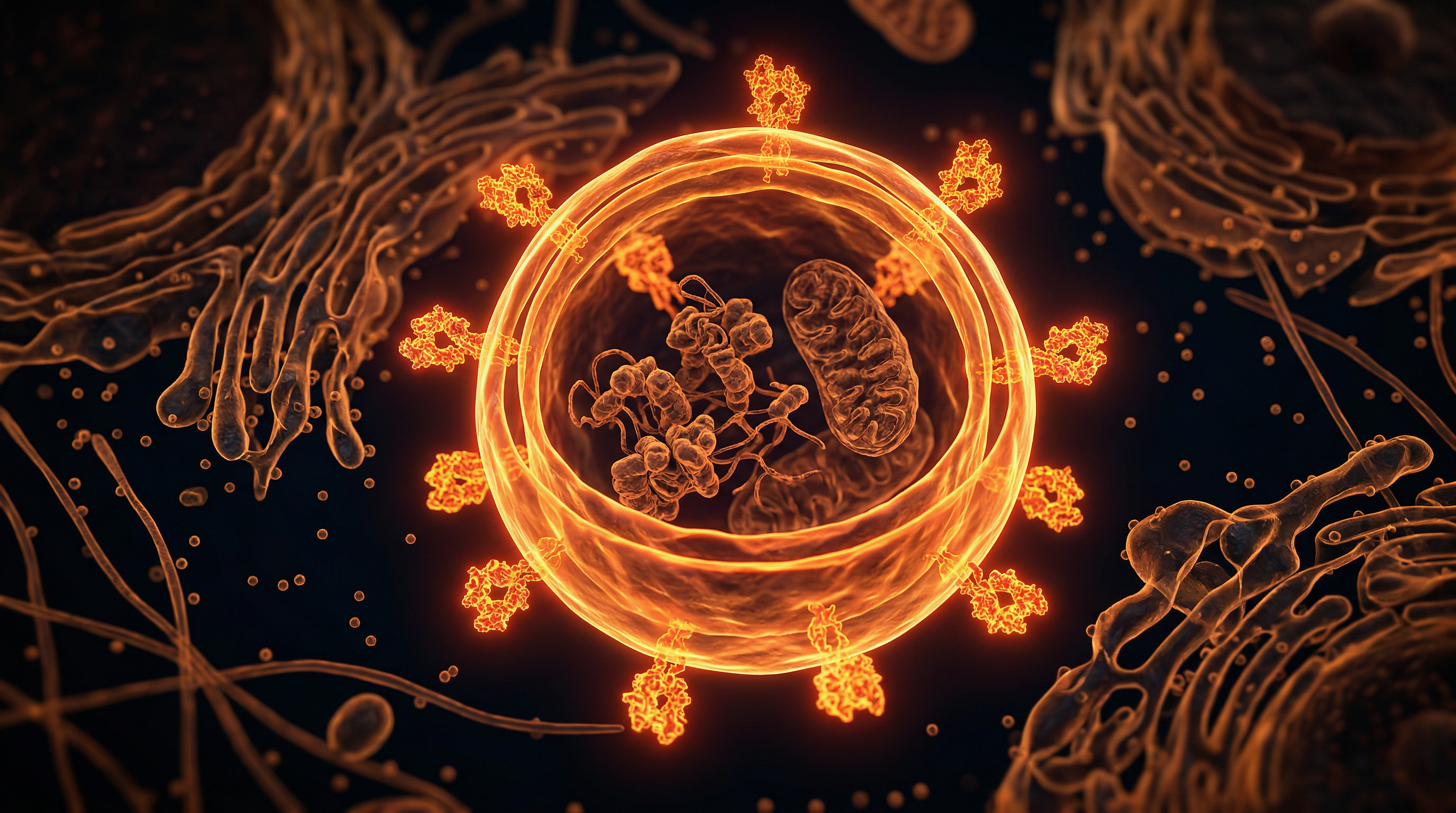
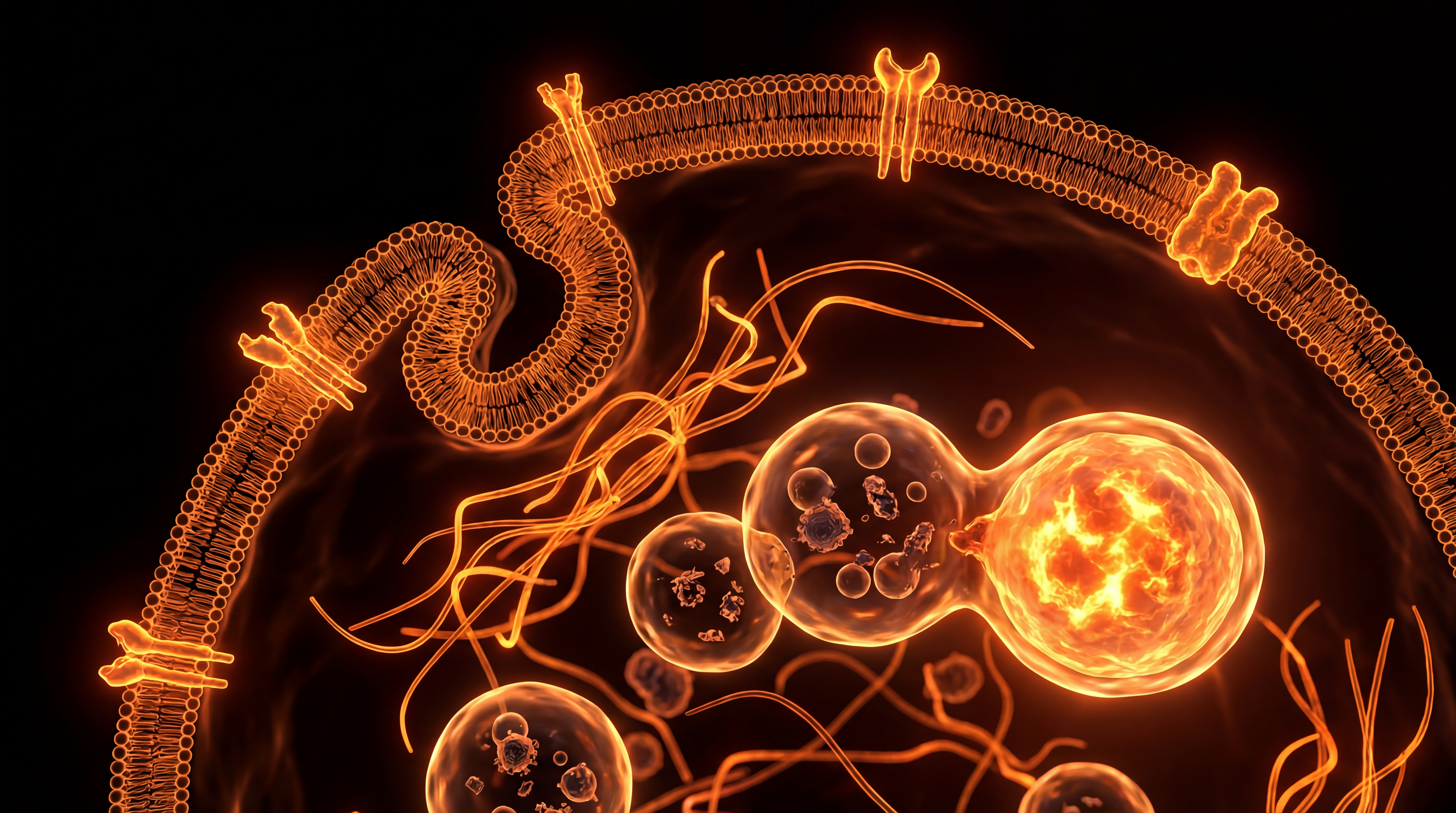
    Scientific illustration for Autophagy: The Body's Cellular Self-Cleaning Protocol
    Cellular Biology
    14 MIN READ

    Autophagy: The Body's Cellular Self-Cleaning Protocol

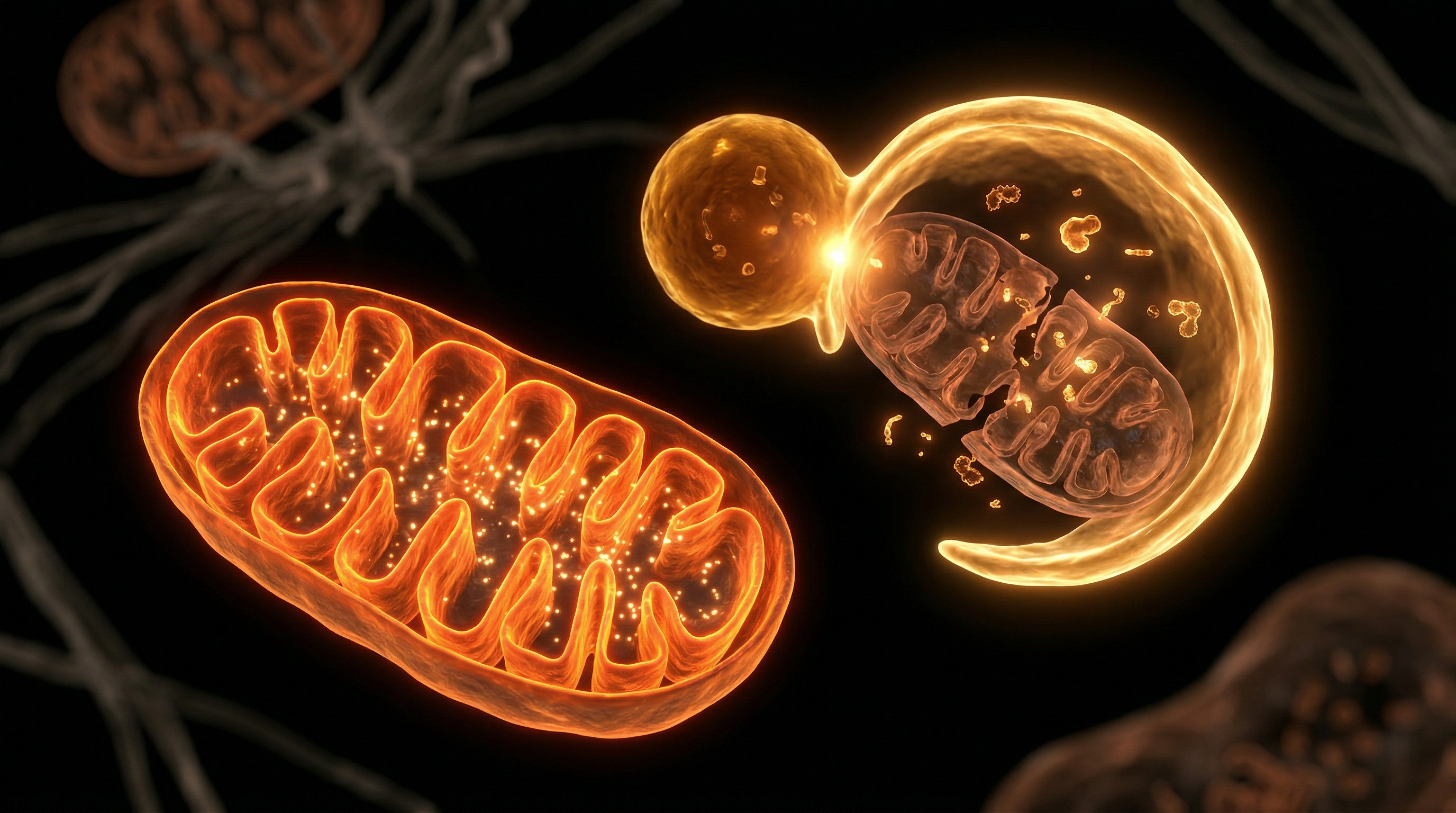
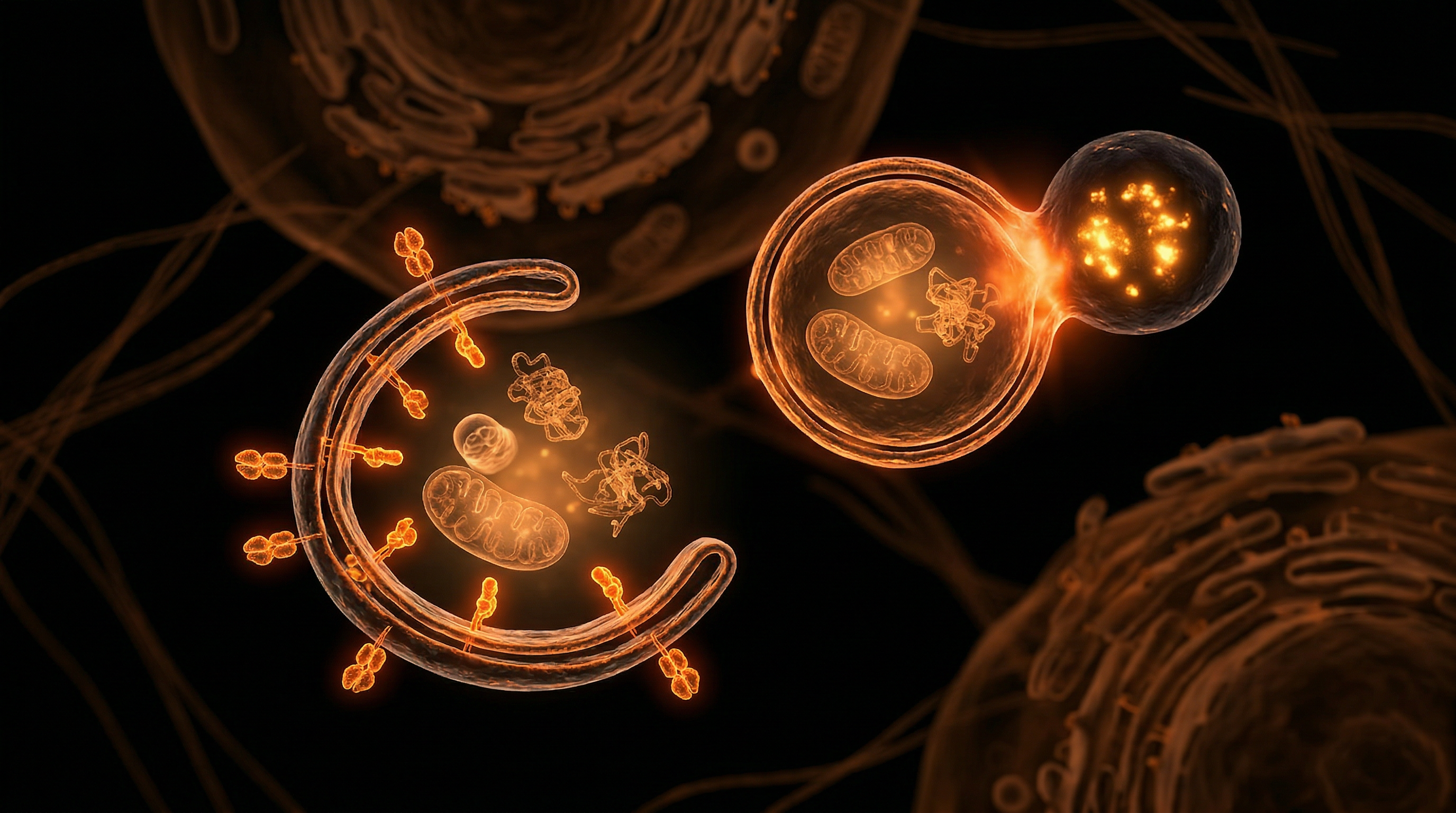
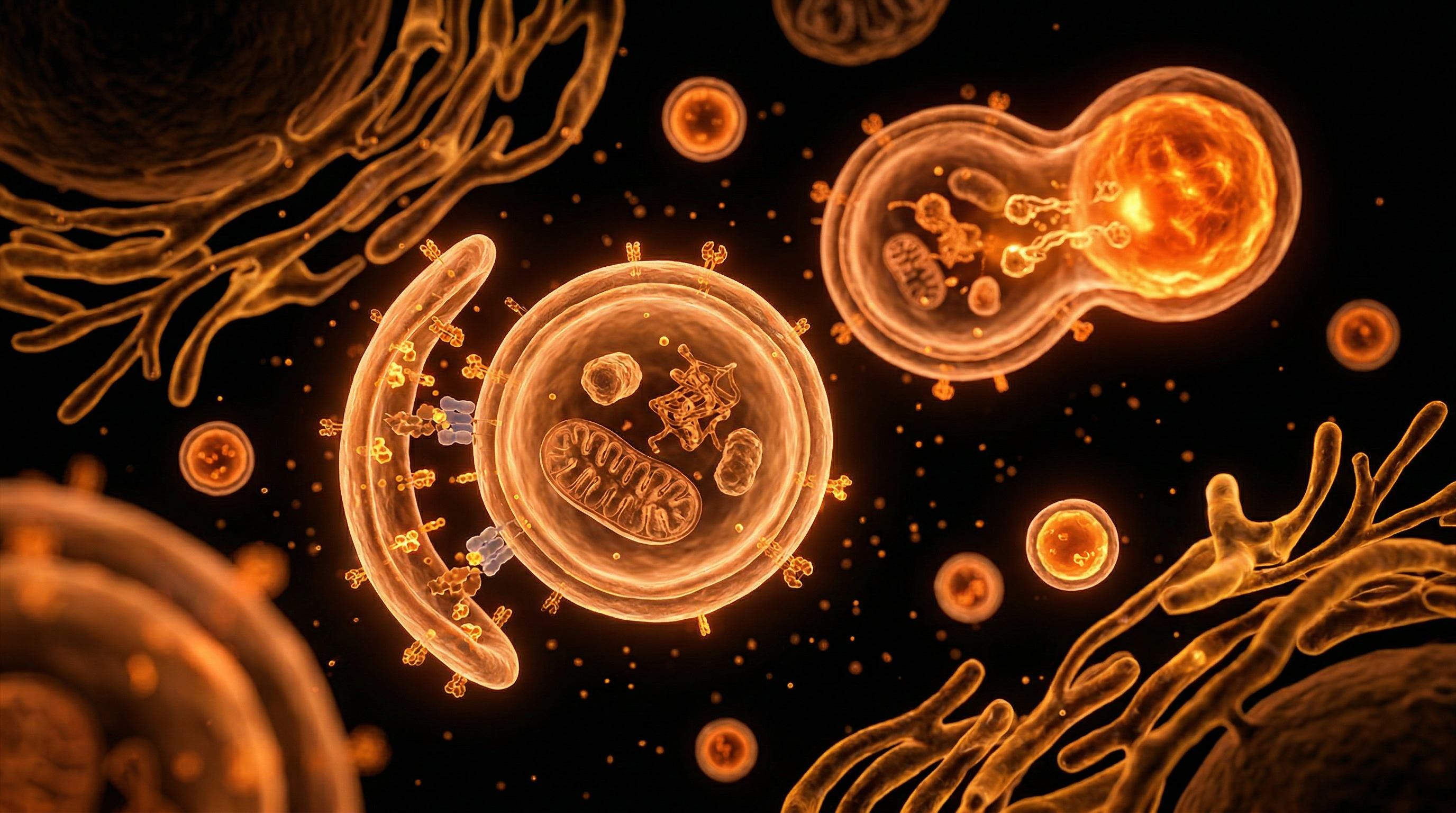
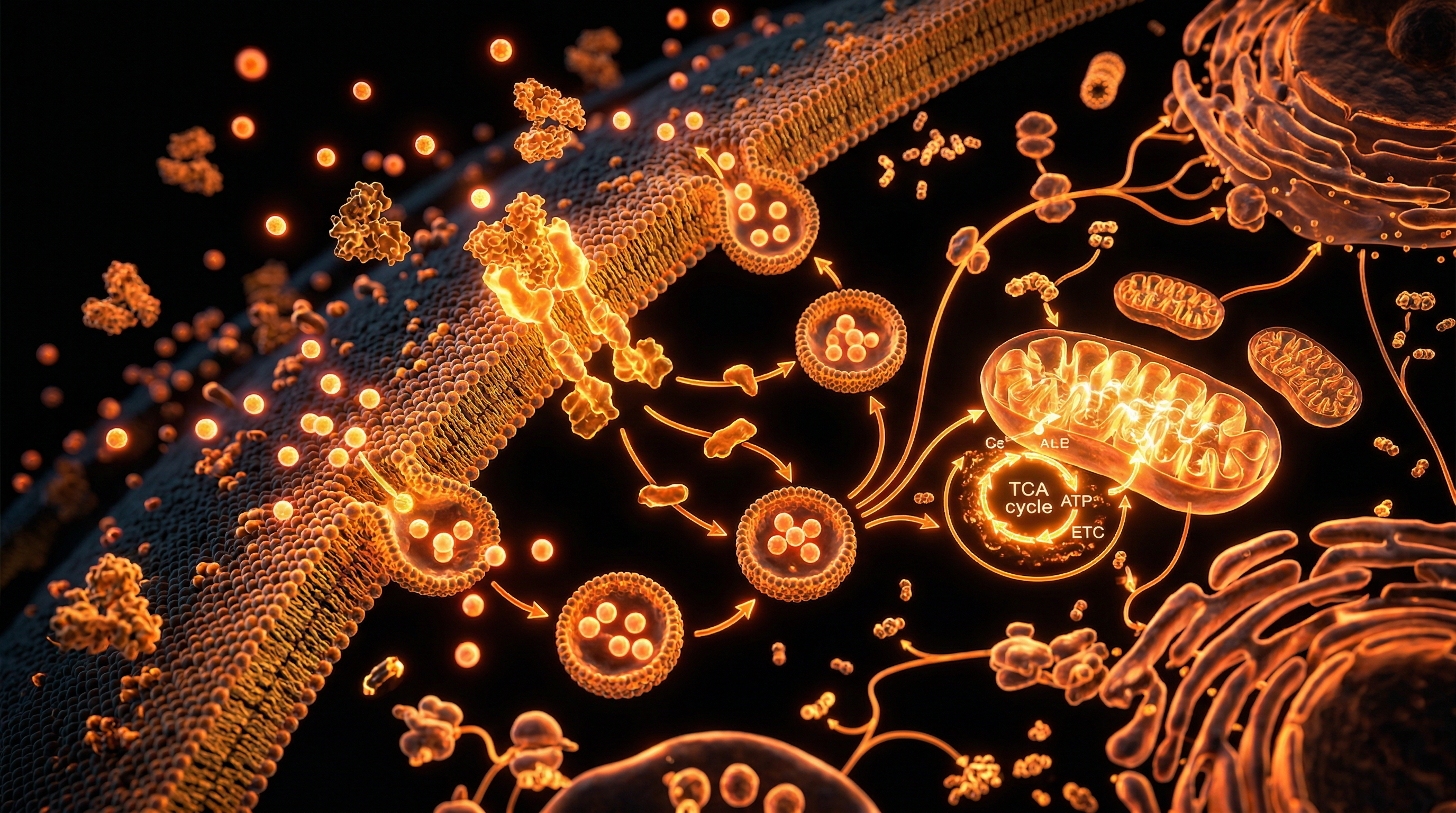
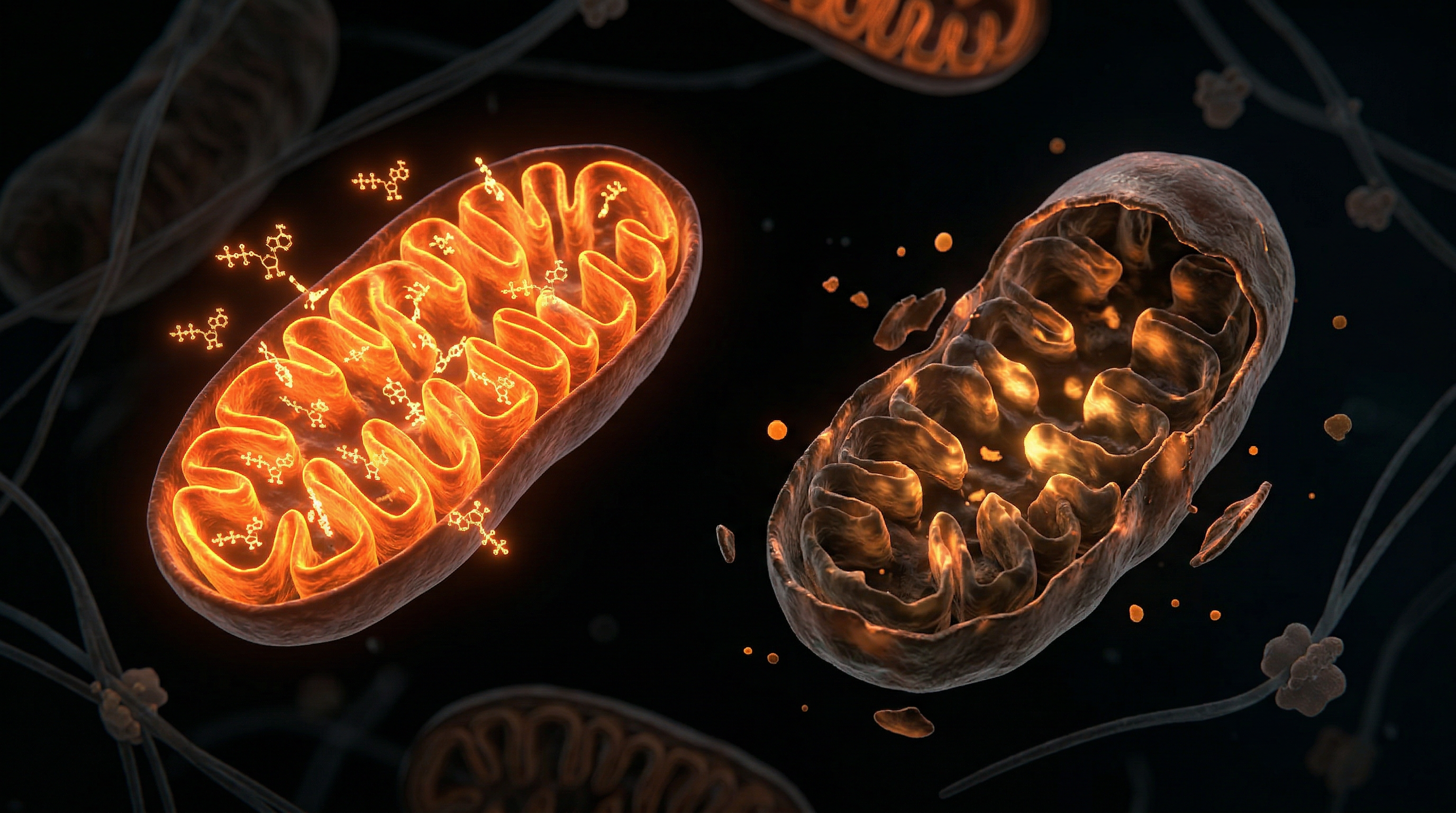
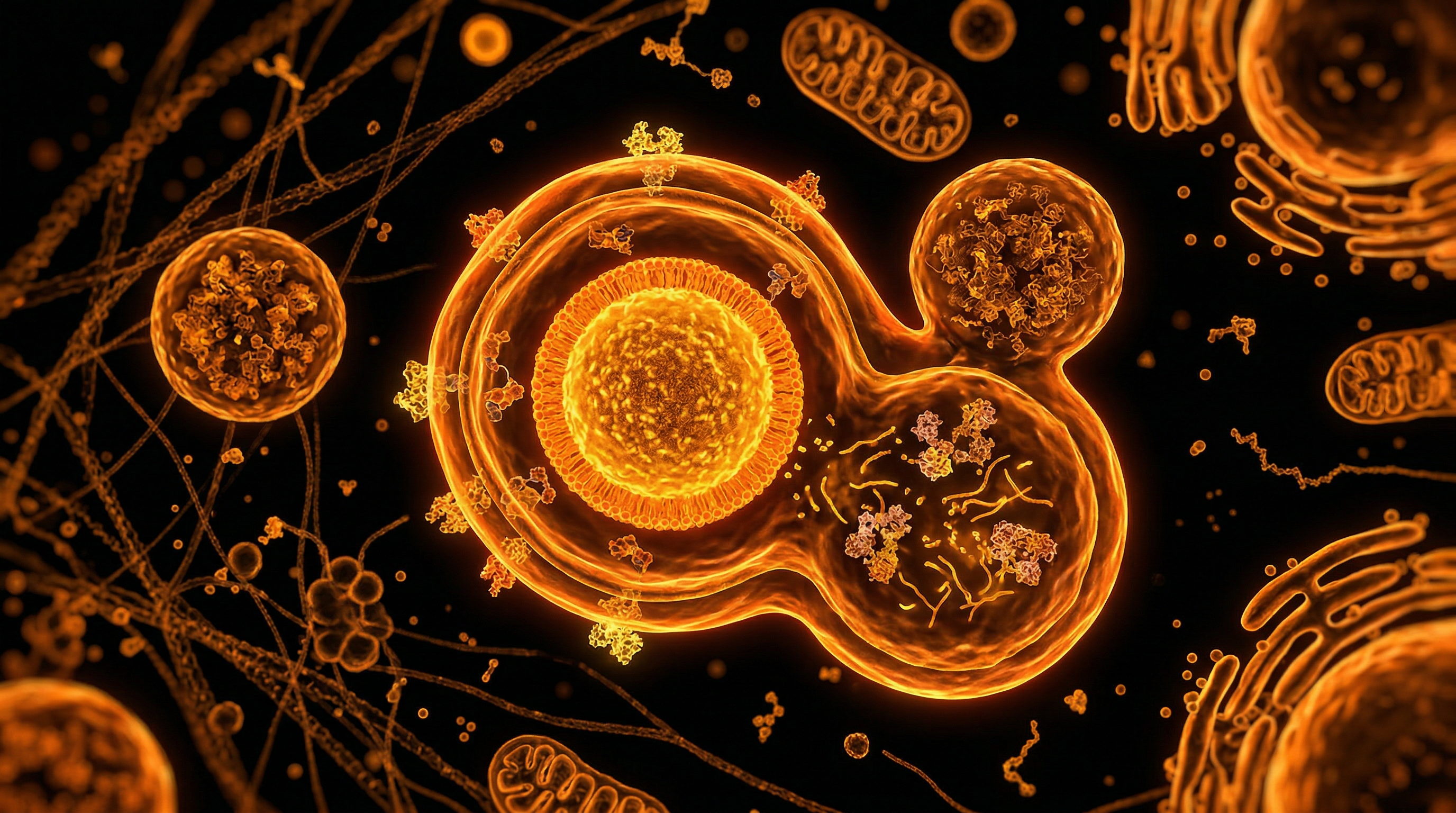
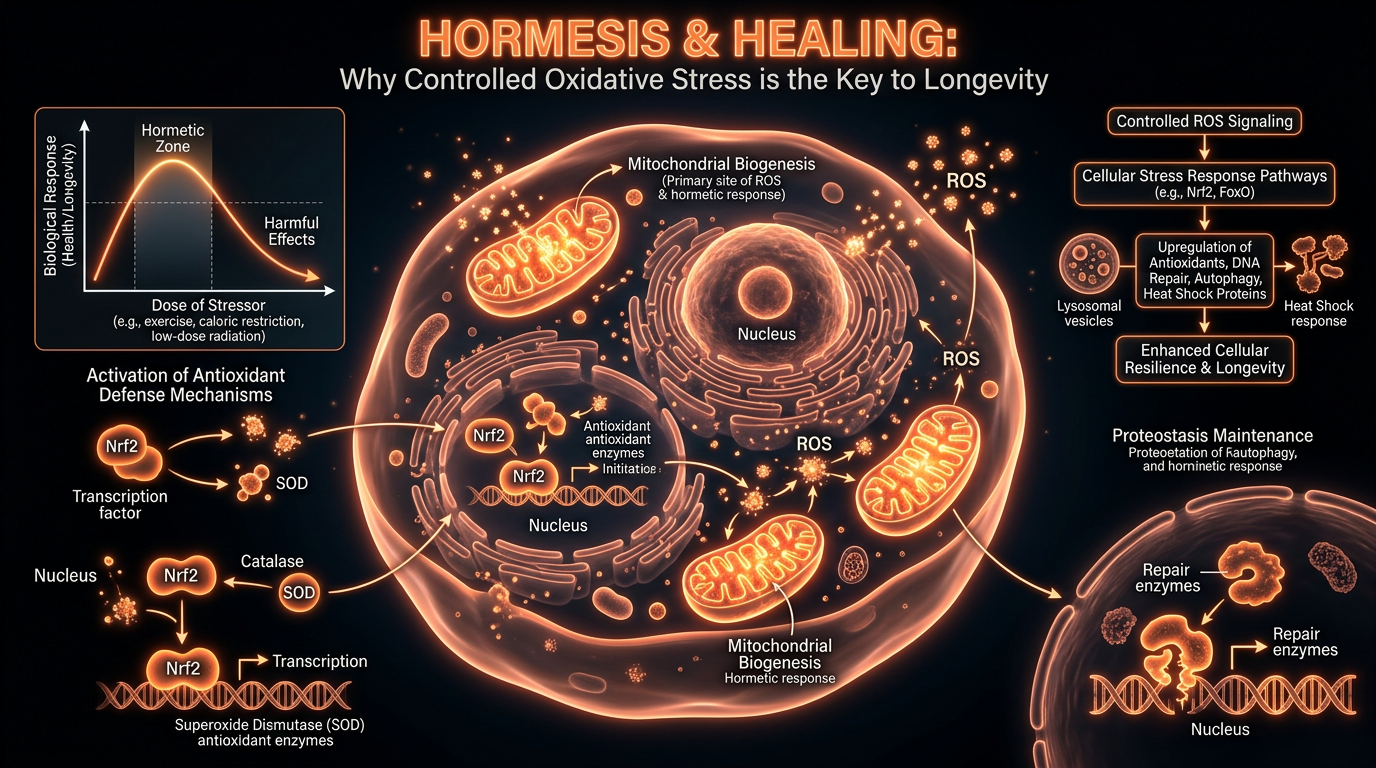
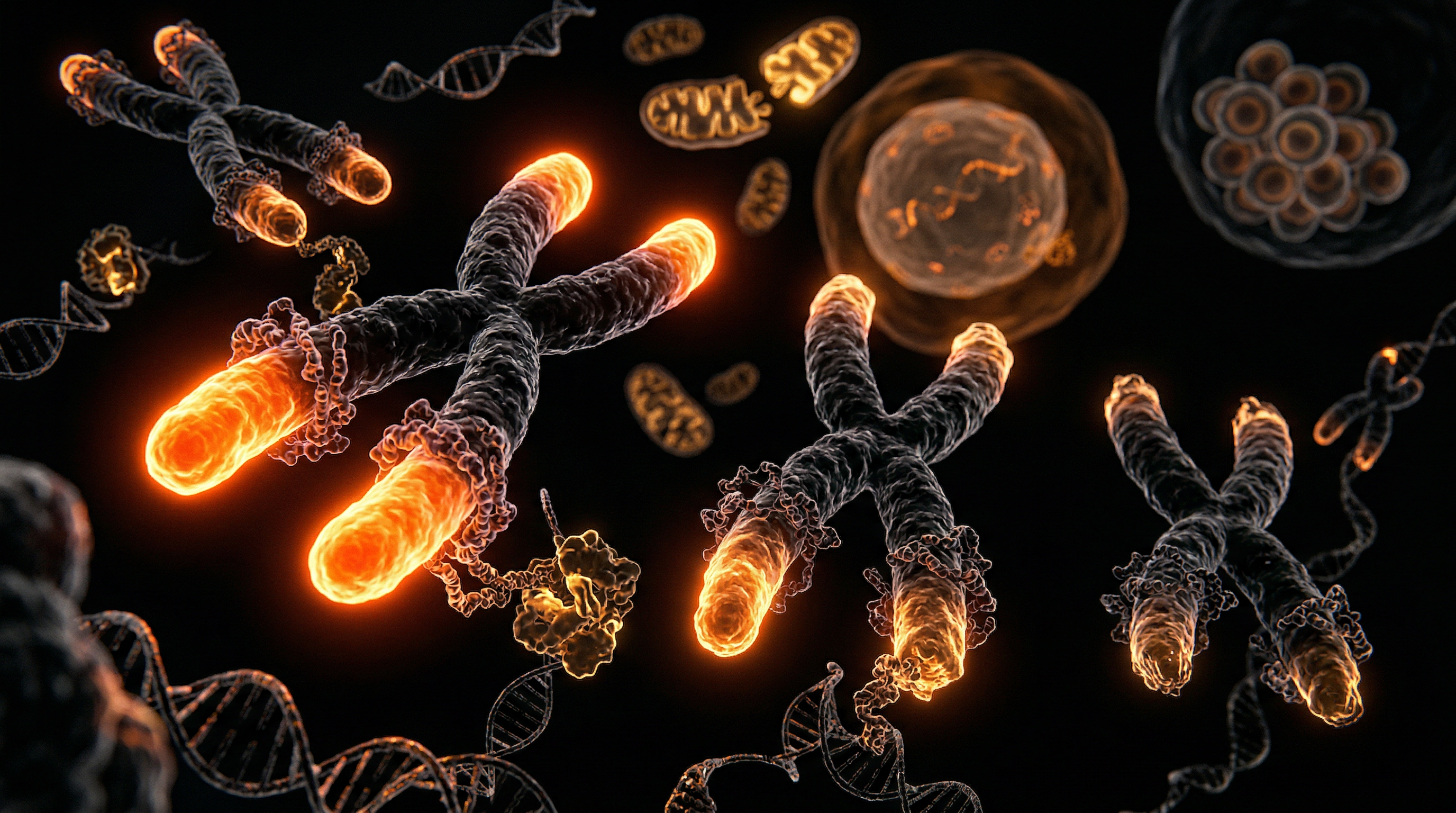
    Autophagy — literally 'self-eating' — is the cell's essential quality control mechanism by which damaged organelles, misfolded proteins, and dysfunctional mitochondria are sequestered in double-membrane autophagosomes and delivered to lysosomes for recycling, a process that is fundamental to cancer prevention, neurological health, immune function, and the cellular rejuvenation that drives longevity. Modern lifestyle factors systematically suppress autophagy: chronic mTOR activation from hyperinsulinaemia driven by processed carbohydrate consumption, excessive protein intake, and near-continuous feeding eliminates the cellular fasting signal required to initiate autophagic processes. Environmental toxins including heavy metals impair lysosomal function and disrupt autophagic flux, contributing to the accumulation of the dysfunctional cellular debris — amyloid, alpha-synuclein, tau — that characterises Alzheimer's and Parkinson's disease.
    #autophagy#fasting