
Telomere Shortening Across Generations: The Biological Debt of War
Published April 2026
We examine the phenomenon of 'intergenerational telomere attrition,' where the chronic stress of one generation results in shorter telomeres in the next. This article breaks down the biological link between psychological trauma and cellular aging, explaining why descendants of traumatized populations may face earlier onset of age-related diseases. We also discuss strategies for telomerase activation and cellular repair.
Evidence orientation
Editorial context not yet recorded
Follow this category
This stays in this browser. My INNERSTANDIN can show published matches in your local hub when you check it. It does not send email, push, or alert notifications.
Local learning review
A private browser aid for revisiting ideas. It is not an alert or a health recommendation.
Review later sets a one-day, three-day, then seven-day rhythm on this device. Choose it only when you want to revisit this article.
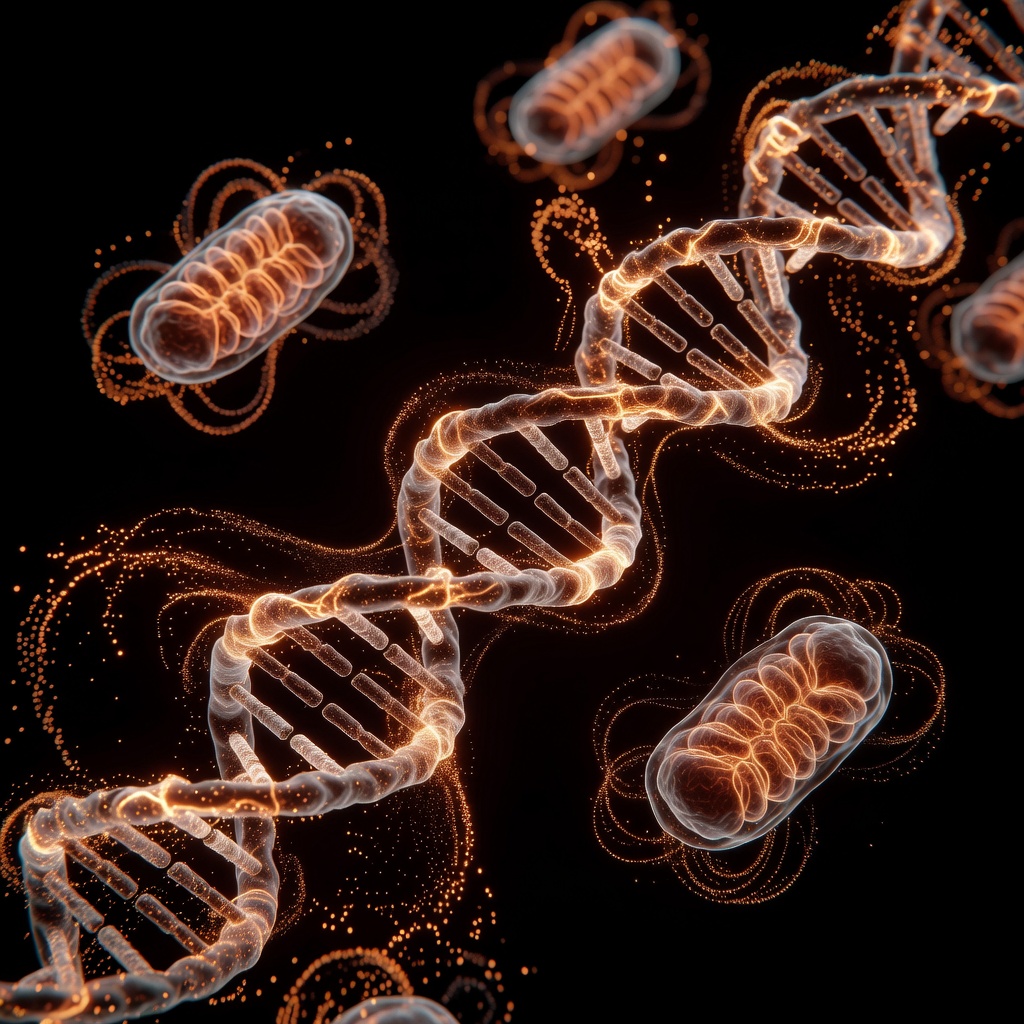
Telomeres are the protective caps at the ends of our chromosomes, often compared to the plastic tips on shoelaces. They prevent our DNA from fraying and are a primary marker of biological age. Every time a cell divides, the telomeres get shorter; when they become too short, the cell enters senescence and dies. While telomere shortening is a natural part of aging, the rate at which it happens is highly variable. New research into 'The Biological Debt of War' suggests that chronic, systemic trauma—such as that experienced by refugees or survivors of genocide—can lead to significantly shorter telomeres not just in the survivors, but in their children and grandchildren.
Conventional medicine views telomere length as an individual biomarker, usually influenced by personal lifestyle factors like smoking or lack of sleep. It rarely considers the 'pre-set' length inherited at birth. This intergenerational attrition is thought to be mediated by the presence of high levels of cortisol in the womb, which can inhibit the activity of telomerase, the enzyme responsible for repairing and lengthening telomeres. When a fetus is bathed in stress hormones, its cellular 'clock' is effectively fast-forwarded. Studies of Holocaust survivors and their offspring have shown this exact pattern: the second generation often displays shorter telomeres and higher levels of systemic inflammation, even if they have lived relatively peaceful lives.
This suggests that trauma creates a 'biological debt' that the next generation must pay in the form of accelerated cellular aging and a higher susceptibility to conditions like cardiovascular disease, cancer, and Alzheimer's. However, the story does not end there. Telomere length is not a one-way street. The discovery of telomerase by Elizabeth Blackburn showed that we have the internal machinery to rebuild our telomeres. Lifestyle factors are the primary dial for this enzyme.
Intensive meditation, high-intensity interval training (HIIT), and specific nutrients like Vitamin D, Omega-3s, and Astragalus (containing the compound TA-65) have all been shown to increase telomerase activity. Furthermore, social support and a sense of 'community' have a measurable protective effect on telomere length, highlighting the biological importance of safety and belonging in reversing the effects of inherited trauma. For those carrying the weight of ancestral trauma, the focus must be on 'cellular preservation.' This means minimizing oxidative stress through an antioxidant-rich diet, optimizing mitochondrial health, and engaging in deep-rest practices that signal safety to the body. By consciously activating telomerase, we can begin to pay back the biological debt of our ancestors and ensure a longer, healthier lifespan for the generations to come.
This article is provided for informational and educational purposes only. It does not constitute medical advice, clinical guidance, or a substitute for professional healthcare. Information reflects cited research at time of publication. Always consult a qualified healthcare professional before acting on any health information.
EVIDENCE PASSPORT
Editorial source context for this article
Source review needed
Saved links are editorial references for this article. They may support specific claims rather than every sentence. Open and assess each source in context. This passport does not independently verify them.
Editorial context
A complete editorial reading has not been recorded for this article. Source links remain available for you to open and assess directly.
Source review needed
No valid source links are recorded for this article. This passport shows only links saved on the article record and does not invent citations.
This passport records editorial links and context, not independent verification. Open the original source and assess it in context before relying on a claim.
Medical Disclaimer
The information in this article is for educational purposes only and does not constitute medical advice, diagnosis, or treatment. Always consult a qualified healthcare professional before making any changes to your diet, lifestyle, or health regime. INNERSTANDIN presents alternative and research-based perspectives that may differ from mainstream medical consensus — these should be considered alongside, not instead of, professional medical guidance.
Read Full DisclaimerContinue the thread
Keep this question moving.
Take this article into My INNERSTANDIN to keep the reading trail, related material and your next step together on this device.
Explore this in the Body Map
See where this hits your biology. Interactive anatomy, threats, and protective protocols.
Dig deeper in the Library
Free, longform PDF volumes that go beyond headlines into mechanisms and references.