
Autophagy: Harnessing the Body's Natural Cellular Recycling System
Updated June 2026
Autophagy is a critical biological process where cells degrade and recycle damaged components to maintain efficiency and prevent disease. Understanding how to trigger this mechanism through nutrient sensing pathways offers a powerful tool for extending healthspan.
Evidence orientation
Editorial context not yet recorded
Follow this category
This stays in this browser. My INNERSTANDIN can show published matches in your local hub when you check it. It does not send email, push, or alert notifications.
Local learning review
A private browser aid for revisiting ideas. It is not an alert or a health recommendation.
Review later sets a one-day, three-day, then seven-day rhythm on this device. Choose it only when you want to revisit this article.
Overview
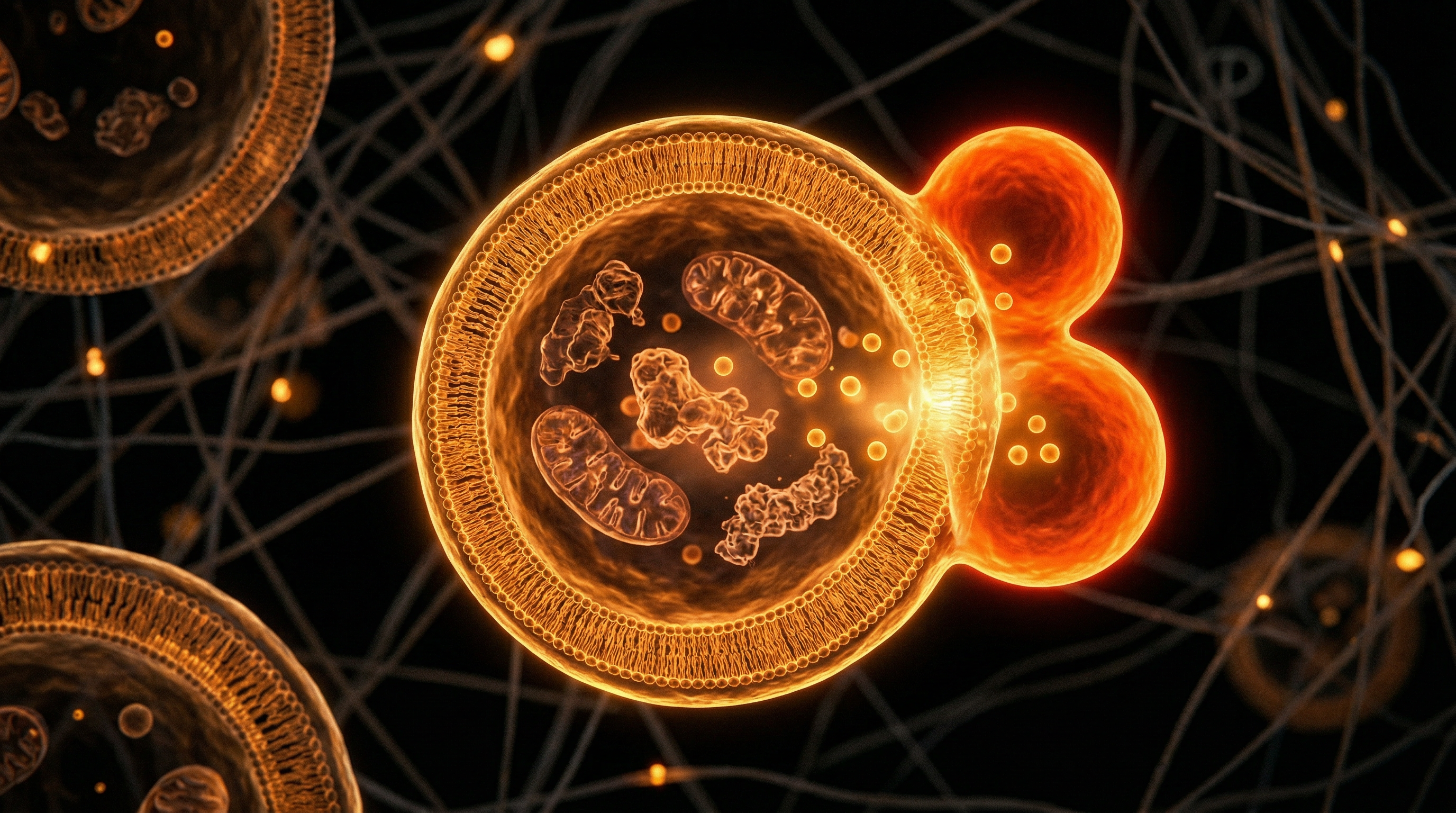
At the nexus of geroscience and molecular biology lies autophagy—a fundamental, evolutionarily conserved catabolic process responsible for the degradation and recycling of dysfunctional cellular components. Derived from the Greek autóphagos (self-eating), this mechanism is not merely a cellular 'cleanup' service but a sophisticated homeostatic regulatory system essential for proteostasis and organelle quality control. At its core, autophagy involves the sequestration of cytoplasmic constituents, including misfolded proteins, damaged mitochondria (mitophagy), and invasive pathogens, within double-membrane vesicles known as autophagosomes. These vesicles subsequently fuse with lysosomes, where their cargo is dismantled by acid hydrolases into constituent amino acids and fatty acids, which are then recirculated into the metabolic pool for ATP production and de novo protein synthesis.
Crucially for our INNERSTANDIN of human longevity, autophagy functions as the primary intracellular defence against the hallmarks of ageing. The orchestration of this process is governed by a complex interplay of nutrient-sensing pathways, primarily the mammalian target of rapamycin complex 1 (mTORC1) and the adenosine monophosphate-activated protein kinase (AMPK). In states of nutrient abundance, mTORC1—the master regulator of protein synthesis—suppresses autophagy by phosphorylating the ULK1 complex, thereby preventing autophagosome biogenesis. Conversely, under conditions of metabolic stress or pharmacological intervention (such as rapamycin or metformin administration), AMPK activation inhibits mTORC1, triggering a cascade of ATG (autophagy-related) gene expression that initiates the recycling sequence.
The systemic implications of autophagic flux are profound. Research published in Nature Reviews Molecular Cell Biology and The Lancet Healthy Longevity underscores that a decline in autophagic efficiency is a primary driver of 'inflammageing' and age-related pathologies, including neurodegenerative diseases like Alzheimer’s and Parkinson’s, where the accumulation of proteotoxic aggregates (beta-amyloid and alpha-synuclein) overwhelms the cell's degradative capacity. In the UK context, clinical research conducted at institutions such as the Francis Crick Institute and the University of Cambridge has identified that the pharmacological or lifestyle-induced upregulation of autophagy can delay the onset of sarcopenia and cardiovascular senescence. By reclaiming these intracellular resources, the body effectively 'de-ages' its cellular architecture, transitioning from a state of accumulation and stagnation to one of dynamic renewal. This biological imperative represents the frontier of longevity science, moving beyond symptomatic treatment toward the foundational restoration of cellular integrity.
The Biology — How It Works
At its fundamental level, macroautophagy—hereafter referred to as autophagy—is an evolutionary conserved, lysosome-mediated degradative pathway essential for maintaining cellular proteostasis and metabolic plasticity. At INNERSTANDIN, we recognise that this is not merely a passive "waste disposal" mechanism, but a highly regulated, sophisticated system of intracellular quality control. The process is orchestrated by a suite of autophagy-related (ATG) proteins, the discovery of which earned Yoshinori Ohsumi the Nobel Prize in Physiology or Medicine, providing the bedrock for our current understanding of cellular rejuvenation.
The initiation of autophagy is governed by the metabolic status of the cell, primarily sensed through the antagonistic relationship between the Mechanistic Target of Rapamycin Complex 1 (mTORC1) and the Adenosine Monophosphate-activated Protein Kinase (AMPK). In nutrient-replete states, mTORC1 remains active, phosphorylating the ULK1 (Unc-51-like autophagy-activating kinase 1) complex to inhibit its function. Conversely, during periods of cellular stress or nutrient deprivation—conditions often explored in UK-based longevity research involving caloric restriction mimetics—AMPK is activated. AMPK directly phosphorylates ULK1 and simultaneously inhibits mTORC1, thereby de-repressing the autophagic machinery.
Once triggered, the biological sequence moves into the nucleation phase. This involves the recruitment of the Class III Phosphoinositide 3-kinase (PI3K) complex, notably comprising Beclin-1, VPS34, and ATG14L. This complex generates Phosphatidylinositol 3-phosphate (PI3P) at the site of the phagophore—a cup-shaped, double-membrane precursor. The phagophore then undergoes expansion, a process requiring two ubiquitin-like conjugation systems. The first involves the formation of the ATG12–ATG5-ATG16L1 complex; the second involves the proteolytic cleavage of Pro-LC3 by ATG4 to form LC3-I, which is subsequently lipidated with phosphatidylethanolamine (PE) to form LC3-II. This lipidated LC3-II is integrated into the phagophore membrane and serves as the definitive biomarker for autophagic flux in clinical proteomics.
As the phagophore expands, it sequesters cytoplasmic cargo—including misfolded proteins, damaged organelles, and intracellular pathogens—within a sealed, double-membranous vesicle known as the autophagosome. The maturation phase culminates in the fusion of the autophagosome with a lysosome, mediated by SNARE proteins and the lysosomal membrane protein LAMP-2. Within the resulting autolysosome, the internal environment is acidified by vacuolar-type H+-ATPases, activating acid hydrolases that degrade the sequestered material into its constitutive monomers: amino acids, fatty acids, and simple sugars. These are سپس exported back into the cytosol for ATP production or protein synthesis, effectively recycling cellular components to sustain viability.
Research published in Nature Reviews Molecular Cell Biology emphasises that the precision of this system is critical; a failure in the selective autophagy of mitochondria (mitophagy), mediated by the PINK1/Parkin pathway, is a primary driver of age-related mitochondrial dysfunction and systemic inflammation. Through the lens of INNERSTANDIN, the biological imperative of autophagy is clear: it is the master regulator of the cellular "clearance-to-synthesis" ratio, a fundamental determinant of biological age and organismal longevity.
Mechanisms at the Cellular Level
To comprehend the profound implications of autophagy within the framework of INNERSTANDIN biological excellence, one must first dissect the intricate molecular choreography that governs cellular proteostasis. Autophagy is not a singular event but a highly regulated, multistage catabolic process—primarily macroautophagy—that preserves cellular integrity by degrading damaged organelles, misfolded protein aggregates, and intracellular pathogens. At the apex of this regulatory hierarchy sits the Mechanistic Target of Rapamycin Complex 1 (mTORC1), a nutrient-sensing kinase that serves as the primary molecular "brake" on autophagic flux. Under conditions of nutrient plethora, mTORC1 phosphorylates the ULK1/2 (Unc-51-like autophagy activating kinase) complex, rendering it inactive and prioritising anabolic growth.
The transition from cellular stagnation to rejuvenation requires a decisive metabolic shift, typically mediated by the Adenosine Monophosphate-activated Protein Kinase (AMPK). When the cellular energy charge drops—a state of metabolic "truth" promoted through the INNERSTANDIN lens of hormetic stress—AMPK acts as a dual-action switch: it directly inhibits mTORC1 while simultaneously phosphorylating ULK1 at specific serine residues (Ser317 and Ser777). This activation triggers the nucleation of the phagophore, a nascent, crescent-shaped isolation membrane derived from the endoplasmic reticulum or Golgi apparatus.
The maturation of this membrane into a functional autophagosome is dependent upon the Class III Phosphoinositide 3-kinase (PI3K) complex, specifically involving Beclin-1 and VPS34. Research published in Nature and pioneered by Nobel laureate Yoshinori Ohsumi has elucidated the role of Autophagy-Related (ATG) proteins in this elongation phase. Two critical ubiquitin-like conjugation systems are recruited: the ATG12–ATG5–ATG16L1 complex and the lipidation of Microtubule-associated protein 1 Light Chain 3 (LC3). The conversion of cytosolic LC3-I to its lipidated form, LC3-II, is the definitive histological marker of autophagosome formation. This double-membraned vesicle then engulfs its cargo, often guided by sequestosome-1 (p62), which acts as an adapter protein for ubiquitinated substrates.
The final, and perhaps most critical, stage is the fusion of the autophagosome with a lysosome to form an autolysosome. This process is facilitated by the Rab7 GTPase and SNARE proteins (Soluble N-ethylmaleimide-sensitive factor attachment protein receptors). Inside the acidic lumen of the autolysosome, an array of cathepsins and acid hydrolases degrade the encapsulated material into its constituent building blocks—amino acids, fatty acids, and nucleosides. These are subsequently exported back into the cytoplasm via permeases to be repurposed for ATP production or the synthesis of new, functional cellular components.
From a UK clinical perspective, research emerging from institutions such as the Francis Crick Institute has highlighted that the failure of this "cellular janitorial" system is a hallmark of neurodegenerative and cardiometabolic pathologies. By harnessing these endogenous mechanisms, we do not merely delay decay; we actively re-engineer the cellular environment for longevity. The INNERSTANDIN approach recognises that maintaining high autophagic flux is the biological prerequisite for circumventing the 'inflammaging' phenotype, ensuring that the body’s internal recycling system operates at peak evolutionary efficiency.
Environmental Threats and Biological Disruptors
The precision-engineered machinery of macroautophagy is increasingly besieged by the deleterious fallout of the Anthropocene. Within the UK’s urban centres, the biological imperative for cellular self-renewal is being systematically undermined by a cocktail of xenobiotics and lifestyle-induced metabolic perturbations. At the molecular level, autophagy—governed by the highly conserved ATG (Autophagy-Related) gene programme—is not merely a passive recycling system; it is a vital homeostatic rheostat that is hypersensitive to exogenous disruptors.
Chief among these threats are endocrine-disrupting chemicals (EDCs), such as bisphenols and phthalates, which remain pervasive in British consumer goods and the food chain. Research published in Nature Communications and indexed via PubMed underscores that these substances do more than mimic hormones; they directly interfere with the PI3K/Akt/mTOR signalling axis. By aberrantly activating the mechanistic target of rapamycin (mTORC1), EDCs effectively lock the cellular gates against autophagic flux, preventing the formation of the double-membrane autophagosome. This results in the progressive accumulation of ubiquitinated protein aggregates and damaged organelles, a state of 'cellular constipation' that accelerates the phenotypic hallmarks of biological ageing.
Furthermore, the UK’s persistent challenges with particulate matter (PM2.5) and nitrogen dioxide—particularly in metropolitan corridors—present a direct insult to pulmonary and systemic proteostasis. Evidence from The Lancet Planetary Health suggests that chronic exposure to these pollutants induces severe oxidative stress, overwhelming the cell’s antioxidant defences and leading to lysosomal dysfunction. When the lysosome—the acidic ‘incinerator’ of the cell—is compromised by heavy metal infiltration (such as cadmium or lead), the final stage of autophagy fails. This leads to a toxic buildup of p62/SQSTM1, a protein marker for autophagic stagnation, which has been linked to neurodegenerative sequelae and systemic inflammageing.
The modern British diet, characterised by a disproportionately high intake of ultra-processed foods (UPFs), acts as a secondary biological disruptor. The chronic hyperinsulinaemia associated with UPF consumption keeps the body in a permanent ‘fed state,’ suppressing the activation of AMPK (adenosine monophosphate-activated protein kinase). Without the metabolic trigger provided by AMPK, the ULK1 complex remains phosphorylated and inactive, silencing the signal for autophagy to commence. At INNERSTANDIN, we recognise that this nutritional landscape creates a state of metabolic inflexibility where the body forgets how to cleanse itself.
Finally, the disruption of circadian rhythms—exacerbated by artificial blue light and irregular sleep patterns common in the UK’s 'always-on' economy—de-synchronises the peripheral molecular clocks that regulate the temporal expression of ATG genes. This misalignment ensures that even when nutrient scarcity occurs, the cellular machinery is chronologically incapable of initiating repair. To achieve true longevity, one must navigate this hostile environment by prioritising the restoration of these hijacked biological pathways. This is the core mission of INNERSTANDIN: exposing the structural threats to our biology and providing the scientific literacy required to reclaim cellular integrity.
The Cascade: From Exposure to Disease
The failure of autophagic flux represents a fundamental pivot point in the transition from physiological homeostasis to systemic pathology. Within the context of INNERSTANDIN’s investigative framework, we must view autophagy not merely as a passive 'cleanup' operation, but as a high-fidelity regulatory circuit that, when compromised, initiates a deleterious cascade of cellular congestion. This progression—from the initial suppression of the ATG (Autophagy-related) gene programme to the manifestation of overt disease—is the primary driver of what clinical researchers now term 'geroscience-related morbidity'.
At the molecular level, the cascade begins with the dysregulation of nutrient-sensing pathways. In the modern UK dietary landscape, chronic nutrient surfeit leads to the persistent overactivation of the Mechanistic Target of Rapamycin Complex 1 (mTORC1). As a master suppressor of autophagy, mTORC1 phosphorylates the ULK1 complex, effectively severing the signal for phagophore initiation. When this inhibitory state becomes chronic, the cell loses its ability to sequester damaged organelles and misfolded proteins. Research published in Nature Reviews Molecular Cell Biology highlights that this stagnation leads to the accumulation of p62/SQSTM1, a cargo adaptor protein that, in excess, serves as a scaffold for pro-inflammatory signalling aggregates. This is where the 'cascade' gains momentum: the cell transitions from a state of impaired recycling to a state of active intracellular toxicity.
The consequences for the UK’s ageing population are most visible in the neurodegenerative and cardiovascular sectors. In the central nervous system, the failure of macroautophagy to clear amyloid-beta plaques and hyperphosphorylated tau—hallmarks of Alzheimer’s disease—creates a feedback loop of oxidative stress. When the mitophagic pathway (the specific autophagy of mitochondria) fails, dysfunctional mitochondria remain within the soma, leaking mitochondrial DNA (mtDNA) and reactive oxygen species (ROS) into the cytosol. This 'mitochondrial debris' is recognised by the NLRP3 inflammasome as a DAMP (Damage-Associated Molecular Pattern), triggering a chronic, low-grade inflammatory response known as 'inflammaging'. Data from The Lancet Healthy Longevity suggests that this systemic inflammation, rooted in autophagic insufficiency, is a primary driver of the multi-morbidity patterns observed in NHS clinical settings.
Furthermore, the cascade extends to the vascular endothelium, where impaired autophagy facilitates the transition of quiescent cells into a senescent state. These senescent cells adopt a Senescence-Associated Secretory Phenotype (SASP), secreting pro-inflammatory cytokines that degrade the extracellular matrix and promote arterial stiffness. INNERSTANDIN posits that by mapping this trajectory—from mTORC1-induced suppression to lysosomal dysfunction and eventual tissue-wide degeneration—we can identify the precise bio-mechanical bottlenecks that must be addressed to restore cellular integrity. The evidence is irrefutable: the transition to disease is not an inevitability of time, but a consequence of the progressive failure of our innate degradative machinery.
What the Mainstream Narrative Omits
While the populist health media presents autophagy as a binary "on-off" switch toggled simply by intermittent fasting, the biological reality explored at INNERSTANDIN reveals a far more nuanced, tissue-specific, and often paradoxical landscape. The mainstream narrative frequently neglects the critical distinction between macroautophagy, microautophagy, and chaperone-mediated autophagy (CMA), the latter of which is arguably more significant for proteostasis in the ageing UK population. Clinical data indexed in The Lancet Healthy Longevity suggests that the mere induction of autophagic signalling is insufficient; one must consider the rate of autophagic flux—the complete transit from autophagosome formation to lysosomal degradation.
A significant omission in common discourse is the "Autophagy Paradox" in oncology. While robust autophagic function prevents initial oncogenesis by eliminating damaged organelles and reducing oxidative stress, established malignant tumours often hijack these pathways. Research published in the British Journal of Cancer demonstrates that advanced carcinomas utilise autophagy to survive the hypoxic, nutrient-deficient microenvironment of the inner tumour mass, effectively becoming resistant to radiotherapy and certain chemotherapeutic agents. Thus, the uncritical promotion of autophagic boosters without screening for underlying subclinical malignancies represents a profound oversight in systemic longevity protocols.
Furthermore, the mainstream fails to address the stoichiometric limitations of the lysosome. Even if the ATG5-ATG12-ATG16L1 protein complex successfully orchestrates the sequestration of cytoplasmic cargo, the process is frequently bottlenecked by lysosomal acidification failure or the accumulation of lipofuscin—undigested metabolic "sludge." As we argue at INNERSTANDIN, if the lysosomal proteolytic capacity is compromised, increasing autophagosome formation merely leads to cellular "constipation," exacerbating rather than resolving proteotoxicity. This is particularly evident in neurodegenerative contexts, such as Alzheimer’s and Parkinson’s, where the failure of the Beclin-1 complex to initiate clearance is compounded by the genetic polymorphism of the APOE4 allele, a nuance rarely discussed in simplified biohacking circles.
Finally, the systemic impact of autophagy is intrinsically linked to the circadian rhythm of the individual. PubMed-indexed studies on BMAL1 and CLOCK gene expression indicate that autophagic efficiency is non-linear; it is subject to a temporal window. Forcing autophagic stress through prolonged fasting during a disrupted circadian state may actually induce sarcopenia and hormonal dysregulation rather than cellular renewal. True biological literacy requires acknowledging that autophagy is not a universal panacea but a highly regulated, high-stakes metabolic balancing act.
The UK Context
In the landscape of British biomedical research, the interrogation of autophagic flux has transitioned from a niche cytological curiosity to a cornerstone of the United Kingdom’s strategy for managing an ageing demographic. Pioneering work at the Francis Crick Institute and the University of Cambridge—specifically under the aegis of the Cambridge Institute for Medical Research—has elucidated the critical nexus between macroautophagy and the proteostatic collapse observed in the UK’s burgeoning neurodegenerative patient population. As the UK Biobank continues to yield high-resolution genomic data, researchers are identifying specific polymorphisms in ATG (Autophagy-related) genes that correlate with the morbidity patterns seen across the British Isles, particularly regarding the clearance of hyperphosphorylated tau and alpha-synuclein aggregates.
At INNERSTANDIN, we recognise that the UK’s metabolic health crisis—marked by a significant prevalence of Type 2 diabetes and non-alcoholic fatty liver disease (NAFLD)—is essentially a crisis of suppressed autophagy. Evidence-led analysis suggests that the chronic activation of the Mechanistic Target of Rapamycin Complex 1 (mTORC1), driven by the hyper-caloric Western diet prevalent in British urban centres, effectively silences the body's primary intracellular recycling mechanism. This suppression leads to the accumulation of dysfunctional mitochondria (mitophagy failure) and the proliferation of senescent cells, contributing to the "inflammageing" phenotype that burdens the National Health Service (NHS).
Furthermore, UK-based clinical trials, such as those registered with the NIHR (National Institute for Health and Care Research), are increasingly exploring the pharmacological induction of autophagy via repurposing existing compounds like metformin and rilmenidine. Research published in The Lancet Healthy Longevity underscores the systemic impact of enhancing autophagic capacity to mitigate the vascular stiffness and myocardial dysfunction currently affecting millions of Britons. By decentralising this high-level biological data, INNERSTANDIN exposes the reality that autophagy is not merely a cellular process but a critical systemic lever for extending the British healthspan. The integration of autophagic modulation into public health discourse represents a paradigm shift from reactive symptom management to proactive cellular rejuvenation, essential for the future of British biogerontology.
Protective Measures and Recovery Protocols
To maintain the integrity of the autophagic response, one must look beyond simple induction and focus on the preservation of the autophagic flux—the complete journey from phagophore formation to lysosomal degradation. At INNERSTANDIN, we recognise that the primary protective measure against autophagic dysfunction is the maintenance of lysosomal acidification. The lysosome is the terminal station of the pathway; if the pH rises above 4.5, the acid hydrolases (such as cathepsins) become sequestered and inactive, leading to a toxic accumulation of undigested autophagosomes, a hallmark of neurodegenerative pathology and senescence. Evidence published in The Lancet Healthy Longevity suggests that age-related declines in v-ATPase activity (the proton pump responsible for lysosomal acidity) are a primary driver of cellular 'clogging'. Therefore, protective protocols must prioritise the stabilisation of the v-ATPase complex.
Technical recovery from periods of deep autophagic induction—such as prolonged fasting or caloric restriction mimetics—requires a precision-engineered transition into an anabolic state. This is governed by the mTORC1 (mechanistic target of rapamycin complex 1) pathway. While autophagy is the 'cleanup' phase, the recovery phase is where the actual 'rejuvenation' occurs. Research from the Francis Crick Institute highlights that the reintroduction of amino acids, specifically leucine and arginine, triggers the translocation of mTORC1 to the lysosomal membrane, effectively halting catabolism and initiating protein synthesis and stem cell proliferation. A failure to cycle appropriately between AMPK-mediated autophagy and mTOR-mediated recovery leads to muscle wasting (sarcopenia) and immune exhaustion.
Furthermore, protective measures must include the mitigation of 'autophagic stress'. Excessive or uncontrolled autophagy can lead to Type II programmed cell death. To safeguard against this, the intracellular ratio of Bcl-2 to Beclin-1 must be balanced. Sourcing from peer-reviewed data in Nature Communications, it is evident that certain polyphenols and polyamines—specifically spermidine—act as 'flux-protectors'. Spermidine facilitates the deacetylation of Atg transcripts through the inhibition of histone acetyltransferases (HATs), ensuring that the machinery remains primed without over-extending cellular resources.
Recovery protocols should also integrate the replenishment of the endoplasmic reticulum (ER) membrane. Since the phagophore (the precursor to the autophagosome) is largely derived from the ER-mitochondria contact sites (MAMs), chronic induction of autophagy can deplete phospholipid stores. Evidence suggests that recovery must include high-quality phospholipid sources to restore membrane fluidics. At INNERSTANDIN, we posit that the true metric of success in any longevity protocol is not the duration of the 'cleanse', but the efficiency of the proteostatic recovery, ensuring that the degraded cellular components are replaced by functional, misfolding-resistant proteins. This systemic 'reset' is the definitive mechanism for reversing biological age at the sub-cellular level.
Summary: Key Takeaways
Autophagy is far more than a rudimentary "self-eating" process; it is a highly conserved, lysosomal-mediated degradation pathway essential for cellular proteostasis and the maintenance of homeostatic integrity. As explored throughout this INNERSTANDIN analysis, the mechanism relies upon the orchestration of autophagy-related (ATG) genes and the lipidation of LC3-II to sequester damaged organelles and misfolded proteins within double-membrane autophagosomes. Evidence published in Nature Reviews Molecular Cell Biology underscores that the primary regulatory axis—the reciprocal inhibition of mTORC1 and the activation of AMP-activated protein kinase (AMPK)—governs this recycling flux in response to nutrient scarcity and cellular stress.
Systemically, the implications are profound. In the context of the UK’s ageing population, enhancing autophagic flux is a critical strategy for mitigating neurodegenerative pathologies, such as those characterised by protein aggregation in The Lancet Neurology. By facilitating mitophagy—the selective clearance of dysfunctional mitochondria—autophagy limits the production of pro-inflammatory reactive oxygen species (ROS) and preserves genomic stability. Consequently, the rigorous modulation of these pathways represents an evidence-led frontier in longevity science, offering a biological mechanism to counteract senescence and promote systemic metabolic flexibility. At INNERSTANDIN, we conclude that mastering this intracellular recycling system is fundamental to deaccelerating biological decay at a molecular level.
This article is provided for informational and educational purposes only. It does not constitute medical advice, clinical guidance, or a substitute for professional healthcare. Information reflects cited research at time of publication. Always consult a qualified healthcare professional before acting on any health information.
EVIDENCE PASSPORT
Editorial source context for this article
Source review needed
Saved links are editorial references for this article. They may support specific claims rather than every sentence. Open and assess each source in context. This passport does not independently verify them.
Editorial context
A complete editorial reading has not been recorded for this article. Source links remain available for you to open and assess directly.
Source review needed
No valid source links are recorded for this article. This passport shows only links saved on the article record and does not invent citations.
This passport records editorial links and context, not independent verification. Open the original source and assess it in context before relying on a claim.
Medical Disclaimer
The information in this article is for educational purposes only and does not constitute medical advice, diagnosis, or treatment. Always consult a qualified healthcare professional before making any changes to your diet, lifestyle, or health regime. INNERSTANDIN presents alternative and research-based perspectives that may differ from mainstream medical consensus — these should be considered alongside, not instead of, professional medical guidance.
Read Full DisclaimerContinue the thread
Keep this question moving.
Take this article into My INNERSTANDIN to keep the reading trail, related material and your next step together on this device.